


Satin Ribbon Width Guide: 1/4, 1/2, 1 inch and packaging uses
Buying Satin Ribbon Width Guide 1/4, 1/2, 1 inch and packaging uses? Verify artwork files, print method, color target, and material to reduce quoting
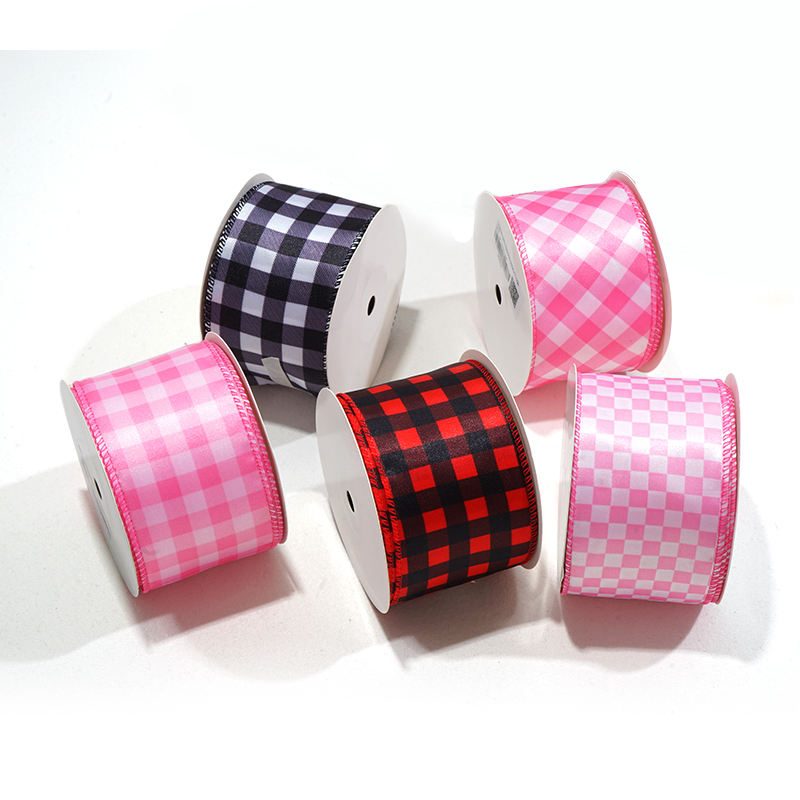
Buyer answer: choose satin ribbon width on the finished pack
Satin ribbon width should be selected against the real package, tie or fold, artwork repeat, packing method, and approved sample—not from a catalog width alone. Use 1/4, 1/2, and 1 inch as comparison starting points, then change the width if the ribbon hides the pack, looks undersized, makes the logo unreadable, or slows the intended packing action.
The Pack–Tie–Print–Handle–Reorder check
| Decision field | Buyer question | Evidence to keep | Reason to revise |
|---|---|---|---|
| Pack | How much of the box, pouch, tag, or handle may the ribbon cover? | Photo of each candidate width on the actual pack | The width hides essential graphics or lacks the intended visual presence |
| Tie | Will the ribbon be knotted, bowed, folded, wrapped, or mechanically applied? | Finished closure or bow sample | The format becomes bulky, unstable, or difficult to repeat |
| Does the usable face hold the logo, repeat, and required clear space? | Actual-size artwork proof and printed sample | Letterforms fill, edges crowd, or the repeat breaks at the visible point | |
| Handle | Can the packing team unwind, cut, position, and close it consistently? | Short packing trial using the intended tools and pack | Twisting, slipping, fraying, or inconsistent tail length appears |
| Reorder | Which width, face, color reference, roll format, and pack photo identify the approved item? | Signed specification and retained sample record | The reorder cannot be matched to one unambiguous reference |
For material and finish options, review the satin ribbon product page. Use the quality and color control process to prepare approval evidence before requesting a production quotation.
Method and limitations: the framework separates visual fit, conversion handling, artwork fit, and reorder control so buyers can compare widths using the same record. It is a procurement worksheet, not a substitute for a physical sample or supplier-confirmed specification.
When satin ribbon width guide is the right size or format
Factory-side judgment: select satin ribbon width by the package surface, tying method, and approval sample, not by catalog habit. The width changes material usage, setup handling, unit cost, bow volume, carton packing, and reorder consistency.
| Width option | Best fit | Cost driver | Buyer risk | Verification | Next action |
|---|---|---|---|---|---|
| 1/4 inch satin ribbon | Small hang tags, narrow gift boxes, sample kits, and subtle logo accents. | Lower material use per piece, but higher labor risk if the ribbon is hard to tie or position consistently. | Logo or color detail may disappear on the package, causing weak shelf impact. | Check a tied sample on the actual dieline and photo it from normal shopper distance. | Use only when the approved sample still looks intentional after packing. |
| 1/2 inch satin ribbon | Retail gift packaging, cosmetic boxes, wine neck ribbons, and balanced hand-tied bows. | Middle cost tier: enough surface for branding without creating oversized bow volume. | If the product is very small, the ribbon can overpower the pack; if the pack is large, it can look under-specified. | Compare one finished sample against the product face, carton insert, and planned tying process. | Treat this as the default RFQ width when the buyer has no locked sample yet. |
| 1 inch satin ribbon | Premium boxes, large bows, display packaging, event packs, and high-visibility decorative bands. | Higher material and freight impact because wider ribbon increases roll volume and carton space. | A wide satin band can crease, cover artwork, or slow packing if the closure method is not tested. | Ask the supplier for a packing sample, bow hold check, and roll-length confirmation before quote approval. | Use when visibility is worth the added unit cost and packing control. |
Best-fit packaging and display uses
Match the ribbon width to the visible package face and the way the buyer will tie, glue, or wrap it. A production-representative sample should confirm that the selected width keeps the brand detail visible without blocking the product label.
When to choose a wider, narrower, or different format
Move narrower when labor speed, carton space, or budget is the priority. Move wider when shelf visibility, bow volume, or premium presentation is the priority. If the ribbon must pass through equipment, verify the width on that equipment before bulk approval.
Width, roll length, material, and finish choices
Use the table to lock each specification before RFQ, sample approval, or bulk order. It connects quality control, verification method, buyer risk, and next action in one check.
| Specification | Quality control | Verification method | Buyer risk | Next action |
|---|---|---|---|---|
| Material / substrate | Verify substrate type (e.g., satin, grosgrain) matches spec sheet | Compare material composition against submitted mill certificate or supplier declaration | Substitution with lower-grade material may affect appearance and durability | Request RFQ with material specification and ask for material sample |
| Width or size tolerance | Measure width at three points per roll against the buyer-approved tolerance | Use calibrated caliper or ruler; check against approved width specification | Oversized or undersized ribbon may not fit packaging or application | Approve width tolerance range before production; request width sample |
| Finish or surface effect | Inspect for consistent sheen, no fraying, and uniform edge finish | Visual inspection under standard lighting; compare to approved finish sample | Uneven finish or edge defects can cause rejection in retail or event use | Ask for finish sample and approve before bulk production |
| Roll length or spool format | Confirm roll length via yardage counter; check spool core size and winding tension | Measure length on calibrated measuring machine; verify against packing list | Short rolls lead to production shortages; incorrect spool may jam automated equipment | Request RFQ specifying exact roll length and spool type; ask for spool sample |
| Sample approval | Cross-check sample against all specs: material, width, finish, color, and length | Use approved sample as master; conduct AQL inspection per ISO 2859-1 | Approving without full check may cause bulk order mismatch and costly rework | Approve sample in writing; request production sample for bulk confirmation |
How size affects appearance and handling
Check the physical sample against the dieline, material specification, and product-fit requirement. Record the accepted tolerance or revision so production and QC use the same reference.
Material and finish constraints by use case
Compare the sample with the approved artwork, dieline, color target, and finish notes. If anything is unclear, pause approval until the supplier confirms how it will be repeated in bulk production.
For product context, review custom printed ribbon after the buyer has confirmed specifications, sample records, and RFQ assumptions.
RFQ checkpoint
Prepare ribbon specifications, artwork, quantity, packaging requirements, and timeline before requesting a quote.
Printing, bow-making, and packing limits
| Criteria | Option A | Option B | Buyer meaning | Buyer risk | Follow-up |
|---|---|---|---|---|---|
| Logo or artwork fit considerations | Narrow width limits artwork detail and text legibility | Wide width allows full logo, fine lines, and multi-color registration | Artwork must be scaled to ribbon width; narrow widths require simplified designs or single-color prints | Approved artwork may be illegible or distorted at narrow widths, causing reprint costs and delays | Submit artwork at actual ribbon width for print proof approval before production |
| Packing and storage details to confirm | Narrow rolls: confirm yards per spool and rolls per carton | Wide rolls: confirm yards per roll and rolls per carton | Narrow widths yield more linear yards per carton but require careful core winding to avoid kinks | Mismatched packing assumptions cause shipping damage, storage space waste, or re-reeling fees | Confirm roll length, inner core diameter, and carton quantity in RFQ before order confirmation |
| Specifications | Satin ribbon standard widths 9.5, 15.9, 22, 38, 64, and 102 mm | Other satin ribbon widths by RFQ | Standard widths are the starting point; custom widths and their MOQ are confirmed by RFQ | Unspecified width may not be available in stock, causing lead time extension or MOQ increase | Check the stock width list or submit a custom width RFQ for availability and lead time |
| Cost Driver | Narrow width: lower material cost per yard, higher per-roll packing cost | Wide width: higher material cost per yard, lower per-roll packing cost | Total cost depends on width, quantity, and packing configuration; narrow widths may save material but increase packing labor | Ignoring only material cost ignores packing, shipping, and waste cost, leading to budget overrun | Request itemized quote per width option including material, packing, and shipping line items |
| Quality Control | Narrow width: inspect for even edges, consistent color, and no fuzz or kinks | Wide width: inspect for straight cut, even ink coverage, and no skew or curl | Quality checks differ by width; narrow widths risk edge fuzz, wide widths risk print registration drift | Approved sample may not match bulk if width-specific QC checks are not defined in the inspection plan | Define width-specific AQL inspection criteria in the QC checklist before bulk production |
| Buyer Risk | Narrow width: high risk of artwork rejection, re-reeling cost, and packing damage | Wide width: moderate risk of material waste, higher per-unit cost, and longer lead time | Narrow widths require simpler designs and tighter packing; wide widths require more material and longer setup | Ignoring width-specific risks may cause unexpected rework or shipping delays | Review width-specific risk checklist with supplier before order placement and include in contract |
Logo or artwork fit considerations
Compare the sample with the approved artwork, dieline, color target, and finish notes. If anything is unclear, pause approval until the supplier confirms how it will be repeated in bulk production.
Packing and storage details to confirm
Set the buyer acceptance rule in writing: name the approved sample or standard, keep the evidence record, assign the approval owner, and require supplier confirmation before bulk production.
For product context, review OEM and ODM ribbon development after the buyer has confirmed specifications, sample records, and RFQ assumptions.
MOQ, sample, and reorder planning
| RFQ input | Quote impact | What to verify | Risk to avoid | Supplier follow-up |
|---|---|---|---|---|
| Custom color or custom print ribbon specifications | Specs change from stock; custom dye or print requires artwork, color target, material, and width confirmation before MOQ and lead time can be set. | Switching from stock 1.5-inch satin to a custom Pantone-dyed 1.5-inch satin ribbon triggers an RFQ; width tolerance, color fastness, and print registration must be verified per program. | Unconfirmed specs lead to wrong MOQ, extended lead time, or rejected samples; production cannot start without approved artwork and color standard. | Submit artwork, Pantone reference, and width requirement via RFQ; request sample approval before bulk production. |
| How to keep repeat orders consistent | Repeat orders require locked specifications, artwork files, color standards, and production notes from the initial approved sample to avoid drift. | For a printed ribbon reorder, confirm the same artwork file, Pantone reference, ribbon material, and width as the previous approved bulk run; request a pre-production sample if the agreed validity window since the last order has passed. | Inconsistent reorders cause color mismatch, print misregistration, or width variation; buyer may reject shipment or face rework costs. | Maintain a spec sheet per program; request a reorder checklist from supplier including artwork, color standard, and sample approval history. |
| Specifications | Ribbon width, material, color, and print method define the product; each spec affects MOQ, lead time, and cost. | A 1-inch satin ribbon with custom screen printing requires width tolerance check, ink type confirmation, and material compatibility test; stock ribbon widths have fixed MOQ, custom widths need RFQ. | Missing specs lead to incorrect MOQ, production delays, or non-compliant product; buyer may receive wrong width or print quality. | Document all specs in RFQ: material, width, color (Pantone or stock), print method, and finish; verify against supplier capability. |
| MOQ | MOQ varies by product type; stock ribbon starts at 1,500 yards per color, custom color/width needs RFQ, printed ribbon starts at 3,000 yards per design, rosettes and sashes at 1,000 pieces per style. | Ordering custom-dyed satin ribbon: Pantone-dyed satin starts at 5,000 yards per color; other custom colors are confirmed via RFQ. Stock ribbon in existing color/width: MOQ is 1,500 yards per color. | Assuming wrong MOQ leads to order rejection, price increase, or delayed production; buyer may commit to quantity that supplier cannot fulfill at quoted price. | Check product manual MOQ table; for custom items, submit RFQ to confirm MOQ before quoting client. |
| Lead Time | Standard production lead time is 15–20 business days after specs and samples are approved; custom color or print may extend due to sampling and approval. | A custom printed ribbon order: after artwork approval and sample sign-off, production takes 15–20 business days. If color matching requires multiple rounds, lead time extends. | Underestimating lead time causes missed delivery deadlines; buyer may face penalties or lose customer trust. | Confirm lead time in RFQ response; factor in sampling and approval time; request production schedule before order confirmation. |
| Cost Driver | Cost is driven by material, width, color customisation, print method, quantity, and packaging; custom color or print increases cost due to setup, dye, and approval steps. | Custom Pantone-dyed ribbon costs more than stock color due to dye lot and minimum batch; screen printing has plate cost; smaller quantity increases per-yard cost. | Ignoring cost drivers leads to budget overrun or uncompetitive quote; buyer may lose margin or fail to secure order. | Request cost breakdown per spec: material, width, color, print, quantity, and packaging; compare against budget before quoting client. |
What changes with custom color or custom print
Compare the sample with the approved artwork, dieline, color target, and finish notes. If anything is unclear, pause approval until the supplier confirms how it will be repeated in bulk production.
How to keep repeat orders consistent
Set the buyer acceptance rule in writing: name the approved sample or standard, keep the evidence record, assign the approval owner, and require supplier confirmation before bulk production.
For product context, review gift and retail packaging ribbon solutions after the buyer has confirmed specifications, sample records, and RFQ assumptions.
Quote checklist for this specification
| RFQ input | Quote impact | What to verify | Risk to avoid | Supplier follow-up |
|---|---|---|---|---|
| Satin ribbon width in inches or millimeters | Width determines loom setup, cutting waste, and per-yard cost; non-standard widths require custom slitting and increase MOQ. | Specify the exact width in inches and millimeters for each use; confirm if width is finished or cut-edge. | Supplier may quote based on nearest stock width, causing rework or off-spec product. | Send exact width in both imperial and metric; ask if width is cut-edge or selvedge. |
| Color target reference (Pantone, CMYK, or physical swatch) | Satin ribbon dye absorbs differently than paper; Pantone TPX or physical swatch is required for color matching. | Provide Pantone 19-4052 TCX Classic Blue; note if match is for solid dye or printed ink. | Color mismatch leads to sample rejection and production delays. | Include Pantone code or mail a physical swatch; confirm color control method with supplier. |
| Material composition and construction details | Satin can be polyester, nylon, or acetate; each has different dye take, sheen, and heat tolerance. | Specify polyester satin, 2-inch width, woven edge, medium weight, and thickness. | Wrong material may fail end-use requirements (e.g., heat sealing, UV resistance). | State material type, weight, and any required certifications (e.g., OEKO-TEX). |
| Sample approval point: first strike-off or lab dip | Lab dip approval locks color before bulk production; avoid approving on-screen only. | Request 2-3 lab dips at 1-yard each; approve against physical swatch under D65 light. | Bulk production may run with unapproved color, causing rejection. | Set a 3-business-day approval window; reject or revise with clear delta-E tolerance. |
| Sample approval point: production sample (top of run) | Top-of-run sample confirms width, color, edge finish, and print registration before full production. | Request a 5-yard production sample after setup; check width against the buyer-approved tolerance and color consistency. | Defects found after bulk run require rework or scrap at buyer cost. | Inspect sample against spec sheet; sign off in writing before production continues. |
| Specifications: width tolerance and edge finish | Satin ribbon width tolerance varies by loom; tight tolerance may increase cost. | Specify width and tolerance with fused edge to prevent fraying; confirm if selvedge or cut-edge. | Oversized or undersized ribbon may not fit packaging or automated equipment. | State acceptable tolerance and edge finish; request supplier's standard capability. |
Inputs to send before RFQ
Transfer the approved sample record into a production handoff that names the final files, material, structure, print, finish, packing, QC checkpoints, and schedule basis. Ask the supplier to acknowledge the same version before production starts.
Sample approval points
Set the buyer acceptance rule in writing: name the approved sample or standard, keep the evidence record, assign the approval owner, and require supplier confirmation before bulk production.
For product context, review buyer guides after the buyer has confirmed specifications, sample records, and RFQ assumptions.
Conclusion
Selecting the correct satin ribbon width is only the first step—finalizing your procurement requires aligning the width, material, and color target with your supplier’s MOQ and lead time. For plain stock ribbon, widths from existing inventory colors start at 1,500 yards per color with a standard production lead time of 15–20 business days after sample approval, while custom widths or colors must be confirmed by RFQ due to variable MOQ. Printed ribbon programs begin at 3,000 yards per design, and rosettes or sashes start at 1,000 pieces per style. To avoid quality risk, validate your spec against Pantone references for color consistency and request a sample before bulk production. Your next procurement action is to request a quote with your exact width, material, color, quantity, and packing requirements to confirm feasibility and lead time.
Final buyer checks before moving forward
Set the buyer acceptance rule in writing: name the approved sample or standard, keep the evidence record, assign the approval owner, and require supplier confirmation before bulk production.
Quote-ready inputs to prepare
Set the buyer acceptance rule in writing: name the approved sample or standard, keep the evidence record, assign the approval owner, and require supplier confirmation before bulk production.
Supplier or sample action to take next
Transfer the approved sample record into a production handoff that names the final files, material, structure, print, finish, packing, QC checkpoints, and schedule basis. Ask the supplier to acknowledge the same version before production starts.
To request a quote, visit satin ribbon and confirm the final specification, quote assumptions, sample approval, QC evidence, buyer risk, and next action before bulk order.
FAQs About Satin Ribbon Width Guide
This part shows how satin ribbon width guide affects specification fit, cost exposure, production risk, supplier execution, and approval timing.
Which specs decide whether Satin Ribbon Width fits a bulk buying project?
The key specs are material type (satin, grosgrain, velvet, organza), width in inches or mm, color (stock or custom Pantone), and construction (plain, custom dyed, printed). For bulk projects, confirm if the width is a stock width or a custom width; custom widths require RFQ confirmation and may affect MOQ and lead time. List exact width, color reference, and quantity in your RFQ.
What should I verify with the supplier before ordering Satin Ribbon Width at scale?
Verify the width tolerance, color fastness, and if the ribbon is plain stock or custom. For custom widths or colors, confirm the MOQ via RFQ. Standard production lead time is 15–20 business days after specifications and samples are approved. Risk: unclear specs cause inaccurate quotes and bad samples. Send a spec confirmation table to supplier before ordering.
What sample or packing checks reduce risk before confirming Satin Ribbon Width production?
Request a sample of the exact width and color. Check width consistency, color match to Pantone or lab dip, and edge finish. For printed ribbon, approve artwork and print placement. Risk: sample approval prevents bulk quality disputes. Approve sample in writing before production. Also confirm packing: inner box quantity, carton barcode, and export carton specs.
What information should go into the decision matrix and spec confirmation table for Satin Ribbon Width?
The decision matrix should include: spec (material, width, color, construction), MOQ (stock: 1,500 yards per color; custom: confirm via RFQ; printed: 3,000 yards per design), lead time (15–20 business days after sample approval), and unit price (confirm in RFQ). Also include risk column: color variation, width tolerance, and reorder consistency. Use this matrix to compare supplier quotes and approve sample.
How can buyers avoid inaccurate quotes, bad samples, quality disputes, delivery delays, reorder variation, or supplier mismatch when sourcing Satin Ribbon Width?
To avoid wrong judgment, always confirm specs in writing before quote. Use a spec confirmation table with width, color, material, and construction. Verify sample against this table. For reorder consistency, keep sample and spec record. Risk: skipping sample approval causes quality disputes and delays. Create a spec checklist and share with supplier before RFQ and sample.
What should buyers confirm before ordering Satin Ribbon Width Guide?
Confirm the width is a stock width or custom width. Stock widths from existing inventory start at 1,500 yards per color. Custom widths require RFQ confirmation and may have higher MOQ. Also confirm color: stock color or custom Pantone dye. Standard production lead time is 15–20 business days after specifications and samples are approved. Risk: wrong width causes fit issues and rework. Send width and color specs in RFQ and approve sample before bulk.
Keep exploring
Recommended buyer guides
 Wholesale Foil Printing vs Screen Printing Ribbon: Buyer Comparison
Foil printing vs screen printing ribbon: side-by-side on artwork files, print method, color target, and sample approval. Pick…
Explore guide
Wholesale Foil Printing vs Screen Printing Ribbon: Buyer Comparison
Foil printing vs screen printing ribbon: side-by-side on artwork files, print method, color target, and sample approval. Pick…
Explore guide
 Organza Ribbon Sheer Finish and Print Comparison for Custom Orders
 — the checks that decide whether a quote,…
Explore guide
Organza Ribbon Sheer Finish and Print Comparison for Custom Orders
Organza Ribbon Sheer Finish and Print Comparison for Custom Orders — the checks that decide whether a quote,…
Explore guide
 Velvet Ribbon Pile and Finish Comparison for Custom Orders Buyer
: what to confirm on material, MOQ, sample checks,…
Explore guide
Metallic Ribbon Finish Comparison for Custom Orders: Buyer Checklist
Metallic Ribbon Finish Comparison for Custom Orders: what to confirm on material, dimensions, finish, and handling before you…
Explore guide
Velvet Ribbon Pile and Finish Comparison for Custom Orders Buyer
Velvet Ribbon Pile and Finish Comparison for Custom Orders Buyer: what to confirm on material, MOQ, sample checks,…
Explore guide
Metallic Ribbon Finish Comparison for Custom Orders: Buyer Checklist
Metallic Ribbon Finish Comparison for Custom Orders: what to confirm on material, dimensions, finish, and handling before you…
Explore guide
Leave a comment
Share a sourcing question or feedback on this guide. The Lude team reviews submissions before following up.