


Satin Ribbon Width Guide: When 1/2 Inch Rolls Fit Packaging Orders
Where 1/2 inch satin fits in packaging programs, width comparison against adjacent sizes, specs to lock before quoting, and the sample checks that settle the decision.
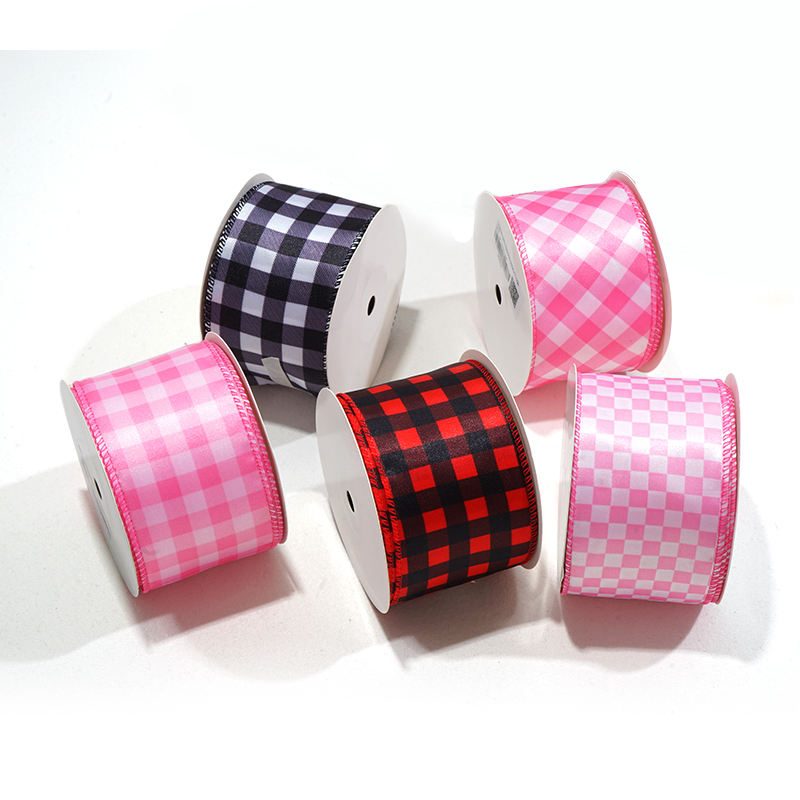
Width is the first ribbon specification that goes wrong in packaging programs, usually because it gets chosen from a photo rather than from the actual bow, wrap, or hang-tag application. A width that photographs well can tie too thin on a gift box, disappear against a large carton, or bulk up a small jewelry box into a knot that will not sit flat.
This guide explains where 1/2 inch (roughly 12–13 mm) satin ribbon fits in commercial packaging orders, how it compares with the widths on either side of it, and which specifications to lock before requesting a quote. It is written for buyers planning roll purchases for gift packaging, retail wrapping, and product embellishment programs.
Where 1/2 inch satin fits
Half-inch satin is the middleweight option of ribbon packaging: substantial enough to hold a visible bow and carry small print or embroidery, narrow enough to stay proportionate on small-to-medium boxes. In practice it fits four recurring B2B jobs:
- Gift box bows for cosmetics, jewelry, and accessories. Boxes in roughly the 10–25 cm range take a balanced bow from 1/2 inch ribbon without the tail overpowering the lid.
- Bottle and jar neck finishing. Wine, spirits, candle, and cosmetic jar programs use the width for neck wraps and tie tags; it covers a standard bottle neck in two passes.
- Retail bag handles and closures. Paper bag programs upgrade from die-cut handles to ribbon threading at this width, which passes through standard punched eyelets without fraying bulk.
- Apparel and accessory hang tags. Looping a tag with satin at this width reads as premium without adding enough material to distort lightweight garment tags.
The cases where another width serves better are just as important. Very small boxes under about 8 cm usually want 3/8 inch or narrower to keep the bow proportionate; large shipping or luxury hampers over roughly 30 cm tend to need 7/8 inch or wider so the ribbon does not visually vanish against the surface. If your program spans both ends, buy the two purpose-fit widths instead of forcing one compromise width across everything.
Width comparison for packaging orders
| Width | Typical packaging role | Bow character | Watch-outs |
|---|---|---|---|
| 1/4 inch (6 mm) | Small jewelry boxes, tag loops, delicate wrapping accents | Tiny, precise bows | Too narrow to carry print; edge quality shows easily |
| 3/8 inch (9–10 mm) | Small gift boxes, favor bags, lightweight closures | Neat, compact bows | Can look thin on matte or textured box surfaces |
| 1/2 inch (12–13 mm) | Cosmetics, candles, bottles, retail bags, hang tags | Balanced bows with visible sheen | Proportion breaks on boxes much under 8 cm or over 30 cm |
| 5/8–7/8 inch (16–22 mm) | Medium-to-large gift boxes, hamper wrapping, decorative crosses | Full, statement bows | Consumption per meter rises quickly; check roll length economics |
| 1–1/2 inch and up (38 mm+) | Large boxes, event décor, luxury presentation wrapping | Dramatic, structural bows | Stiffer hand; needs wider storage and handling space on packing lines |
Read the table against your actual box dimensions, not against category convention. Two programs in the same category can need different widths because box size, surface finish, and bow style (single-loop versus double-loop, flat tie versus standing bow) all change the proportion math. When in doubt, sample two adjacent widths on your actual box — the comparison settles the decision in one afternoon.
Specifications to lock before quoting
Once the width is chosen, these parameters define what you are actually buying. Quotes that skip them are not comparable:
- Face construction. Single-faced satin shows weave on the reverse; double-faced satin is smooth on both sides and is the correct choice when both faces are visible in the bow. Specify which one, because pricing differs.
- Color standard. State Pantone references or provide a physical swatch, and agree how color will be checked at acceptance. Dye lots shift between production runs, so reorders should reference the approved lot sample.
- Roll length and winding. Confirm yards per roll and winding direction if your packing line feeds ribbon mechanically. Short rolls multiply changeover time on high-volume wrapping stations.
- Edge finish. Heat-cut edges resist fray in handling; confirm edge condition expectations if the ribbon is threaded through eyelets or handled repeatedly.
- Print or embellishment. If the ribbon carries a logo, the width must accommodate the print repeat and registration margins — a 1/2 inch ribbon typically supports one line of small repeat print, which affects whether you buy printed ribbon or stock and print later.
Quantity planning follows the same shape as other ribbon programs: stock satin colors start around 1,500 yards and printed ribbon programs around 3,000 yards, with standard production around 15–20 business days after specification confirmation. If your color is not in stock, ask whether a custom dye run changes both minimum and timing before you commit the launch date.
Common width-selection mistakes
- Choosing from supplier photos. Studio shots rarely show the ribbon on your box size. Insist on seeing the candidate width tied on your actual package or on a same-dimension sample box.
- Standardizing one width to simplify purchasing. Consolidation saves administration but costs presentation quality at both size extremes. Consolidate within a size band, not across the full range.
- Ignoring consumption math. Wider ribbon is not just more expensive per meter — each bow also consumes more length. Compute cost per finished bow (ribbon length times price per meter), not cost per roll, when comparing widths.
- Skipping the reorder reference. Without an approved lot sample on file, a reorder six months later can arrive a visible shade different from the original. Keep the signed sample and record the dye lot.
Sample checks and RFQ inputs
A width decision is only as good as the sample that proves it. Before approving, tie the sample ribbon on your actual package at least ten times, check that bow loops hold their shape without wire support if that is your standard, and inspect edge condition after threading through any eyelets your packing uses. If the program includes print, verify print repeat spacing and legibility at the finished bow size, not flat on the roll.
Then send the supplier an RFQ containing the inputs that make quotes comparable across vendors: width and face construction, color reference, yards per roll and total yards, print requirements if any, destination country, and your required delivery date worked backward from launch. A complete input set is also the fastest way to separate development-capable suppliers from resellers — factories answer specification questions with numbers, resellers answer with “we will check.”
FAQ: satin ribbon width selection
Is 1/2 inch ribbon the right width for standard gift boxes?
For boxes in roughly the 10–25 cm range, yes — it produces balanced bows and works for bottle necks, bag handles, and hang tags. Below about 8 cm consider 3/8 inch; above about 30 cm test a wider width so the ribbon stays visible against the surface.
What is the difference between single-faced and double-faced satin?
Single-faced satin has a smooth face and a woven reverse; double-faced satin is smooth on both sides. Bows that expose both sides of the loop need double-faced; wraps where only the face shows can use single-faced at lower cost.
What is the minimum order for satin ribbon?
Stock satin colors start from around 1,500 yards; printed ribbon programs from around 3,000 yards. Custom dye colors may carry different minimums and timing — confirm before setting a launch date. Standard production runs about 15–20 business days after specification confirmation.
How do I keep reorder color consistent?
Approve a signed lot sample, record the dye lot number, and require reorders to match against that physical standard rather than against the original Pantone alone. Dye lots shift between runs; the retained sample is your enforceable reference.
Can 1/2 inch satin carry a printed logo?
Yes, for small repeat prints on one line. Confirm the print repeat length and registration margins during sampling, and check legibility at bow size rather than flat on the roll.
Next step
Send your box dimensions and target application with the RFQ inputs above, and ask for a stock card or cut sample of the candidate widths before committing yardage. Start from the satin ribbon range for color and construction options, see custom printed ribbon if your program carries branding, and browse gift and retail packaging ribbon solutions for application references.
Keep exploring
Recommended buyer guides
 Wholesale Foil Printing vs Screen Printing Ribbon: Buyer Comparison
Foil printing vs screen printing ribbon: side-by-side on artwork files, print method, color target, and sample approval. Pick…
Explore guide
Wholesale Foil Printing vs Screen Printing Ribbon: Buyer Comparison
Foil printing vs screen printing ribbon: side-by-side on artwork files, print method, color target, and sample approval. Pick…
Explore guide
 Organza Ribbon Sheer Finish and Print Comparison for Custom Orders
 — the checks that decide whether a quote,…
Explore guide
Organza Ribbon Sheer Finish and Print Comparison for Custom Orders
Organza Ribbon Sheer Finish and Print Comparison for Custom Orders — the checks that decide whether a quote,…
Explore guide
 Velvet Ribbon Pile and Finish Comparison for Custom Orders Buyer
: what to confirm on material, MOQ, sample checks,…
Explore guide
Metallic Ribbon Finish Comparison for Custom Orders: Buyer Checklist
Metallic Ribbon Finish Comparison for Custom Orders: what to confirm on material, dimensions, finish, and handling before you…
Explore guide
Velvet Ribbon Pile and Finish Comparison for Custom Orders Buyer
Velvet Ribbon Pile and Finish Comparison for Custom Orders Buyer: what to confirm on material, MOQ, sample checks,…
Explore guide
Metallic Ribbon Finish Comparison for Custom Orders: Buyer Checklist
Metallic Ribbon Finish Comparison for Custom Orders: what to confirm on material, dimensions, finish, and handling before you…
Explore guide
Leave a comment
Share a sourcing question or feedback on this guide. The Lude team reviews submissions before following up.