


Wholesale Foil Printing vs Screen Printing Ribbon: Buyer Comparison
Foil printing vs screen printing ribbon: side-by-side on artwork files, print method, color target, and sample approval. Pick the option that fits your project.
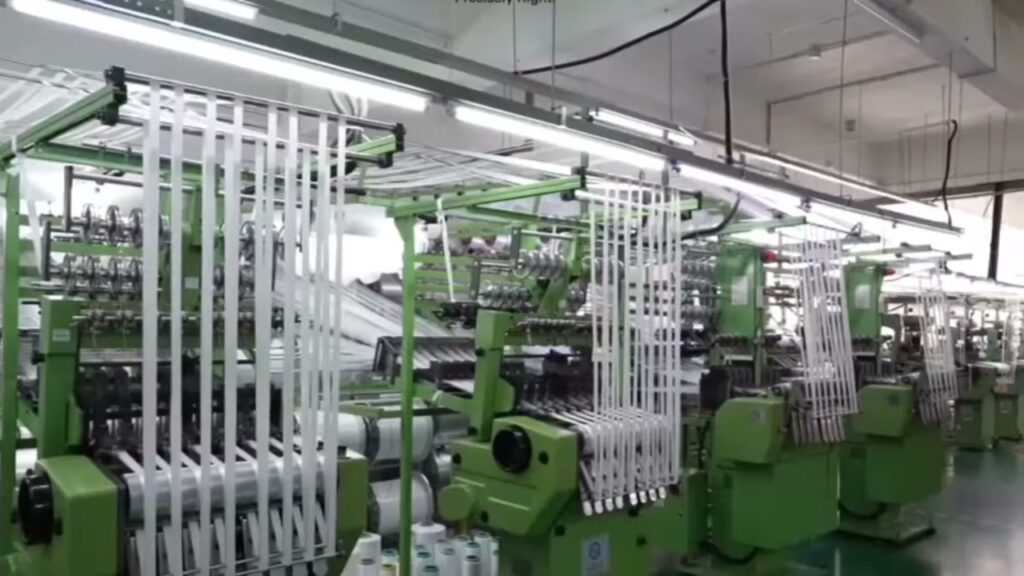
Foil printing vs screen printing ribbon decisions should connect the logo or finish idea to a production sample, not only a visual mockup.
For foil printing vs screen printing ribbon, supplier proof should cover print position, color target, surface finish, structure, and packing before bulk production is released.
The checks below help buyers keep artwork, material, finish, and packing decisions in one approval path.
When to choose each option for foil printing vs screen printing ribbon
The process decision should follow the approved visual effect, ribbon construction, artwork behavior, and supplier proof path. Do not choose from the process name or an unprinted swatch.
| Option | Best fit | Trade-off | Risk to avoid | Verification | Follow-up |
|---|---|---|---|---|---|
| Foil-print route | Projects seeking a reflective or film-based effect that the supplier can demonstrate on the selected ribbon. | Film, tooling, heat, pressure, and ribbon surface should be evaluated together on the approved sample. | The appearance or adhesion changes when the production ribbon differs from the sample basis. | Review a physical strike-off on the intended ribbon and test it through the actual handling route. | Ask the supplier to identify the approved film, tooling reference, process owner, and retained sample. |
| Screen-print route | Projects seeking an ink-based result whose coverage, hand feel, and curing can be approved on the selected ribbon. | Ink system, artwork detail, ribbon texture, and curing conditions must be confirmed together. | Coverage, edge clarity, or feel differs after the ribbon is tied or rubbed. | Approve a physical print sample and inspect the logo in its final tied position. | Ask who controls ink preparation, screen or artwork revision, curing, and reorder reference. |
| Parallel sample route | Projects where the visual target matters more than a preselected print method. | Sampling both routes adds an approval step but exposes the real difference on the same construction. | The buyer commits to a process before seeing how it performs on the production ribbon. | Compare both samples under the same artwork, ribbon, handling, and viewing conditions. | Choose the process only after the buyer records the accepted appearance and failure checks. |
Use the ribbon quality, sample, and artwork approval process to plan the evidence required before bulk production.
Specification comparison table
Keep the specification independent of the printing method wherever possible. Then require each supplier to state how its proposed foil or screen process meets the same buyer target.
| Specification | Quality control | Verification method | Risk to avoid | Buyer action |
|---|---|---|---|---|
| Ribbon construction and surface | The supplier confirms the exact ribbon used for sampling and bulk production. | Compare the print on the intended material, weave, width, color, and finish. | A process approved on another substrate fails on the production ribbon. | Attach the approved ribbon reference to both process quotations. |
| Artwork, scale, and repeat | File version, reading direction, print face, repeat, and position are controlled. | Review the printed sample flat and in the final tied or folded position. | The logo is readable on the proof but misplaced after conversion or tying. | Mark orientation and placement on the artwork approval record. |
| Color and visual effect | The buyer and supplier use one physical target and agreed viewing condition. | Compare foil or ink output with the accepted target on the final ribbon color. | Digital artwork hides the interaction between base ribbon and print effect. | Approve the visual target as a physical sample, not a screen image alone. |
The RFQ should also cover handling and packing: Add the relevant handling check to pre-production approval.
The OEM/ODM ribbon development service is the related route when artwork or construction still needs supplier engineering review.
Use the specification comparison table to lock one measurable construction and finish basis. The sample record should show the accepted material, width, color or artwork, and packing reference so production is judged against the same physical target.
RFQ checkpoint
Check the product route for sizes, structures, materials, finishes, and RFQ details before sampling foil printing vs screen printing ribbon.
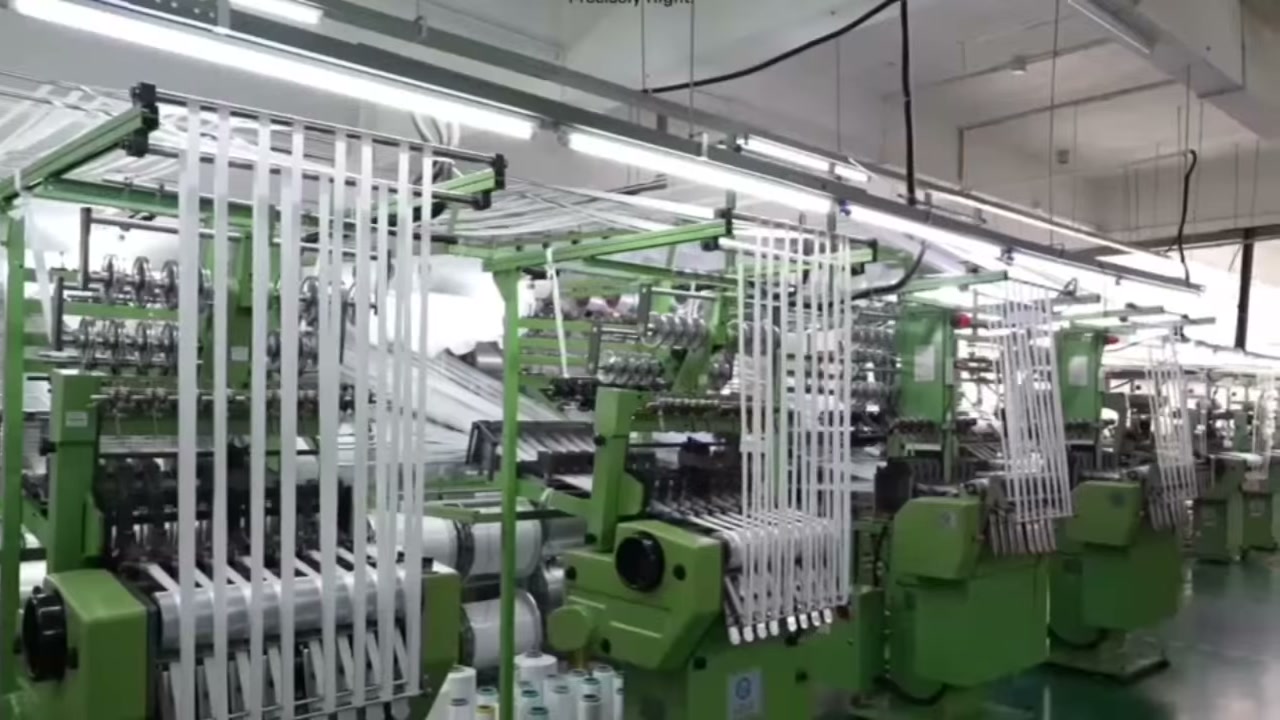
Cost, MOQ, and lead-time comparison
Do not assume that foil always has a higher minimum or that screen printing is always faster. The commercial result depends on the supplier’s process, existing tooling or screens, material availability, artwork, quantity split, and approval route.
What changes supplier pricing
The buyer should ask each supplier to separate reusable setup from order-specific work. The response should identify tooling or screen preparation, artwork changes, sample work, ribbon construction, print coverage, color or film choice, order breakdown, packing, inspection, and freight basis. Compare the total quoted scope rather than one unit price.
MOQ should be stated per construction, color, artwork, and packing line. If several lines can share setup, ask the supplier to show that rule; if they cannot, keep the minimums separate.
Sample and reorder implications
Build the schedule from artwork review through physical sample approval, production, inspection, packing, and shipping handoff. Ask which steps can be reused on a reorder and which changes reopen setup or approval. A reorder using a new ribbon, color, artwork, or print effect may not follow the first-order commercial basis.
Use the custom printed ribbon options page to prepare the common inputs for both process quotations.
Quality and application tradeoffs
Foil and screen printing fail in different ways, so a buyer should approve the process on the actual ribbon construction and intended handling. Foil is the stronger route when a reflective mark matters and the ribbon can accept the transfer cleanly. Screen printing is often more flexible for solid ink coverage, but the ink, mesh, and ribbon texture still need to work together.
Common defects or mismatch risks
For foil, inspect incomplete transfer, broken logo edges, flaking at folds, and changes in reflectivity across the ribbon face. A soft, textured, or heavily woven base can make a sharp foil edge difficult to repeat. For screen printing, inspect ink spread, pinholes, show-through, stiffness at the printed area, and registration drift. The important risk is process-to-substrate mismatch, not a universal claim that one method is always more durable.
How buyers should test samples
Request both samples on the production ribbon, with the approved artwork size and the same finish planned for bulk production. Fold the printed area as it will be tied or packed, rub it using the agreed test method, check logo edges under the buyer-approved viewing conditions, and inspect whether the print changes the ribbon hand. Record the pass/fail criteria before the supplier starts the production sample.
Require the supplier to return the selected process, ribbon base, artwork revision, color or foil reference, proof owner, and inspection method in writing. Use custom printed ribbon products options to place this approval inside the wider product route.
Decision rule before RFQ
Before sending an RFQ, confirm your specification sheet, artwork, and quality benchmarks are finalized. This ensures suppliers quote accurately and you compare options without ambiguity.
Inputs to prepare
- Ribbon substrate (e.g., satin, grosgrain) and width.
- Artwork format (vector or raster) and color references (Pantone numbers).
- Estimated order quantity to determine whether foil or screen printing is cost-effective.
- Required durability standards (wash resistance, rub resistance).
Additional RFQ items include sample approval protocol (number of rounds, turnaround expectations).
These inputs directly affect cost and production risk. Foil printing delivers bright, metallic results on smooth satin ribbon but may crack on textured grosgrain. Screen printing offers better adhesion on textured surfaces but requires higher setup costs for multiple colors. Substrate-method mismatch is a common cause of rework.
Questions to ask the supplier
Resolve these questions before approval: what is your minimum order quantity for foil vs. screen printing?; How do you handle color matching and proofing for foil prints?; What is your standard turnaround for sample approval?.
These questions evaluate factory execution and uncover hidden costs like setup fees. The Lude Ribbon editorial team recommends requesting a physical sample before bulk production. For gift and retail packaging applications, see our gift and retail packaging ribbon solutions.
In conclusion
The final decision between foil and screen printing ribbon comes down to matching the print method to your ribbon substrate and application, then verifying that choice through a documented sample approval. Before approving a supplier, confirm that the specification sheet covers material, width, color count, and print area, and that the sample passes a folded edge test for foil or a rub test for screen. Compare setup charges, unit price, and MOQ across suppliers quoting the same spec. The supplier who can provide written proof of these checks—from substrate compatibility to sample approval record—is the one to shortlist for your order.
To approve a sample, visit foil printed ribbon products product route and confirm the final specification, quote assumptions, sample approval, QC evidence, approval risk, and supplier follow-up before bulk order.
Foil printing vs screen printing ribbon FAQ
Which specs decide whether foil printing vs screen printing ribbon fits a bulk buying project?
Yes, the main specs are ribbon material, width, color count, and print area. Foil printing requires a smooth satin base for best adhesion, while screen printing handles textured grosgrain and narrow widths. Confirm each spec in your RFQ, as MOQ and lead time vary by print method and substrate. Request a sample approval record to lock in these parameters.
Which sample or QC proof should buyers request?
State the buyer-approved method, conditions, repetitions where applicable, acceptance criteria, date, sample or lot, result, and remedy.
What should buyers verify before approving foil printing vs screen printing ribbon?
Before approving, verify that the sample matches the specification sheet exactly: material, width, color, print clarity, and edge finish. Record the approved sample with date, file version, and color reference. Confirm the supplier will use the same print method and substrate for bulk production to avoid reorder discrepancies. Confirm production lead time after specifications and sample approval are fixed.
Which quote terms should buyers compare before RFQ?
Compare setup charges (die for foil, screen for screen printing), unit price per yard, MOQ, and lead time. Verify that the quote includes sample costs, packing, and inspection scope. Ask each supplier to quote the same specification to avoid hidden differences. Confirm whether the MOQ is based on material or print method.
Keep exploring
Recommended buyer guides
 Organza Ribbon Sheer Finish and Print Comparison for Custom Orders
 — the checks that decide whether a quote,…
Explore guide
Organza Ribbon Sheer Finish and Print Comparison for Custom Orders
Organza Ribbon Sheer Finish and Print Comparison for Custom Orders — the checks that decide whether a quote,…
Explore guide
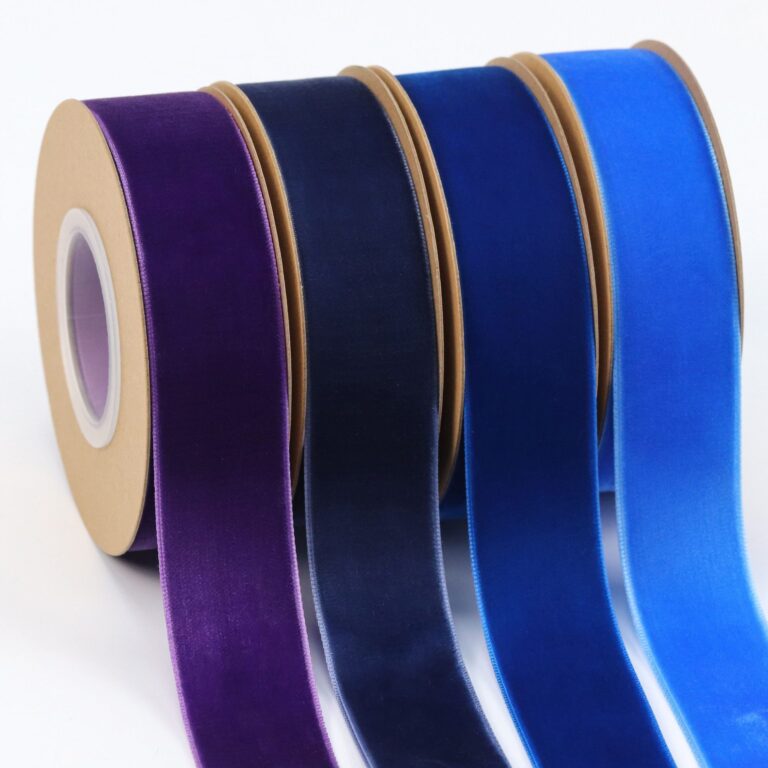 Velvet Ribbon Pile and Finish Comparison for Custom Orders Buyer
: what to confirm on material, MOQ, sample checks,…
Explore guide
Metallic Ribbon Finish Comparison for Custom Orders: Buyer Checklist
Metallic Ribbon Finish Comparison for Custom Orders: what to confirm on material, dimensions, finish, and handling before you…
Explore guide
Velvet Ribbon Pile and Finish Comparison for Custom Orders Buyer
Velvet Ribbon Pile and Finish Comparison for Custom Orders Buyer: what to confirm on material, MOQ, sample checks,…
Explore guide
Metallic Ribbon Finish Comparison for Custom Orders: Buyer Checklist
Metallic Ribbon Finish Comparison for Custom Orders: what to confirm on material, dimensions, finish, and handling before you…
Explore guide
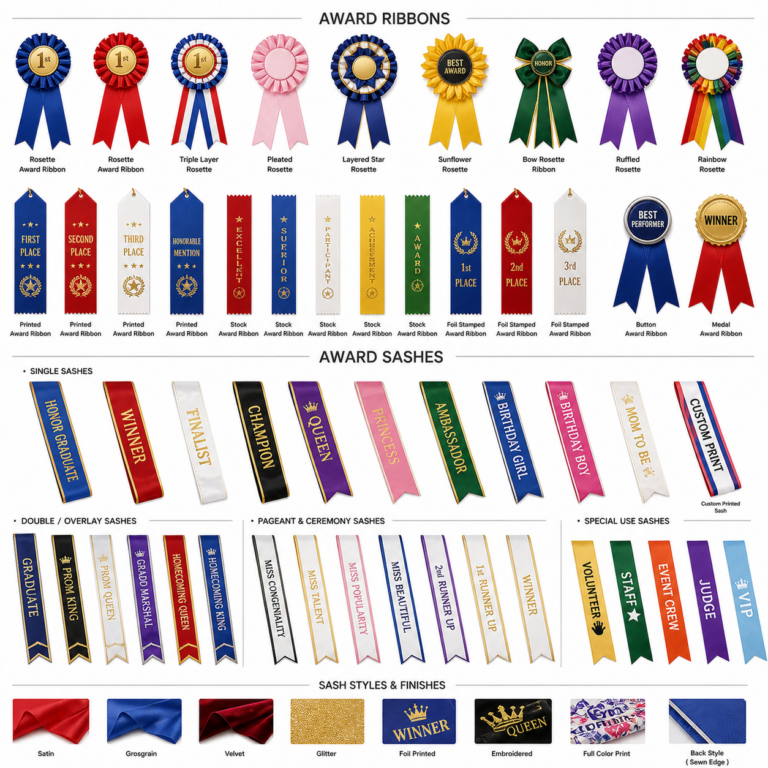 Award Ribbon Production Options: When to Custom Order Instead of DIY
Compare Award Ribbon Production Options by format, event timing, artwork placement, and packing before RFQ for retail packaging,…
Explore guide
Award Ribbon Production Options: When to Custom Order Instead of DIY
Compare Award Ribbon Production Options by format, event timing, artwork placement, and packing before RFQ for retail packaging,…
Explore guide
Leave a comment
Share a sourcing question or feedback on this guide. The Lude team reviews submissions before following up.