


Velvet Ribbon Pile and Finish Comparison for Custom Orders Buyer
Velvet Ribbon Pile and Finish Comparison for Custom Orders Buyer: what to confirm on material, MOQ, sample checks, and supplier questions before you
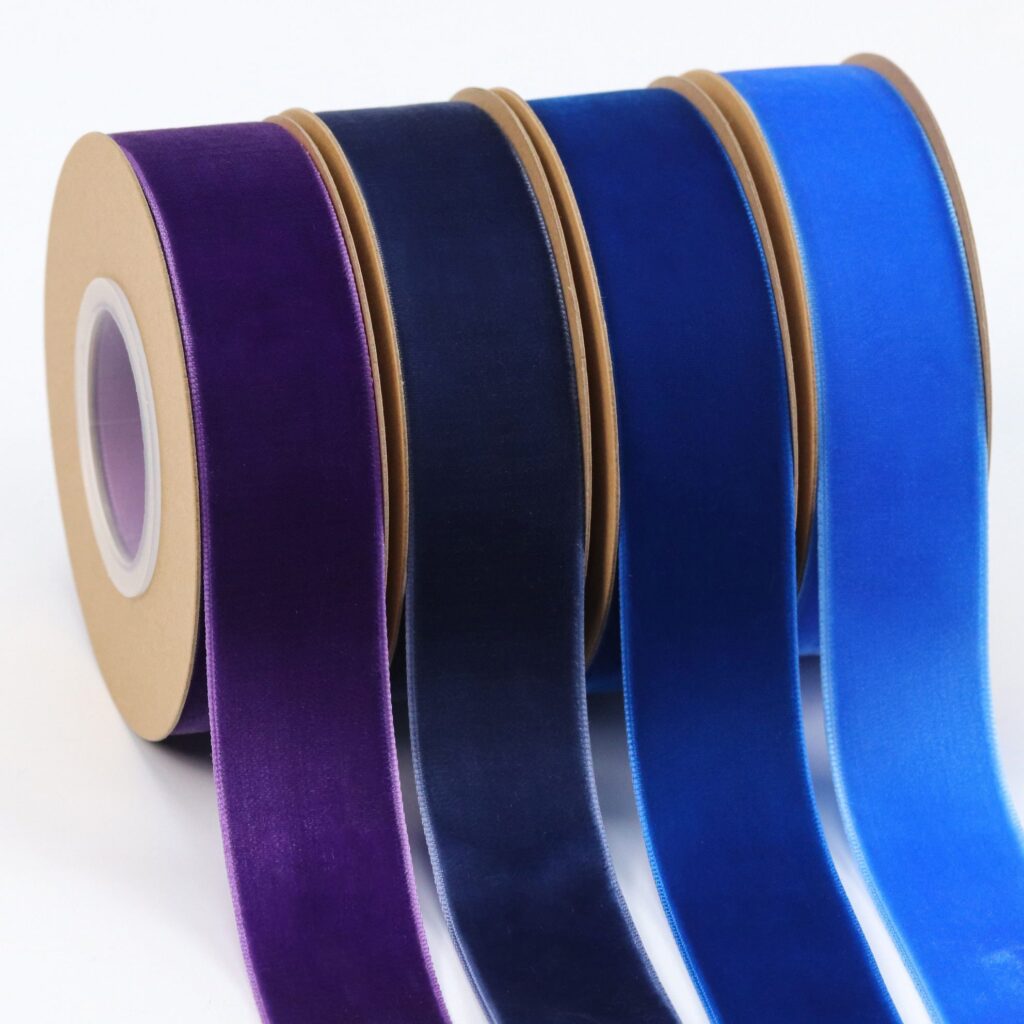
The sourcing record for velvet ribbon pile and finish comparison is incomplete until it supports this Choose the right product type, structure, material, or specification.
Pile height and pile density are separate specifications, and suppliers quote them interchangeably. Separating them is what makes quotes comparable.
Direct answer: For velvet ribbon pile and finish comparison, buyers should choose the right product type, structure, material, or specification.
Define the Buyer Decision for Velvet Ribbon Pile Finish Comparison
| Option | Best fit | Trade-off | Risk to avoid | Verification | Follow-up |
|---|---|---|---|---|---|
| Current specification | Approved production reference with signed sample and documented pile height and finish type. | Locks the supplier to a known standard; any deviation requires a new approval cycle and may delay shipment. | If the spec is incomplete or the sample is lost, the supplier may default to a different pile or finish without notice. | Cross-check the signed sample against the written spec for pile height, finish type, and color before bulk release. | Store the signed sample and spec together in the order file; share both with QC at the factory. |
| Alternative specification | A second approved option for the same order when the primary material is unavailable or cost-prohibitive. | May require separate tooling or a different finish process, increasing setup cost and lead time. | The alternative may not match the primary spec in hand feel or drape, causing end-user rejection. | Request a pre-production sample of the alternative and compare it to the primary spec under the same lighting and handling conditions. | Document the alternative spec as a separate line item in the RFQ and confirm the supplier can produce both options on the same schedule. |
| Custom option | A bespoke pile height or finish not in the supplier’s standard catalog, developed for a specific end use. | Requires a development fee and longer sampling cycle; MOQ is higher and negotiable only by material and method. | The custom finish may not be reproducible at scale, or the pile height may shift during production runs. | Ask the supplier for a lab dip or strike-off of the finish and a pile-height tolerance range before committing to bulk. | Include the custom spec in the RFQ with a clear tolerance range and request a development timeline and cost breakdown. |
| Safer fallback | A standard catalog pile height and finish that the supplier runs regularly, with proven repeatability. | Less differentiation in the final product; may not meet the design brief for a premium or unique look. | The fallback may be out of stock or discontinued if not confirmed early in the order cycle. | Check the supplier’s current stock position for the fallback spec and request a recent production sample to confirm consistency. | Lock the fallback as a backup line in the purchase order and set a deadline to switch if the primary or custom option fails sampling. |
Evaluate the decision criteria as one decision scope. Use this decision matrix as an approval sequence, not as a supplier claim. For current specification, a poor decision can mean if the spec is incomplete or the sample is lost, the supplier may default to a different pile or finish without notice. Ask the supplier to cross-check the signed sample against the written spec for pile height, finish type, and color before bulk release, then store the signed sample and spec together in the order file; share both with qc at the factory.
For velvet ribbon pile, preserve the current specification decision under one revision number: keep the supplier response, marked sample, approved specification, quotation, and approval owner together. If the evidence conflicts with the approved record, hold the quote, sample, or production release until the deviation is explained in writing. Carry that signed the decision criteria record into the purchase order, production handoff, shipment release, and later reorder review so every team works from the same baseline.
Supplier proof to verify
Ask the supplier for a pile height measurement report from the production roll, not just a lab sample. Request a finish type declaration that states whether the ribbon is plain, brushed, or embossed. Cross-check the declared finish against a physical sample under daylight. A written statement on letterhead with a signature from the quality manager is the minimum acceptable proof.
Use cases that fit
A short, dense pile with a matte finish works for packaging and gift wrap where a soft touch is needed but not high sheen. A longer pile with a glossy finish suits apparel trim or decorative bows that require a rich, reflective look. Match the pile and finish to the end-use environment to avoid performance issues.
RFQ and sample checks
Include pile height in millimeters and finish type (e.g., matte, semi-gloss, high-gloss) in every RFQ line item. Ask the supplier to confirm their standard tolerance for each. During sample approval, measure the pile height with a caliper and compare the finish to a reference swatch under consistent lighting to catch deviations early.
Confirm Product and Order Scope
| Criteria | Baseline option | Confirmed option | Buyer meaning | Risk to avoid | Follow-up |
|---|---|---|---|---|---|
| Pile height specification | Low pile (≤the buyer-confirmed requirement) | High pile (>the buyer-confirmed requirement) | Low pile resists crushing and is preferred for printed or embossed designs. | High pile may flatten unevenly under custom printed ribbon or bow forming. | Request a pile height tolerance from the supplier before sample approval. |
| Finish type | Cut velvet (sheared pile) | Uncut velvet (loop pile) | Cut velvet offers a smooth, plush surface; uncut retains a textured loop structure. | Uncut velvet can snag during automated cutting or packaging lines. | Verify finish type with a production sample under your handling conditions. |
| Cost driver per yard | Higher pile density increases raw material cost. | Shearing process adds labor and machine time. | Denser pile uses more yarn; shearing requires an extra production step. | Underestimating finish cost can inflate final unit price by a supplier-quoted adjustment. | Request a cost breakdown by pile height and finish from your supplier. |
| Quality control checkpoint | Pile height gauge check on first the quoted quantity. | Finish uniformity inspection under controlled lighting. | Gauge check ensures consistent pile; lighting inspection reveals shearing defects. | Skipping either checkpoint leads to rejected rolls during final QC. | Document both checks in your supplier's quality plan before bulk production. |
| Approval risk for custom orders | Low pile with cut finish: lower risk of surface variation. | High pile with uncut finish: higher risk of pile direction mismatch. | Low pile cut velvet is more uniform; high pile uncut can show directional shading. | Direction mismatch causes visible color shift in assembled bows or packaging. | Approve the quoted quantity production sample under your final lighting before full run. |
Evaluate Confirm Product and Order Scope as one decision scope. Use this comparison table as an approval sequence, not as a supplier claim. For pile height specification, a poor decision can mean high pile may flatten unevenly under custom printed ribbon or bow forming. Request written proof and compare it with the approved sample or specification, then request a pile height tolerance from the supplier before sample approval.
For velvet ribbon pile, preserve the pile height specification decision under one revision number: keep the supplier response, marked sample, approved specification, quotation, and approval owner together. If the evidence conflicts with the approved record, hold the quote, sample, or production release until the deviation is explained in writing. Carry that signed Confirm Product and Order Scope record into the purchase order, production handoff, shipment release, and later reorder review so every team works from the same baseline.
Decision criteria to confirm
Compare pile height and finish type against your end-use handling. Low pile cut velvet works best for automated bow forming or custom printed ribbon applications. High pile uncut velvet suits luxury packaging where a soft hand is preferred. Document your choice in the RFQ to avoid sample mismatches.
RFQ details to send
Include pile height tolerance and finish type as required fields in your request for quote. Ask the supplier to confirm their standard shearing method and whether they offer both cut and uncut options. This prevents cost surprises and ensures the sample matches your production intent.
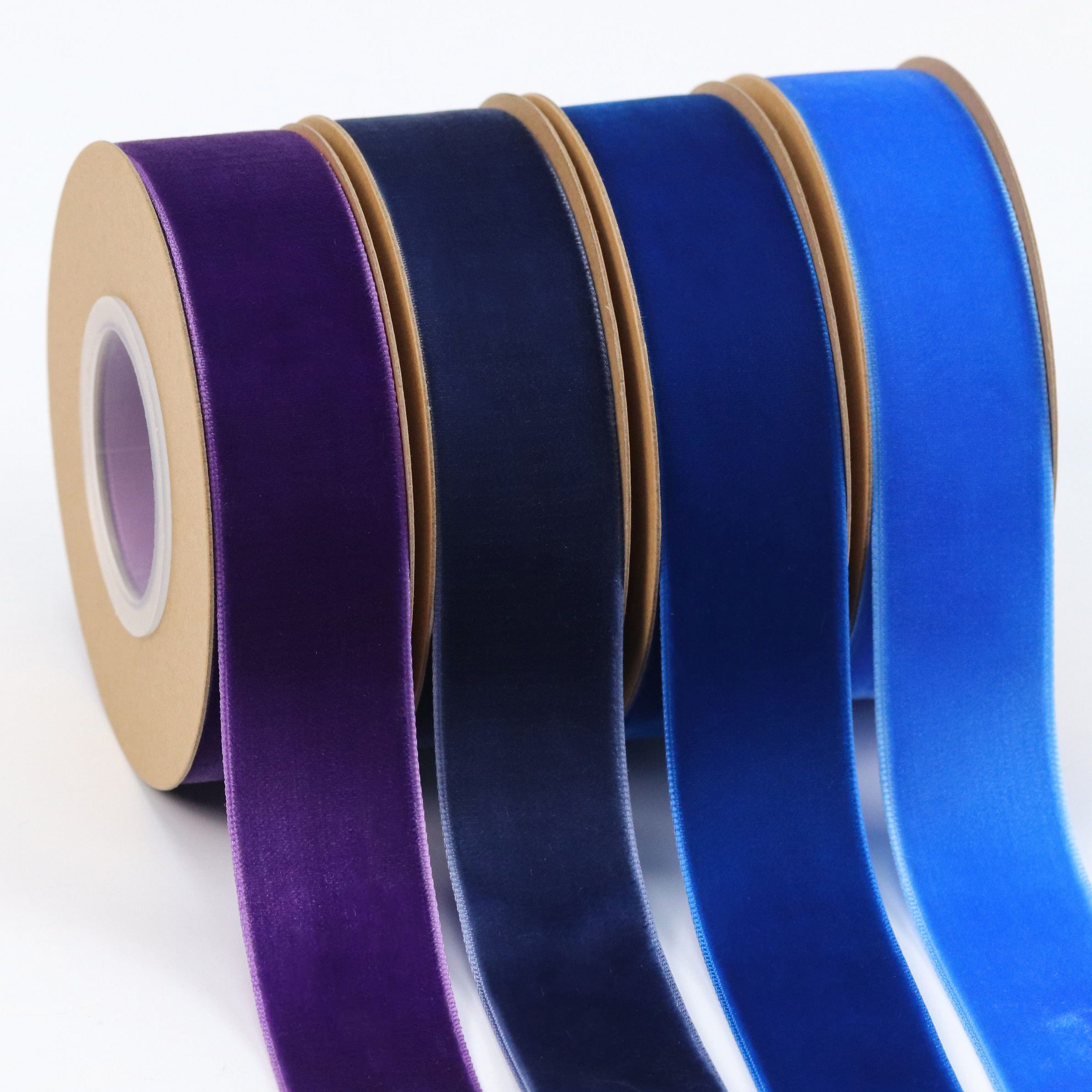
Build the Verification Checklist
Open at the relevant workflow checkpoint and state the output that must exist before the next stage. Before approving a custom velvet ribbon order, confirm each checkpoint below. This checklist serves as the decision gate for moving from specification to production.
- Pile Height & Finish Match – Verify that the specified pile height (e.g., the approved tolerance vs. the buyer-confirmed limit) and finish (matte, semi-gloss, high-gloss) match the intended use. A mismatch can alter hand feel and drape, increasing reorder risk.
- Cost & MOQ Alignment – Confirm that the chosen pile/finish combination fits within your budget and MOQ constraints. Deeper pile or specialty finishes often raise unit cost and minimums.
- Production Risk Assessment – Identify common issues: pile crushing during winding, finish unevenness on edges, or color variation across batches. Flag these in the quote request.
- Factory Execution Check – Request a pre-production sample with the exact pile and finish. Evaluate against a physical standard (e.g., a sealed reference card) to ensure factory capability.
- quote request & Sample Handoff – Document all verified specs in the quote request, including pile height tolerance (the buyer-approved tolerance) and finish gloss level (60° gloss meter reading). Attach the approved sample as the benchmark.
Use this checklist to avoid costly reorders. For OEM/ODM development support, see our OEM and ODM ribbon development.
Compare Quote and Production Assumptions
When pile height and finish are not locked before quoting, you risk paying for a sample that feels wrong or fails your end-use test. A supplier’s quote assumes a specific pile height (e.g., low, medium, high) and finish (e.g., cut, uncut, embossed). If those assumptions shift after order placement, you may face cost overruns or rework. To avoid this, treat each checkpoint below as a required gate before moving to production.
Supplier Proof Check
Ask the supplier to confirm the exact pile height and finish type in writing on the quote request. For example: “Confirm that the quoted price is based on a the approved tolerance cut pile with a matte finish.” If they cannot provide this, request a revised quote that ties the spec to the price.
Sample Approval Check
Before approving a sample, verify that the pile height and finish match the quote request note. Use a simple buyer verification question: “Does this sample’s pile height fall within the approved tolerance range specified in our quote request?” Document the answer and attach it to the sample approval record.
Reorder Control Check
For reorders, require the supplier to re-confirm the pile and finish specs from the last approved sample. If the supplier changes the finish without notice, you may receive a ribbon that looks different under retail lighting. Add a line to your purchase order: “Pile height and finish must match last approved sample dated [date]. Any deviation requires written buyer approval.”
| Checkpoint | Buyer Verification Question | Production Risk If Skipped |
|---|---|---|
| Supplier Proof Check | Does the quote specify pile height and finish? | Cost mismatch or wrong hand feel |
| Sample Approval Check | Does the sample match the RFQ spec? | Rework or rejected bulk order |
| Reorder Control Check | Are specs reconfirmed from last approval? | Inconsistent appearance across batches |
By enforcing these checks, you turn a vague quote into a binding spec that protects your custom order investment. For more on integrating these checks into your procurement workflow, see our guide on gift gift and retail packaging ribbon solutions solutions.
Run the Review Before Approval
For velvet ribbon pile, this section connects run the Review Before Approval with artwork files, material choice, finish proof, sample sign-off, and production repeatability.
Questions to send back to the supplier
- What is the confirmed pile height range for this order? Provide a written quote request note: intended use, required hand feel, and drape.
- Which finish type (e.g., cut, uncut, or blended) matches the submitted sample? Confirm with a physical or digital reference.
- What is the cost difference between the proposed pile height and finish versus the standard option? Request a line-item breakdown.
- What is the minimum order quantity for the selected pile and finish combination? Verify against your order volume.
- How will the factory test pile uniformity and finish consistency before shipment? Ask for a pre-production sample approval step.
When to revise, escalate, or reject
If the supplier cannot provide clear answers to the above questions, revise the specification with a written quote request note. Escalate when the pile height or finish deviates from the approved sample by more than a supplier-confirmed variance without prior agreement. Reject if the factory cannot commit to a pre-production sample review or if the cost impact exceeds your budget threshold without justification.
| Checkpoint | Requirement | Decision |
|---|---|---|
| Pile height confirmed | RFQ note with intended use | Approve if matches sample |
| Finish type matched | Physical or digital reference | Approve if consistent |
| Cost breakdown provided | Line-item for pile and finish | Approve if within budget |
| MOQ verified | Matches order volume | Approve or adjust order |
| Pre-production sample plan | Factory commits to review | Approve only with plan |
Use this decision matrix as an approval sequence, not as a supplier evaluation. Each row must be satisfied before moving to the next stage. For more on custom order workflows, see our Lude Ribbon factory.
Move from Review to RFQ or Sample
Before approving a custom velvet ribbon order, confirm each checkpoint below. This checklist serves as the decision gate between review and quote request or sample request.
Open with the proof, sample, measurement, or record that makes the decision verifiable. For example, a physical pile height gauge reading or a finish swatch card from the factory can confirm the agreed specification.
Inputs to include in the next message
- Confirmed pile height (e.g., low, medium, high) with a measurement record from the factory.
- Finish type (e.g., matte, semi-gloss, high-gloss) verified by a physical or digital swatch.
- Color standard (Pantone or lab dip reference) and acceptable tolerance range.
- Width and length per roll, with a signed-off dimension from the buyer.
- MOQ and unit price confirmed in writing, including any volume break discounts.
- Production lead time and shipping terms (e.g., EXW, FOB).
Ownership and sign-off for the next gate
The buyer’s procurement lead and the factory’s sales manager must both sign off on the above inputs before moving to quote request or sample. A single point of contact on each side ensures clear communication. Use a shared checklist or a simple approval email to document the handoff.
Below is a decision matrix for common custom velvet ribbon scenarios. Use it to identify the buyer follow-up based on your current status.
| Scenario | Required Inputs | buyer follow-up |
|---|---|---|
| Pile height not yet confirmed | Pile height gauge reading from factory | Request measurement record |
| Finish type unclear | Swatch card or digital photo | Request finish sample |
| Color tolerance undefined | Pantone reference and tolerance range | Confirm color standard |
| MOQ or price not agreed | Written quote with MOQ and unit price | Request formal RFQ |
Once all inputs are confirmed and signed off, proceed to quote request or sample request. This structured handoff reduces production risk and ensures factory execution matches buyer expectations.
Source check: ISO 2859-1 sampling inspection standard; How to Build & Use a Vendor Comparison Matrix; Velvet Ribbon Supplier for Wholesale and Custom Decorative Orde….
In conclusion
The sourcing choice between pile height and finish type directly affects your custom velvet ribbon’s hand feel, drape, and production cost. To move forward, compare the supplier’s stated pile tolerance against your application’s required density, verify the finish (cut, uncut, or devoré) matches your packaging or trim specification, and document the agreed standard on the purchase order. Shortlist only those factories that provide a signed production sample with measured pile height and finish reference before you approve the bulk run.
To request a quote for this order, use velvet ribbon to confirm the final specification, quote assumptions, sample approval, QC evidence, approval risk, and supplier follow-up before bulk order.
Velvet Ribbon Pile Finish Comparison FAQ
What should buyers confirm first?
for the current product and finish comparison for custom orders, turn the answer into a written quote request note: intended use, ribbon width, material, finish, packing method, and approval owner. Ask the supplier what sample proof or QC record will confirm the same result in production. A vague answer can turn into quote mismatch, sample delay, packing damage, or repeat-order drift.
Which proof should be retained for approval and reorders?
Retain a signed and dated production sample alongside the original specification sheet and any color or finish approval proofs. This physical sample serves as the master standard for both initial order acceptance and future reorders, ensuring that pile density, edge finish (heat-cut or sealed), and color consistency are matched exactly. Document the sample’s measurements and visual characteristics in your records, and request that the supplier keep a duplicate sealed sample for their quality control reference.
Which warning signs should stop the order?
Stop the order if the supplier cannot provide a clear pile height tolerance or finish specification in writing, or if the sample shows uneven pile, frayed edges, or color variation across the roll. Also halt if the quoted lead time exceeds your schedule without a documented reason, or if the supplier refuses to provide a pre-production sample for approval. Verify these risks by requesting a sample first and conducting a simple rub test for pile shedding; if any red flags appear, shortlist alternative suppliers before committing to an quote request.
quote request handoff: Send Specs for Review.
Keep exploring
Recommended buyer guides
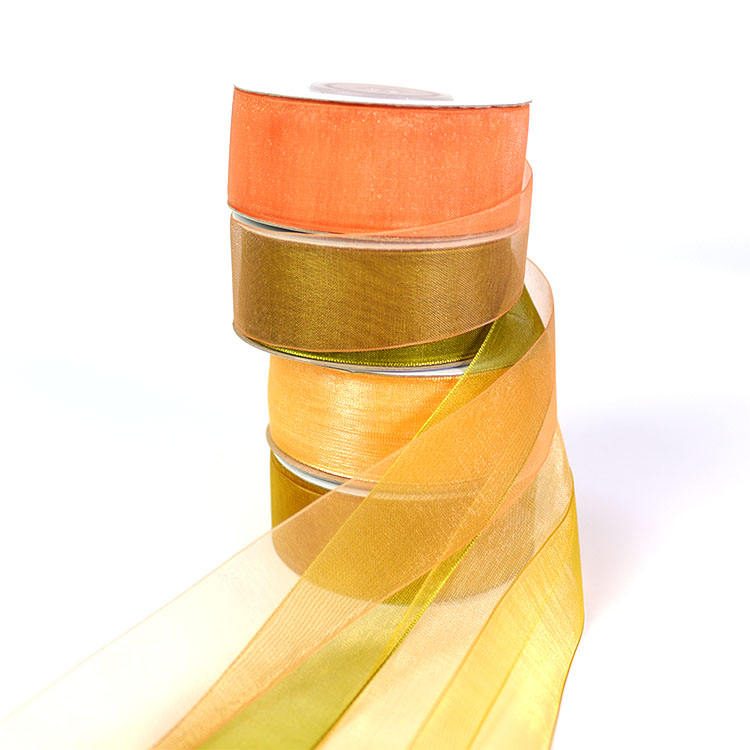 Organza Ribbon Width Guide: When 1/4 Inch Rolls Fit Packaging Orders
Organza Ribbon Width Guide: what to check on artwork files, print method, color target, and material before placing…
Explore guide
Organza Ribbon Width Guide: When 1/4 Inch Rolls Fit Packaging Orders
Organza Ribbon Width Guide: what to check on artwork files, print method, color target, and material before placing…
Explore guide
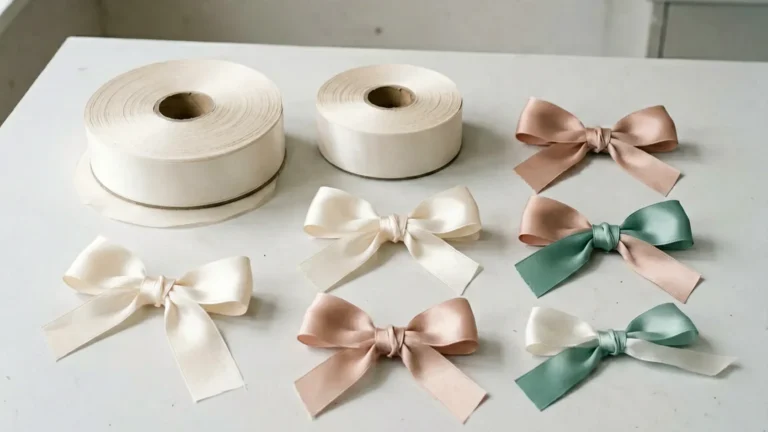 Pre Tied Bow Attachment Method Sample Approval Wholesale Buyer Guide
 — the checks that decide whether a quote,…
Explore guide
Pre Tied Bow Attachment Method Sample Approval Wholesale Buyer Guide
Pre Tied Bow Attachment Method Sample Approval Wholesale Buyer Guide — the checks that decide whether a quote,…
Explore guide
 Wholesale Heat Cut vs Ultrasonic Cut Ribbon Edge Approval Buyer
: what to confirm on sample approval, color tolerance,…
Explore guide
Wholesale Heat Cut vs Ultrasonic Cut Ribbon Edge Approval Buyer
Wholesale Heat Cut vs Ultrasonic Cut Ribbon Edge Approval Buyer: what to confirm on sample approval, color tolerance,…
Explore guide
 Satin Ribbon Width Guide: When 1/2 Inch Rolls Fit Packaging Orders
Where 1/2 inch satin fits in packaging programs, width comparison against adjacent sizes, specs to lock before quoting,…
Explore guide
Satin Ribbon Width Guide: When 1/2 Inch Rolls Fit Packaging Orders
Where 1/2 inch satin fits in packaging programs, width comparison against adjacent sizes, specs to lock before quoting,…
Explore guide
Leave a comment
Share a sourcing question or feedback on this guide. The Lude team reviews submissions before following up.