Perfume, cosmetics, or jewelry box
Pile direction decides which face shows and how the color reads; width and tie pressure are set after that, on a physical sample
Review before orderRibbon sample on the approved package plus close surface photos
Velvet / Surface Protection
Approve pile direction, surface condition, finished shape, artwork route, and protective packing as one program.
Product range
A perfume box tie, jewelry pouch closure, fashion hangtag loop, and distributor roll program expose velvet to different pressure and viewing angles. The wrong route can leave the pile facing inconsistently, create surface marks, flatten a bow, or make a logo difficult to read. Lude Ribbon can review the package, tie method, physical sample, or artwork and confirm which surface and packing decisions require a sample. Choose the nearest situation below, then send the real application and quantity instead of relying on a generic “luxury velvet” description.
Pile direction decides which face shows and how the color reads; width and tie pressure are set after that, on a physical sample
Velvet shows every fold mark: the bow shape and cut format are chosen to hide handling, and the pack-out is designed around the pile
Confirm touch point, loop direction, attachment, and abrasion exposure
Define colors, widths, winding, separators, labels, cartons, and reorder codes
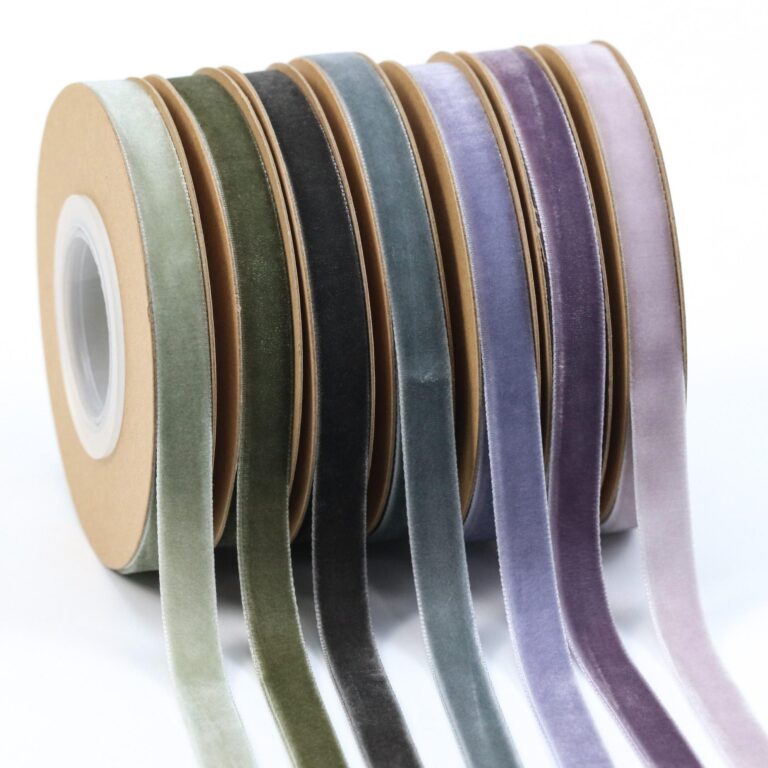
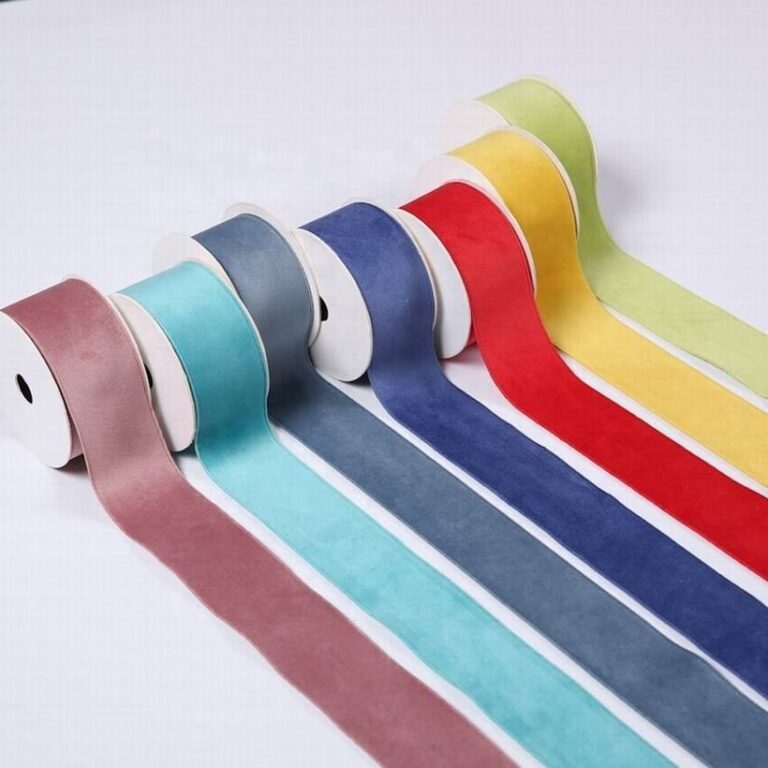
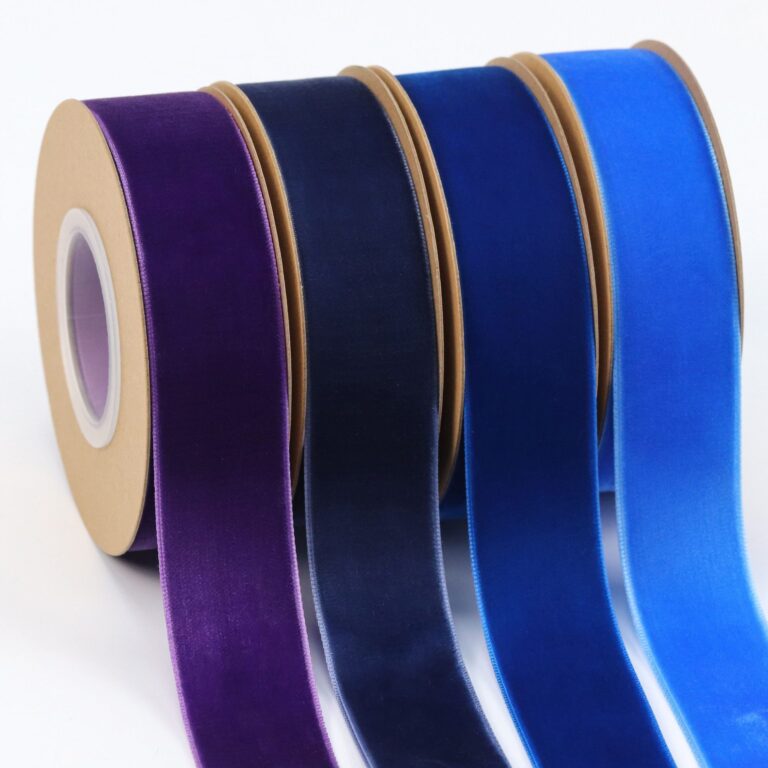
Product examples
Velvet changes with touch and light, so buyers should review it as a handled packaging component rather than a flat color strip. Brushing the pile in opposite directions can alter appearance; tight folds or winding pressure may leave marks; an artwork treatment that looks clear on a smooth ribbon may fail on a pile surface. These are rejection and rework risks if the package team approves only a screen image. Lude Ribbon can check the requested application and prepare a sample route, while any artwork outcome remains subject to the selected product and physical review.
Lens 1
Pile direction: mark the orientation and photograph how the surface reads from the customer-facing angle.
Lens 2
Handling: tie, wrap, or loop the sample as production will, then check for pressure marks or uneven surface appearance.
Lens 3
Artwork: review size, contrast, position, and feasibility on the actual velvet rather than assuming a smooth-ribbon result.
Lens 4
Packing: test winding, separators, inner packing, and carton pressure so the approved face is protected through shipment.
Custom options
“Velvet ribbon” does not define the surface the buyer expects. The RFQ should explain pile direction, touch and appearance reference, visible face, width, color target, tie or wrap method, and how packing must protect the ribbon. Missing input on pressure or winding can produce a good-looking loose sample that arrives marked or flattened after transport. The factory checks the submitted spec, confirms what is within the actual product route, and identifies whether a physical sample, artwork file, or packing trial is needed.
Application fit
Cosmetics and perfume buyers often judge velvet beside rigid boxes, pouches, and foil details; jewelry and gift teams care about touch, bow presentation, and protection; fashion programs may expose the ribbon to repeated handling; distributors need winding and labeling that preserves the surface. The wrong material or packing choice can cause marks, crushing, inconsistent pile direction, or a mismatch with the intended brand presentation. Ask the factory to review an application photo or physical reference and state which sample, photo, or packing proof can support approval.
send the package, lighting, tie method, pile direction, color target, artwork, and launch quantity.
send the box or pouch, finished bow or closure, handling points, and protective packing expectation.
send the attachment method, loop or trim orientation, touch points, quantity, and any product-specific document request.
send the SKU plan, widths and colors, winding request, separators, labels, cartons, and repeat-order code.
Proof before commitment
Lude Ribbon is a B2B ribbon and bow supplier in Xiamen, China. The business was founded in 2006 and operates from a 6,000-square-metre facility (including warehouse and office), with 100+ ribbon weaving machines, 10+ printing machines and 500+ employees, and monthly ribbon capacity of 3,000,000+ yards. These facts describe company scale, not velvet-specific allocation, surface tolerance, or shipment timing. A procurement buyer should ask for evidence connected to the exact program.
Relevant proof may include current close-up surface photos, the velvet sample on the intended package, artwork review, packing-pressure example, carton plan, and the agreed QC checkpoints. Skipping this order-linked review creates a surface-damage and mismatch risk that a general factory statement cannot resolve. Request current assets and verify certificate scope or test relevance before relying on them. Review the company and factory context and the quality-control route when those checks affect the sourcing decision.
Request a current close-up under consistent light to review pile direction and surface condition.
Judge the ribbon in the intended bow, tie, trim, or presentation, not flat on a desk.
Confirm the selected application method on the actual pile and width before claiming readability.
Velvet is wound with separators for a reason: carton pressure crushes pile. The inner pack and the handling note on the carton exist to stop that.
Buyer questions
Verify pile direction, visible surface, width, color reference, tie or fold, artwork feasibility, handling pressure, winding, protective packing, and the approval reference that will control production. Then provide quantity, destination, and target date for the quote.
Velvet presents a soft pile surface whose appearance changes with direction and handling; satin presents a smoother-looking face with reflected sheen. The buyer should place both materials on the actual package, judge touch and folds in context, and then inspect lighting, artwork, and packing before choosing a route.
Artwork feasibility must be checked on the selected velvet. A pile surface does not behave like smooth satin, so logo size, contrast, method direction, and position need physical review. Send the artwork file, ribbon width, color, application, quantity, and desired result before any outcome is confirmed.
Mark the direction on a physical sample, photo, or drawing and show how the ribbon will be tied, wrapped, or displayed. Review the customer-facing angle after handling. Keep that orientation note with the approved reference and packing instruction.
No. Plain stock ribbon starts from 1,500 yards per color and custom printed ribbon from 3,000 yards per design, but construction, width, color, artwork feasibility, packing protection, quantity split, and schedule can change the confirmed MOQ.
Standard production runs 15–20 business days. Timing depends on the open specification, artwork review, sample and packing approval, production route, quantity, packing, and schedule. Send the required arrival or launch date and destination early for a realistic confirmation.
For sample approval, the buyer should first judge pile direction, visible surface, and color relationship after representative handling. Width, tied or folded result, artwork feasibility, winding, separators, and carton protection should remain attached to the same approved sample, photos, file, or reference code.
Define winding pressure, separators, spool or roll format, inner packing, carton quantity, and how the ribbon should be protected from compression. Ask for a representative packing photo or sample and inspect the ribbon after unpacking, not only before it is packed.
State the destination market, product use, material, and exact document need. The team can then verify which current file, certificate scope, or test report is relevant to the proposed velvet program.
Keep the approved sample or reference, pile orientation, surface and color target, width, artwork version, winding, separators, labels, inner pack, and carton instruction together. Identify changes in writing and request a new sample or packing review when a controlled element changes.
Ready for review
Send the application, surface reference, pile direction, width, color target, artwork file, quantity by SKU, finished or roll format, protective packing, sample need, destination, target date, and previous approved reference if one exists. Lude Ribbon will review the inputs, identify what remains open, and define the next sample, packing, or quote step.
Width fit, pile direction and color sign-off, and the sample workflow before bulk.
A buyer's checklist for Velvet Ribbon Width Guide When 2 Inch Rolls Fit Packaging Orders — covering artwork files, print method, color target, and…
Read guide →A buyer's checklist for velvet ribbon pile direction color approval checklist — covering sample approval, color tolerance, and QC checks from first sample
Read guide →Velvet Ribbon Sample Approval Workflow Before Bulk Production Buyer: what to confirm on sample approval, color tolerance, and QC checks before you sample
Read guide →Request a Quote
Share your key requirements and we will reply within 24 hours.
Before You Go
Leave your email and phone. We will send tailored pricing options.