


Velvet Ribbon Sample Approval Workflow Before Bulk Production Buyer
Velvet Ribbon Sample Approval Workflow Before Bulk Production Buyer: what to confirm on sample approval, color tolerance, and QC checks before you sample
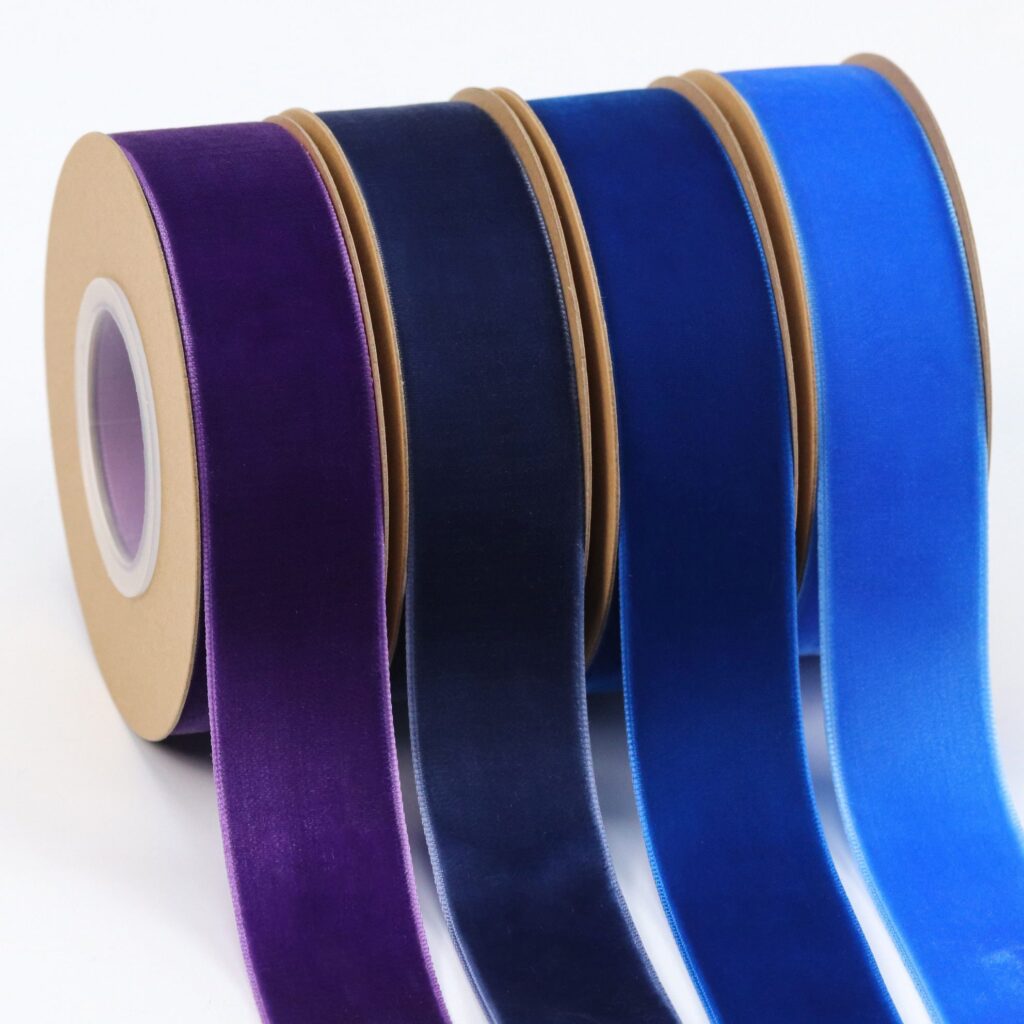
The sourcing record for velvet ribbon workflow before bulk production is incomplete until it covers samples, materials, print, tolerances, certifications, and bulk-production risk.
Velvet approval needs a crush-and-recovery step, because the sample in your hand has already been through transit.
Direct answer: For velvet ribbon workflow before bulk production, buyers should verify samples, materials, print, tolerances, certifications, and bulk-production risk.
Define the Buyer Decision for Velvet Ribbon Sample Approval Workflow
- Compare sample pile height and hand feel against the approved velvet ribbon standard. Pile height variation changes the ribbon's drape, closure fit, and color reflection, which can make the final garment or packaging look off-spec. Use a calibrated pile-height gauge and hand-compare the sample against the sealed reference swatch under the same light. Bulk rolls with inconsistent pile height will be rejected at final inspection, causing production delays and return shipping costs. Document the measured pile height and hand-feel grade on the sample approval form before signing off.
- Verify that the dye lot and color fastness match the approved lab dip across the full ribbon width. Velvet ribbon absorbs dye differently at the edges versus the center; a mismatch becomes visible in sewn trims or tied bows. Run a wet-crock and light-fastness test on a full-width sample, then compare the color against the lab dip standard under buyer-approved viewing conditions. Bulk ribbon with edge-to-center shading or poor fastness will bleed onto adjacent fabric, triggering a full lot rejection. Request the supplier's dye-lot record and fastness test report, then attach both to the approval record.
- Confirm that the sample's roll length, join count, and packing method match the agreed MOQ and order schedule. Hidden joins or shorter rolls disrupt your production run length and create unplanned downtime for roll changes. Measure the sample roll length, count any joins, and inspect the core size and packing material against the RFQ confirmation. Bulk rolls with excessive joins or incorrect packing will cause line stoppages and may not fit your automated unwinding equipment. Write the maximum allowed joins per roll and the exact packing specification into the purchase order terms.
Confirm Product and Order Scope
For velvet ribbon workflow, use a release rule: approve only when the supplier evidence matches the written requirement.
- Velvet ribbon sample matches specified width, pile height, and dye lot. Sample specification sheet with measured width, pile height, and dye lot number. Supplier quality or sample room team. Bulk ribbon may differ in shade or hand feel, causing trim rejection. Measure and compare against your spec sheet; approve in writing.
- Sample is produced on the same production line as bulk order. Production line declaration or run number from the sample tag. Factory production manager. Sample from a different line can hide tension or finish issues in bulk. Request line ID on sample tag and confirm with factory before sign-off.
- Supplier has capacity to hold bulk production schedule after sample approval. Production slot reservation confirmation or capacity plan. Supplier sales or production planner. Approved sample may sit idle if factory is overbooked, delaying your launch. Confirm slot reservation in writing before releasing sample approval.
- Bulk velvet ribbon will be cut from the same dyed batch as approved sample. Batch continuity statement or dye lot allocation record. Supplier dye house or QC lead. Different dye lots cause visible color variation across your order. Require batch lock on the purchase order and request lot photos at cutting.
Material and specification fit
Start by comparing the velvet ribbon sample against your written spec. Measure width and pile height with a caliper and ruler. Hold the sample under the same light you will use for production inspection. Any deviation now will multiply across thousands of yards. A signed spec sheet from the supplier locks the standard for bulk.
MOQ, cost structure, and lead time
Confirm the MOQ for your velvet ribbon program by material, width, and packing method. Ask for a cost breakdown per yard and any setup or color-matching fees. Lead time starts after spec confirmation and sample approval. Get these numbers in writing before you commit to the order schedule.
Supplier reliability and quality checks
Ask the supplier for a recent production record or third-party audit summary. Check if they hold OEKO-TEX or other relevant certifications. A factory that documents its quality checks is more likely to deliver consistent velvet ribbon. Request contact references from other buyers who ordered similar trims.
Build the Verification Checklist
- Supplier cannot produce velvet ribbon with consistent pile height across sample and bulk: Uneven pile height creates visible shading and reject-grade ribbon, causing order rework or cancellation Request a pile-height gauge reading on the sample and a written commitment to the same tolerance in bulk Signed spec sheet with pile-height tolerance and a photo of the gauge measurement on the approved sample Add pile-height tolerance to the approval record and require a first-roll check before bulk cutting
- Supplier has no documented dye-lot tracking for velvet ribbon colors: Unmatched dye lots produce visible color bands in multi-roll orders, forcing reorder delays and cost overruns Ask for the dye-lot numbering system and a sample of two consecutive lots side by side under daylight Dye-lot log from the last three production runs and a photo of lot-to-lot color comparison Require dye-lot continuity in the bulk order confirmation and hold a pre-production sample from each lot
- Supplier cannot show a recent velvet ribbon production record for OEM and ODM ribbon development: Lack of production history means the supplier may not have the looms or finishing line to hold pile density at scale Request a production record showing ribbon width, pile density, and yield from the last velvet order Factory production log or packing list from a velvet ribbon order within the past six months Verify the production record against the sample spec and schedule a factory visit or video walk-through of the velvet line
- Supplier cannot provide a written approval gate between sample sign-off and bulk production start: Without a formal gate, the factory may start bulk cutting before the buyer confirms the sample, risking full-run rejection Define a written release rule: approve only when the supplier confirms the sample matches the spec and bulk materials are quarantined Signed approval gate document with date, sample ID, and confirmation that bulk material lot matches the approved sample Insert the approval gate into the order confirmation and require a photo of the quarantine area before bulk production begins
Compare Quote and Production Assumptions
The main failure mode for velvet ribbon workflow is approval before the supplier has resolved the listed evidence gaps.
- Does the supplier's quote list the velvet ribbon width, dye lot, and finish tolerance? A quote missing these parameters allows the supplier to shift material grade or construction before bulk, causing sample-to-production drift. The quote includes a line for each spec with a measurable tolerance (e.g., the buyer-approved tolerance width, ±1 shade on Pantone). Without locked specs, the bulk run may use a lower-cost velvet weave or a different dye method, failing your packaging quality check. Compare the quote spec table against your approved sample record; flag any missing field to the supplier before PO.
- What is the supplier's process for approving the production strike-off against the sealed velvet ribbon sample? A defined approval gate prevents the factory from cutting bulk yardage before you sign off on color, hand feel, and nap direction. The supplier provides a written step: they send a strike-off, you approve in writing, then bulk production starts. Without a formal strike-off approval, the supplier may interpret sample sign-off as blanket approval, leading to rejected gift and retail packaging ribbon solutions. Add a strike-off approval clause to the PO; require a photo and physical swatch before bulk release.
- Does the supplier have a documented method to verify velvet ribbon nap consistency across dye lots? Velvet nap direction and pile height vary between production runs; an unverified change creates visible shading in finished packaging. The supplier uses a light box and angle gauge to compare nap direction against the approved sample, with a pass/fail record. Inconsistent nap causes rejected finished goods, rework costs, and delayed delivery for your packaging line. Request the supplier's nap-check SOP and a recent test report for your velvet ribbon reference.
- How does the supplier handle cost changes if the approved sample requires a different velvet ribbon width or finish? Sample approval often reveals a spec change that alters material yield or production steps; unquoted changes inflate the final invoice. The supplier provides a cost-adjustment table linking width, finish, and dye method to unit price before bulk. A last-minute price increase after sample approval erodes your margin and may force a rushed renegotiation. Ask for a written cost-impact matrix for the three most likely spec changes before you issue the PO.
Run the Review Before Approval
At this checkpoint, the buyer must confirm that the velvet ribbon sample matches the RFQ-confirmed requirement before moving to bulk production. The output required is a documented approval decision based on verified evidence.
Questions to send back to the supplier
- Does the sample width match the specification agreed in the quote request? Measure and confirm.
- Is the color within the tolerance range defined in the buyer’s verification checklist?
- What is the confirmed tensile strength from the supplier’s test report? Compare to the buyer’s minimum threshold.
- Does the sample pass the buyer’s abrasion test for edge fraying?
When to revise, escalate, or reject
If the sample fails any of the above checks, the buyer should request a revised sample with documented corrections. Escalate to the supplier’s quality manager if the same issue appears in two consecutive rounds. Reject the sample if the failure affects production risk, such as inconsistent dyeing or structural weakness.
| Checkpoint | Buyer Verification Question | Decision |
|---|---|---|
| Width | Does the sample width match the RFQ specification? | Approve if yes; revise if no |
| Color | Is the color within the agreed tolerance? | Approve if yes; escalate if borderline |
| Tensile strength | Does the test report meet the buyer’s minimum? | Approve if yes; reject if below |
| Abrasion resistance | Does the sample pass the edge fray test? | Approve if yes; revise if no |
After approval, the buyer should archive the signed-off sample and test report as the reference for bulk production. This ensures consistent execution and reduces rework risk.
Move from Review to RFQ or Sample
When a velvet ribbon sample fails to match the agreed width, pile direction, or color fastness, the buyer faces a concrete failure mode: approving a non-conforming sample triggers rework, delays, and cost overruns. The control that prevents this is a mandatory sign-off gate that requires the supplier to submit evidence of correction before moving to quote request or sample.
Inputs to include in the next message
- Corrected measurement report (width, pile height, density) with batch traceability
- Updated color fastness test results (wash, light, crocking) per AATCC or ISO standard
- Revised production risk assessment covering dye lot consistency and edge fraying
- Factory execution timeline showing corrective actions and re-inspection date
Ownership and sign-off for the next gate
The quality engineer or sourcing manager must verify that the supplier’s evidence matches the written requirement. Only after documented sign-off can the buyer issue an quote request for bulk or request a revised sample. This prevents premature commitment and ensures cost, MOQ, and lead time align with the approved specification.
Before sending the next message, confirm that the supplier has resolved all listed evidence gaps. Use the table below to track readiness.
| Checkpoint | Supplier Evidence Required | Buyer Sign-Off |
|---|---|---|
| Width & pile direction | Measurement report with photos | Quality engineer |
| Color fastness | Test certificate from accredited lab | Sourcing manager |
| Production risk | Corrective action plan | Factory auditor |
| Execution timeline | Updated schedule with re-inspection date | Project lead |
Once all checkpoints are cleared, the buyer can confidently move to quote request or sample, knowing the supplier has demonstrated capability to meet the specification.
In conclusion
The sourcing choice for velvet ribbon bulk production ultimately rests on a disciplined sample approval workflow that verifies every specification—from dye penetration and pile density to width and colorfastness—before any quote request is issued. By comparing the sealed reference sample against the supplier’s pre-production submission, documenting the test report, and confirming that the MOQ, lead time, and cost align with the order schedule, buyers avoid a common failure mode: approving a sample that cannot be replicated at scale.
This workflow also protects against supplier risk by requiring a signed-off quality gate that stops the order if uneven dye, loose pile, or width deviation appears. Once the sample passes, the buyer can confidently hand off the approved spec and test report to production, knowing that the velvet ribbon will match the agreed standard across the entire bulk run.
Velvet Ribbon Sample Approval Workflow FAQ
What should buyers confirm first?
Buyers should first confirm that the velvet ribbon sample matches the agreed specification for width, pile direction, color fastness, and edge finish. Check the supplier’s QC report against your own measurement and a lightbox color comparison, then verify that the sample cost and any minimum order adjustments are documented in the quote request before moving to bulk. Approving the wrong structure or supplier proof can create quality, cost, or delivery problems.
Which proof should be retained for approval and reorders?
Retain a sealed reference sample and the signed-off test report that includes color tolerance, shrinkage data, and pile retention results. This proof must be archived with the supplier’s batch number and your approval date so that reorders can be matched against the same physical and documented standard. Approving the wrong structure or supplier proof can create quality, cost, or delivery problems.
Which warning signs should stop the order?
Stop the order if the sample shows uneven dye penetration, loose pile, or a width variance beyond your tolerance, especially if the supplier cannot explain the cause in writing. Also halt if the supplier refuses to provide a QC report or cannot commit to a lead time that includes a second sample round, as this signals production risk that will likely repeat in bulk. Ask for a sample, specification confirmation, or QC evidence before approval.
quote request handoff: Send Specs for Review.
Keep exploring
Recommended buyer guides
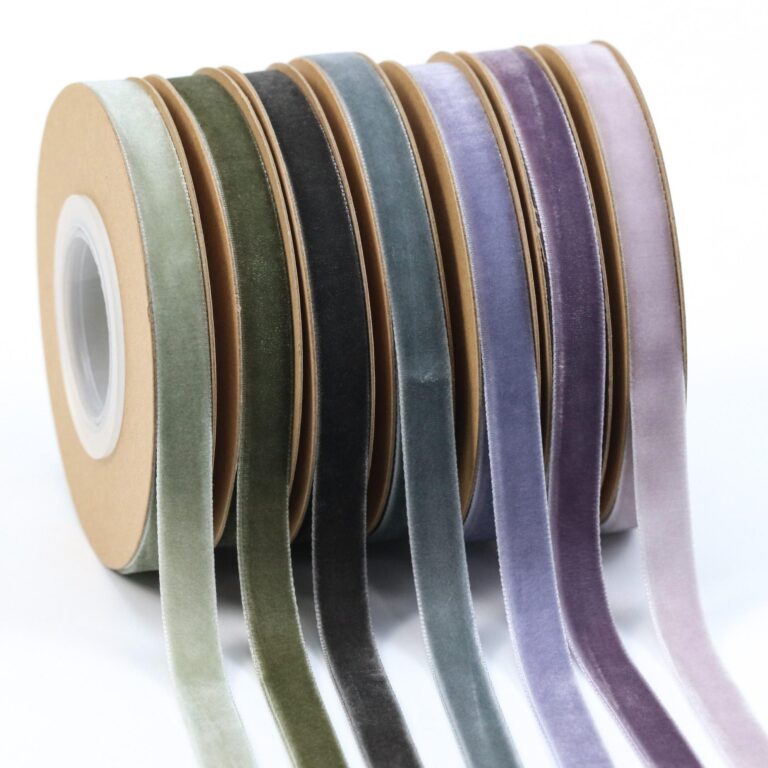 Wholesale Narrow Velvet Ribbon: Specs, Roll Length, and RFQ Checks
Check velvet pile direction, edge finish, cutting, tying, shade, and packout evidence before approving narrow velvet ribbon production.
Explore guide
Wholesale Narrow Velvet Ribbon: Specs, Roll Length, and RFQ Checks
Check velvet pile direction, edge finish, cutting, tying, shade, and packout evidence before approving narrow velvet ribbon production.
Explore guide
 Wholesale Satin Ribbon Sample Approval Workflow: Buyer Checklist
Wholesale Satin Ribbon Sample Approval Workflow — the checks that decide whether a quote, sample, or shipment can…
Explore guide
Wholesale Satin Ribbon Sample Approval Workflow: Buyer Checklist
Wholesale Satin Ribbon Sample Approval Workflow — the checks that decide whether a quote, sample, or shipment can…
Explore guide
 Organza Ribbon Sample Approval Workflow Before Bulk Production Buyer
 — the checks that decide whether a quote, sample,…
Explore guide
Organza Ribbon Sample Approval Workflow Before Bulk Production Buyer
Organza Ribbon Sample Approval Workflow Before Bulk Production Buyer — the checks that decide whether a quote, sample,…
Explore guide
 B2B Foil Ribbon Order Risk: Proof, Registration, Release
Buying foil printed ribbon: order risk control checklist? Verify artwork files, print method, color target, and sample approval…
Explore guide
B2B Foil Ribbon Order Risk: Proof, Registration, Release
Buying foil printed ribbon: order risk control checklist? Verify artwork files, print method, color target, and sample approval…
Explore guide
Leave a comment
Share a sourcing question or feedback on this guide. The Lude team reviews submissions before following up.