


Wholesale Narrow Velvet Ribbon: Specs, Roll Length, and RFQ Checks
Check velvet pile direction, edge finish, cutting, tying, shade, and packout evidence before approving narrow velvet ribbon production.
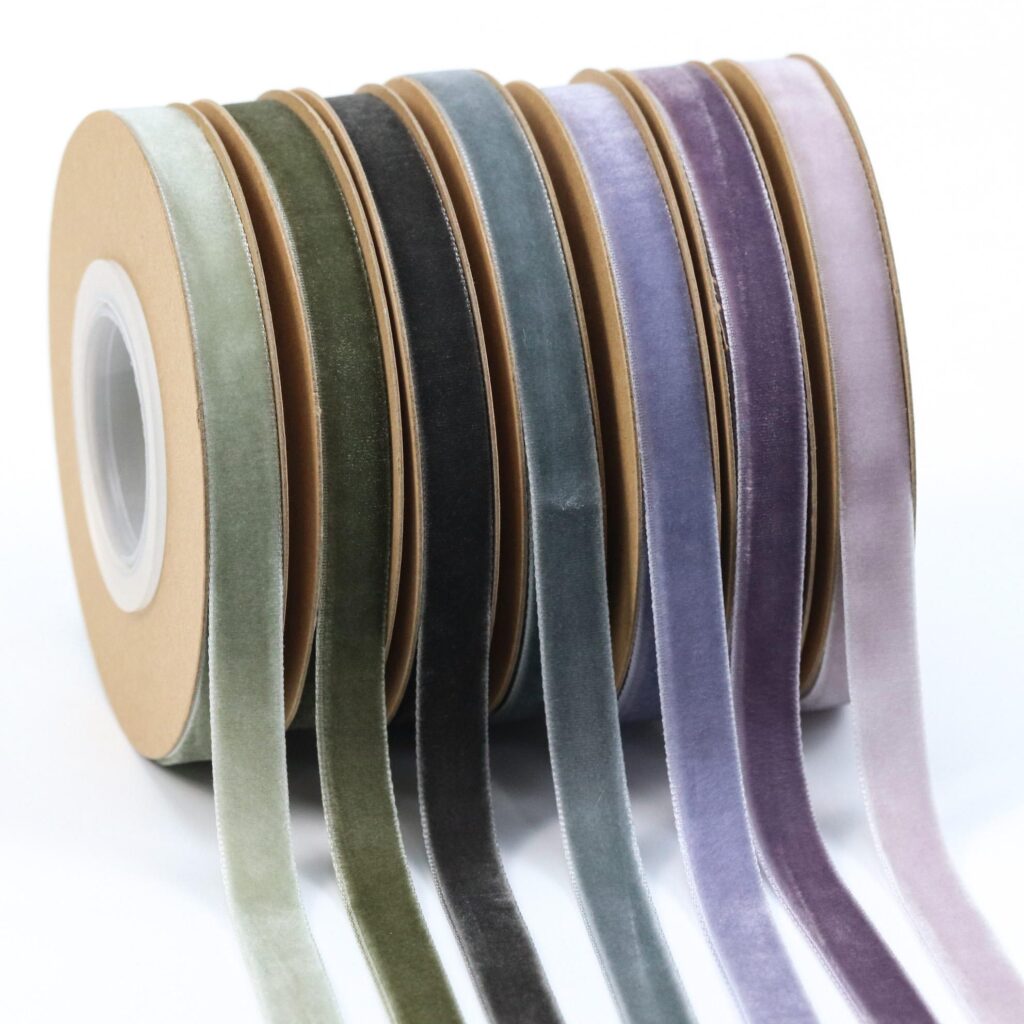
The counterintuitive risk with narrow velvet ribbon is that an approved color swatch can still fail on the package. Pile direction, cut edge, forming pressure, winding, and carton contact can change the visible result after approval.
Use the PILE–EDGE–FORM–PACK–REORDER framework: mark the raised surface direction, approve usable width and edge, test the actual tie or wrap, reopen the packout, and carry the same evidence into repeat orders.
This guide is for packaging buyers preparing an RFQ or sample approval. It covers handling, conversion, packing, and change control; it does not set a universal width tolerance, color limit, MOQ, price, or lead time.
Handling risks to verify before a narrow velvet ribbon order
Approve narrow velvet ribbon as a handled and packed component, not as a flat swatch. Here, pile direction means the direction in which the raised surface fibres lie; reversing it can change reflected light even when the dye lot is unchanged. AATCC EP9-2025 standardizes visual comparison of textile specimens with a standard, but it does not set a product-specific ribbon tolerance. The buyer therefore has to freeze specimen orientation and viewing conditions before judging shade.
Best-fit buyer scenarios
Narrow velvet is a strong route for compact gift boxes, cosmetic packs, jewelry cases, invitations, bottle necks, and detailed bows where texture matters more than broad coverage. Test the actual tie, wrap, or attachment, then reopen the packed sample and compare the visible area with the marked reference.
| Checkpoint | Failure risk | Verification | Release standard | Buyer follow-up |
|---|---|---|---|---|
| PILE | Adjacent pieces appear mismatched when the surface runs in opposite directions | Align, brush, and view specimens against the same standard | Direction mark and viewing condition recorded | Approve one marked reference |
| EDGE + FORM | Curl, fray, exposed base, or a weak knot appears after conversion | Cut and form the specimen with the intended production method | Accepted edge and formed sample documented | Add the edge and application photos |
| PACK | Pressure marks, shine, lateral slip, or crushed edges appear after transport handling | Reopen a packed roll or formed-piece carton and compare it with the reference | Visible application area remains within the buyer-approved limit | Approve winding and inner protection together |
Cases where another ribbon option is safer
Satin or grosgrain is usually the safer comparison sample when the job requires frequent abrasion, easy wipe-down, crisp fine printing, or a firmer narrow tie. Velvet is also a poor route when operators cannot keep pile orientation consistent. Ask the factory to state the MOQ and cost effect of each approved route. Use the velvet ribbon product path only after the handling proof is accepted.
Pile direction, edge finish, and shade controls
Velvet appearance depends on pile orientation, edge exposure, viewing conditions, and moisture history. A color name or nominal width cannot control those variables; the approval record must define what is measured, how the specimen is conditioned, and how it is presented beside the final package.
Material, width, color, finish, and packing
| Specification | Buyer definition | Quality risk | Verification | Buyer follow-up |
|---|---|---|---|---|
| Base and pile construction | Approved hand, surface density, and pile direction | Surface appears thin, streaked, or directionally mismatched | Inspect a finished roll against the marked physical reference | Approve construction and direction mark together |
| Usable width and edge | Measurement position, edge inclusion, and buyer-approved tolerance | Curl, fray, or exposed backing changes tying and presentation | Measure the roll at agreed positions, then test the planned cut | Record method, result, and edge photo |
| Shade, winding, and protection | Aligned shade reference plus approved core, winding direction, interleaf, end protection, and carton orientation | Directional reflection, pile crush, pressure shine, telescoping, or edge damage changes the received appearance | Inspect beside the package, then handle and reopen the packed sample | Keep the direction note and accepted packout photo with the order |
ASTM’s official textile-width method distinguishes fabric width from usable width and covers full rolls and short specimens. Use that measurement logic to define the ribbon method; the standard does not supply the buyer’s product tolerance. ASTM’s official textile-conditioning practice applies when a test method requires conditioning and notes that prior high or low humidity can affect moisture-pickup equilibrium. Record the agreed conditioning state rather than treating an uncontrolled sample-room reading as universally comparable.
Printing, sample, and reorder requirements
Printing on a narrow velvet surface needs an artwork file, visible-area check, pile-direction mark, and finished sample because the textured surface can change edge definition and apparent color. Keep the approved artwork revision, roll label, physical reference, viewing note, and packing photo in the REORDER file.
Ask for MOQ, lead time, and price only after the control record is frozen. If artwork is involved, review custom printed ribbon and require the supplier to explain the proof route before production.
RFQ checkpoint
Check the product route for sizes, structures, materials, finishes, and RFQ details before sampling narrow velvet ribbon.
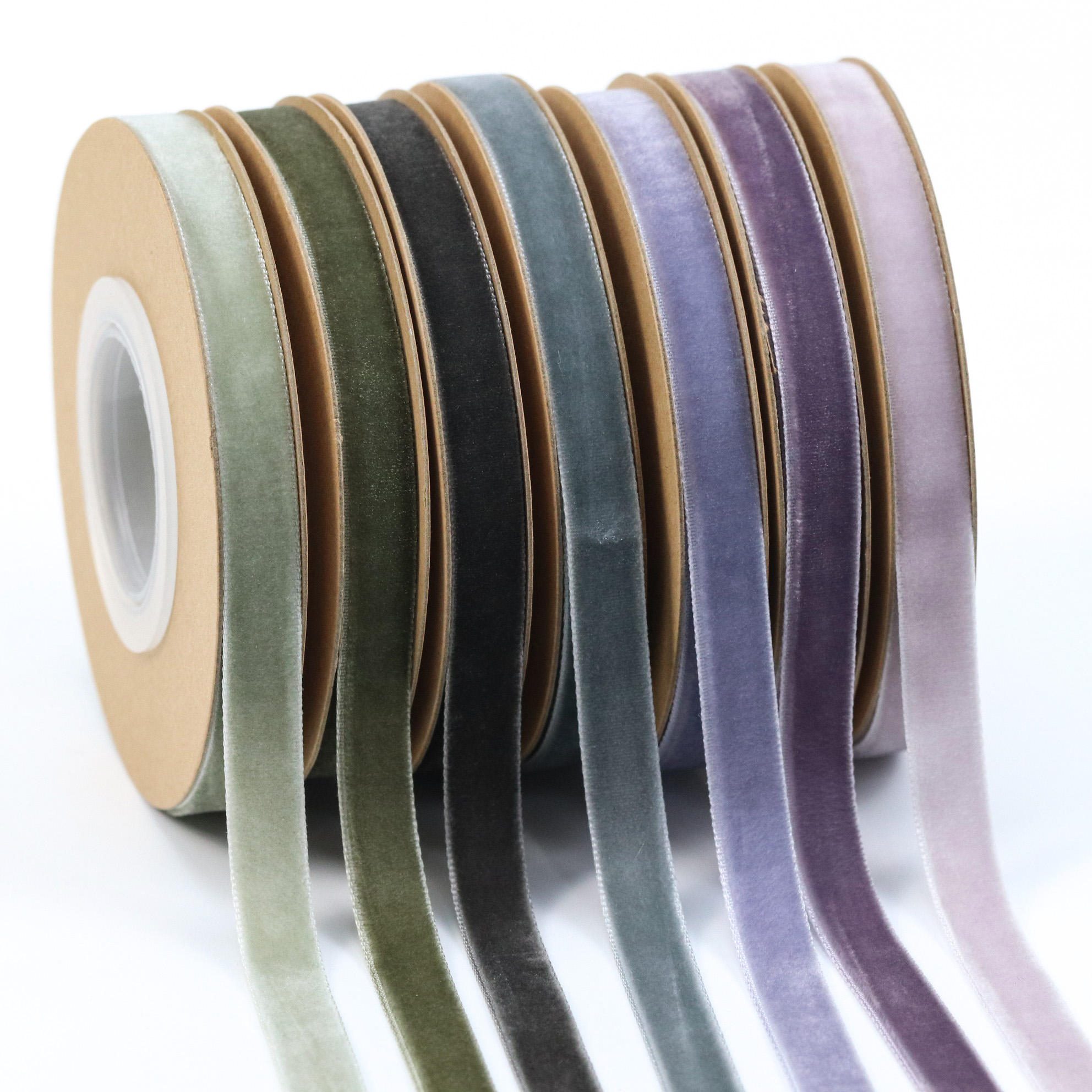
Cutting, tying, and packout decision table
The commercial route changes when the factory supplies untouched rolls, prepared cut lengths, tied pieces, or protected presentation packs. FORM and PACK must be approved for the route that will actually ship; a roll trial cannot stand in for a formed-piece packout. Compare who performs conversion, which sample proves the result, and where the schedule becomes fixed.
How to compare options
| Route | Buyer fit | MOQ and timing question | Risk and verification | Release record |
|---|---|---|---|---|
| Roll supply | Buyer controls cutting and tying on its own line | Confirm minimum by color and commitment after roll approval | Run a cut-and-tie trial; reopen the packed roll and check usable output | Winding, direction label, core, and protected roll |
| Cut lengths | Buyer removes measuring and cutting from the line | Ask how conversion changes program minimum and sample date | Measure pieces; inspect cut edges and pile orientation after handling | Length method, edge image, count, divider, and carton label |
| Tied or formed pieces | Buyer needs presentation-ready components | Confirm minimum per style and assembly-to-dispatch milestones | Apply the specimen, handle the inner pack, then inspect shape and pressure marks | Form, attachment, orientation, protection, and reopened-carton image |
What changes MOQ, cost, and lead time
Variant count, custom color, cutting, tying, inspection, dividers, inner protection, and pack count can change MOQ, cost, and timing. Ask the supplier to return each effect separately and identify whether any conversion or packout step is subcontracted.
Use OEM and ODM ribbon development when the conversion route is new. Release only after a dated sample and packout trial show who owns each handoff.
Common handling and approval failures
The strongest supplier is not the one that promises perfect velvet; it is the one that can show how the sample standard moves into production, inspection, packing, and reorders. Use red flags as stop conditions with named evidence and an accountable owner.
Choosing by unit price only
A low figure can hide weak winding, inconsistent pile orientation, damaged usable output, or extra operator work after unpacking.
- Red flag: the supplier will not provide a finished roll or packed sample. Check: request both before shortlisting. Action: pause the offer until handling proof exists.
- Red flag: shade approval has no pile-direction mark or viewing condition. Check: compare aligned samples beside the package. Action: reject an ambiguous color sign-off.
- Red flag: no production or QC owner can explain the approved reference. Check: ask for the handoff record. Action: keep the program in sample stage.
Skipping sample or quality checks
A sample approval is incomplete unless it names the reference, method, result, revision, and approver. If pile, edge, shade, winding, or packing changes later, require a deviation record and replacement sample before production continues.
- Change request: identify what changes and why.
- Impact review: repeat the affected appearance, handling, and packout checks.
- Release owner: record who accepts or rejects the revised sample.
- Reorder control: place the accepted change beside the original approval history.
Use gift and retail packaging ribbon solutions to test the supplier’s evidence on the final application rather than in isolation.
Sample and RFQ evidence to request
A quote is comparable only when every bidder returns the same PILE–EDGE–FORM–PACK–REORDER evidence. Separate development, conversion, inspection, packing, and transport assumptions so a lower unit figure cannot hide a different physical route.
Quote-ready inputs to prepare
- Application and approved look: send the package image, physical standard, pile arrow, viewing condition, and visible area. Risk if missing: suppliers may build different appearance targets.
- Program split: show planned totals by color, width, construction, and lot so dyeing and machine-change drivers are visible. Risk if missing: offers may use incompatible run assumptions.
- Conversion scope: state rolls, cut lengths, ties, bows, print, or other preparation; identify any subcontracted step. Risk if missing: ownership, sample timing, and later charges remain ambiguous.
- Packing and evidence: define core, winding direction, interleaf or divider, edge protection, pack count, labels, carton orientation, and reopened-pack record. Risk if missing: pressure damage or packing labor stays outside the comparison.
Approval checks before production
Require a marked material specimen, formed application sample when relevant, packed-roll or formed-piece sample, and one QC record showing the specimen ID, condition, method, result, revision, and approver. Reopen only the affected checks when material, edge, dye, artwork, core, winding, conversion owner, or packout changes.
This framework organizes buyer approval; it is not a published performance test and does not create a universal tolerance. The buyer and supplier must agree product-specific limits against the actual application and packout.
Obtain MOQ and lead time only after the evidence scope is frozen. Use the ribbon resources hub to organize the returnable RFQ pack, then shortlist suppliers whose written evidence matches the approved route.
In conclusion
Narrow velvet ribbon is ready for sourcing only when all five records in the PILE–EDGE–FORM–PACK–REORDER framework agree. That closes the gap between a visually acceptable swatch and the converted, packed component the buyer will actually receive.
Use the velvet ribbon product page as the matching commercial route because it connects this handling record to the available construction and customization discussion. Request proof of supplier capability for pile alignment, conversion, inspection, packing, and change control, plus the marked sample, QC method, reopened packout, approval owners, product-specific limits, and price assumptions before bulk release. The risk of skipping this step is approving a quote that does not match the tested physical route. Once that evidence file is complete, submit the same revision through the request a quote page.
Narrow velvet ribbon FAQ
What should buyers confirm before ordering narrow velvet ribbon?
Confirm PILE direction and viewing conditions, EDGE and usable-width method, the real FORM, PACK protection, and the REORDER change rule. A color swatch alone does not approve the converted and packed result.
How should buyers compare MOQ, lead time, and quote terms?
Give every bidder the same variant split, conversion scope, and packout record. Then compare MOQ by variant, dated sample and production milestones, and separate assumptions for development, conversion, inspection, packing, and transport.
What sample, quality, or supplier checks reduce risk?
Request a marked material specimen, finished roll, formed application sample when relevant, and reopened packout. Record pile direction, usable width, edge, shade, winding, protection, result, approver, and which changes trigger reapproval on repeat orders.
RFQ handoff: Confirm the route, specs, proof requirements, and quote step before sampling narrow velvet ribbon. Send Specs for Review.
Keep exploring
Recommended buyer guides
 Wholesale Satin Ribbon Sample Approval Workflow: Buyer Checklist
Wholesale Satin Ribbon Sample Approval Workflow — the checks that decide whether a quote, sample, or shipment can…
Explore guide
Wholesale Satin Ribbon Sample Approval Workflow: Buyer Checklist
Wholesale Satin Ribbon Sample Approval Workflow — the checks that decide whether a quote, sample, or shipment can…
Explore guide
 Organza Ribbon Sample Approval Workflow Before Bulk Production Buyer
 — the checks that decide whether a quote, sample,…
Explore guide
Organza Ribbon Sample Approval Workflow Before Bulk Production Buyer
Organza Ribbon Sample Approval Workflow Before Bulk Production Buyer — the checks that decide whether a quote, sample,…
Explore guide
 B2B Foil Ribbon Order Risk: Proof, Registration, Release
Buying foil printed ribbon: order risk control checklist? Verify artwork files, print method, color target, and sample approval…
Explore guide
Organza Ribbon Width Tolerance Checklist for Bulk Orders Buyer Guide
Which organza ribbon suppliers deserve an RFQ? Compare sample approval, color tolerance, and QC checks
Explore guide
B2B Foil Ribbon Order Risk: Proof, Registration, Release
Buying foil printed ribbon: order risk control checklist? Verify artwork files, print method, color target, and sample approval…
Explore guide
Organza Ribbon Width Tolerance Checklist for Bulk Orders Buyer Guide
Which organza ribbon suppliers deserve an RFQ? Compare sample approval, color tolerance, and QC checks
Explore guide
Leave a comment
Share a sourcing question or feedback on this guide. The Lude team reviews submissions before following up.