


Wholesale Satin Ribbon Sample Approval Workflow: Buyer Checklist
Wholesale Satin Ribbon Sample Approval Workflow — the checks that decide whether a quote, sample, or shipment can be approved
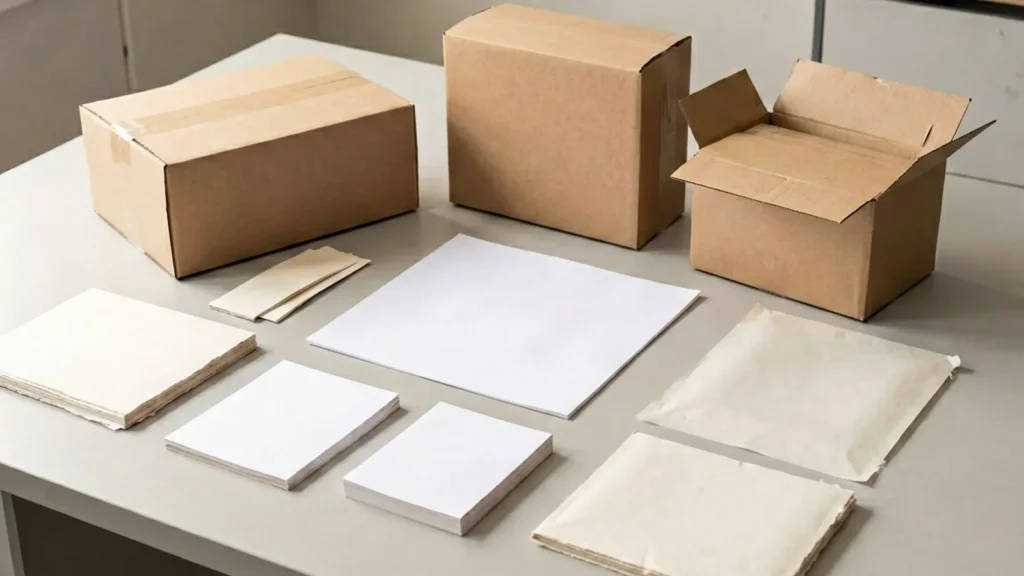
The sourcing record for satin ribbon workflow is incomplete until it verifies samples, materials, print, tolerances, certifications, and bulk-production risk.
Satin approval should cover color, hand, and edge finish separately, because a supplier can hit one of the three and miss the others.
Direct answer: For satin ribbon workflow, buyers should verify samples, materials, print, tolerances, certifications, and bulk-production risk.
Define the Buyer Decision for Satin Ribbon Sample Approval Workflow
- Compare satin ribbon sample to approved spec sheet (width, color, finish, roll length). A mismatch between sample and spec sheet can cause production delays or rejections. Measure width with caliper, compare color under buyer-approved viewing conditions, check finish and roll length against spec. Approval of an out-of-spec sample leads to bulk order mismatch and rework cost. Document the comparison result and sign off only if all specs match within tolerance.
- Verify print alignment and dye lot consistency across the sample. Inconsistent print or dye lot makes final ribbons look mismatched in assembly. Hold sample against a known standard, check registration marks, and compare dye lot number to the production order. Visible misalignment or color shift in bulk ribbons causes returns or markdowns. Request a corrected sample or approve with a condition to match dye lot in production.
- Confirm MOQ and order quantity feasibility before sample approval. Approving a sample for a design that exceeds your MOQ or lead time constraints can derail the order. Check the supplier's MOQ for the specific material, width, and print method; confirm lead time is 15–20 business days after spec and sample approval. Approving a sample without MOQ check may result in a minimum order value too high or a production schedule too long. Adjust design or quantity to meet MOQ, or get written confirmation from supplier on flexibility.
- Assess approval risk: is the sample a lab dip or strike-off, and what is the sign-off process? Lab dips require color approval only; strike-offs require full construction approval. Mixing them up causes production errors. Review the sample stage in the supplier's workflow; ask for a written approval standard. Approving a lab dip as a final sample could lead to bulk ribbons with incorrect weave or thickness. Document the approval stage and require a full production sample if the current one is only a lab dip.
- Plan buyer follow-up: schedule a bulk inspection or request a pre-shipment sample. Sample approval does not guarantee bulk quality; a follow-up inspection catches defects before shipment. Set a date for a quality inspection at the factory or request a pre-shipment sample from the production run. Skipping follow-up risks receiving off-spec ribbons that are not returnable or usable. Add the inspection to the order timeline and confirm with the supplier the inspection method and criteria.
Confirm Product and Order Scope
For satin ribbon workflow, treat Confirm Product and Order Scope as a release rule: approve only when the supplier evidence matches the written requirement.
- Satin ribbon sample shows edge fraying or uneven selvedge after one wash: Fraying indicates poor weave construction or low-quality yarn, which will worsen during bulk handling and reduce usable yield. Perform a quick fray test on the sample edge by hand; if loose threads appear, reject the sample and ask for a tighter weave construction. Supplier's edge-sealing method description and a video of the sample undergoing a 10-second rub test. Add an edge-fraying check to your incoming inspection checklist for the first bulk shipment.
- Supplier cannot provide a signed sample approval sheet for the satin ribbon: Without a documented sign-off, there is no audit trail to hold the supplier accountable if the bulk run deviates from the approved sample. Refuse to proceed to production until both parties sign a physical or digital approval sheet that references the sample ID and date. A completed sample approval form with signatures, sample photo, and specification checklist attached. File the signed approval sheet in your order folder and send a copy to the supplier's production manager.
- Satin ribbon sample color does not match the Pantone reference under daylight: A color mismatch will cause branding inconsistency across packaging or garments, leading to customer complaints and potential order rejection. Compare the sample against the Pantone chip under buyer-approved viewing conditions; if the color difference exceeds the buyer-approved tolerance, request a re-dip before approving. Supplier's spectrophotometer reading showing the buyer-approved color tolerance value against the target Pantone code. Set a maximum color tolerance in your RFQ and include it in the sample approval criteria.
- Supplier has satin ribbon weaving and dyeing capability for custom width and color. Production line photos, dye lot records, and a list of looms with width range. Supplier quality or production manager. Order may be subcontracted to a mill with inconsistent color matching. Verify loom count and dye lab equipment during the factory audit.
- Sample satin ribbon matches approved color standard and width tolerance. Signed approval sheet with measured width and delta-E color report. Supplier QC department. Bulk run may deviate from sample, causing rework or rejection. Retain the signed satin ribbon sample and approval sheet before production release.
- Approval sign-off is documented with named reviewer and date. Digital or wet-signed approval form with clear pass/fail decision. Buyer's designated approver. Ambiguous approval leads to production without accountability. Define a single approval owner and require written sign-off before proceeding.
- Verification method for satin ribbon finish and edge quality is defined. Inspection checklist covering edge fray, sheen, and hand feel. Supplier QC or third-party inspector. Unchecked edge defects cause unravelling during garment assembly. Require a pre-shipment inspection report with photos of edge condition.
RFQ checkpoint
Build the Verification Checklist
Start with evidence for satin ribbon:
- Does the supplier have direct satin ribbon weaving or slitting capacity? Verifies the supplier controls ribbon width, edge finish, and color consistency. Supplier demonstrates in-house production and provides process photos. Using a trader may lead to sample-to-bulk mismatch and delayed approval. Request a factory capability list or schedule a video walkthrough.
- What measurement method will you use to confirm sample width, color, and weave? For OEM and ODM ribbon development, both parties must agree on measurement methods before sample sign-off. Supplier provides a signed approval sheet with measurement tolerances. Without a documented method, disputes over sample conformity are common. Define the verification method in the sample approval form.
- What is the biggest risk of approving a satin ribbon sample without a full spec check? Identifies if the buyer understands potential issues like dye lot variation or edge fraying. Buyer names at least one risk and mitigation (e.g., color shift under different lighting). Blind approval can result in bulk rework, lost time, and freight costs. List all spec points and have the supplier initial each.
Compare Quote and Production Assumptions
When the satin gift and retail packaging ribbon solutions sample arrives, the most common failure is a mismatch between the quoted price and the actual production assumptions—width tolerance, dye lot consistency, or edge finish. Without a side-by-side comparison, you risk approving a sample that cannot be reproduced at scale without cost overruns or quality deviations.
Use this checklist to verify alignment:
- Specs vs. RFQ: Confirm width, thickness, and color match your original specification sheet.
- Cost & MOQ: Reconcile the sample price with the quoted unit cost and minimum order quantity.
- Production Risk: Ask the factory if any sample attributes (e.g., custom dye) require special setup or longer lead times.
- Execution Proof: Request a brief production plan showing how the sample will be replicated in bulk.
- RFQ Handoff: Ensure the sample approval document includes all cost assumptions and production notes for the next gate.
This structured comparison turns ambiguity into a documented review outcome that either approves, revises, escalates, or rejects the sample before moving forward.
Run the Review Before Approval
At this checkpoint, you must produce a documented review outcome that either approves, revises, escalates, or rejects the satin ribbon sample before moving to production confirmation.
Questions to send back to the supplier
- Does the sample width match the RFQ-confirmed requirement within the agreed tolerance?
- Is the color consistent with the approved reference standard under the specified lighting condition?
- Does the fabric hand feel and edge finish meet the quality criteria defined in your specification sheet?
- What is the exact dye lot number and production date for this sample?
- Can the supplier provide a written confirmation that the production run will replicate this sample’s characteristics?
When to revise, escalate, or reject
Use the table below to decide your buyer follow-up based on the supplier’s response to your verification questions.
| Supplier Response | Buyer Action |
|---|---|
| All answers match RFQ requirements and sample passes visual/tactile inspection | Approve sample and proceed to production confirmation |
| Minor deviation (e.g., width within the approved tolerance of spec, color slightly off but acceptable per your tolerance) | Request revised sample or written concession before approval |
| Major deviation (e.g., width off by more than the approved tolerance, wrong material, color mismatch) | Reject sample and require new sample with corrected spec |
| Supplier cannot provide dye lot or production date, or refuses written replication guarantee | Escalate to sourcing manager or quality team for risk assessment |
Document each decision with the supplier’s written response and your inspection notes. This record becomes the handoff document for the next stage of your workflow.
Move from Review to RFQ or Sample
After reviewing a satin ribbon sample, the most common failure is an ambiguous handoff to the next gate—specs, costs, and risks are left undocumented, causing rework and delays. The control is a structured message template that forces documentation of every critical variable before moving forward.
Inputs to include in the next message
- Specs: Record the exact width, color, weave, and finish from the approved sample, including any tolerances.
- Cost or MOQ: State the agreed unit price and minimum order quantity; if MOQ is conditional, note the condition.
- Production risk: List any deviations observed during sample review (e.g., edge fraying, dye lot variation) and the acceptable tolerance for each.
- Factory execution: Confirm the supplier’s capability to replicate the sample consistently across production runs, referencing past quality data.
- RFQ/sample handoff: Specify the buyer follow-up—e.g., ‘Supplier to issue a formal RFQ referencing the sample approval ID’ and assign a deadline.
Ownership and sign-off for the next gate
Defining ownership prevents handoff gaps. Use the table below to assign sign-off responsibilities.
| Role | Responsibility | Sign-off criteria |
|---|---|---|
| Buyer | Confirm specs and cost alignment | Sign-off when all specs match approved sample and cost is within budget |
| Quality Manager | Verify sample tolerances | Sign-off when deviations are documented and within acceptable limits |
| Supplier | Acknowledge RFQ and timeline | Sign-off when formal RFQ is issued and production timeline is agreed |
With this structure, the workflow moves from review to RFQ or sample production with clear accountability.
Source check: ISO 9001 quality management standard.
In conclusion
The sourcing choice for satin ribbon ultimately rests on how thoroughly you verify each sample against your original specifications, cost assumptions, and lead time expectations. By comparing the physical sample to your approved spec sheet, documenting any deviations in width, color, or material hand feel, and confirming that the quoted MOQ and pricing still hold, you create a clear record that protects both your production schedule and your budget. This verification step also flags supplier risk early, whether through inconsistent quality, missed deadlines, or unclear communication, allowing you to shortlist only those partners who can reliably deliver.
Once the sample passes your checks and both parties sign off on the approval sheet, you can confidently hand off the order to production, knowing that the supplier has a documented reference for the entire run. Retaining a signed sample and its corresponding approval form gives your team a tangible benchmark for future inspections and reorders, reducing the chance of costly misunderstandings later. A disciplined sample approval workflow turns a routine checkpoint into a strategic advantage, ensuring that every satin ribbon order meets your quality standards and arrives on time.
Satin Ribbon Sample Approval Workflow FAQ
What should buyers confirm first?
Buyers should first confirm that the satin ribbon sample matches the exact specification from the RFQ, including width, material composition, color code, and finish. Check the sample against your approved artwork or color standard, and verify that the cost quoted for the sample matches the agreed terms, while noting that the MOQ for production must be confirmed by material, print method, width, packing, and order schedule. Approving the wrong structure or supplier proof can create quality, cost, or delivery problems.
Which proof should be retained for approval and reorders?
Retain a signed or digitally approved sample and its corresponding approval sheet as proof for both initial approval and future reorders. This documented evidence should include the supplier’s confirmation of the sample’s specifications, cost, and lead time, which typically ranges from 15 to 20 business days after specifications are confirmed, ensuring consistency for repeat orders. Approving the wrong structure or supplier proof can create quality, cost, or delivery problems.
Which warning signs should stop the order?
Warning signs that should stop the order include a satin ribbon sample that deviates from the confirmed color, width, or weave, or shows defects like frayed edges, uneven dyeing, or inconsistent thickness. If the supplier cannot provide a clear corrective action plan or requests a cost increase without justification, halt the order and request a revised sample before proceeding to production.
Next step: Send Specs for Review.
Keep exploring
Recommended buyer guides
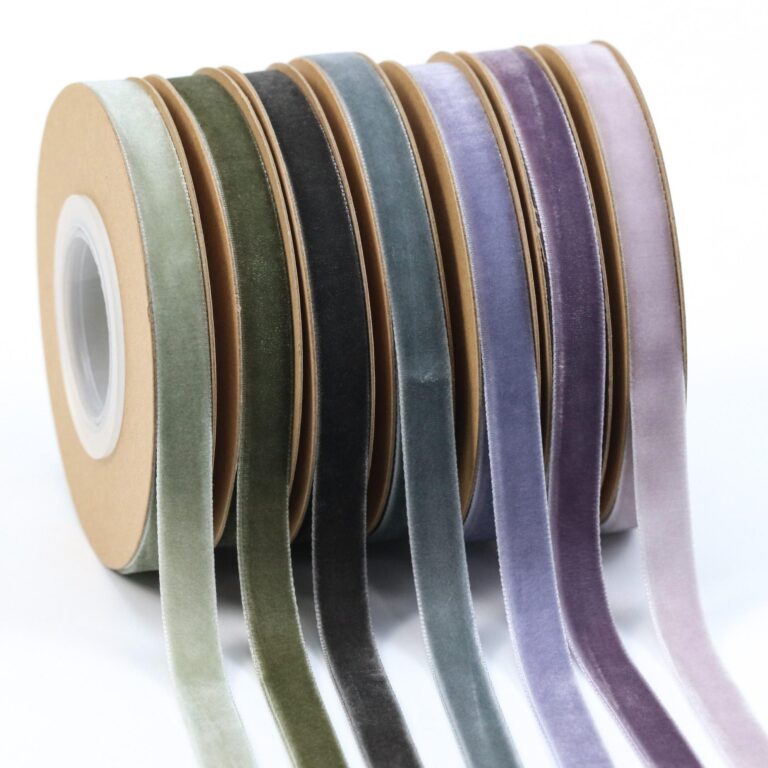 Wholesale Narrow Velvet Ribbon: Specs, Roll Length, and RFQ Checks
Check velvet pile direction, edge finish, cutting, tying, shade, and packout evidence before approving narrow velvet ribbon production.
Explore guide
Wholesale Narrow Velvet Ribbon: Specs, Roll Length, and RFQ Checks
Check velvet pile direction, edge finish, cutting, tying, shade, and packout evidence before approving narrow velvet ribbon production.
Explore guide
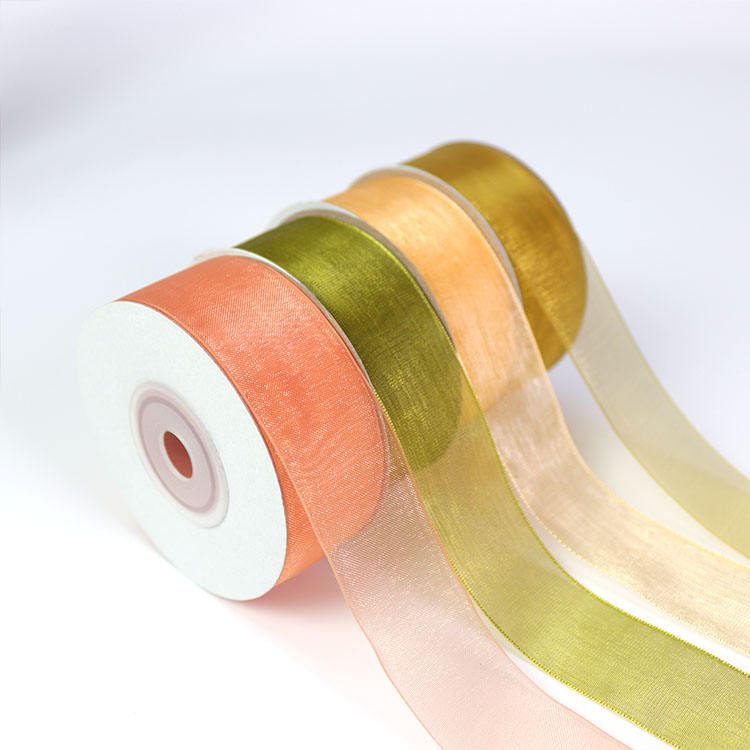 Organza Ribbon Sample Approval Workflow Before Bulk Production Buyer
 — the checks that decide whether a quote, sample,…
Explore guide
Organza Ribbon Sample Approval Workflow Before Bulk Production Buyer
Organza Ribbon Sample Approval Workflow Before Bulk Production Buyer — the checks that decide whether a quote, sample,…
Explore guide
 B2B Foil Ribbon Order Risk: Proof, Registration, Release
Buying foil printed ribbon: order risk control checklist? Verify artwork files, print method, color target, and sample approval…
Explore guide
B2B Foil Ribbon Order Risk: Proof, Registration, Release
Buying foil printed ribbon: order risk control checklist? Verify artwork files, print method, color target, and sample approval…
Explore guide
 Organza Ribbon Width Tolerance Checklist for Bulk Orders Buyer Guide
Which organza ribbon suppliers deserve an RFQ? Compare sample approval, color tolerance, and QC checks
Explore guide
Organza Ribbon Width Tolerance Checklist for Bulk Orders Buyer Guide
Which organza ribbon suppliers deserve an RFQ? Compare sample approval, color tolerance, and QC checks
Explore guide
Leave a comment
Share a sourcing question or feedback on this guide. The Lude team reviews submissions before following up.