


Organza Ribbon Sample Approval Workflow Before Bulk Production Buyer
Organza Ribbon Sample Approval Workflow Before Bulk Production Buyer — the checks that decide whether a quote, sample, or shipment can be approved
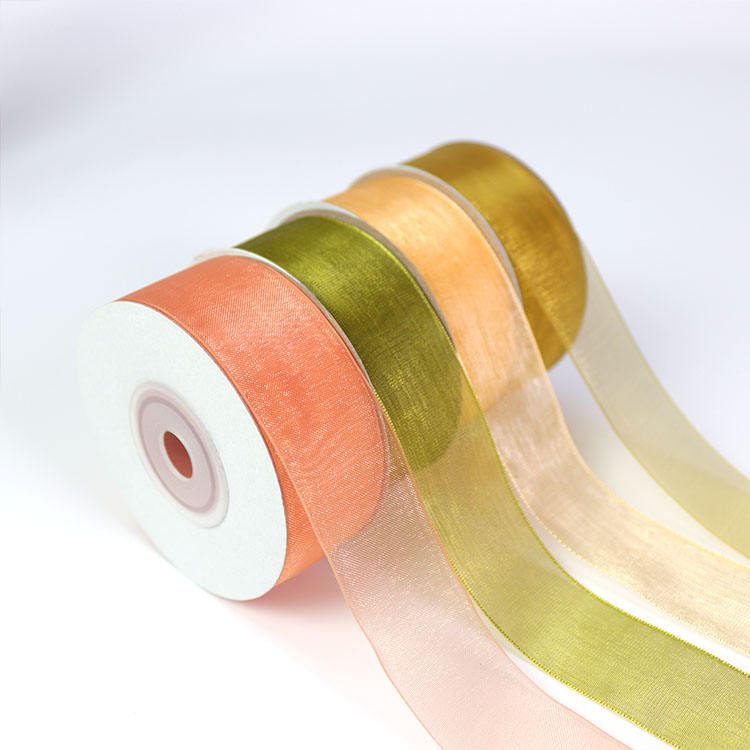
The sourcing record for organza ribbon workflow before bulk production is incomplete until it verifies samples, materials, print, tolerances, certifications, and bulk-production risk.
Organza samples should be approved against the packaging they will sit on, never against a white card.
Direct answer: For organza ribbon workflow before bulk production, buyers should verify samples, materials, print, tolerances, certifications, and bulk-production risk.
Define the Buyer Decision for Organza Ribbon Sample Approval Workflow
- Compare organza ribbon sample against written spec sheet: A sample that matches width, GSM, weave density, and color code prevents bulk production from drifting off the approved standard. Lay the sample next to the spec sheet and measure width with a calibrated ruler; check GSM with a gram scale. Bulk ribbon may arrive with wrong hand feel, transparency, or edge finish, causing garment assembly rejects. Document any deviation in width or weight and request a corrected sample before bulk approval.
- Confirm MOQ and order quantity match sample approval terms: The organza ribbon sample approval workflow before bulk production locks in the exact yardage commitment; a mismatch can trigger price renegotiation or delayed delivery. Compare the approved sample's color, width, and material code against the RFQ line items and supplier confirmation. Supplier may produce a different quantity tier, altering unit cost and lead time without buyer consent. Request a written confirmation that the bulk run will match the sample specs at the quoted MOQ.
- Inspect sample photos and QC notes for visible defects: Photos and QC records reveal edge fraying, dye migration, or uneven weave that may not be obvious on a single sample piece. Review high-resolution images of the full roll width and both selvedges; cross-check QC notes for any flagged defects. Hidden flaws in the sample can multiply across thousands of yards, leading to costly rework or order rejection. Flag any defect photo to the supplier and request a re-sample or written corrective action plan.
- Verify that approval risk includes quote mismatch and quantity variance: A quote that does not match the approved sample's material grade or finish can shift cost or quality after the order is placed. Compare the quote line items—material, width, print method, packing—against the approved sample's actual construction. Supplier may substitute a lower-cost material or change the finish, causing the bulk ribbon to fail buyer specifications. Require the supplier to sign off on a final spec sheet that ties the quote to the approved sample.
- Ask for RFQ confirmation and attach sample approval document: A formal RFQ confirmation with the sample approval document attached creates a binding record that prevents disputes during production. Request a written quote request confirmation that references the sample approval ID, date, and spec sheet version. Without a linked document, the supplier may claim the bulk run followed a different approval version, leaving the buyer liable for non-conforming goods. Store the signed approval document with the quote request confirmation in your procurement system before releasing the purchase order.
Confirm Product and Order Scope
For organza ribbon workflow, use a release rule: approve only when the supplier evidence matches the written requirement.
- Supplier can produce organza ribbon to specified width, weave density, and color fastness. Lab dip or strike-off sample with measured width and GSM tolerance report. Supplier quality or sample room team. Bulk run may deviate from approved sample, causing rework or rejection. Compare sample against spec sheet and sign off with written approval.
- Supplier has verified capability to handle custom organza ribbon orders at required volume. Production capacity sheet and recent order reference for similar organza ribbon. Supplier sales or production manager. Supplier may underdeliver on lead time or quality if capacity is overstated. Request reference contact and confirm order slot before PO.
- Organza ribbon sample matches approved color standard under production lighting. Signed approval photo with Pantone reference and lighting condition note. Supplier QC or sample coordinator. Color shift in bulk can cause brand inconsistency and returns. Retain physical sample and photo as baseline for bulk inspection.
- Supplier follows a documented sample approval workflow before bulk production. Workflow flowchart or approval gate checklist signed by QC manager. Supplier quality assurance department. Missing approval steps can lead to production of unapproved specs. Review workflow and align on approval milestones before production start.
Material and specification fit
Confirm the organza ribbon weave density, width tolerance, and color fastness against your spec sheet. Request a lab dip or strike-off sample with measured GSM and a color standard reference. This step prevents bulk deviations that could cause rework or rejection. Always retain the signed-off sample as the baseline for production inspection.
MOQ, cost structure, and lead time
Verify the supplier's MOQ for your organza ribbon width and print method, as it varies by material and order schedule. Confirm lead time after spec approval, typically 15–20 business days for standard runs. Request a cost breakdown that includes artwork, sampling, and shipping. Document all figures in the quote request to avoid mid-order surprises.
Supplier reliability and quality checks
Assess the supplier's production capacity and request a recent order reference for similar organza ribbon. Ask for their sample approval workflow and QC checklist to ensure gates are followed before bulk runs. A documented process reduces the risk of unapproved specs entering production. Schedule a pre-production meeting to align on milestones and inspection points.
Build the Verification Checklist
- Supplier cannot demonstrate consistent weave density across sample and bulk runs: Organza ribbon transparency and hand feel shift when weave density varies, causing garment rejection or rework Request the supplier's internal weave-density log for the same product reference and compare against your approved sample Signed sample approval record with measured picks per inch and width tolerance Hold bulk release until weave-density measurement from the first production roll matches the approved sample
- Supplier uses a different organza ribbon source for bulk than for the approved sample: Yarn quality and finishing differ between sources, changing dye uptake and edge fray behavior Ask the supplier to declare the greige-goods mill and confirm it is the same mill used for your sample Mill declaration letter or purchase order showing the same greige-goods supplier for sample and bulk Flag any mill change as a mandatory re-approval event before bulk cutting
- Color fastness test results are missing or from a different dye lot than the approved sample: Organza ribbon can bleed or fade in garment washing or light exposure, creating liability for the buyer Require a color fastness test report from the exact dye lot used for your sample, not a generic certificate AATCC or ISO test report for wash and light fastness tied to the sample dye lot number Reject any bulk shipment that does not match the test report's fastness rating
- Supplier has no documented sample-to-bulk comparison protocol for OEM and ODM ribbon development: Without a written protocol, production staff may change width, edge finish, or print registration without buyer knowledge Ask the supplier to share their internal sample-to-bulk checklist and confirm it includes your specific organza ribbon parameters Copy of the supplier's sample-to-bulk comparison checklist with your product parameters filled in Require a signed comparison report from the supplier's QC manager before bulk production starts
- Supplier cannot provide a traceable sample approval record with date, sign-off, and measured values: Without a traceable record, disputes over approved specifications become unverifiable, delaying production and payment Insist on a formal sample approval form that includes width, weave density, color code, and edge finish Signed and dated sample approval form with all measured values and buyer signature Do not authorize bulk production until the traceable approval record is received and filed
Compare Quote and Production Assumptions
The main failure mode for organza ribbon workflow is approval before the supplier has resolved the listed evidence gaps.
- What is the supplier's standard sample approval gate before bulk production begins? A clear approval gate ensures the supplier does not start bulk runs without your written sign-off. Supplier requires a signed sample approval form and a confirmed production timeline after approval. Without a formal gate, the supplier may start bulk production on an unapproved sample, causing costly mismatches. Request the supplier's sample approval workflow in writing and confirm it includes a hold point for your sign-off.
- How does the supplier verify color fastness and shade consistency across the bulk run compared to the approved sample? Color variation is a common cost driver in organza ribbon production; early verification avoids rework. Supplier uses a spectrophotometer to measure buyer-approved color tolerance against the approved sample and provides a color report. Unverified color consistency can result in rejected goods and expedited shipping costs for replacements. Ask for the supplier's color measurement protocol and request a buyer-approved color tolerance report with the bulk shipment.
- What is the supplier's lead time for bulk production after sample approval, and how do they handle delays? Lead time assumptions directly affect your production schedule and downstream commitments. Supplier states a standard lead time of 15–20 business days after specs are confirmed, with a clear delay communication plan. Unrealistic lead time assumptions can cause stockouts or missed retail windows, especially for gift and retail packaging ribbon solutions solutions. Document the agreed lead time and include a penalty clause for delays in the purchase contract.
Run the Review Before Approval
At this checkpoint, the buyer must confirm that the organza ribbon sample matches every written requirement from the quote request before authorizing bulk production. The output required is a signed-off sample report with no open discrepancies.
Questions to send back to the supplier
- Does the sample weave density match the specified thread count per inch as confirmed in the quote request?
- Is the ribbon width within the buyer-approved tolerance of the stated dimension?
- Does the color match the Pantone reference provided in the sample handoff document?
- What is the exact material composition (e.g., 100% polyester organza) as stated in the specification sheet?
When to revise, escalate, or reject
If the supplier cannot provide verifiable evidence for each question, the sample must be revised. Escalate when the supplier fails to address weave consistency after two rounds of revision. Reject immediately if the material composition differs from the quote request or if the color deviation exceeds the agreed tolerance. Use the table below to document findings before moving to bulk production.
| Checkpoint | Buyer Verification Question | Supplier Evidence Required |
|---|---|---|
| Weave density | Does the sample match the specified thread count? | Microscope image or count report |
| Width tolerance | Is the width within the buyer-approved tolerance? | Calibrated measurement record |
| Color accuracy | Does the sample match the Pantone reference? | Spectrophotometer reading or daylight comparison |
| Material composition | Is the material composition as specified? | Supplier’s material declaration or test certificate |
Once all evidence is collected and matches the quote request requirements, the sample is approved. For more on our approach, see Lude Ribbon factory.
Move from Review to RFQ or Sample
When the organza ribbon sample shows a weave density that is below the specified value, the buyer must decide whether to reject and request a corrected sample or proceed to quote request with a documented deviation. The control is a verification checklist that ties each sample attribute to the original quote request requirement.
Inputs to include in the next message
- Confirmed weave density (ends per inch) from the sample inspection report.
- Measured width tolerance against the quote request specification.
- Color match status using a standard light source (e.g., buyer-approved viewing conditions).
- Edge finish quality: no fraying or loose threads.
- Hand feel consistency across the sample length.
Ownership and sign-off for the next gate
The quality engineer signs off on dimensional and visual checks. The buyer then reviews the cost impact of any deviation. If the sample matches all requirements, the buyer issues an quote request for bulk. If not, the buyer requests a revised sample with a clear list of corrections.
Before moving to quote request, confirm the supplier can hold the same weave density across production runs. Ask: What is your process to ensure weave density stays within the agreed tolerance during bulk weaving?
| Checkpoint | Requirement | Verification Method |
|---|---|---|
| Weave density | Per RFQ spec | Count per inch under magnification |
| Width tolerance | the buyer-approved tolerance | Measure at 3 points along sample |
| Color | Match approved standard | Spectrophotometer reading |
| Edge finish | No fraying | Visual inspection under appropriate inspection magnification |
After sign-off, include the verified data in the quote request or sample request. This reduces production risk by locking in the agreed quality baseline.
Source check: ISO 9001 quality management standard; Sample Quality Assurance Procedure Checklist.
In conclusion
The sourcing choice for organza ribbon ultimately depends on how thoroughly you compare the sample against your specified weave density, color, and edge finish before approving bulk production. By verifying that the supplier’s sample matches your quote request requirements and documenting every approval gate—from weave consistency to dye lot stability—you reduce the risk of costly rework or shipment rejection. This workflow ensures that your procurement team shortlists only those suppliers who can consistently deliver on specification, MOQ, and lead time commitments.
A disciplined sample approval process also protects your cost and schedule by confirming that the supplier’s production capability aligns with your order volume and timeline. Checking for frayed edges, inconsistent dyeing, or off-spec width during the review stage flags red flags early, allowing you to document handoff requirements and retain a sealed reference sample for future orders. This approach transforms sample approval from a simple checkbox into a strategic gate that safeguards your bulk production investment.
Organza Ribbon Sample Approval Workflow FAQ
What should buyers confirm first?
Buyers should first confirm that the organza ribbon sample matches the specified weave density, width tolerance, and color fastness documented in the quote request. It depends on the supplier providing a signed specification sheet alongside the physical sample, so you can compare the actual ribbon against your required parameters before any cost or minimum order discussion. Approving the wrong structure or supplier proof can create quality, cost, or delivery problems.
Which proof should be retained for approval and reorders?
Retain a sealed reference sample and the supplier’s written approval confirmation, including photos under consistent lighting, for both approval and future reorders. This proof ensures that the supplier’s production team can replicate the exact shade and finish, and it serves as a benchmark if you need to verify consistency during bulk runs or when requesting a new quote. Approving the wrong structure or supplier proof can create quality, cost, or delivery problems.
Which warning signs should stop the order?
Stop the order if the organza ribbon sample shows frayed edges, inconsistent dye lots, or a weave density that differs from the agreed specification by more than the tolerance stated in your quote request. These warning signs indicate supplier risk in production capability, and you should request a revised sample with documented QC checks before proceeding to bulk production or confirming lead time.
Next step: Send Specs for Review.
Keep exploring
Recommended buyer guides
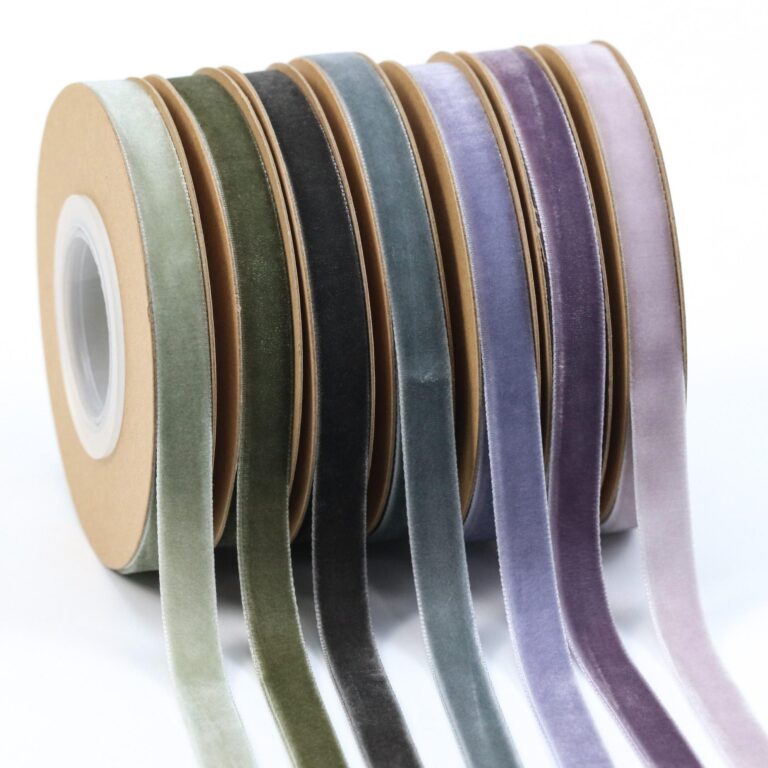 Wholesale Narrow Velvet Ribbon: Specs, Roll Length, and RFQ Checks
Check velvet pile direction, edge finish, cutting, tying, shade, and packout evidence before approving narrow velvet ribbon production.
Explore guide
Wholesale Narrow Velvet Ribbon: Specs, Roll Length, and RFQ Checks
Check velvet pile direction, edge finish, cutting, tying, shade, and packout evidence before approving narrow velvet ribbon production.
Explore guide
 Wholesale Satin Ribbon Sample Approval Workflow: Buyer Checklist
Wholesale Satin Ribbon Sample Approval Workflow — the checks that decide whether a quote, sample, or shipment can…
Explore guide
Wholesale Satin Ribbon Sample Approval Workflow: Buyer Checklist
Wholesale Satin Ribbon Sample Approval Workflow — the checks that decide whether a quote, sample, or shipment can…
Explore guide
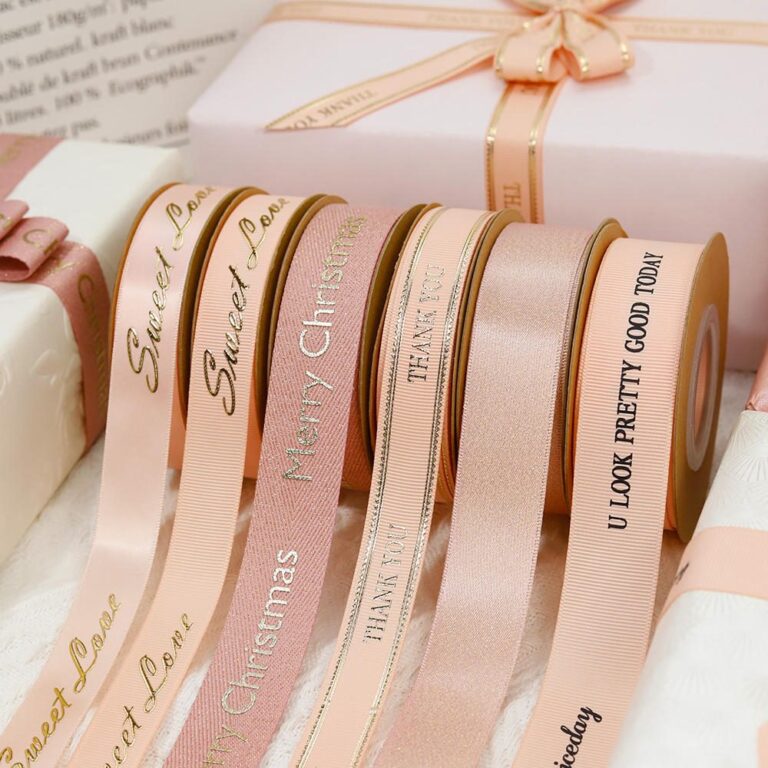 B2B Foil Ribbon Order Risk: Proof, Registration, Release
Buying foil printed ribbon: order risk control checklist? Verify artwork files, print method, color target, and sample approval…
Explore guide
Organza Ribbon Width Tolerance Checklist for Bulk Orders Buyer Guide
Which organza ribbon suppliers deserve an RFQ? Compare sample approval, color tolerance, and QC checks
Explore guide
B2B Foil Ribbon Order Risk: Proof, Registration, Release
Buying foil printed ribbon: order risk control checklist? Verify artwork files, print method, color target, and sample approval…
Explore guide
Organza Ribbon Width Tolerance Checklist for Bulk Orders Buyer Guide
Which organza ribbon suppliers deserve an RFQ? Compare sample approval, color tolerance, and QC checks
Explore guide
Leave a comment
Share a sourcing question or feedback on this guide. The Lude team reviews submissions before following up.