


B2B Foil Ribbon Order Risk: Proof, Registration, Release
Buying foil printed ribbon: order risk control checklist? Verify artwork files, print method, color target, and sample approval to reduce quoting errors
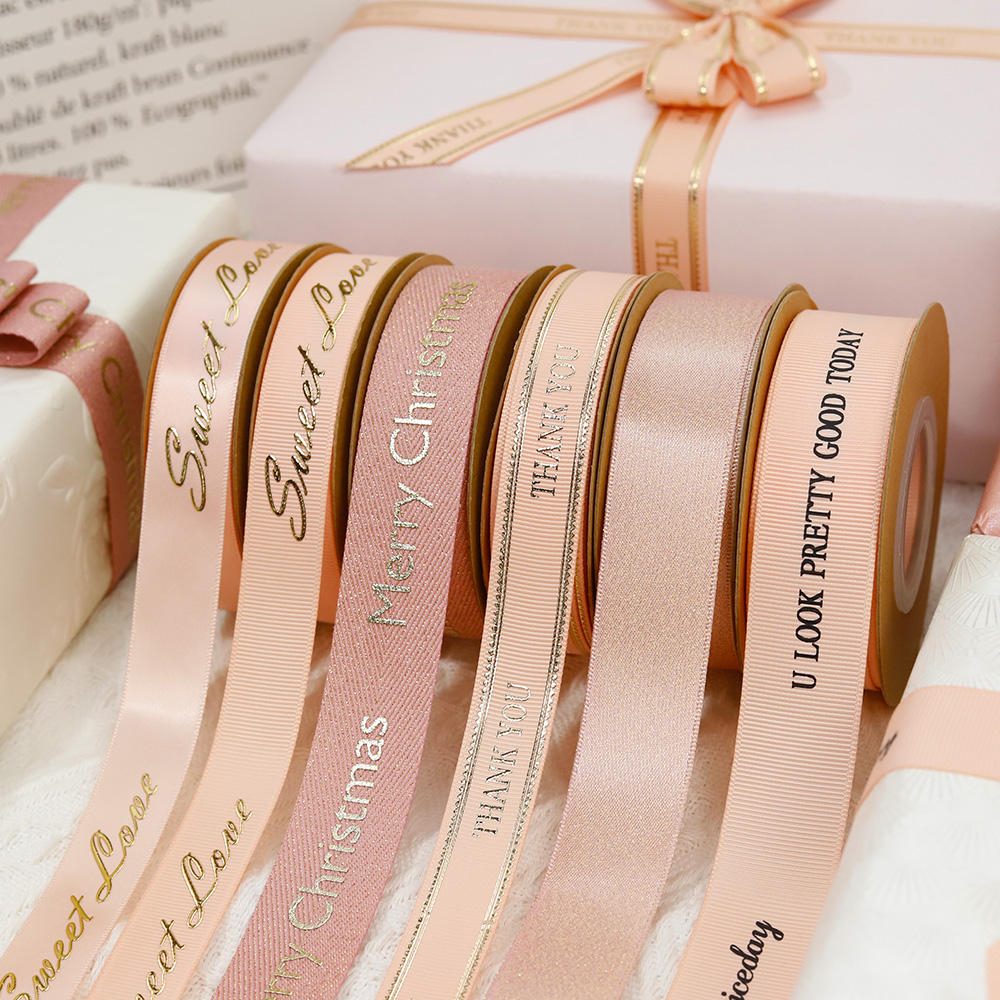
The sourcing record for foil printed ribbon: order risk control is incomplete until it verifies samples, materials, print, tolerances, certifications, and bulk-production risk.
Foil risk concentrates in registration — the print landing where it should across a long run. Control that and the rest is minor.
Direct answer: For foil printed ribbon: order risk control, buyers should verify samples, materials, print, tolerances, certifications, and bulk-production risk.
Define the Buyer Requirement
- Confirm foil type and print method: Hot stamping vs. foil transfer changes durability and cost. Request print method spec and foil type in RFQ. Wrong foil may crack or fade on ribbon. Document foil specs in approval sample.
- Verify color match to Pantone: Foil color shifts on different ribbon substrates. Compare foil sample to Pantone under daylight. Color mismatch leads to rework or rejection. Approve color sample before bulk production.
- Check foil adhesion and wash resistance: Poor adhesion causes flaking during handling or use. Perform tape pull and rub tests on sample. Foil peels off, ruining product appearance. Require adhesion test report from supplier.
- Inspect print registration and alignment: Misaligned foil affects logo clarity and brand image. Measure print position on sample with ruler. Off-register prints look unprofessional. Set tolerance limits in spec sheet.
- Review supplier's quality control process: Consistent QC reduces batch-to-batch variation. Ask for QC checklist and inspection records. Inconsistent quality leads to returns. Shortlist suppliers with documented QC.
- Supplier cannot state foil adhesion test method or pass criteria. Foil may flake or peel during winding, cutting, or bow tying, causing rejects and customer complaints. Ask for the specific adhesion test (tape pull, rub, or bend) and acceptable result. Recent test report or in-process QC record for foil adhesion. Require adhesion test on pre-production sample and include pass/fail in approval.
- No proof of color or gloss match between sample and bulk production. Foil shade and gloss vary with foil roll, temperature, and pressure; mismatch ruins branding. Request a signed color standard and require a bulk strike-off before production. Signed color chip or spectrophotometer reading for each foil color. Hold production until bulk strike-off is approved against the standard.
- Supplier lacks documented process for foil registration or alignment. Misregistered foil causes off-center prints, wasted ribbon, and inconsistent appearance. Ask how they control foil position during printing and what tolerance they hold. Process control sheet or recent inspection record showing registration tolerance. Include registration tolerance in the spec and verify on the sample.
- No clear approval gate for artwork or proof before production. Errors in logo, text, or layout go unnoticed until bulk, causing costly rework or unusable stock. Require a PDF proof and a physical sample for sign-off before any bulk run. Signed proof approval form and pre-production sample. Set a written approval deadline and do not release production without sign-off.
- Supplier cannot show how they handle reorder consistency for foil color or pattern. Foil batches vary; without a control system, reorders may not match the original. Ask for their reorder protocol: retained samples, color standards, or batch records. Retained sample from the original order or a reorder comparison record. Request a retained sample be kept and compared before shipping the reorder.
Compare the Available Routes
For foil custom printed ribbon, use a release rule: approve only when the supplier evidence matches the written requirement.
- Foil color and placement match the approved artwork within tolerance. Pre-production proof signed off against Pantone or CMYK reference. Supplier's production planner Color shift or misregistration leads to rework or rejected batches. Compare the proof to your reference under daylight before approving.
- Supplier has run foil printed ribbon programs for similar order sizes. Case study or reference order with similar width, material, and foil type. Supplier's sales or account manager Inexperienced line may struggle with foil adhesion or print registration. Request a reference list and follow up with one past buyer.
- MOQ is confirmed for your specific material, width, and print method. Written RFQ response stating MOQ for your exact specs. Supplier's quoting team Hidden MOQ changes after sampling can inflate cost or delay launch. Confirm MOQ in writing before sample approval and lock it in the PO.
Review the Required Proof
- Does the supplier provide a foil-stamped proof on the actual ribbon substrate? Foil transfers differently on satin, grosgrain, and organza; a paper proof hides adhesion and edge issues. Supplier sends a ribbon swatch proof with the exact foil color and print area for approval. Approving a paper proof can lead to foil flaking or poor edge definition on the final ribbon. Request a ribbon swatch proof before approving any bulk production.
- What is the supplier's approval gate for the foil proof before bulk cutting? A clear gate prevents unauthorized production and ensures the proof is the final reference. Supplier holds production until written sign-off on the foil proof, including color and registration. Without a gate, the supplier may start bulk runs on an unapproved proof, causing rework. Document the approval gate in the purchase order and confirm the sign-off process.
- How does the supplier verify foil adhesion and color consistency across the run? Foil can vary with heat, pressure, and ribbon tension; a QC check ensures the approved proof is replicated. Supplier performs in-line checks and a final inspection against the approved proof for adhesion and shade. Inconsistent foil can cause returns or reorders, delaying your packaging timeline. Ask for the QC report and a sample from the bulk run before shipment.
- Does the supplier keep a physical archive of the approved proof for reorders? Reorders require matching the original foil color and placement; a stored proof ensures consistency. Supplier retains a signed ribbon swatch proof and can reproduce the same foil specification. Without an archive, reorders may drift in color or print position, hurting brand consistency. Confirm the supplier's proof retention policy and request a copy for your records.
Build the Decision Asset
When foil printed gift and retail packaging ribbon solutions arrives with the wrong sheen or a print that smudges on the first fold, the root cause is usually a gap between what was approved and what was produced. The control is a decision asset: a single, structured record that ties every specification, sample, and reorder trigger to a verifiable source.
Supplier evidence to request
Require the supplier to provide a foil-stamped proof on the actual ribbon substrate, not a digital mockup. Verify the foil type (metallic, holographic, or matte) and print method (hot stamping, flexographic, or rotogravure) against your written requirement. Keep the proof with the PO number and date.
Sample approval evidence
Before production, approve a physical sample that matches the proof. Check roll length, width tolerance, and foil adhesion with a tape pull test. Document the approval in writing, including any color or finish deviations.
Reorder control records
For reorders, do not rely on memory. Use the original approved sample and proof as the benchmark. Confirm that the same foil batch and print settings will be used, and request a new pre-production sample if the supplier changes any process.
This asset becomes your reference for quote request and sample handoff, reducing ambiguity and preventing costly rework.
Prepare Comparable RFQ Inputs
Before you send a single inquiry, verify the foil-stamped proof on the actual ribbon substrate. A proof on paper or a digital mock-up will not show how the foil adheres to satin weave or how it reflects light at different angles. That sample is the only record that makes your spec verifiable.
Use this checklist to keep every quote request comparable across suppliers:
- Foil type and print method: Specify hot stamping vs. cold foil, and name the foil finish (metallic, holographic, matte).
- Ribbon substrate: State width, weave (satin, grosgrain), and material composition (polyester, nylon).
- Roll length and joining: Define roll length in yards or meters, and state whether joins are acceptable.
- Print repeat and registration: Give the exact repeat length and tolerance for print placement.
- Proof and pre-production sample: Require a foil-stamped proof on the actual ribbon before bulk production.
When you send the same inputs to three factories, you can compare cost per roll, minimum order, and production risk side by side. If one supplier quotes a much lower price, ask how they handle foil adhesion on satin—that is where most quality failures start.
For a deeper look at how we structure ribbon specifications, see our Lude Ribbon factory or review our custom ribbon quote request checklist.
Source check: ISO 9001 quality management standard.
In conclusion
The final approval for foil printed ribbon rests on a disciplined comparison of specification, proof, and supplier evidence. Check that the foil type, ribbon width, material, and print placement are locked in writing, then compare the foil-stamped proof on the actual ribbon against that spec. Verify the minimum order and cost per roll across comparable RFQs, confirm the lead time in business days after specification confirmation, and document the sample approval before production. This sequence turns a subjective sheen or smudge complaint into a measurable acceptance gate.
Supplier risk drops when you shortlist only factories that provide a physical proof on the ribbon material, state their minimum order by material and print method, and commit to a reorder process that preserves the same foil quality. Keep every quote request and sample handoff in a single file so you can verify consistency across quotes and reject any deviation from the approved proof. By documenting the spec, proof, minimum order, lead time, and QC result, you convert a decorative purchase into a controlled sourcing decision.
Frequently Asked Questions
How should a b2b buyer check quality risk?
Start by defining the foil type, ribbon width, material, and print placement in your spec sheet, then confirm the minimum order and lead time in the quote request. Ask the supplier to send a foil-stamped proof on the actual ribbon substrate and a physical sample before production; check roll-to-roll consistency, adhesion, and smudge resistance. Verify their QC process for defects and reorder handling, and document the approved sample as your reference.
Which supplier proof should buyers request for foil printed ribbon?
Request a foil-stamped proof on the actual ribbon material, not a digital mockup, to verify sheen, adhesion, and print alignment. Also ask for a physical pre-production sample that matches the proof, and check roll-to-roll consistency, edge-to-edge coverage, and smudge resistance. Confirm the supplier’s QC checklist and how they handle defects, then approve the sample in writing before full production.
What should buyers lock before approving order risk control checklist?
Lock the exact specification (foil type, width, material, print placement), the approved physical sample, and the agreed minimum order and lead time in the quote request. Verify the supplier’s production and QC process, including how they handle reorders and defects, and document the approved sample as your reference. Confirm the cost per roll and any volume breakpoints in the quote, then proceed with a sample order before bulk production.
Next step: Send Specs for Review.
Keep exploring
Recommended buyer guides
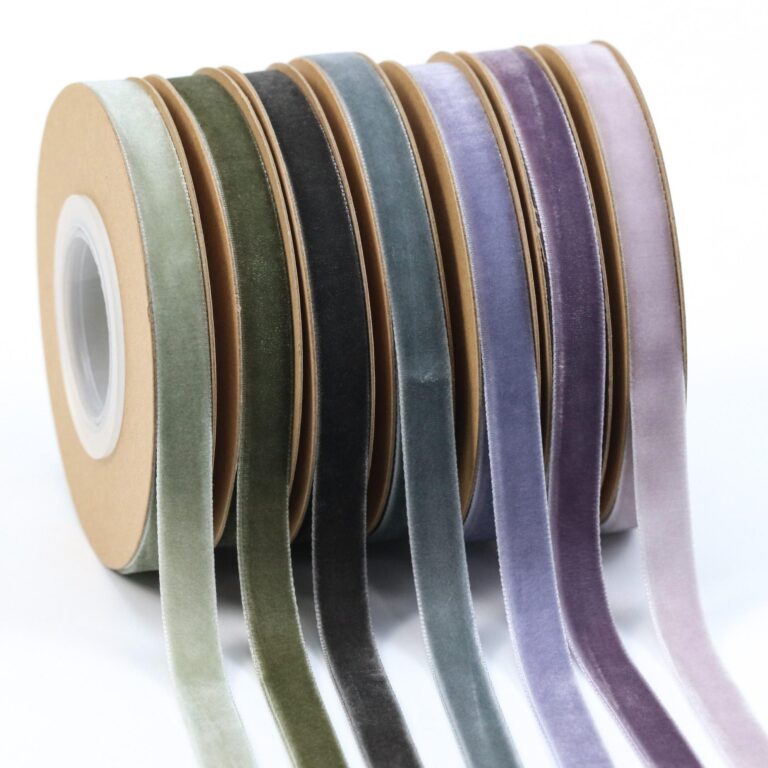 Wholesale Narrow Velvet Ribbon: Specs, Roll Length, and RFQ Checks
Check velvet pile direction, edge finish, cutting, tying, shade, and packout evidence before approving narrow velvet ribbon production.
Explore guide
Wholesale Narrow Velvet Ribbon: Specs, Roll Length, and RFQ Checks
Check velvet pile direction, edge finish, cutting, tying, shade, and packout evidence before approving narrow velvet ribbon production.
Explore guide
 Wholesale Satin Ribbon Sample Approval Workflow: Buyer Checklist
Wholesale Satin Ribbon Sample Approval Workflow — the checks that decide whether a quote, sample, or shipment can…
Explore guide
Wholesale Satin Ribbon Sample Approval Workflow: Buyer Checklist
Wholesale Satin Ribbon Sample Approval Workflow — the checks that decide whether a quote, sample, or shipment can…
Explore guide
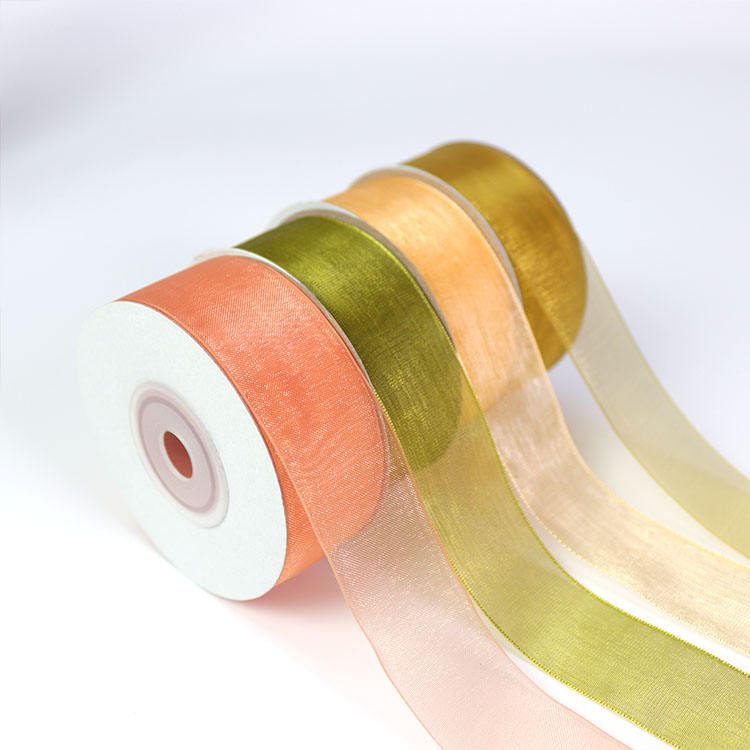 Organza Ribbon Sample Approval Workflow Before Bulk Production Buyer
 — the checks that decide whether a quote, sample,…
Explore guide
Organza Ribbon Width Tolerance Checklist for Bulk Orders Buyer Guide
Which organza ribbon suppliers deserve an RFQ? Compare sample approval, color tolerance, and QC checks
Explore guide
Organza Ribbon Sample Approval Workflow Before Bulk Production Buyer
Organza Ribbon Sample Approval Workflow Before Bulk Production Buyer — the checks that decide whether a quote, sample,…
Explore guide
Organza Ribbon Width Tolerance Checklist for Bulk Orders Buyer Guide
Which organza ribbon suppliers deserve an RFQ? Compare sample approval, color tolerance, and QC checks
Explore guide
Leave a comment
Share a sourcing question or feedback on this guide. The Lude team reviews submissions before following up.