


Organza Ribbon Width Tolerance Checklist for Bulk Orders Buyer Guide
Which organza ribbon suppliers deserve an RFQ? Compare sample approval, color tolerance, and QC checks
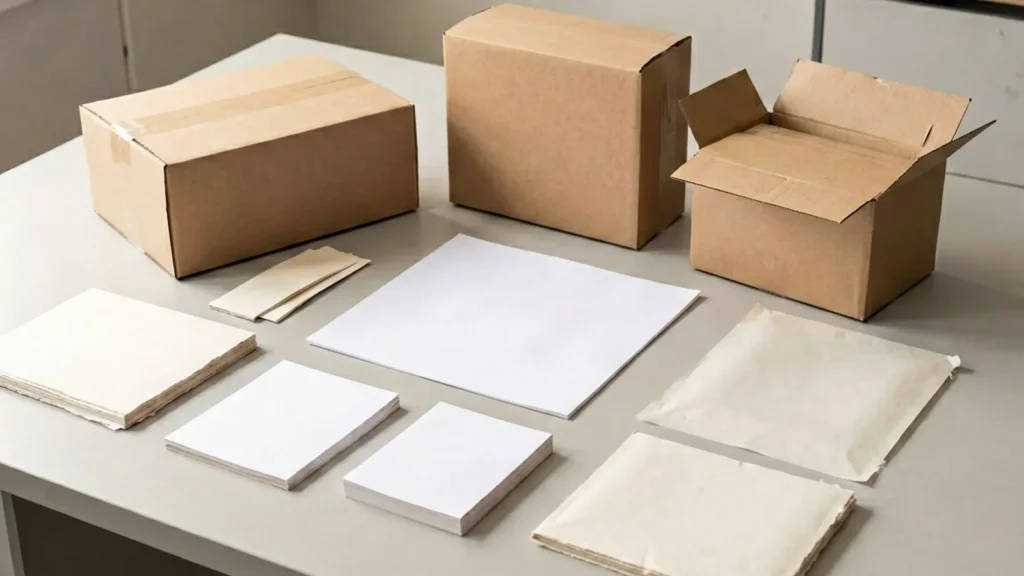
The sourcing record for organza ribbon width tolerance for bulk is incomplete until it covers samples, materials, print, tolerances, certifications, and bulk-production risk.
This guide connects organza ribbon width tolerance checklist for bulk orders to parameters, cost impact, supplier risk, factory process, and procurement advice.
Direct answer: For organza ribbon width tolerance for bulk, buyers should verify samples, materials, print, tolerances, certifications, and bulk-production risk.
Define the Buyer Decision for Organza Ribbon Width Tolerance
- Inspect organza ribbon width consistency across multiple dye lots or production runs: Width can shift between lots due to yarn tension or finishing variations, causing visible differences in a single order. Pull one roll from each dye lot or run number and measure width at the start, middle, and end of each roll. Mixing inconsistent widths in the same shipment can create rejects during automated bow-making or packaging assembly. Segregate any lot that deviates more than the agreed tolerance and request a replacement or credit before shipment.
- Verify that the width measurement method matches your inspection protocol (flat vs. relaxed vs. tensioned): Organza ribbon stretches under tension; measuring under different conditions can yield a false pass or fail. Ask the supplier to describe their measurement method and confirm it matches your in-house protocol (e.g., flat on a table, no stretch). A supplier's tensioned measurement may show compliance while your relaxed measurement flags a reject, causing disputes. Include the measurement method in the quality agreement and train your receiving team to use the same technique.
- Document the width tolerance check result on the inspection report and attach a photo of the ruler reading: A written record with visual proof protects both parties if a downstream defect is traced back to width variation. Take a clear photo of the ruler aligned with the ribbon edge at the measurement point and attach it to the inspection report. Without photo evidence, a width dispute weeks later becomes a he-said-she-said that delays payment or reorder. File the photo and report in the order folder and share a summary with the supplier as part of the lot acceptance sign-off.
MOQ, cost structure, and lead time
MOQ for custom organza ribbon is negotiable by material, print method, width, packing, and schedule. Standard production runs 15–20 business days after spec confirmation, plus artwork review and sample approval. Width tolerance can affect cost: tighter tolerances may require slower loom settings or additional inspection, so discuss this during quoting.
Supplier reliability and quality checks
A reliable supplier will provide written width tolerance standards, pre-production samples, and inspection reports. Ask for their measurement method and check it against your protocol. Ask which certifications the factory currently holds and for which product scope, and request the current documents before RFQ. Consistent width across dye lots signals process control and reduces reorder risk.
Confirm Product and Order Scope
For organza ribbon width, use a release rule: approve only when the supplier evidence matches the written requirement.
- Supplier has inline width monitoring during weaving and slitting. Process flow diagram showing width check points and the type of gauge used (laser or mechanical). Supplier process engineer or QC lead. Without inline checks, width drift goes undetected until finished rolls are rejected at your dock. Compare the diagram against your own inspection plan; flag any gap between stated checks and actual records.
- Supplier can document width tolerance compliance for OEM and ODM ribbon development. Signed width tolerance sheet from the last OEM/ODM project, including customer approval stamp. Supplier account manager or project coordinator. Missing tolerance documentation delays customer sign-off and risks chargebacks for non-conforming goods. Ask for the signed sheet as a reference; include a similar tolerance sheet requirement in your own purchase order.
- Supplier has a documented procedure for width re-check before shipment. Final inspection checklist or QC report showing width measurement for each roll in the order. Supplier QC inspector or shipping coordinator. Without a pre-shipment width check, you may receive mixed-width rolls that fail your customer's spec. Require a copy of the final inspection report with the packing list; spot-check a random roll on arrival.
RFQ details to send
When you send an RFQ for organza ribbon, include your required width tolerance as a line item. Suppliers may quote different tolerances based on loom type and slitting equipment. Request a confirmation of their achievable tolerance before you commit to a price. This avoids costly surprises when the first bulk roll arrives narrower than your sample.
Production handoff details
At production handoff, verify that the supplier's work order includes your width tolerance spec. Ask for a first-run width check on the first 50 meters of each loom. Document the reading and compare it to your approved sample. This step catches drift early and keeps the entire order within your acceptable range.
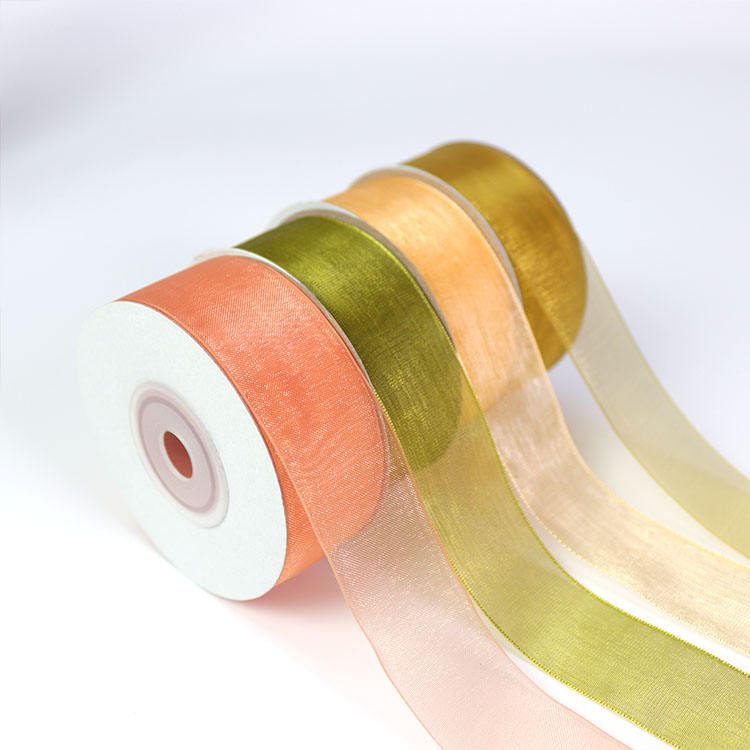
Build the Verification Checklist
- Sample roll width does not match the quoted tolerance when measured at three points. A single sample that drifts beyond tolerance signals inconsistent loom tension, which worsens in bulk production. Measure the sample at both edges and the middle; reject if any point exceeds the stated tolerance. A photo or video of the sample being measured with a calibrated ruler or caliper. Request a second sample from a different production lot before approving the bulk run.
- Supplier refuses to include width tolerance in the production work order. Without a work order clause, the factory has no obligation to check width during cutting, and you accept all variance. Insist that the exact tolerance range is written into the work order and confirmed by QC. A copy of the signed work order showing the width tolerance field. Hold the order until the work order includes the tolerance and is acknowledged by the production manager.
- Supplier offers custom printed ribbon but cannot provide a width tolerance for printed vs. unprinted sections. Printing can shrink or stretch organza ribbon unevenly, causing the printed area to misalign with your packaging design. Ask for a pre-production print sample measured at the printed and unprinted zones. A measurement report comparing the width of printed and unprinted sections on the same roll. Approve the print sample only if both zones stay within your required tolerance, and document that approval.
Compare Quote and Production Assumptions
The main failure mode for organza ribbon width is approval before the supplier has resolved the listed evidence gaps.
- How does the supplier verify width tolerance during production? Verification method determines whether tolerance is checked inline or only at final inspection, affecting defect detection timing. Supplier uses calibrated gauges at loom setup and random checks every 100 meters during the run. Spot-check-only methods may miss drift, resulting in a full batch falling outside spec after shipment. Ask for a description of the in-process width check procedure and frequency.
- What is the approval risk if width tolerance is not confirmed before bulk production? Unapproved tolerance assumptions shift liability to the buyer after the first bulk run, increasing rejection costs. Supplier requires signed width tolerance approval on the sample roll before bulk production starts. Without pre-approval, the buyer may have to accept out-of-spec ribbon or pay for a new run. Add a width tolerance approval step to your sample sign-off form.
- How does width tolerance affect the cost per yard in bulk orders? Tighter tolerance requires more precise weaving and more frequent QC, which can increase unit cost. Supplier provides a clear cost adder for tighter tolerance ranges and explains the process reason. Assuming standard tolerance pricing for a tight spec can cause unexpected cost overruns at invoicing. Compare tolerance-related cost adders across shortlisted suppliers before awarding the order.
Run the Review Before Approval
At this stage, you must have a completed width checklist with supplier-submitted evidence for each measurement point. The output required before moving to the next stage is a signed-off approval or a documented revision request.
Questions to send back to the supplier
- What is the confirmed width tolerance per roll, as stated in the quote request?
- Can you provide a measurement report from the last production batch showing actual widths across the roll length?
- How do you ensure consistency across multiple rolls in the same order?
- What is your process for handling rolls that fall outside the agreed tolerance?
When to revise, escalate, or reject
If the supplier cannot provide clear evidence matching the quote request requirement, revise the checklist and request corrected samples. Escalate if repeated discrepancies appear across multiple rolls. Reject the batch if the variation exceeds what your production line can handle, as this risks bow assembly defects and material waste.
Use the table below to assess each supplier response against your internal standard.
| Supplier Response | Action | Risk Level |
|---|---|---|
| Measurement report matches RFQ tolerance | Approve | Low |
| Minor deviation, corrective plan provided | Conditional approval with recheck | Medium |
| No report or deviation exceeds acceptable range | Reject and request new sample | High |
After the table, confirm the handoff to the next stage: either proceed with the approved sample or initiate a revision cycle with the supplier.
Move from Review to RFQ or Sample
When your width tolerance checklist reveals a discrepancy—such as a supplier’s submitted measurement falling outside the agreed range—the failure mode is proceeding to quote request or sample without documented resolution. The control is a mandatory sign-off gate: no quote request or sample request is issued until the buyer confirms, in writing, that the supplier’s evidence matches the requirement.
Inputs to include in the next message
- State the required width tolerance (e.g., the buyer-approved tolerance) and ask the supplier to confirm they can meet it.
- Request a production sample that includes a width measurement report from the supplier’s quality lab.
- Specify the number of sample rolls and the measurement points per roll (e.g., three points along each roll).
- Include a deadline for the supplier’s response and sample delivery.
Ownership and sign-off for the next gate
The buyer’s quality engineer or designated reviewer must sign off on the supplier’s width tolerance evidence before the procurement team issues the quote request or sample request. This ownership ensures accountability and prevents premature commitment.
Below is a decision table to guide your Buyer follow-up:
| Supplier Evidence | Buyer Action |
|---|---|
| Width measurement report matches requirement | Proceed to RFQ or sample request |
| Width measurement report shows deviation | Request corrective action or reject supplier |
| No measurement report provided | Pause; require report before buyer follow-up |
After sign-off, include the confirmed tolerance and measurement report reference in your quote request or sample request to lock in the requirement.
In conclusion
The sourcing choice for organza ribbon width tolerance in bulk orders comes down to comparing each supplier’s documented measurement method against your approved spec, then verifying that their production capability stays within the agreed tolerance band. You must document the exact width range, the measurement tool used, and the sampling frequency before any PO is issued, and then approve the supplier only after a physical sample roll has been measured and signed off by your quality engineer.
To complete your procurement decision, check that the supplier’s quote request response includes a clear width tolerance statement, confirm the MOQ and lead time are aligned with your order schedule, and retain the approved sample with its measurement report as the reference for all subsequent bulk production. This checklist approach reduces the risk of receiving ribbon that deviates from your required width, protecting your packaging or decoration application from costly rework.
Organza Ribbon Width Tolerance FAQ
What should buyers confirm first?
For organza ribbon width tolerance checklist for bulk orders, turn the answer into a written quote request note: intended use, ribbon width, material, finish, packing method, and approval owner. Ask the supplier what sample proof or QC record will confirm the same result in production. A vague answer can turn into quote mismatch, sample delay, packing damage, or repeat-order drift.
Which proof should be retained for approval and reorders?
Retain the approved physical sample with its measurement report and a signed specification sheet that documents the agreed width tolerance. For reorders, require the supplier to submit a new pre-production sample or a lot inspection certificate confirming the same tolerance, and keep the original approval record as a benchmark for QC comparison. Approving the wrong structure or supplier proof can create quality, cost, or delivery problems.
Which warning signs should stop the order?
Stop the order if the supplier cannot provide a clear width measurement method (e.g., using a calibrated ruler or laser gauge) or if the sample shows inconsistent width across the roll length. Also halt if the supplier refuses to include a tolerance clause in the contract or demands a higher MOQ to meet your specified range without documented justification. Approving the wrong structure or supplier proof can create quality, cost, or delivery problems. Ask for a sample, specification confirmation, or QC evidence before approval.
quote request handoff: Send Specs for Review.
Keep exploring
Recommended buyer guides
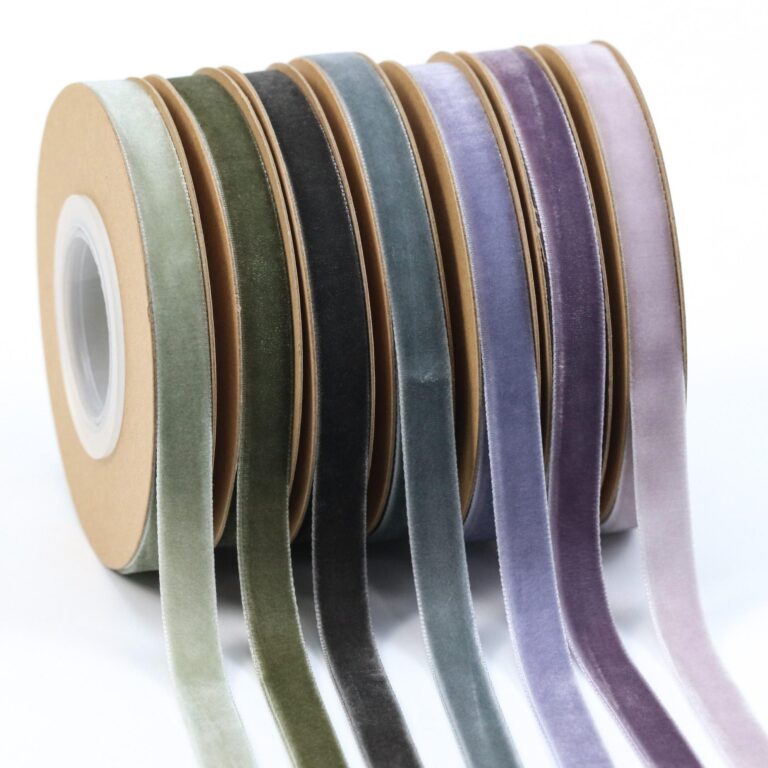 Wholesale Narrow Velvet Ribbon: Specs, Roll Length, and RFQ Checks
Check velvet pile direction, edge finish, cutting, tying, shade, and packout evidence before approving narrow velvet ribbon production.
Explore guide
Wholesale Narrow Velvet Ribbon: Specs, Roll Length, and RFQ Checks
Check velvet pile direction, edge finish, cutting, tying, shade, and packout evidence before approving narrow velvet ribbon production.
Explore guide
 Wholesale Satin Ribbon Sample Approval Workflow: Buyer Checklist
Wholesale Satin Ribbon Sample Approval Workflow — the checks that decide whether a quote, sample, or shipment can…
Explore guide
Organza Ribbon Sample Approval Workflow Before Bulk Production Buyer
Organza Ribbon Sample Approval Workflow Before Bulk Production Buyer — the checks that decide whether a quote, sample,…
Explore guide
Wholesale Satin Ribbon Sample Approval Workflow: Buyer Checklist
Wholesale Satin Ribbon Sample Approval Workflow — the checks that decide whether a quote, sample, or shipment can…
Explore guide
Organza Ribbon Sample Approval Workflow Before Bulk Production Buyer
Organza Ribbon Sample Approval Workflow Before Bulk Production Buyer — the checks that decide whether a quote, sample,…
Explore guide
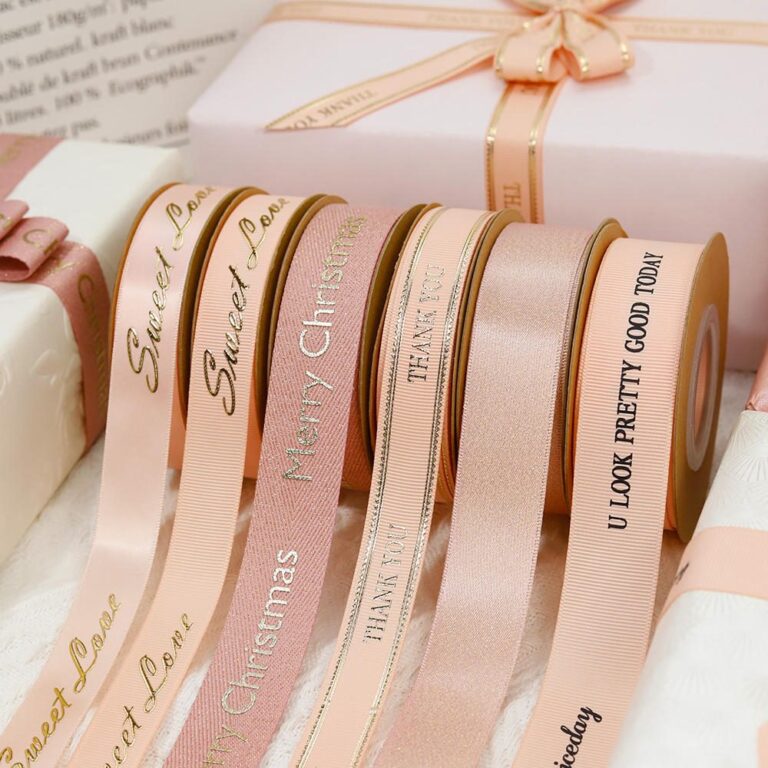 B2B Foil Ribbon Order Risk: Proof, Registration, Release
Buying foil printed ribbon: order risk control checklist? Verify artwork files, print method, color target, and sample approval…
Explore guide
B2B Foil Ribbon Order Risk: Proof, Registration, Release
Buying foil printed ribbon: order risk control checklist? Verify artwork files, print method, color target, and sample approval…
Explore guide
Leave a comment
Share a sourcing question or feedback on this guide. The Lude team reviews submissions before following up.