


Wholesale Velvet Ribbon Pile Direction Color Approval Checklist Quote
A buyer's checklist for velvet ribbon pile direction color approval checklist — covering sample approval, color tolerance, and QC checks from first sample
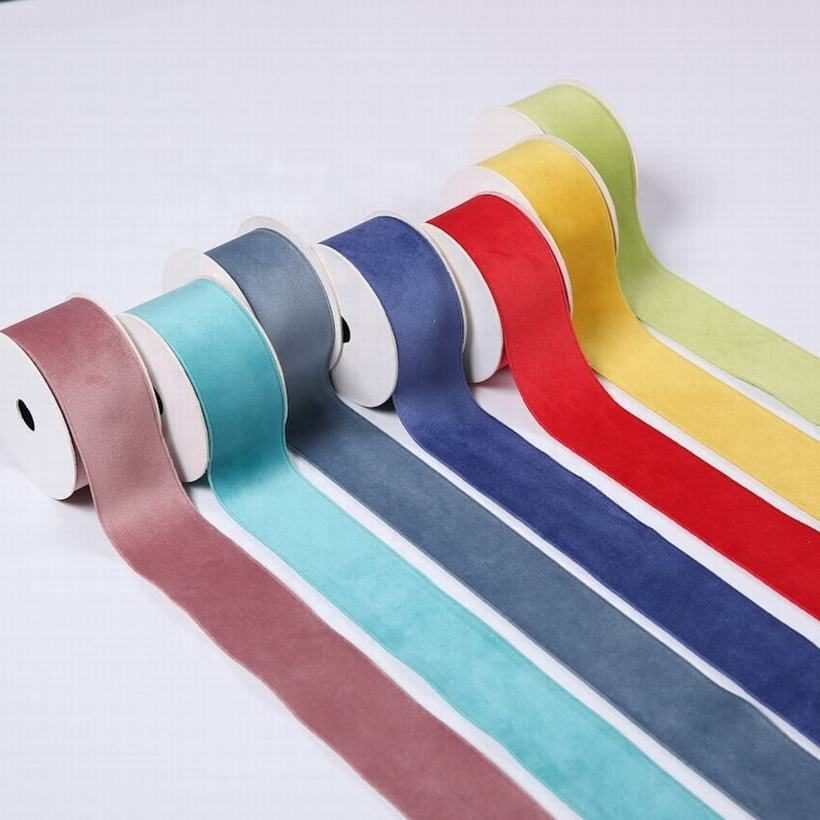
The sourcing record for velvet ribbon pile direction color approval is incomplete until it covers pile direction, samples, finishes, and production handoff.
One velvet roll can look like two colors depending on which way the pile runs. Fixing the direction before approval is what makes the color decision repeatable.
Direct answer: For velvet ribbon pile direction color approval, buyers should plan pile direction, samples, finishes, and production handoff.
Why one velvet roll can look like two different colours
Cut two lengths from the same roll of velvet ribbon, turn one of them end for end, and lay them side by side. They will not match. Nothing has gone wrong with the dyeing and both pieces are from the same lot. What changed is the direction the pile is lying, and pile direction decides how much light the surface throws back at you. Run your hand one way and the ribbon looks deep and saturated; run it the other way and the same colour reads lighter and slightly grey.
This is why velvet approvals fail in a way satin approvals do not. A buyer signs off a sample, the supplier produces to that sample, and the finished bows still come back looking mismatched, because nobody wrote down which way the pile was supposed to run. The colour was never the problem. The reference was incomplete.
How pile direction changes reflected light
Velvet is a cut-pile fabric: short fibres stand up from a woven base. When the pile leans away from the viewer you look down the length of each fibre and light scatters back, so the surface appears lighter. When the pile leans towards you, more light is absorbed between the fibre ends and the colour reads darker and richer. Suppliers call the direction the pile naturally lies the nap. On a saturated colour the difference between with-nap and against-nap can be larger than the difference between two adjacent dye lots, which means a buyer chasing a lot-variation problem may actually be looking at an orientation problem that no amount of re-dyeing will fix.
The finished bows that exposed the problem
The failure usually appears at assembly rather than at goods-in. Ribbon passes inspection on the roll, then gets cut and tied. A bow has loops facing several directions at once, so a single bow can show both readings of the same colour on adjacent loops. Multiply that across a display and the set looks inconsistent even though every metre came off one roll.
Before approving colour, decide which of the three approaches below your programme is actually buying, because each one prices and inspects differently.
| Approach | Best fit | Cost and lead time impact | Risk to avoid | Verification | Buyer follow-up |
|---|---|---|---|---|---|
| Specify a single pile direction for the whole order | Sets and displays where two ribbon pieces are seen together | Adds cutting and winding control, so expect a modest uplift and a slightly longer first run while the supplier sets it up | Instruction agreed verbally, then lost when the production contact changes | Ask for a wound roll photo showing the marked nap direction before bulk ships | Put the direction and the marking method on the purchase order |
| Allow both directions but group by finished item | Programmes where each item is seen alone, not against a neighbour | Little or no price change; the control moves to assembly rather than the mill | Grouping is done by eye at assembly and drifts once volume rises | Check several finished pieces from different cartons, not one sample bow | Agree who does the grouping and what they compare against |
| Leave direction unspecified | Single-piece uses where no two lengths are compared | Cheapest to quote, but rework risk sits with you rather than the supplier | A mismatch complaint you cannot hold anyone to, because nothing was specified | None available after the fact; the roll is already cut | Decide consciously rather than by omission, and record the decision |
If your programme involves pre-tied bows, shelf sets, or any product where two ribbon pieces are seen at once, the first row is the only one that holds up. Settle it before colour approval, not after the first complaint.
Establishing pile direction before anyone approves colour
| Requirement | Factory control | Evidence to verify | Order risk | RFQ follow-up |
|---|---|---|---|---|
| Finish or surface effect | Factory documents pile direction on each roll before color approval. | Compare sample nap direction against approved standard under fixed lighting. | Reversed pile alters shade perception; color rejection on arrival. | Request RFQ specifying pile direction must be marked on all production rolls. |
| Color and dye-lot control | Dye-lot is sealed only after pile direction is set and approved. | Hold spectrophotometer reading across nap and against nap; buyer-approved color tolerance. | Uncontrolled dye-lot shift yields visible banding in finished goods. | Ask supplier for dye-lot continuity plan and submit first-piece sample for approval. |
| Sample approval | Approved sample is sealed with pile direction arrow and color standard. | Cross-check production first-off against sealed sample under buyer-approved viewing conditions. | Missing pile-direction mark on sample leads to bulk color mismatch. | Approve sample only after verifying nap mark; include condition in PO. |
Finding and marking the nap on a sample
When you receive a velvet ribbon sample, run your fingertips along the surface in one direction; the smoother feel indicates the nap direction. Mark that direction with a permanent arrow on the sample card and on the roll core. This simple step prevents the common error of approving a color under one pile orientation only to discover a different shade in bulk production.
The convention to agree with the supplier
Before any color approval, establish a written convention with your supplier that all velvet ribbon will be cut, inspected, and packed with the pile running in the same direction. For OEM and ODM ribbon development, this convention must be included in the specification sheet and signed off by both parties. Without it, bulk rolls may arrive with mixed nap orientation, causing visible shade variation across your finished packaging.
Viewing method that makes velvet colour approval repeatable
- Confirm pile direction is marked on the production spec sheet: Unmarked pile direction can cause a shade mismatch across rolls QC manager and buyer sample approver Compare the pile direction arrow on the spec to the first-production roll Document the approved pile direction and attach a photo to the order file
- Verify lead time includes a color-hold day after dyeing: Skipping the color-hold day can shift the shade Production planner and buyer Check that the production schedule reserves one full shift for color inspection before cutting Request a written lead-time breakdown that separates dyeing, hold, and finishing days
- Check that the viewing light source matches the buyer's approval lamp: Using a different color temperature can make the ribbon look acceptable in the factory but wrong at the buyer's warehouse quality and color control inspector and buyer Confirm the factory uses a buyer-approved viewing conditions source and that the lux level is above 1000 Send a photo of the light-booth calibration sticker with the first-article report
- Judge the made-up bow under the same angle and distance as the flat roll: A bow folds the pile, creating a darker or lighter zone that was not approved on the flat sample Buyer and merchandiser Place the approved flat sample next to a sample bow under the same light and at a 45-degree angle Photograph both the flat and the bow together and attach to the approval record
- Document the cost impact of a pile-direction change on yield: Reversing pile direction can increase fabric waste noticeably and raise piece price Costing manager and buyer Compare the yield percentage from the original lay plan to the revised plan Request a revised quote that shows the cost impact before signing off on the change
Judging the roll versus judging the made-up bow
A flat roll of velvet ribbon can look darker than the same ribbon tied into a bow because the pile bends and scatters light differently. Approve color on both the flat roll and a sample bow made with your intended fold and knot. This prevents a surprise color shift when your product is assembled. Include both states in the approval record.
Specifying roll orientation so production matches approval
- Does the supplier document pile direction on the production spec sheet? Without a written pile-direction note, the factory may wind rolls in opposite orientations, causing shade variation across the order. Supplier provides a spec sheet that marks pile direction and winding orientation for each roll. Approved sample color may not match bulk production if pile direction is not controlled. Request a copy of the spec sheet showing pile direction before approving the sample.
- What is the supplier's method for verifying pile direction during winding? Pile direction must be consistent from roll to roll to avoid color mismatch in finished goods. Supplier uses a visual or tactile check at the winder and records orientation on the QC log. Inconsistent winding leads to rejected ribbon and rework costs. Ask for a photo of the QC log showing pile-direction checks for your order.
- Is the pile-direction instruction included on the purchase order? The PO is the binding document; omitting pile direction leaves production open to interpretation. PO includes a line item specifying pile direction and winding orientation. Without PO language, the factory may default to a different orientation, causing shade drift. Add pile-direction language to your PO template before sending to supplier.
- Does the supplier offer a pre-production sample that confirms pile direction? A pre-production sample lets you verify color and pile orientation before bulk cutting. Supplier provides a wound sample with pile direction marked and color approved. Skipping this step can result in a full order that does not match the approved standard. Request a pre-production sample with pile direction noted and compare to your approval.
- How does the supplier handle pile direction for gift and retail packaging ribbon solutions? Gift and retail packaging ribbon solutions often require consistent pile direction for uniform appearance in bows and wraps. Supplier has a standard operating procedure for pile direction in gift and retail packaging ribbon solutions. Inconsistent pile direction in retail packaging can lead to customer complaints and returns. Confirm the supplier's SOP for pile direction in gift and retail packaging ribbon solutions.
How the ribbon is wound, and why it matters downstream
Velvet ribbon is wound onto rolls with the pile facing either up or down. When the pile faces up, light hits it directly, making the color appear lighter. When wound pile-down, the ribbon looks darker. If rolls are mixed, your production will show two shades of the same color. This is not a dye problem; it is a winding problem.
The instruction to put on the purchase order
Write this exact line on every velvet ribbon PO: "All rolls must be wound with pile direction consistent and marked on each core." Without it, the factory may wind rolls in opposite orientations. Add a note that the approved sample's pile direction must match bulk production. This single line prevents shade variation before cutting starts.
Lot variation on a pile fabric
When a buyer orders multiple dye lots of velvet ribbon, the pile direction can cause each lot to appear as a different color, even when the dye formula is identical. This commercial consequence leads to rejected shipments, rework costs, and delayed production timelines if the specification does not account for pile orientation.
What moves between dye lots on velvet
In velvet ribbon, the pile is the raised fiber surface that reflects light directionally. Between dye lots, three factors shift: the angle of the pile lay, the density of the pile per inch, and the base fabric tension during dyeing. These variables affect how light hits the ribbon, making one lot look darker or lighter than another. The T/ZZB 0891-2018 standard for polyamide velvet ribbon sets a baseline for pile density and colorfastness, but it does not define a tolerance for visual lot-to-lot variation caused by pile direction.
Setting a tolerance that accounts for pile
To manage production risk, factories and buyers must agree on a pile-direction tolerance during the RFQ and sample handoff. This tolerance is typically expressed as a delta-E value measured under a standardized light source, with the ribbon laid flat and pile facing up. ISO 2859-1 sampling inspection standard is used to check that each lot stays within the agreed range. Without this tolerance, a factory may pass a lot that looks acceptable on the roll but fails when the ribbon is tied into a bow, because the pile bends and scatters light differently. The approval checklist should include a note that the sample must be tested in both flat and tied conditions, and the quote request should state the delta-E limit and the pile orientation for measurement.
Handling and packing that preserve pile
When a velvet ribbon roll is compressed during packing, the pile can bend permanently, causing a visible shade difference between the top and bottom layers. The recovery rate depends on the fiber type and the duration of pressure; polyester pile typically recovers faster, while rayon may retain marks for days.
Crushing, pressure marks, and recovery
Factory execution should include a crush test on a sample: apply the buyer-provided product weight for an agreed time, then check pile recovery. If the pile does not recover, the packing method fails. Specify that rolls be wound with the pile facing outward and separated by acid-free tissue to prevent pressure marks.
What to specify for storage and transit
For quote request handoff, require: (1) rolls stored vertically in climate-controlled containers at the buyer-approved temperature and humidity, (2) no stacking more than two rolls high, and (3) use of corrugated dividers between layers. During sample handoff, photograph the pile direction and include a recovery test report. This reduces the risk of color rejection at final inspection.
Carrying the standard into reorders and new designs
Without a retained reference that captures both pile direction and color approval, reorders risk a visible shade mismatch that can halt production and trigger costly rework. For any programme that reorders, ask the factory to hold a sealed sample, labeled with pile orientation and approved under the same lighting conditions, to ensure every new dye lot matches the original. When the supplier changes the base cloth, even a minor shift in weave or fiber blend can alter how the pile reflects light, making re-approval essential. Request a fresh color approval against the retained reference before production begins, and confirm the pile direction is documented on the purchase order. This practice eliminates ambiguity, reduces inspection failures under ISO 2859-1 sampling standards, and streamlines quote request handoff for repeat orders.
Retained reference and who holds it
The buyer and factory each keep a sealed sample with pile direction marked. The factory’s copy guides production; the buyer’s copy serves as the benchmark for incoming inspection. Without both, a reorder can diverge in shade, leading to rejected goods and expedited shipping costs.
Re-approval when the supplier changes base cloth
A new base cloth alters the pile’s light absorption and scattering. Even if the dye formula is identical, the color can shift. Require a new color approval submission before the factory proceeds, and update the retained reference accordingly. This step prevents a mismatch that would otherwise be caught only at final inspection.
Source check: ISO 2859-1 sampling inspection standard.
In conclusion
The practical decision for any velvet ribbon program is to verify pile direction and color approval together before bulk production begins. A buyer who documents pile direction on the purchase order, retains a sealed reference sample with direction marked, and approves color under a consistent neutral light source shortlists suppliers capable of matching both shade and pile orientation. This checklist directly reduces the risk of shade variation between dye lots and eliminates the hidden cost of rejected goods or reorders. When you compare options, validate the spec by requesting a quote that includes a pile-direction sample and a color approval process tied to your production schedule.
To request a quote for velvet ribbon pile, use velvet ribbon to confirm the final specification, quote assumptions, sample approval, QC evidence, approval risk, and supplier follow-up before bulk order.
FAQ
Why does the same velvet ribbon roll look like two different shades?
Velvet ribbon appears to change shade because the pile, the raised fiber surface, reflects light differently depending on the direction it is brushed or viewed. To avoid confusion during color approval, compare the ribbon under a fixed light source with the pile brushed in one consistent direction, and document the approved pile orientation on the sample.
How should pile direction be specified so finished bows match?
Specify pile direction by marking the roll end or including a directional arrow on the purchase order and sample card. For finished bows, require that all ribbon lengths are cut and tied with the pile running the same way, so each bow reflects light uniformly. Verify this during sample approval by inspecting a tied bow alongside a flat roll sample.
Does pile direction need to be stated on the purchase order?
Yes, pile direction must be stated on the purchase order to lock in the production standard. Without it, the factory may wind rolls with pile up or down arbitrarily, causing shade variation in the finished goods. Include a note such as “pile direction: consistent with approved sample” and confirm the supplier’s winding practice during quote request.
How should velvet ribbon be viewed during colour approval?
Velvet ribbon should be viewed under a consistent, neutral light source (e.g., buyer-approved viewing conditions daylight) with the pile brushed in the same direction each time. Compare the ribbon flat on a table and then tied into a bow, as the curve changes light reflection. Retain a sealed reference sample with the pile direction marked for every dye lot approval.
How should buyers confirm packed box dimensions?
Buyers should confirm packed box dimensions by requesting a packed sample or a detailed packing list from the supplier. Verify that rolls are stored vertically in climate-controlled conditions to prevent pile crush, and measure the box height, width, and depth against your carton specifications. Document the approved packing method during sample approval to avoid transit damage.
quote request handoff: Send Specs for Review.
Keep exploring
Recommended buyer guides
 Wholesale Custom Ribbon with Logo: Specs, Roll Length, and RFQ Checks
Step-by-step: Custom Ribbon With Logo. Check artwork files, print method, color target, and sample approval to avoid delays,…
Explore guide
Wholesale Custom Ribbon with Logo: Specs, Roll Length, and RFQ Checks
Step-by-step: Custom Ribbon With Logo. Check artwork files, print method, color target, and sample approval to avoid delays,…
Explore guide
 Ribbon Cutting Ribbon Custom Order: Specs, Roll Length, and RFQ Checks
Shortlist Ribbon Cutting Ribbon Custom Order suppliers by sample approval, color tolerance, and QC checks. See which options…
Explore guide
Ribbon Cutting Ribbon Custom Order: Specs, Roll Length, and RFQ Checks
Shortlist Ribbon Cutting Ribbon Custom Order suppliers by sample approval, color tolerance, and QC checks. See which options…
Explore guide
 Wholesale Custom Organza Ribbon: Specs, Roll Length, and RFQ Checks
Custom Organza Ribbon — a practical checklist covering artwork files, print method, color target, and sample approval for…
Explore guide
Wholesale Foil Printed Ribbon: Custom Specs, Samples, and RFQ Checks
Foil printed ribbon: what to check on artwork files, print method, color target, and sample approval before placing…
Explore guide
Wholesale Custom Organza Ribbon: Specs, Roll Length, and RFQ Checks
Custom Organza Ribbon — a practical checklist covering artwork files, print method, color target, and sample approval for…
Explore guide
Wholesale Foil Printed Ribbon: Custom Specs, Samples, and RFQ Checks
Foil printed ribbon: what to check on artwork files, print method, color target, and sample approval before placing…
Explore guide
Leave a comment
Share a sourcing question or feedback on this guide. The Lude team reviews submissions before following up.