


Velvet Ribbon Width Guide: When 2 Inch Rolls Fit Packaging Orders
A buyer's checklist for Velvet Ribbon Width Guide When 2 Inch Rolls Fit Packaging Orders — covering artwork files, print method, color target, and factory
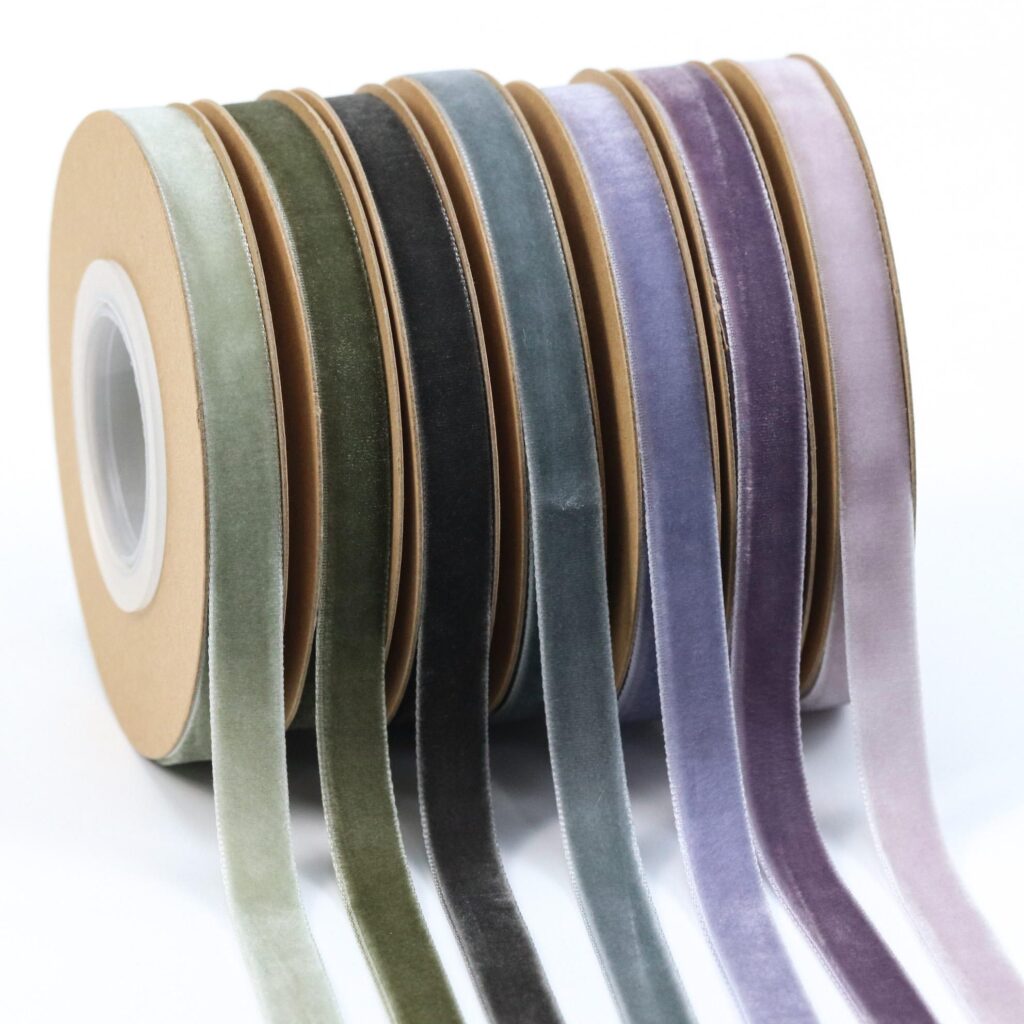
2 Inch velvet ribbon needs a written specification before the buyer can shortlist 2 Inch Velvet Ribbon suppliers using proof, capability, quality, MOQ, and delivery criteria; otherwise suppliers may quote different product and approval assumptions.
This guide connects 2 inch velvet ribbon to parameters, cost impact, supplier risk, factory process, and procurement advice.
Direct answer: For 2 inch velvet ribbon, compare matched samples, documented production capability, quality records, quantity rules, and delivery assumptions on the same basis.
When 2 inch velvet ribbon is the right size or format
| Option | Best fit | Trade-off | Risk to avoid | Verification | Follow-up |
|---|---|---|---|---|---|
| Stock velvet ribbon in standard colors | Uniform color programs with predictable reorder cycles and no custom dye requirement | Limited to existing inventory colors; no Pantone match or brand-specific shade available | Color variation between production lots may cause visible mismatch in assembled goods | Request a cutting from current inventory stock and compare against your color standard under daylight | Confirm stock color availability and request a pre-production sample before committing to bulk |
| Custom-dyed velvet ribbon | Brand-specific color matching or seasonal palettes where shade consistency is critical | Higher minimum quantity per color and extended lead time for dye lot approval | Dye lot variation across multiple reorders may require new lab dips each time | Require a lab dip approval step before bulk dyeing and retain a sealed reference swatch | Submit Pantone or physical color target and request a dye cost and lead time quote |
| Wider or narrower velvet ribbon format | Applications where 2 inch width does not match packaging dimensions or display fixture slots | Non-standard widths may require custom slitting or weaving, raising MOQ and unit cost | Width tolerance drift can cause fit failures in automated packaging or die-cut windows | Confirm actual width tolerance range with a pre-production sample measured at three points along the roll | Specify exact width in millimeters and request a width tolerance statement in the quote |
| Pre-cut lengths or spooled rolls | High-volume assembly lines or kitting operations that need consistent piece lengths | Pre-cutting adds labor cost and may reduce yield if lengths are not optimized for the roll width | Inconsistent cut length or frayed edges can cause jams in automated applicators | Inspect cut edges for fraying and measure a random sample of pieces against the specified length | Define acceptable cut length tolerance and request a cutting sample before production |
For stock velvet ribbon in standard colors, a poor decision can mean color variation between production lots may cause visible mismatch in assembled goods. Request a cutting from current inventory stock and compare against your color standard under daylight. Use the result to decide whether this checkpoint can proceed or must stay on hold.
Preserve the stock velvet ribbon decision under one revision number: keep the supplier response, marked sample, approved specification, quotation, and approval owner together. If the evidence conflicts with the approved record, hold the quote, sample, or production release until the deviation is explained in writing. Once the buyer and designated technical authority have accepted the evidence, carry the signed approval record into the purchase order, production handoff, shipment release, and later reorder review so every team works from the same baseline.
Best-fit packaging and display uses
A 2 inch velvet program works best for rigid gift boxes, award rosettes, and retail shelf displays where the width creates a premium visual anchor. Avoid using it on soft pouches or curved surfaces where the pile may crush or the edge may curl. For high-volume packaging, verify that the ribbon feeds cleanly through your automated tying or heat-seal equipment.
When to choose a wider, narrower, or different format
Choose the width from a physical packaging mock-up, not from a catalogue image. Test the visible band, overlap, knot or bow volume, edge clearance, and the way the velvet bends around corners. Move to a narrower format when it crowds a label or closure; request a wider or stiffer construction only when the display needs more coverage and the packing method can protect the pile.
Use the evidence for when 2 inch velvet ribbon is the right size or format to compare the supplier record with ISO 2859-1 sampling inspection standard before accepting the requirement.
Width, roll length, material, and finish choices
| Requirement | Factory control | Evidence to verify | Order risk | RFQ follow-up |
|---|---|---|---|---|
| Finish or surface effect | Visual and tactile inspection under buyer-approved viewing conditions for nap uniformity and sheen. | Compare finish against approved sealed sample; document any shade or texture drift. | Inconsistent finish leads to rejected award ribbons or gift packaging returns. | Document finish standard in RFQ and request a pre-production sample. |
| Roll length or spool format | Yardage counter or roll weight check against the declared length. | Weigh a sample roll and cross-check against declared yardage per spec. | Short rolls disrupt production runs and inflate per-unit cost unexpectedly. | Check roll length tolerance in supplier's standard terms before ordering. |
| Sample approval | Lab dip and strike-off are reviewed against Pantone or physical color standard. | Hold approved sample under controlled light; sign off before production release. | Skipping sample approval risks color mismatch and full batch rejection. | Approve sample in writing and retain a sealed reference for bulk inspection. |
How size affects appearance and handling
A 2 inch width provides a substantial visual presence on gift boxes and award rosettes, but the same width behaves differently depending on pile density and backing stiffness. Wider velvet tends to curl or fray if the edge finish is not reinforced. For custom printed ribbon, the width must accommodate artwork registration without distortion. Compare your intended application against the supplier's width tolerance and edge treatment before committing to a roll length.
Material and finish constraints by use case
Velvet ribbon material choices—polyester, nylon, or blended substrates—affect dye uptake, colorfastness, and the ability to hold a crisp printed logo. A matte finish reduces glare for photography but may show handling marks more readily. If your program requires a specific surface effect, such as a subtle sheen or a brushed nap, confirm that the factory's standard finish matches your sealed sample. Route all material and finish specifications through the written RFQ for commercial confirmation.
Printing, bow-making, and packing limits
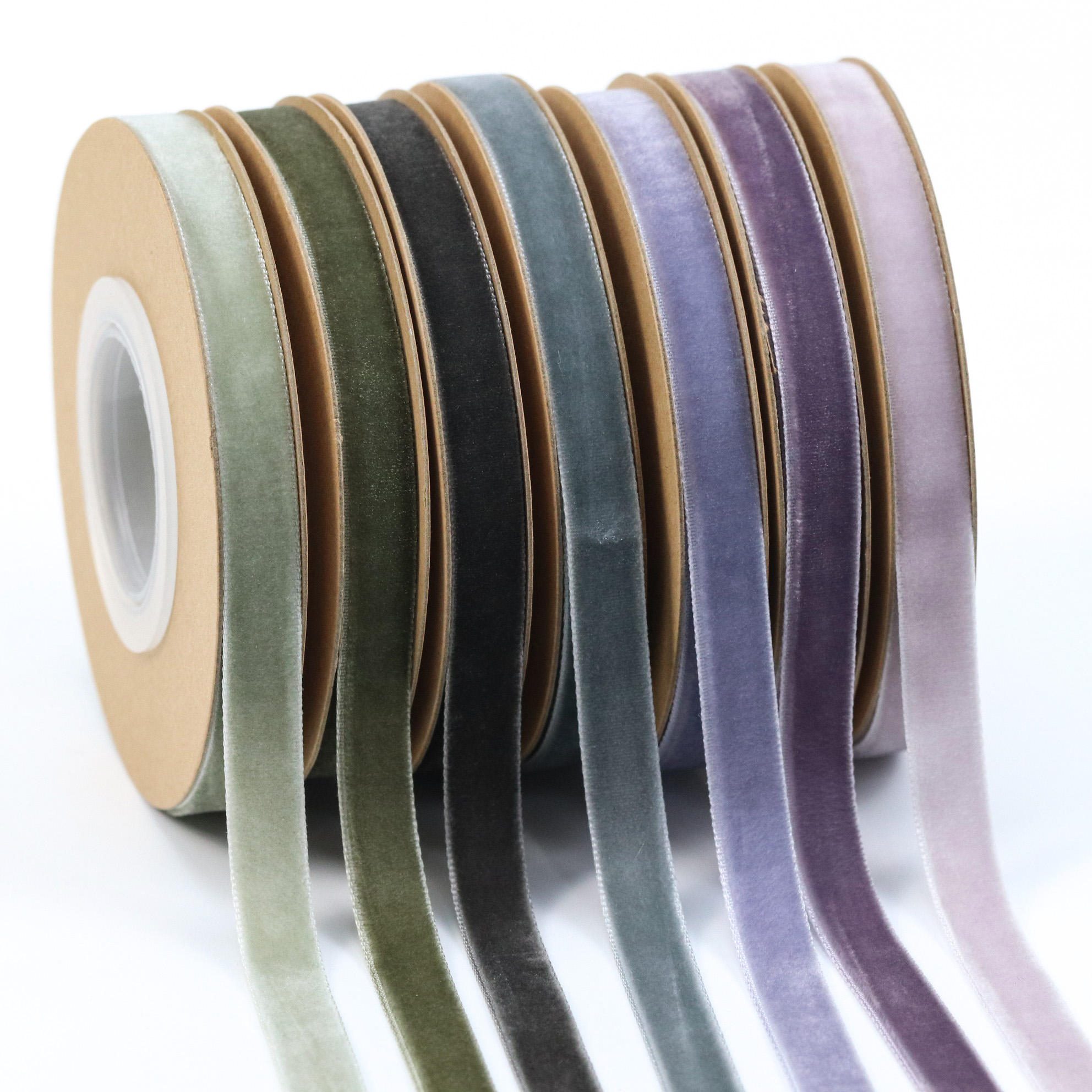
- Supplier capability: Verify supplier experience with the ribbon specification printing, bow-making, and packing processes Supplier provides OEM and ODM ribbon development with documented production runs and quality proofs Supplier lacks evidence of handling complex printing or bow assembly for velvet ribbons Request production samples and confirm factory process details before approval
- MOQ or order quantity: Check minimum order quantities for plain stock, custom printed ribbons, and ready-made bows Supplier meets Lude Ribbon MOQ standards with clear thresholds for stock and custom items minimum order not aligned with Lude Ribbon’s confirmed minimums or unclear minimum order for custom colors and widths Confirm minimum order by RFQ and ensure order quantities match program requirements
- Quality control: Assess supplier’s quality control steps including sample room checks and defect handling Supplier runs pre-production sample approval and in-line QC inspections documented on QC bench No documented QC checkpoints or inconsistent defect resolution during production Require documented QC reports and sample approval before bulk production
- Verification method: Confirm proofing methods for artwork fit, color matching, and packing accuracy Supplier provides physical samples and digital proofs with color and dimension verification Supplier relies solely on digital proofs without physical sample confirmation Approve physical samples and verify packing details before production release
- The risk is that Evaluate risk of delays or defects from supplier’s production lead time and packing limits Supplier commits to Lude Ribbon’s bulk lead time and packing standards with contingency plans Unclear lead time commitments or packing methods that may damage velvet ribbons Confirm lead time and packing methods in contract before final order
Logo or artwork fit considerations
Check that the supplier can accommodate logo sizes and artwork placement on this order without distortion. Printing limits affect visual clarity and production yield. Early discussion of artwork fit reduces approval risk and avoids costly reprints.
Packing and storage details to confirm
Ask how each roll is wound, separated, wrapped, and protected inside the export carton. The packing plan should prevent pile compression, edge damage, colour transfer, and telescoping during storage or transport. Request a marked packing sample and carton photos, then confirm whether stacking or warehouse conditions require additional protection before approving bulk packing.
MOQ, sample, and reorder planning
Minimum order, lead time, sampling, and reorder controls affect the buying plan. For 2 inch velvet ribbon, the quote is only comparable when width, pile direction, colour reference, finish, packing, and approval responsibilities are fixed in writing. Use the checklist below to expose quantity, timing, and repeat-order risks before choosing a supplier.
| RFQ input | Why it matters | Proof to request | Risk and buyer follow-up |
|---|---|---|---|
| Width, construction, colour, finish, roll length, and packing format | These inputs define what the factory is pricing and sampling. | A supplier-marked specification sheet plus a labelled sample. | An assumed specification can make quotes incomparable; revise the RFQ before shortlisting. |
| Order quantity by colour, print design, and delivery split | The supplier may apply different minimums to stock, custom-dyed, or printed programs. | Written MOQ and price-break confirmation for the exact variant. | A hidden per-variant minimum can force excess inventory; remove or consolidate variants before approval. |
| Sample sequence, approval owner, and required delivery date | Sampling and colour approval affect when bulk production can begin. | A dated schedule showing proof, sample, approval, production, and shipment gates. | An undefined approval gate can consume the production window; confirm dates before issuing the order. |
| Reorder reference and bulk QC checks | A repeat order must be checked against the same approved colour, construction, and packing record. | Retained sample, specification revision, colour reference, and inspection checklist. | Missing references create shade or construction drift; hold approval until the supplier confirms the control set. |
What changes with custom color or custom print
Ask whether custom colour or printing changes the minimum by colour, artwork, or production run. The quote should separate material, colour matching, print setup, sampling, and packing as cost drivers. Request a proof or strike-off route and make bulk production conditional on signed colour and artwork approval.
How to keep repeat orders consistent
Give the reorder a revision-controlled specification, the approved physical or photographed reference, and the same inspection criteria used for the first order. Before placing it, confirm whether any material, dye lot, equipment, or packing change requires a new sample. Buyers can review related application requirements on the gift and retail packaging ribbon solutions page before sending the quote request.
Quote checklist for this specification
- Can the supplier meet the minimum order quantity for the quoted ribbon? minimum order impacts cost efficiency and production feasibility for custom or stock orders. Supplier confirms minimum order aligns with Lude Ribbon's minimums for stock and custom ribbons. Ordering below minimum order leads to higher costs, delayed production, or order rejection. Verify minimum order compliance during quote request and confirm quantities before sample approval.
- What verification methods does the supplier use for color accuracy and texture consistency? Accurate color matching and texture ensure product meets brand and client expectations. Supplier provides color-match samples and uses standardized inspection at the QC bench. Poor color or texture control causes rejections, returns, and brand damage. Request color-match samples and inspect supplier QC reports before bulk production.
- What are the typical lead times for bulk production of the specification? Lead time affects project scheduling and inventory planning for timely delivery. Supplier states standard production lead time consistent with Lude Ribbon's fifteen to twenty business days. Underestimating lead time causes missed deadlines and expedited shipping costs. Confirm lead times in quote request and incorporate buffer for artwork approval and shipping.
- How does the supplier manage quality control during and after production? Consistent quality reduces defects and supports reorder reliability. Supplier performs in-process inspections and final checks at the warehouse loading dock. Insufficient QC leads to inconsistent ribbon finish, affecting customer satisfaction. Review supplier QC procedures and request inspection reports with each shipment.
- What buyer inputs are required before requesting a formal quote? Clear inputs ensure accurate pricing and production feasibility. Supplier requests exact ribbon width, material type, color specifications, and quantity. Incomplete inputs cause inaccurate quotes and delayed sample approvals. Prepare detailed specifications and confirm all inputs before quote request submission.
Inputs to send before RFQ
Before requesting a quote, send exact ribbon width, material type, color references, and print artwork. Include required roll length and packaging details. These inputs help suppliers provide accurate minimum order, pricing, and lead time estimates, reducing risk of misquotes or delays during sample and production stages.
Sample approval points
Check actual width, pile direction, colour under the agreed viewing condition, edge finish, backing, artwork placement, roll construction, and packing against the quote request. Mark any accepted tolerance or deviation on the approval record. Keep the signed sample reference with the purchase order so bulk inspection and future reorders use the same standard.
In conclusion
When sourcing the selected velvet program, buyers should carefully validate specifications such as exact width, material composition, and color references to ensure alignment with their project requirements. Comparing minimum order and lead time across suppliers helps manage cost and scheduling risks effectively. It is equally important to assess supplier capabilities through sample approval and quality checks to mitigate production and delivery uncertainties. Documenting these parameters during the quote request and sample handoff stages establishes a clear benchmark for bulk production and supports informed supplier shortlisting.
To request a quote for 2 inch velvet, use velvet ribbon to confirm the final specification, quote assumptions, sample approval, QC evidence, approval risk, and supplier follow-up before bulk order.
2 inch velvet ribbon FAQ
What should buyers confirm before ordering 2 Inch Velvet Ribbon?
Buyers should confirm exact ribbon width, material type, color reference, and any custom printing details before ordering 2 inch velvet ribbon to ensure specifications match project needs. They must also verify the supplier’s SKU-specific minimum order, cost, and lead time as stated in the written quotation to align with budget and schedule.
Checking supplier production capability and risk factors, such as quality control processes and past delivery performance, helps reduce uncertainty. Requesting and approving samples before bulk orders is essential to confirm color accuracy, texture, and print fidelity.
How should buyers compare MOQ, lead time, and quote terms?
Buyers should compare minimum order, lead time, and quote terms by requesting detailed written quotations that specify SKU-specific minimum order quantities and production timelines. This ensures clarity on cost implications and scheduling for each ribbon variant or custom program.
Evaluating supplier flexibility on minimum order and lead time adjustments, especially for custom colors or prints, helps identify the best fit for project requirements. Confirming terms such as payment, packaging, and delivery conditions during the quote request stage supports smoother procurement.
What sample, quality, or supplier checks reduce risk?
Reducing risk involves verifying supplier credentials, factory capabilities, and quality control procedures before placing orders for 2 inch velvet ribbon. Buyers should request physical samples and color-match proofs to assess material and print quality firsthand.
Following up on quote request responses and sample approvals ensures that any discrepancies or concerns are addressed early. Documenting all specifications and quality requirements helps maintain consistency and supports effective quality inspections during production.
quote request handoff: Send Specs for Review.
Keep exploring
Recommended buyer guides
 Velvet Ribbon Wholesale Checklist: MOQ, Finish, and Supplier Questions
Evaluate velvet ribbon wholesale options: MOQ, setup fees, unit cost, and packing. Narrow the list before requesting samples…
Explore guide
Velvet Ribbon Wholesale Checklist: MOQ, Finish, and Supplier Questions
Evaluate velvet ribbon wholesale options: MOQ, setup fees, unit cost, and packing. Narrow the list before requesting samples…
Explore guide
 Wholesale Ribbon By The Roll: Roll length and inventory planning
Evaluate Wholesale Ribbon By The Roll options: factory capability, QC proof, lead time, and reorder reliability. Narrow the…
Explore guide
Wholesale Ribbon By The Roll: Roll length and inventory planning
Evaluate Wholesale Ribbon By The Roll options: factory capability, QC proof, lead time, and reorder reliability. Narrow the…
Explore guide
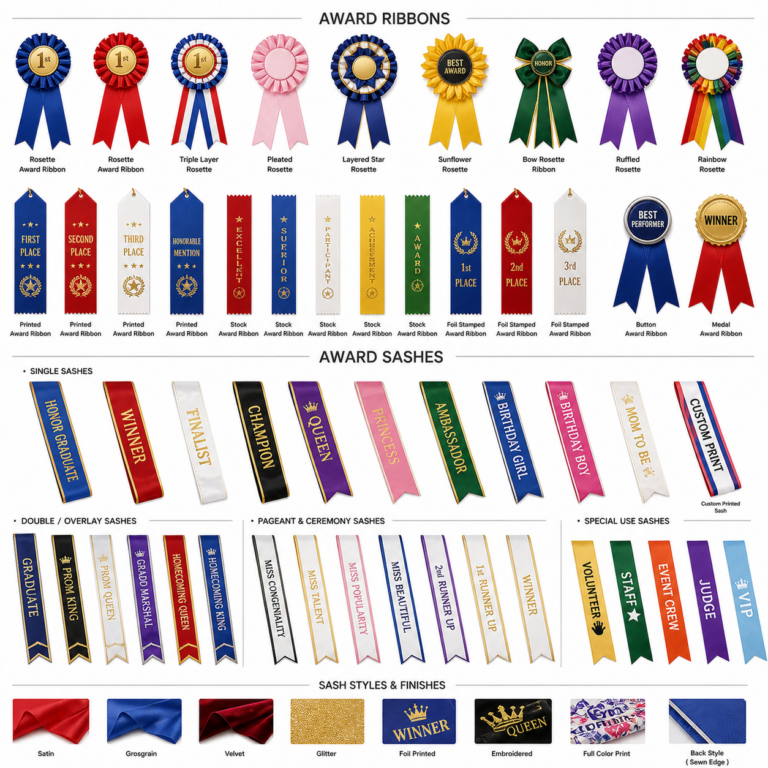 Award Ribbons Wholesale: Bulk award ribbon supplier checks
Shortlist Award Ribbons Wholesale suppliers by factory capability, QC proof, lead time, and reorder reliability. See which options…
Explore guide
Award Ribbons Wholesale: Bulk award ribbon supplier checks
Shortlist Award Ribbons Wholesale suppliers by factory capability, QC proof, lead time, and reorder reliability. See which options…
Explore guide
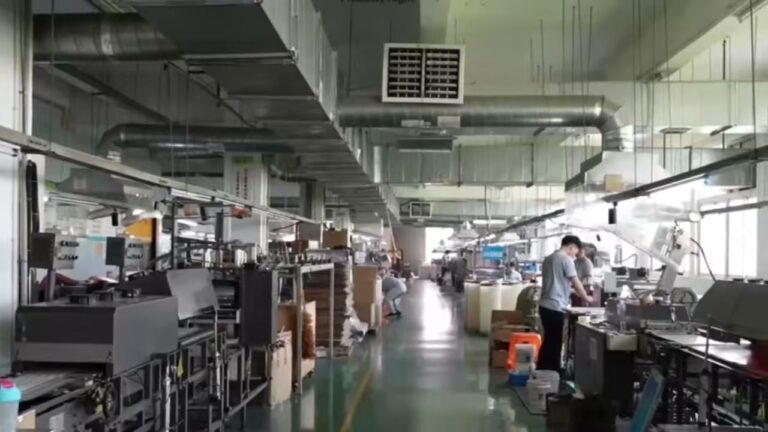 Wholesale Ribbon Manufacturers: Factory vs Trading Company Checklist
Evaluate Wholesale Ribbon Manufacturers options: factory capability, QC proof, lead time, and reorder reliability. Narrow the list before…
Explore guide
Wholesale Ribbon Manufacturers: Factory vs Trading Company Checklist
Evaluate Wholesale Ribbon Manufacturers options: factory capability, QC proof, lead time, and reorder reliability. Narrow the list before…
Explore guide
Leave a comment
Share a sourcing question or feedback on this guide. The Lude team reviews submissions before following up.