


Wholesale Ribbon Manufacturers: Factory vs Trading Company Checklist
Evaluate Wholesale Ribbon Manufacturers options: factory capability, QC proof, lead time, and reorder reliability. Narrow the list before requesting
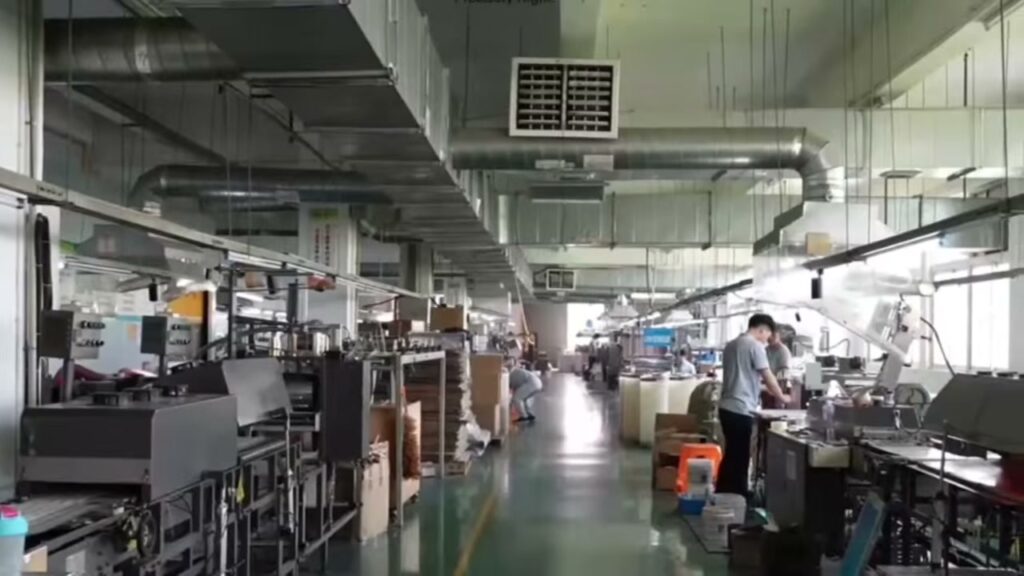
When sourcing from wholesale ribbon manufacturers, supplier comparisons fail if buyers start from catalogs instead of sample control, QC ownership, production change rules, and communication evidence.
When sourcing from wholesale ribbon manufacturers, the useful proof is process ownership: who controls samples, finishing, QC records, and production changes.
The checks below show what evidence to request before treating a supplier as quote-ready.
Direct answer: Shortlist factories for wholesale ribbon manufacturers by sample control, QC ownership, change handling, and communication evidence before comparing price or capacity claims.
Define the Manufacturer Role Your Program Needs
Start with the wholesale ribbon sourcing guide to define the product range, custom-development need, proof standard, and order cadence before comparing manufacturers. This separates a true program-fit shortlist from a catalog-only supplier list.
Start Define the Manufacturer Role Your Program Needs with evidence for wholesale ribbon manufacturers:
- Manufacturer's production capability for custom programs: Verify the supplier runs dedicated custom production lines, not only stock goods. Supplier provides detailed equipment list and print method ranges for custom ribbon. Factory cannot separate custom from stock; may cut corners on sample matching. Request a capability sheet and ask for references of similar custom ribbon programs.
- Minimum order quantity alignment with your order cadence: Check if MOQ is per SKU, per color, per print method, and whether it can be negotiated. Supplier states MOQ is negotiable based on material, width, and order schedule. Supplier insists on a single high MOQ without flexibility for trial batches. Confirm MOQ in writing for your specific product mix and volume tiers.
- Quality control and inspection protocol: Ask whether the supplier uses AQL sampling (e.g., ISO 2859-1) and how defects are handled. Supplier provides a written QC plan with inspection points and rework procedures. Supplier has no documented QC process; relies only on final visual check. Request a sample inspection report and defect classification criteria.
- Sample approval and verification method: Verify that the supplier approves production based on physical sample, not screen proof. Supplier requires signed sample approval before bulk production and keeps a reference sample. Supplier starts production on digital proof alone; color and finish may drift. Establish a sample approval procedure with sign-off for structure, color, and packing.
Resolve these questions before approval: what product families (satin, grosgrain, organza, printed) does the manufacturer specialize in? Specialization affects quality consistency, lead time, and print registration. Which markets does the manufacturer serve (gift packaging, retail, floral, event)? Market focus determines quality grade, packaging format, and compliance knowledge. What is the manufacturer’s typical order cadence and lead time for repeat orders? Order cadence reveals production scheduling flexibility.
Separate stock supply from custom development
A manufacturer that sells stock ribbon may not have the setup for custom colors, printed logos, or bespoke bows. Buyers should confirm whether the factory runs separate custom lines, handles artwork approval, and offers sample matching. Without this distinction, lead times and MOQ expectations can misalign, resulting in delayed programs or off-specification goods.
State product families, markets, and order cadence
Define the ribbon types—satin, grosgrain, organza, printed—and the end markets you serve, such as gift packaging or retail. Communicate expected order frequency and volume per season. This clarity helps the manufacturer allocate production capacity and propose realistic MOQ, lead time, and pricing for your specific program, not a generic quote.
Verify Factory Capability and Production Control
| Criteria | Baseline option | Confirmed option | Buyer meaning | Risk to avoid | Follow-up |
|---|---|---|---|---|---|
| Cost driver: print method and color count impact on unit price | Supplier itemizes cost per color and print method (e.g., rotary screen vs. digital) in quote | Supplier gives a single unit price without breaking out print method or color count | Itemized cost lets you compare true production cost for your artwork complexity across suppliers | Hidden per-color surcharges inflate landed cost after sample approval; budget overrun | Require line-item breakdown for print method and color count in RFQ; compare total cost per design |
| Quality control: in-line inspection vs. final batch check | Standard wholesale ribbon manufacturers offer using the supplier's default material, width, and packing route. | Custom wholesale ribbon manufacturers specification with sample proof and factory confirmation in writing. | This affects quote accuracy, cost, sample approval, quality control, reorder consistency for wholesale ribbon manufacturers. | Risk includes quote mismatch, unexpected cost, sample rejection, quality dispute, packing error, reorder drift. | Ask for RFQ confirmation, attach proof, and approve only after sample review. |
| Approval risk: sample sign-off before bulk production | Supplier requires signed sample approval report with color, width, and finish check before bulk run | Supplier proceeds to bulk after email confirmation only, no formal approval document | Formal approval locks specification and shifts liability for mismatch to supplier before production | Email-only approval leads to color or finish drift; no audit trail for rework claim | Use a sample approval template that includes color, width, finish, and packing check; sign before bulk release |
For cost driver: print method and color count impact on unit price, a poor decision can mean hidden per-color surcharges inflate landed cost after sample approval; budget overrun. Request written proof and compare it with the approved sample or specification, then require line-item breakdown for print method and color count in rfq; compare total cost per design. For quality control: in-line inspection vs. final batch check, a poor decision can mean risk includes quote mismatch, unexpected cost, sample rejection, quality dispute, packing error, reorder drift. Request written proof and compare it with the approved sample or specification, then ask for rfq confirmation, attach proof, and approve only after sample review. For approval risk: sample sign-off before bulk production, a poor decision can mean email-only approval leads to color or finish drift; no audit trail for rework claim. Request written proof and compare it with the approved sample or specification, then use a sample approval template that includes color, width, finish, and packing check; sign before bulk release.
For the cost driver: print method and color count impact on unit price checkpoint in wholesale ribbon manufacturers, keep the supplier response, marked sample, approved specification, quotation, and approval owner under the same revision number. If the evidence conflicts with the approved record, hold the quote, sample, or production release until the deviation is explained in writing. Carry the signed decision record into the purchase order, production handoff, shipment release, and later reorder review so every team works from the same baseline.
Request equipment and process evidence
Obtain from the supplier: machine type, print method (rotary screen, digital, or flexo), and finishing line capability. Documented equipment evidence confirms whether the factory can hold your width tolerance and color consistency across production runs. Without this, you risk approving a sample that cannot be replicated at bulk scale.
Confirm material, print, color, and finishing scope
Verify that the supplier’s material sourcing, ink type, color-matching system, and finishing options (cutting, folding, bow making) match your program requirements. A mismatch in scope leads to off-spec goods, rework, and delayed delivery. Document each scope item in the RFQ and sample approval record to prevent drift.
RFQ checkpoint
Check the product route for sizes, structures, materials, finishes, and RFQ details before sampling wholesale ribbon manufacturers.
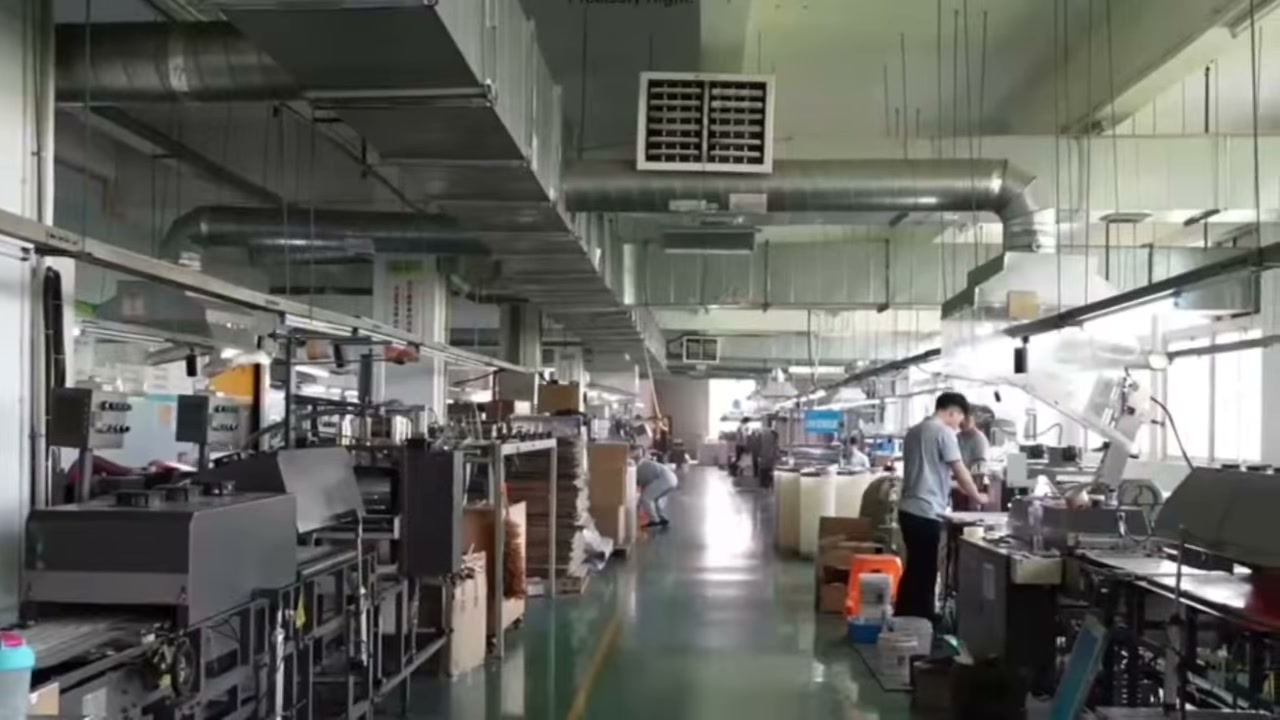
At this checkpoint, you have identified potential wholesale ribbon manufacturers. The next stage requires a normalized specification sheet and a clear understanding of how sampling and order mix affect timing and cost.
Compare Samples, MOQ, Lead Time, and Quote Assumptions
Use compare Samples, MOQ, Lead Time, and Quote Assumptions to compare supplier proof: sample ownership, QC records, change-control responsibility, and the contact who signs the reply.
Normalize specifications before comparing prices
Before comparing quotes, ensure all specifications are normalized. Ribbon width, material composition, color fastness, print method, and packaging type must be identical across suppliers. A factory may quote a lower price for a narrower ribbon or different material, skewing the comparison. Use a standardized specification sheet to align variables.
- Define the exact ribbon width in millimeters, including tolerance.
- Specify material (e.g., satin, grosgrain, polypropylene) and weave density.
- Agree on color matching (Pantone or custom dye) and allow for slight dye lot variation.
- Confirm print method (flexo, screen, digital) and number of colors.
Additional RFQ items include set packaging requirements: inner roll length, core size, and carton quantity.
Check how sampling and order mix affect timing
Sampling and order mix can significantly impact lead time and MOQ assumptions. A multi-item order may require separate production runs, extending delivery. The table below compares factory and trading company approaches to these factors.
| Factor | Factory | Trading Company |
|---|---|---|
| Specification clarity | Directly controls production specs, but may require exact technical details upfront. | Acts as intermediary; may misinterpret specs, causing delays. |
| Sampling cost implications | Often charges for sample development if new color or print; sample cost deducted from bulk order. | May add a markup on sample fees; less transparent. |
| Order mix flexibility | Can consolidate multiple SKUs in one production run if same material and process, lowering MOQ per SKU. | Typically aggregates orders from multiple factories, limiting mix flexibility. |
| Quote assumptions | Quotes based on exact specs; changes after sampling may adjust price. | Quotes may include buffers; final price often higher after sampling. |
Use OEM and ODM ribbon development to test whether the shortlisted factory can turn the agreed sample, MOQ, timing, and quote assumptions into a controlled custom-production handoff.
Review Quality, Communication, and Export Proof
Start Review Quality, Communication, and Export Proof with evidence for wholesale ribbon manufacturers:
- Supplier cannot name a single QC contact for your order. Without a named inspector, color, width, and finish checks are unassigned, increasing off-spec bulk shipment risk. Require the supplier to assign a QC lead and describe their in-line inspection frequency. Organizational chart or written QC process showing who checks each production stage. Document the QC contact name and approval step in the sample approval record.
- Supplier provides a generic quote without line-item breakdown for print method and color count. Hidden per-color surcharges can inflate landed cost after sample approval, causing budget overrun. Ask for a line-item RFQ that separates material, print, color, and finishing costs per design. Itemized quotation showing unit price per color and print method. Compare total cost per design across suppliers before sample sign-off.
- Supplier accepts sample approval by email only, without a formal sign-off template. Email-only approval leads to color or finish drift with no audit trail for rework claims. Use a sample approval template that includes color, width, finish, and packing check; sign before bulk release. Signed sample approval record with date and revision number. Attach the signed record to the purchase order and production handoff.
- Supplier cannot provide machine type or print method documentation. Without documented equipment evidence, you risk approving a sample that cannot be replicated at bulk scale. Ask for machine type, print method (rotary screen, digital, or flexo), and finishing line capability in writing. Equipment list or factory capability sheet signed by the supplier. Verify the documented capability matches your program requirements before RFQ release.
Assign approval and inspection responsibility
Before bulk production, confirm who at the supplier owns sample approval and in-line inspection. A named QC lead ensures color, width, and finish checks are performed at each stage. Without this assignment, off-spec goods can reach shipment undetected. Document the responsible person and their inspection frequency in the sample approval record to create a clear audit trail.
Test response quality with a controlled RFQ
Send a controlled RFQ that includes your approved specification, sample, and a line-item cost breakdown request. Evaluate whether the supplier returns a complete, itemized quote with print method and color count details. A vague or incomplete response signals poor communication and hidden cost risk. Compare total cost per design across suppliers and reject quotes that omit key variables.
For printed programs, compare the supplier’s quality and communication evidence with the custom printed ribbon route before accepting export and production proof.
Use a Scorecard to Build the Supplier Shortlist
If a supplier cannot meet your minimum spec tolerance on a first sample, they are unlikely to improve at scale. Use a scorecard to weigh capability, sample discipline, and consistency before proceeding to RFQ.
Weight capability, sample discipline, and consistency
Score each candidate on three axes: technical capability (e.g., satin ribbon weave density, colorfastness), sample discipline (on-time submission, adherence to spec), and consistency across multiple samples. A factory that delivers three identical samples demonstrates process control; a trading company may vary batch to batch.
Record risks, proof gaps, and next actions
Document any missing certifications, unclear production risk, or vague cost breakdowns. For each gap, assign a buyer follow-up—such as requesting a production audit or a second round of samples—before shortlisting. This structured approach ensures you compare factories and trading companies on execution, not promises.
Test the final shortlist against the intended packaging application on the gift and retail packaging ribbon solutions page before nominating a supplier.
Source check: ISO 2859-1 sampling inspection standard.
In conclusion
The final approval for a wholesale ribbon manufacturer comes when every cost driver, sample check, and supplier capability record is consistent under a single revision number. You have compared the factory’s print method, color count, and machine type against your approved specification, verified that the sample matches the quoted width, finish, and packing, and documented the QC lead and inspection frequency. With this decision record in hand, you can now shortlist the supplier whose evidence, cost breakdown, and lead-time commitment align with your program requirements.
Review ribbon products to confirm the available route, then send specs for review with the final specification, quote assumptions, sample approval criteria, QC evidence, and supplier follow-up before bulk order.
Wholesale Ribbon Manufacturer FAQ
What factory evidence should buyers request?
Request documented evidence of the factory’s machine type, print method (rotary screen, digital, or flexo), and finishing line capability to confirm they can hold your width tolerance and color consistency across production runs. Compare this evidence against your approved specification and sample to ensure the factory can replicate the sample at bulk scale, and require a line-item cost breakdown in the RFQ that separates print method and color count surcharges to avoid hidden costs.
How can buyers compare quotes fairly?
Normalize all specifications—ribbon width, material composition, color fastness, print method, and packaging type—across suppliers before comparing quotes, as a factory may quote a lower price for a narrower ribbon or different material. Use a standardized specification sheet and request RFQ pricing for at least two volume tiers with both air and sea freight options, then compare total cost per design including any per-color surcharges and lead-time implications to ensure a fair comparison. Ask how QC will check the sample, color, finish, packing, and bulk order.
Which controls reduce sample-to-bulk drift?
Use a sample approval template that includes color, width, finish, and packing checks, and require sign-off before bulk production release to create an audit trail and prevent email-only approval that leads to color or finish drift. Document the responsible QC lead and their inspection frequency in the sample approval record, and compare the supplier’s written response against the approved specification and sample to verify consistency before releasing the bulk order. Separate material, setup, packing, freight, and reorder cost drivers in the RFQ.
For context on the factory-side perspective used in this supplier checklist, review the Lude Ribbon factory.
Keep exploring
Recommended buyer guides
 Velvet Ribbon Wholesale Checklist: MOQ, Finish, and Supplier Questions
Evaluate velvet ribbon wholesale options: MOQ, setup fees, unit cost, and packing. Narrow the list before requesting samples…
Explore guide
Velvet Ribbon Wholesale Checklist: MOQ, Finish, and Supplier Questions
Evaluate velvet ribbon wholesale options: MOQ, setup fees, unit cost, and packing. Narrow the list before requesting samples…
Explore guide
 Wholesale Ribbon By The Roll: Roll length and inventory planning
Evaluate Wholesale Ribbon By The Roll options: factory capability, QC proof, lead time, and reorder reliability. Narrow the…
Explore guide
Wholesale Ribbon By The Roll: Roll length and inventory planning
Evaluate Wholesale Ribbon By The Roll options: factory capability, QC proof, lead time, and reorder reliability. Narrow the…
Explore guide
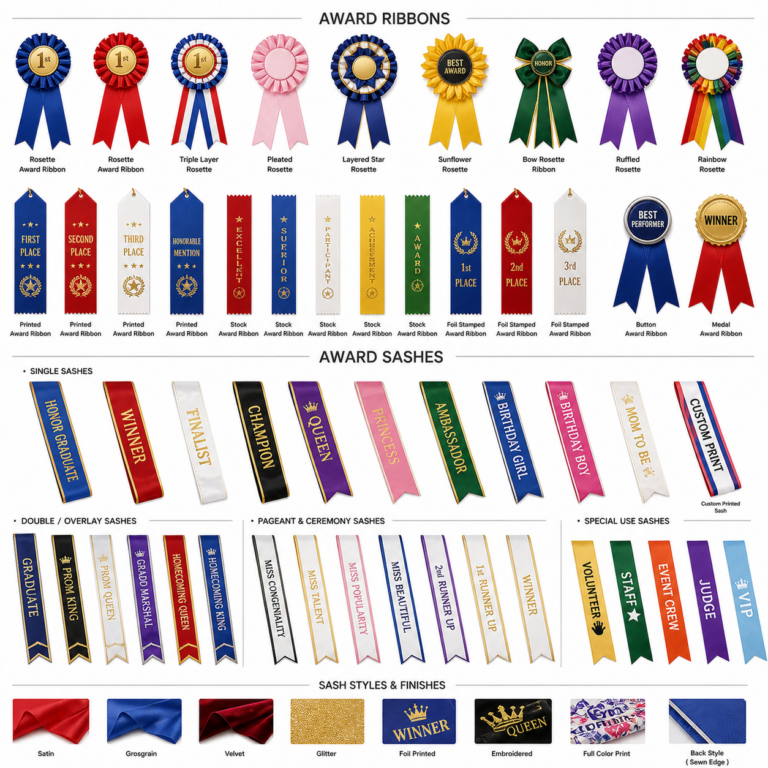 Award Ribbons Wholesale: Bulk award ribbon supplier checks
Shortlist Award Ribbons Wholesale suppliers by factory capability, QC proof, lead time, and reorder reliability. See which options…
Explore guide
Award Ribbons Wholesale: Bulk award ribbon supplier checks
Shortlist Award Ribbons Wholesale suppliers by factory capability, QC proof, lead time, and reorder reliability. See which options…
Explore guide
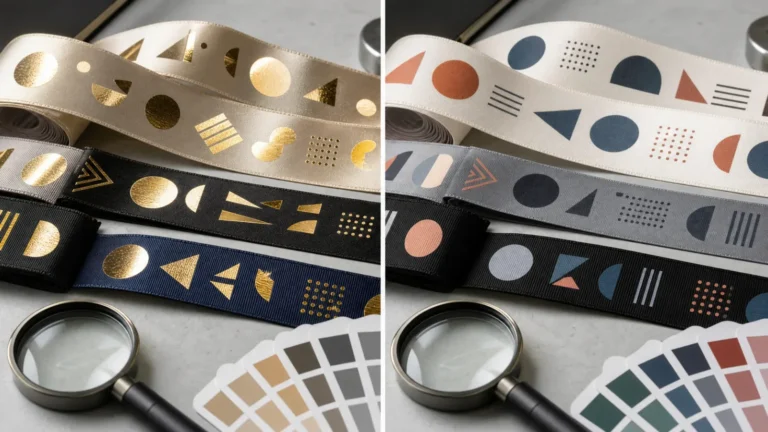 Wholesale Foil Printed Ribbon: Supplier Proof and RFQ Checklist
Foil printed ribbon: what to check on artwork files, print method, color target, and factory capability before placing…
Explore guide
Wholesale Foil Printed Ribbon: Supplier Proof and RFQ Checklist
Foil printed ribbon: what to check on artwork files, print method, color target, and factory capability before placing…
Explore guide
Leave a comment
Share a sourcing question or feedback on this guide. The Lude team reviews submissions before following up.