


Why Custom Satin Ribbon Cracks After 6 Months and How to Stop It
Evidence and specification note: Color targets, tolerances, test methods, documentation, acceptance criteria, and remedies must be confirmed for the quoted material and written into the approved sample, specification, and sales agreement. General scenarios in this article are not guaranteed production results. satin ribbon cracking is the first checkpoint buyers should lock before they approve a…
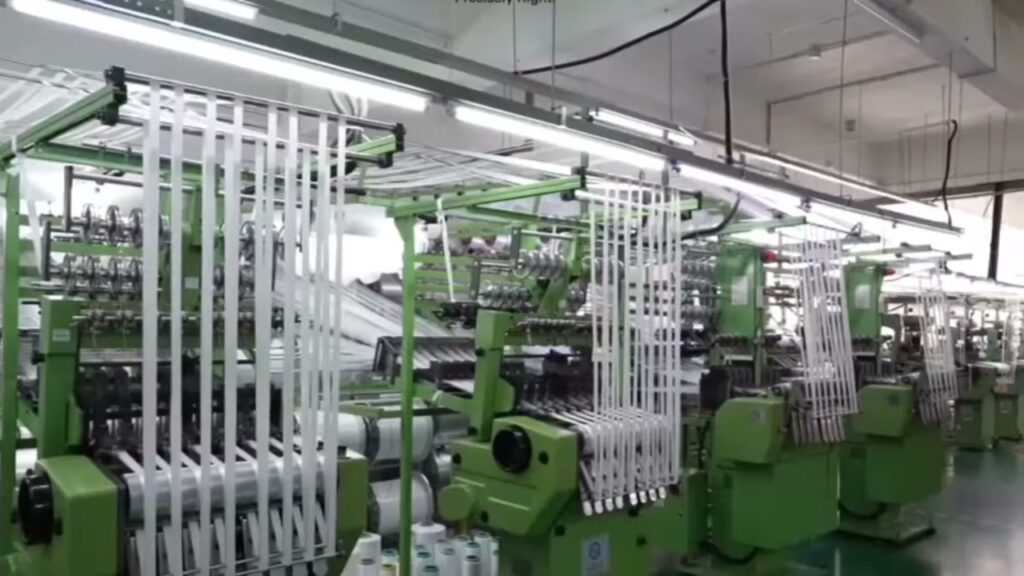
satin ribbon cracking is the first checkpoint buyers should lock before they approve a supplier, budget, or production slot. You spec the Pantone. You approve the sample. Six months later, the ribbon on your shelf looks like it aged a decade. That is not a storage mistake by your distributor. It is a specification gap. Satin ribbon cracking after 6 months is rarely about how someone folded the roll. It is about what the supplier left out of the polymer mix.
Any performance percentage, defect rate, cycle count, or test threshold must be verified on the selected material using a dated test method, documented conditions, acceptance criteria, sample result, and production-lot record.
The Physical Cause: Why Satin Gets Brittle
UV and heat degrade polyester; specification prevents failure.
This percentage is not a verified cross-program result. Define the buyer-approved method, conditions, acceptance threshold, sample or lot, date, result, and remedy before using it as a specification or decision input.
Do not reuse a fixed test threshold across materials or applications. State the buyer-approved method, conditions, repetitions where applicable, acceptance criteria, date, and sample or lot result.
- Do not reuse a fixed technical or color threshold across materials and applications. State the buyer-approved method, conditions, repetitions where applicable, acceptance criteria, date, sample or lot, result, and remedy.
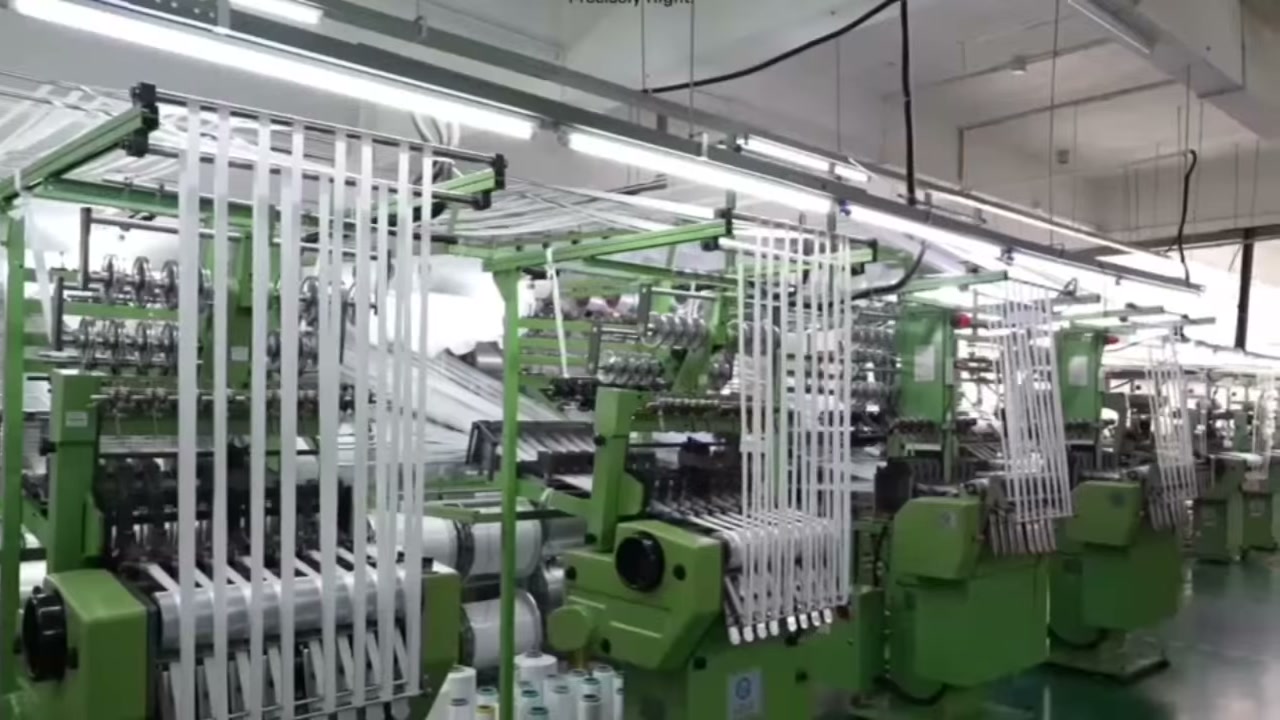
- Risk multiplier: Low rib density combined with UV exposure or heat can cut usable shelf life in half. A 44‑thread ribbon may fail in 6 months where a 48‑thread version lasts 18+ months under identical conditions.
The practical takeaway: brittle satin is almost never a storage or handling complaint — it is a specification gap. Buyers who specify color and width but ignore UV stabilizer content, rib density, and storage temperature range leave the door open to preventable field failures.
How to Specify a Ribbon That Won’t Crack
Defect, rejection, rework, complaint, and return rates must not be generalized across programs. Define the buyer-approved acceptance criteria and verify the selected material with a dated sample or production-lot record.
Satin ribbon cracking is not a material defect—it is a specification gap. Most buyers specify color and width but omit UV resistance and weave density. The fix is a four-point engineering spec that any competent factory can meet.
- Any percentage premium, discount, saving, or cost comparison depends on the approved material, width, decoration, quantity, packing, delivery terms, and destination. Compare dated quotations against the same written specification.
- Do not reuse a fixed technical or color threshold across materials and applications. State the buyer-approved method, conditions, repetitions where applicable, acceptance criteria, date, sample or lot, result, and remedy.
- Any performance percentage, defect rate, cycle count, or test threshold must be verified on the selected material using a dated test method, documented conditions, acceptance criteria, sample result, and production-lot record.
- Physical Sample Aged Under Simulated Conditions: Never skip sampling. Ask for a sample artificially aged (e.g., 100 hours UV) to physically assess brittleness before bulk production. Lude’s mandatory sampling step prevents many post-production disputes.
Storage Conditions That Kill Ribbon (And How to Avoid Them)
Storage conditions matter, but only if the ribbon is properly specified first.
Physical sample approval can reduce mismatch and rework risk; use the signed sample, written specification, and dated production records as the control evidence.
Do not reuse a fixed test threshold across materials or applications. State the buyer-approved method, conditions, repetitions where applicable, acceptance criteria, date, and sample or lot result.
Seal each roll in an opaque poly bag until the moment it hits the packaging line. Dust, light, and humidity variations degrade the surface finish. Implement strict FIFO rotation: use all ribbon within 12 months of receipt. Lude Ribbon’s stabilized satin has a documented shelf life of 18+ months under these conditions, but inventory turnover prevents accidental aging.
Conclusion
This percentage is not a verified cross-program result. Define the buyer-approved method, conditions, acceptance threshold, sample or lot, date, result, and remedy before using it as a specification or decision input.
Frequently Asked Questions
Why does my satin ribbon become brittle after a few months?
Do not reuse a fixed test threshold across materials or applications. State the buyer-approved method, conditions, repetitions where applicable, acceptance criteria, date, and sample or lot result.
How long does custom satin ribbon last?
This percentage is not a verified cross-program result. Define the buyer-approved method, conditions, acceptance threshold, sample or lot, date, result, and remedy before using it as a specification or decision input.
Does UV light damage satin ribbon in packaging?
This percentage is not a verified cross-program result. Define the buyer-approved method, conditions, acceptance threshold, sample or lot, date, result, and remedy before using it as a specification or decision input.
Can ribbon be stored to prevent cracking?
Do not reuse a fixed test threshold across materials or applications. State the buyer-approved method, conditions, repetitions where applicable, acceptance criteria, date, and sample or lot result.
What is the best temperature for storing satin ribbon rolls?
Do not reuse a fixed test threshold across materials or applications. State the buyer-approved method, conditions, repetitions where applicable, acceptance criteria, date, and sample or lot result.
Keep exploring
Recommended buyer guides
 Wholesale Opening Ceremony Ribbon: Specs, Roll Length, and RFQ Checks
Which Opening Ceremony Ribbon options deserve an RFQ? Compare artwork files, print method, color target, and sample approval…
Explore guide
Wholesale Opening Ceremony Ribbon: Specs, Roll Length, and RFQ Checks
Which Opening Ceremony Ribbon options deserve an RFQ? Compare artwork files, print method, color target, and sample approval…
Explore guide
 Wired-Edge Ribbon: Stop Bow Collapse in Transit
Evidence and specification note: Color targets, tolerances, test methods, documentation, acceptance criteria, and remedies must be confirmed for…
Explore guide
Wired-Edge Ribbon: Stop Bow Collapse in Transit
Evidence and specification note: Color targets, tolerances, test methods, documentation, acceptance criteria, and remedies must be confirmed for…
Explore guide
 Grosgrain Ribbon MOQ: What Changes the Minimum Order
Understand what changes grosgrain ribbon MOQ, how to simplify the specification, and what to send for a comparable…
Explore guide
Grosgrain Ribbon MOQ: What Changes the Minimum Order
Understand what changes grosgrain ribbon MOQ, how to simplify the specification, and what to send for a comparable…
Explore guide
 Custom Ribbon MOQ: How to Lower Minimum Order Quantities
Evidence and specification note: Color targets, tolerances, test methods, documentation, acceptance criteria, and remedies must be confirmed for…
Explore guide
Custom Ribbon MOQ: How to Lower Minimum Order Quantities
Evidence and specification note: Color targets, tolerances, test methods, documentation, acceptance criteria, and remedies must be confirmed for…
Explore guide
Leave a comment
Share a sourcing question or feedback on this guide. The Lude team reviews submissions before following up.