


Wholesale Opening Ceremony Ribbon: Specs, Roll Length, and RFQ Checks
Which Opening Ceremony Ribbon options deserve an RFQ? Compare artwork files, print method, color target, and sample approval to find the right production
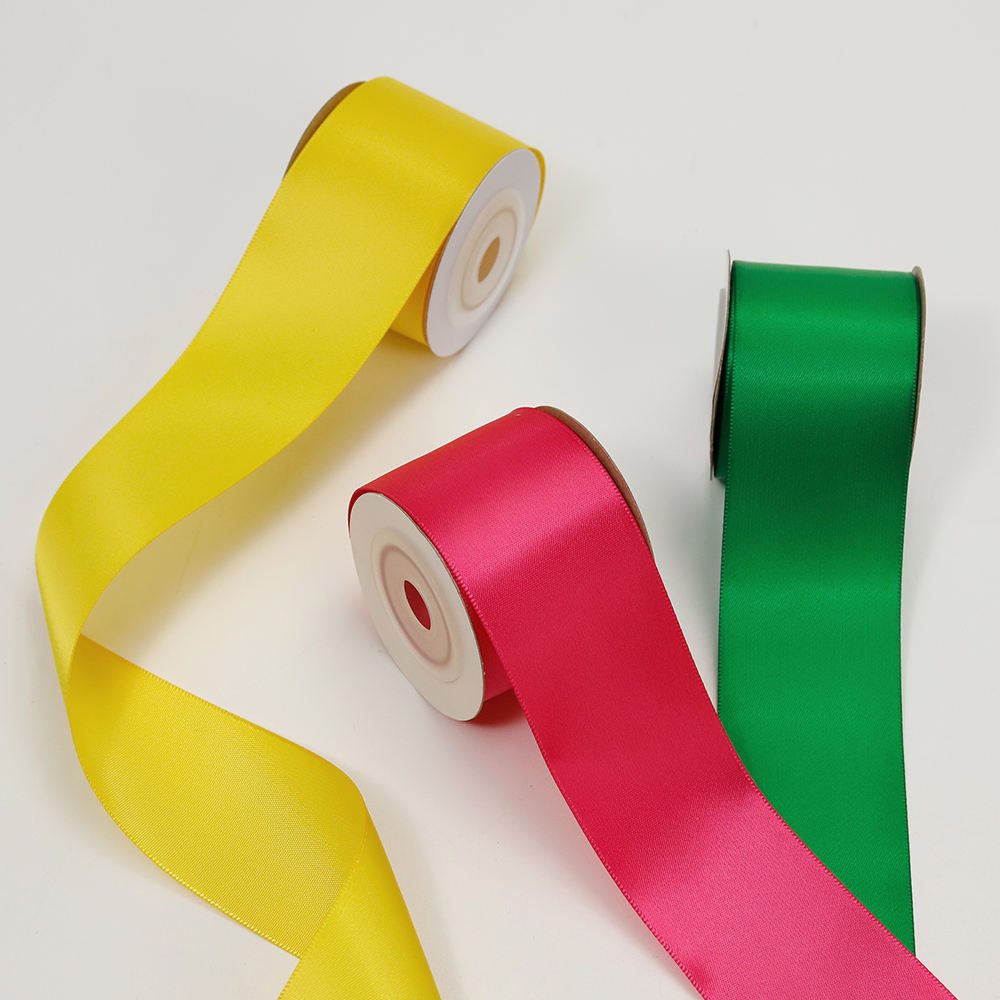
Export RFQs become hard to compare when specs, quote assumptions, samples, and approval ownership sit in different messages.
A useful factory reply turns the buyer's use case into written specs, sample checks, and quote assumptions.
The sections below turn the topic into buyer checks, supplier proof requests, and RFQ handoff details on one revision.
Direct answer: Treat opening ceremony ribbon as order-ready only when material, width, color or print target, packing, sample acceptance, and commercial terms share one written revision.
Define the Ceremony Use and Fixed Event Date
The comparison turns on the ceremony format and the fixed event date. A ribbon-cutting with a large scissors requires a wider ribbon than a ceremonial handover. A fixed date locks the sample approval and production schedule. Common problems include color mismatch between the ribbon and event branding, delayed sample arrival that misses the ceremony, and artwork placement errors that shift the logo off-center. To avoid these, document the ceremony use (ribbon-cutting, handover, or backdrop), the event date, and the required ribbon width, material, and color before the RFQ.
| Specification | Quality control | Verification method | Risk to avoid | Buyer action |
|---|---|---|---|---|
| Ribbon width and length | Measure at three points with a calibrated ruler | Request a sample and compare against the approved spec | Ribbon too narrow for scissors or too short for the ceremony | Confirm width and length in the RFQ; approve only after sample measurement |
| Material and color | Check Pantone match under event lighting | Request a physical sample and compare to the approved color standard | Color mismatch with branding or poor drape in photos | Provide a Pantone reference; approve sample only after visual check |
| Artwork placement | Verify logo position and repeat spacing on the sample | Compare the physical sample against the approved digital proof | Logo off-center or misaligned repeat | Approve the digital proof before sample production; reject if placement deviates |
After the table is complete, shortlist only suppliers who provide a written confirmation of the ceremony use, event date, and ribbon specification. This evidence becomes the baseline for the sample approval gate: the physical sample must match the RFQ-confirmed spec before bulk production is released. For the broader buying framework, review the award ribbons and sashes ordering hub.
Use award ribbons and sashes ordering hub for the wider buying framework.
Specify Ribbon Width, Length, Material, and Color
Use the ceremony format and event date to set the ribbon spec. A ribbon-cutting with a large scissors needs a wider ribbon than a ceremonial handover. The fixed date locks sample approval and production. Common problems include color mismatch with event branding, delayed sample arrival, and artwork placement errors. To avoid these, document the ceremony use, event date, and required ribbon width, material, and color as a Pantone reference before the RFQ.
| Option | Best Fit | Risk to Avoid | Verification Check | Buyer Follow-Up |
|---|---|---|---|---|
| Satin ribbon | Formal indoor events with bright lighting; smooth, glossy finish for photos | Frays if edge is not sealed; shows water spots | Obtain a sealed-edge sample; inspect under event lighting for sheen and fraying | Confirm edge finish and Pantone match in writing before sample approval |
| Grosgrain ribbon | Outdoor or high-traffic events; durable ribbed texture holds shape | Rib texture may not match formal branding; color appears muted | Compare rib density and color against a physical swatch under daylight | Collect a width-and-texture sample card before quoting |
| Custom printed ribbon | Events with logo or branding on the ribbon; requires artwork approval | Artwork placement shifts off-center; color mismatch on print | Approve a digital proof on a to-scale ribbon background before sample | Lock artwork revision and Pantone reference in the RFQ |
After the table is complete, shortlist only suppliers who provide written confirmation of the ceremony use, event date, and ribbon specification. This evidence becomes the baseline for the sample approval gate: the physical sample must match the RFQ-confirmed spec before bulk production is released. For the broader buying framework, review award ribbons and sashes.
Confirm the cost driver assumption before the buyer signs the approval record.
RFQ checkpoint
Confirm the route, specs, proof requirements, and quote step before sampling opening ceremony ribbon.
Prepare Logo Artwork and Repeat Inputs
Start with evidence for opening ceremony ribbon:
- Can the supplier print the logo at the exact scale and centered placement on the specified ribbon width? Ensures the logo does not cut off or shift off-center during production, which would cause reprint costs and ceremony delay. Supplier provides a digital mockup with exact dimensions and confirms print method (screen, hot stamp, or digital) suitable for the ribbon material. Misaligned or cropped logo requires reprint at expedited cost, risking missed event date. Request a scaled mockup on the supplier’s artwork template and confirm alignment before proof approval.
- What is the supplier’s standard proof approval checkpoint before moving to sampling? Verbal approval leads to color or size mismatches that are not recoverable after production begins. Supplier requires a signed PDF proof and keeps a revision log; approval is timestamped and linked to the RFQ. Production without written proof approval voids claim rights for rework or refund. Set a proof approval gate with a 48-hour deadline and attach the signed proof to the order file.
- What quality control checks does the factory perform on artwork placement and ink adhesion during the sample run? Ink adhesion and placement accuracy directly affect the ribbon’s appearance during the ceremony and photo angles. Factory inspects each roll for ink adhesion, color density, and placement alignment using a calibrated ruler and light box. Poor adhesion causes smudging on ceremony day; placement errors are visible in all event photos. Request QC photos of the sample run showing ruler measurement of logo placement and ink adhesion test results.
Lock artwork scale and placement
Provide the supplier with a vector artwork file (AI or EPS) that includes the exact logo dimensions in inches or millimeters relative to the ribbon width. Specify the distance from the left edge and the vertical centering. For repeated logos, define the repeat interval. This locks the print position so the factory can create a template that matches the ceremony layout.
Confirm proof checkpoints before sampling
Require the supplier to produce a digital proof showing the artwork on a to-scale ribbon background. Approve the proof only after verifying the logo size, color match (Pantone), and placement against the ceremony diagram. Do not release the sample order until the proof is signed and dated. This checkpoint prevents misinterpretation that leads to sample rejection.
Check logo scale, repeat spacing, and viewing distance against the event and promotion ribbon solutions page before the artwork proof becomes a production reference.
Plan Sample Approval and Production Timing
During quote review, the record needed before the next stage is a written timeline that ties artwork approval, sample production, shipping, and the fixed event date into one schedule. Without this record, the buyer risks approving a sample that arrives after the ceremony or a production delay that misses the event. Use the steps below to lock each timing variable before the RFQ.
Set the artwork approval deadline
The artwork proof must be signed and dated before the sample order is released. The supplier cannot start production until the proof is approved. Risk if ignored: the sample arrives after the event date, or the artwork is corrected after the factory has already cut ribbon. Verify by asking the supplier to state the number of business days needed for proof review and revision. Document the deadline in the RFQ as a calendar date, not a relative term.
Include production, shipping, and event-date buffers
The production lead time starts only after the sample is approved. Add shipping time and a buffer for customs or weather delays. The event date is fixed; the ribbon must arrive at least three business days before the ceremony for staging. Use this checklist to confirm:
- Confirm the supplier's production lead time in business days after sample approval.
- Add shipping time from the factory to the event location.
- Add a buffer of at least three business days for staging and contingency.
- Compare the total against the event date. If the total exceeds the available window, request expedited production or earlier sample approval.
Document the agreed timeline in the RFQ and sample approval record under the same revision number.
Carry this timeline into the RFQ and sample request. For custom construction or process changes that affect timing, review OEM and ODM ribbon development before fixing the schedule.
Use OEM and ODM ribbon development to align the sample and production handoff.
Build the RFQ, Packing, and Release Checklist
The approved sample, the signed artwork proof, and the supplier’s written timeline form the verifiable record for the RFQ, packing, and release decision. Without these three documents under one revision number, the buyer risks approving a bulk order that arrives with wrong roll lengths, mismatched color, or damaged edges on event day. Use the checklist below to lock each variable before the supplier starts production.
State quantity, pack-out, and delivery requirements
State the total roll quantity and the pack-out method: individual polybag, bulk carton, or master case. Confirm the roll length per unit and the core inner diameter so the ribbon fits the staging equipment. Risk if ignored: short rolls or incompatible cores cause last-minute setup failures. Verification method: request the supplier to confirm the roll length measurement method and the core specification in writing. Buyer follow-up: include the pack-out photo or sketch in the RFQ and ask for a pre-production packing sample.
Complete pre-shipment checks on the photo-facing side
Inspect the ribbon side that will face the camera during the ceremony. Check for color consistency, print registration, and edge finish under the event lighting. Risk if ignored: a narrow ribbon looks undersized in photos, or a wrong material frays before the event. Verification method: compare the physical sample against the approved Pantone swatch and artwork proof. Document each check with a photo and the inspector’s signature.
- Verify the roll length matches the RFQ-confirmed meterage using a calibrated measuring wheel.
- Verify the ribbon width at three points along a 1-meter length; reject if deviation exceeds the agreed tolerance.
- Inspect the edge finish for fraying, uneven seal, or discoloration under controlled light.
- Compare the printed logo placement and color against the signed artwork proof.
Document the inspection results and attach them to the RFQ revision before releasing the bulk order.
Carry this verified checklist into the RFQ and sample approval record. For factory context behind these pack-out controls, review the Lude Ribbon factory before sending the bulk order.
In conclusion
The final approval for opening ceremony ribbon comes when the specification, sample, and quote are aligned under one revision number. Compare the supplier’s written response against your approved ceremony format, ribbon width, material, Pantone reference, and artwork proof. Verify that the physical sample matches the RFQ-confirmed spec before bulk production is released. Risk if ignored: color mismatch, wrong roll length, or damaged ribbon on event day. This guide is based on standard practices; individual supplier terms may vary. For a broader buying framework, review award ribbons and sashes.
Opening Ceremony Ribbon FAQ
What should buyers confirm before requesting a quote?
Document the ceremony format (ribbon-cutting vs. handover), the fixed event date, and the required ribbon width, material, and color as a Pantone reference. Without these inputs, the supplier cannot quote a compatible ribbon, and the sample may arrive after the event or mismatch the branding. Common problems include color mismatch, delayed sample arrival, and artwork placement errors that shift the logo off-center. Verify by documenting each spec in writing before the RFQ.
Which sample checks reduce fixed-date event risk?
The buyer should request a physical sample cut to the specified width and length. Approve only after comparing the Pantone swatch under the event lighting. Inspect the ribbon side that will face the camera during the ceremony for color, print registration, and edge finish. Risk if ignored: a narrow ribbon looks undersized in photos, or a wrong material frays before the event. Document each check with a photo and the inspector’s signature.
What records should be kept for a repeat ceremony order?
Archive the approved specification, sample approval record, and quotation under the same revision number. The supplier must retain a sealed reference sample for future reorder matching. Without this record, the buyer risks color mismatch, wrong roll length, or damaged ribbon on event day. For factory context behind these controls, review the Lude Ribbon factory before releasing the bulk order.
Keep exploring
Recommended buyer guides
 Pre-Tied Bows for Retail Packaging: When They Reduce Labor and Rework
See when pre-tied bows reduce retail packaging labor, improve consistency, and simplify bulk packing, SKU planning, and reorders
Explore guide
Pre-Tied Bows for Retail Packaging: When They Reduce Labor and Rework
See when pre-tied bows reduce retail packaging labor, improve consistency, and simplify bulk packing, SKU planning, and reorders
Explore guide
 Velvet Ribbon Wholesale Checklist: MOQ, Finish, and Supplier Questions
Evaluate velvet ribbon wholesale options: MOQ, setup fees, unit cost, and packing. Narrow the list before requesting samples…
Explore guide
Velvet Ribbon Wholesale Checklist: MOQ, Finish, and Supplier Questions
Evaluate velvet ribbon wholesale options: MOQ, setup fees, unit cost, and packing. Narrow the list before requesting samples…
Explore guide
 Wholesale Custom Ribbon with Logo: Specs, Roll Length, and RFQ Checks
Step-by-step: Custom Ribbon With Logo. Check artwork files, print method, color target, and sample approval to avoid delays,…
Explore guide
Wholesale Custom Ribbon with Logo: Specs, Roll Length, and RFQ Checks
Step-by-step: Custom Ribbon With Logo. Check artwork files, print method, color target, and sample approval to avoid delays,…
Explore guide
 Wholesale Ribbon By The Roll: Roll length and inventory planning
Evaluate Wholesale Ribbon By The Roll options: factory capability, QC proof, lead time, and reorder reliability. Narrow the…
Explore guide
Wholesale Ribbon By The Roll: Roll length and inventory planning
Evaluate Wholesale Ribbon By The Roll options: factory capability, QC proof, lead time, and reorder reliability. Narrow the…
Explore guide
Leave a comment
Share a sourcing question or feedback on this guide. The Lude team reviews submissions before following up.