


Pre-Tied Bows for Retail Packaging: When They Reduce Labor and Rework
See when pre-tied bows reduce retail packaging labor, improve consistency, and simplify bulk packing, SKU planning, and reorders
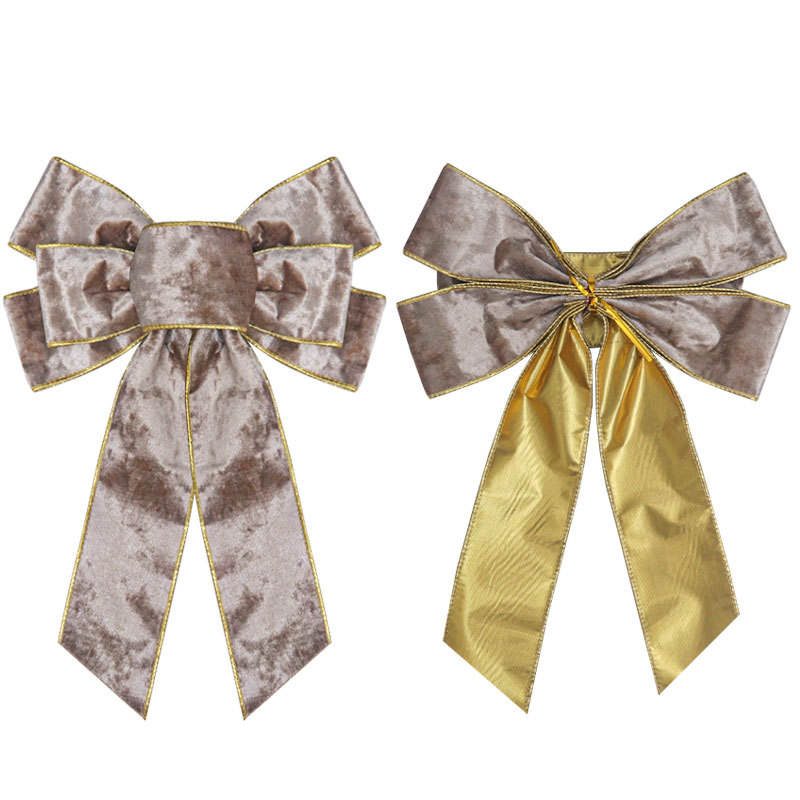
For Pre-Tied Bows for Retail Packaging: When They Reduce Labor and Rework, B2B buyers need a decision record before they compare suppliers. The record should name the buying job, the visible product use, the commercial constraint, and the factory proof needed for bulk production.
Expert note: The Lude Ribbon editorial team works with ribbon manufacturing, sampling, printing, quality control, and export service specialists to create practical B2B buying guides.
This guide separates the specification, quote logic, sample review, and reorder controls so procurement can ask sharper questions and avoid avoidable cost, quality, or lead-time risk.
When this use case fits
Start this part of Pre-Tied Bows for Retail Packaging: When They Reduce Labor and Rework by defining the order boundary. The buyer should name substrate, cut width, shade reference, artwork placement, order volume, and carton plan, then ask the factory which detail changes price, MOQ, sample timing, or inspection.
For the related internal route, review pre-tied bows. That page gives the buyer a place to connect product choice, service process, solution use, or resource planning with the article’s recommendation.
When the buyer needs neutral evidence, use GS1 barcode standards as a reference point, then still confirm the final production standard with the supplier.
| Decision area | Buyer-side input | Factory-side response |
|---|---|---|
| When this use case fits scope | Confirm substrate, cut width, shade reference, artwork placement, order volume, and carton plan; include display setting, customer touchpoint, packing line, gift set, event use, retail shelf. | This makes the buyer request precise enough for quote and factory review. |
| Commercial check | Compare the cost basis, MOQ route, setup need, and packing labor for Pre-Tied Bows for Retail Packaging: When They Reduce Labor and Rework. | The supplier answer should link back to pre-tied bows rather than a generic catalog line. |
| Quality proof | Review factory route, tooling need, production slot, and retained proof; use GS1 barcode standards only when a neutral color, textile, barcode, or inspection reference is helpful. | This keeps evidence practical instead of decorative. |
| Risk control | Watch for quote drift, wrong MOQ route, and late sample revision; record who approves changes. | This protects procurement during sample approval and reorder. |
Best-fit buyer scenarios
For Best-fit buyer scenarios, the buyer should turn the idea into measurable specs: substrate, cut width, shade reference, artwork placement, order volume, and carton plan. This keeps the supplier response tied to a real order instead of a loose product preference.
Cases where another option is safer
For Cases where another option is safer, ask for factory route, tooling need, production slot, and retained proof. The supplier should explain cost, quote basis, production route, and quality risk before sample approval.
RFQ inputs to confirm before selection
For RFQ inputs to confirm before selection, record the accepted sample, packing note, and reorder rule. This gives procurement a way to compare future lots and avoid quote drift, wrong MOQ route, and late sample revision.
Mismatched ribbon weight causes bows to collapse on shelf; verify material stiffness against your box weight before sampling.
Polypropylene handles lightweight retail boxes cheaply, while polyester holds shape on heavier cosmetics. Velvet commands premium pricing but crushes in transit without rigid cartons. Check the Pantone Extended Gamut guide for packaging if your brand requires precise spot-color matching on printed satin.
Flattened loops and crushed cartons destroy retail margins faster than bad ribbon color matches.
Store staff often rip adhesive tabs or crush loops when rushing to pack holiday orders. Confirm the adhesive backing peels cleanly without leaving residue on high-gloss retail boxes. Ignoring this causes rework and wasted packaging stock.
Material and format options
Use this Material and format options check to compare supplier answers, not supplier slogans. Procurement should request evidence for supplier worksheet, sample basis, QC checkpoint, and packing photo and then decide whether the quote matches the real application.
For the related internal route, review gift and retail packaging ribbon solutions. That page gives the buyer a place to connect product choice, service process, solution use, or resource planning with the article’s recommendation.
When the buyer needs neutral evidence, use Pantone Extended Gamut guide for packaging as a reference point, then still confirm the final production standard with the supplier.
| Decision area | Buyer-side input | Factory-side response |
|---|---|---|
| Material and format options scope | Confirm base material, usable width, color standard, logo file, roll packing, and destination terms; include customer touchpoint, packing line, gift set, event use, retail shelf, display setting. | This makes the buyer request precise enough for quote and factory review. |
| Commercial check | Compare the cost basis, MOQ route, setup need, and packing labor for Pre-Tied Bows for Retail Packaging: When They Reduce Labor and Rework. | The supplier answer should link back to gift and retail packaging ribbon solutions rather than a generic catalog line. |
| Quality proof | Review supplier worksheet, sample basis, QC checkpoint, and packing photo; use Pantone Extended Gamut guide for packaging only when a neutral color, textile, barcode, or inspection reference is helpful. | This keeps evidence practical instead of decorative. |
| Risk control | Watch for shade variance, off-center decoration, and packing mismatch; record who approves changes. | This protects procurement during sample approval and reorder. |
Ribbon material options by packaging role
For Ribbon material options by packaging role, the buyer should turn the idea into measurable specs: base material, usable width, color standard, logo file, roll packing, and destination terms. This keeps the supplier response tied to a real order instead of a loose product preference.
Bow format, tail, and attachment decisions
For Bow format, tail, and attachment decisions, ask for supplier worksheet, sample basis, QC checkpoint, and packing photo. The supplier should explain cost, quote basis, production route, and quality risk before sample approval.
Finish and handling risks
For Finish and handling risks, record the accepted sample, packing note, and reorder rule. This gives procurement a way to compare future lots and avoid shade variance, off-center decoration, and packing mismatch.
Chasing the lowest unit price on pre-tied bows usually triggers rework costs that wipe out any upfront savings.
Buyers often compare quotes on a per-piece basis without factoring in application yield. A cheaper bow might use thinner ribbon (e.g., 40-micron poly instead of 80-micron), leading to flaccid loops that ruin premium retail presentations. Verify the ribbon denier or thickness, and ask about defect rates, before approving the quote.
Specifying a complex multi-color logo on a highly textured grosgrain bow guarantees poor ink registration. For retail packaging, match the material to the print method: use smooth satin or polyester for thermal transfer or hot stamping. Ask the factory to confirm the maximum printable area and line-weight tolerance before tooling starts.
Approving a single sample without a documented color standard leads to shade drift across production runs. usually request a physical Pantone reference or lab dip approval. Lock in the exact ribbon batch code and pre-tied bows assembly specs on your purchase order to prevent costly reorder inconsistencies.
Packing, handling, and display checks
A sample is useful only when it proves the buyer’s actual use case. For Packing, handling, and display checks, review packing line, gift set, event use, retail shelf, display setting, customer touchpoint against packaging, event handling, or retail display before bulk production.
For the related internal route, review ribbon resources. That page gives the buyer a place to connect product choice, service process, solution use, or resource planning with the article’s recommendation.
- Confirm ribbon face, edge finish, approved shade, decoration file, yardage plan, and inspection note before treating the quote as comparable.
- Ask the factory to describe production handoff, color control, cut setup, and bulk-lot comparison in writing.
- Check whether hidden setup cost, delayed approval, and weak reorder evidence affects cost, production, or packing.
- Keep buyer approval, sample photo, and reorder notes in the procurement file.
Packing method and carton protection
For Packing method and carton protection, the buyer should turn the idea into measurable specs: ribbon face, edge finish, approved shade, decoration file, yardage plan, and inspection note. This keeps the supplier response tied to a real order instead of a loose product preference.
Handling checks for retail teams
For Handling checks for retail teams, ask for production handoff, color control, cut setup, and bulk-lot comparison. The supplier should explain cost, quote basis, production route, and quality risk before sample approval.
Shelf display and unboxing checks
For Shelf display and unboxing checks, record the accepted sample, packing note, and reorder rule. This gives procurement a way to compare future lots and avoid hidden setup cost, delayed approval, and weak reorder evidence.
Check: Ribbon thickness, loop structure, and print method match your retail box weight and brand guidelines.
Why it matters: Prevents package presentation failures and protects brand perception at retail shelves.
Risk if ignored: Inconsistent branding, high return rates, and increased manual rework labor.
Next action: Request a production-run sample with documented color standards before releasing the final PO.
Common project mistakes
If supplier ambiguity, production queue loss, and inspection dispute appears in the discussion, the buyer should pause and confirm spec, quote basis, and approval evidence.
For the related internal route, review ribbon MOQ and lead time guidance. That page gives the buyer a place to connect product choice, service process, solution use, or resource planning with the article’s recommendation.
- Confirm product route, sample target, print setup, packaging use, buyer deadline, and reorder record before treating the quote as comparable.
- Ask the factory to describe technical review, print trial, carton instruction, and final release note in writing.
- Check whether supplier ambiguity, production queue loss, and inspection dispute affects cost, production, or packing.
- Keep buyer approval, sample photo, and reorder notes in the procurement file.
Choosing by unit price only
For Choosing by unit price only, the buyer should turn the idea into measurable specs: product route, sample target, print setup, packaging use, buyer deadline, and reorder record. This keeps the supplier response tied to a real order instead of a loose product preference.
Ignoring material and print-method fit
For Ignoring material and print-method fit, ask for technical review, print trial, carton instruction, and final release note. The supplier should explain cost, quote basis, production route, and quality risk before sample approval.
Skipping sample and reorder controls
For Skipping sample and reorder controls, record the accepted sample, packing note, and reorder rule. This gives procurement a way to compare future lots and avoid supplier ambiguity, production queue loss, and inspection dispute.
Skipping pre-production verification guarantees color mismatches and delayed retail shelf dates.
Compare the physical sample against your Pantone reference under D65 lighting. Check the tail-securing method (wire, twist tie, or elastic band) to ensure it survives transit. Verify the bow retains its shape after 48 hours of compression in a standard shipping carton. Reject samples showing frayed edges or inconsistent loop symmetry.
Factories see pre-tied bows fail in retail when buyers skip ribbon tail length verification against their specific box dimensions.
Pre-tied bows cut assembly labor. Compare the unit price of pre-tied bows against manual tying time—usually 8–12 seconds per box at line rate. Verify the quote includes the adhesive tail clip.
What to confirm before ordering
Before moving forward, translate What to confirm before ordering into a supplier question. Ask what the factory will make, what the buyer will approve, and what procurement should retain for reorder control.
Quote-ready inputs to prepare
For Quote-ready inputs to prepare, the buyer should turn the idea into measurable specs: construction, color family, artwork repeat, packing label, export document, and approval owner. This keeps the supplier response tied to a real order instead of a loose product preference.
Sample approval checks
For Sample approval checks, ask for manufacturer response, cost driver, artwork control, and reorder code. The supplier should explain cost, quote basis, production route, and quality risk before sample approval.
Bulk production and reorder controls
For Bulk production and reorder controls, record the accepted sample, packing note, and reorder rule. This gives procurement a way to compare future lots and avoid material substitution, carton relabeling, and buyer-side signoff delay.
Retail boxes often use 15mm to 25mm widths. Measure your box lid clearance; a 25mm bow looks crushed on a shallow lid. Request a physical sample on your actual box before approving production.
Request a Pantone TPX reference match and ask the supplier to attach a lab dip swatch to the approval sheet. Without this, retail shelf sets will show visible shade shifts between purchase orders.
Check whether the factory uses heat-sealed edges to prevent fraying and a high-tack adhesive patch. Ask for a transit rub test; adhesive failure causes detached bows and direct customer returns.
Ready to confirm specs? Share the ribbon material, width, print method, color target, quantity, packing, and timeline so Lude Ribbon can review the project before quoting.
Conclusion
Pre-Tied Bows for Retail Packaging: When They Reduce Labor and Rework should end with a decision record: chosen route, buyer specification, factory proof, cost basis, sample approval, packing rule, and reorder evidence. That record is what keeps the order from drifting after the first quote.
For final commercial planning, confirm MOQ route and timing without mixing product families. Plain stock ribbon starts at 1,500 yards per selected color. Printed ribbon starts at 3,000 yards per design or program. Standard production lead time is 15-20 business days after specifications are confirmed.
The practical close is simple: ask the factory for factory route, tooling need, production slot, and retained proof, then store that answer with the sample and PO so procurement can control cost, quality, and delivery risk.
FAQs About Pre-tied Bows for Retail Packaging
What should buyers prepare first?
Prepare application scene, handling method, visible surface, supplier proof, cost basis, and bulk release rule. The factory can then price the same project the buyer expects to approve.
How do MOQ and lead time fit into the decision?
Use MOQ only after the route is clear: stock ribbon, printed ribbon, custom development, or piece-based rosette and sash work. Standard production lead time is 15-20 business days after specifications are confirmed.
What should be kept for reorder control?
Keep the approved sample, file version, color note, packing photo, inspection point, and supplier answer about workshop confirmation, sample seal, inspection level, and shipping handoff.
Which warning sign deserves follow-up?
Follow up when the quote avoids unclear tolerance, rush negotiation, and repeated sample loops, because that usually means the buyer and supplier are not pricing the same requirement.
Keep exploring
Recommended buyer guides
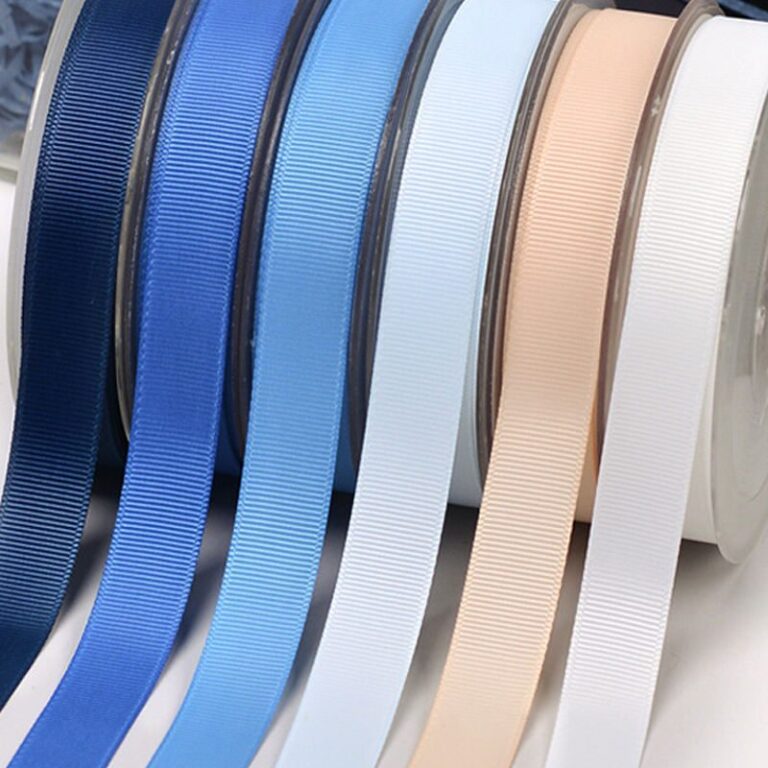 Wholesale Grosgrain Ribbon Rolls: Specs, Roll Length, and RFQ Checks
Buying Grosgrain Ribbon Rolls? Verify sample approval, color tolerance, QC checks, and material to reduce quoting errors and…
Explore guide
Wholesale Grosgrain Ribbon Rolls: Specs, Roll Length, and RFQ Checks
Buying Grosgrain Ribbon Rolls? Verify sample approval, color tolerance, QC checks, and material to reduce quoting errors and…
Explore guide
 Wholesale Foil Printed Ribbon: Use-Case Fit and RFQ Checklist
Buying foil printed ribbon: buyer use-case fit checklist? Verify artwork files, print method, and color target to reduce…
Explore guide
Wholesale Foil Printed Ribbon: Use-Case Fit and RFQ Checklist
Buying foil printed ribbon: buyer use-case fit checklist? Verify artwork files, print method, and color target to reduce…
Explore guide
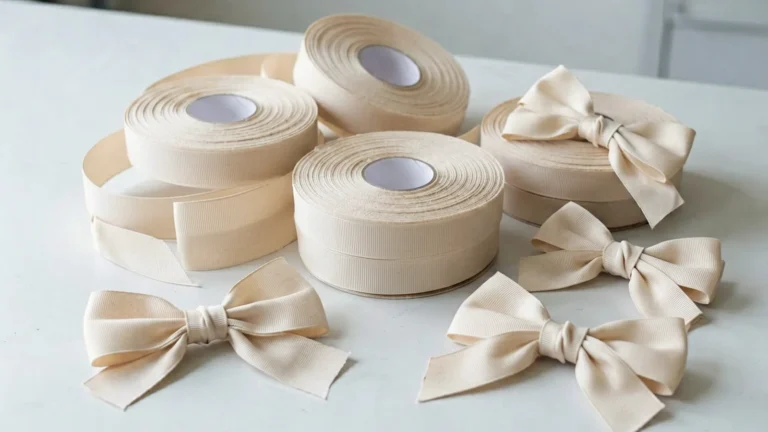 Grosgrain Ribbon Width Guide: Width choice for packaging and bows
Grosgrain Ribbon Width Guide: what to check on artwork files, print method, color target, and material before placing…
Explore guide
Grosgrain Ribbon Width Guide: Width choice for packaging and bows
Grosgrain Ribbon Width Guide: what to check on artwork files, print method, color target, and material before placing…
Explore guide
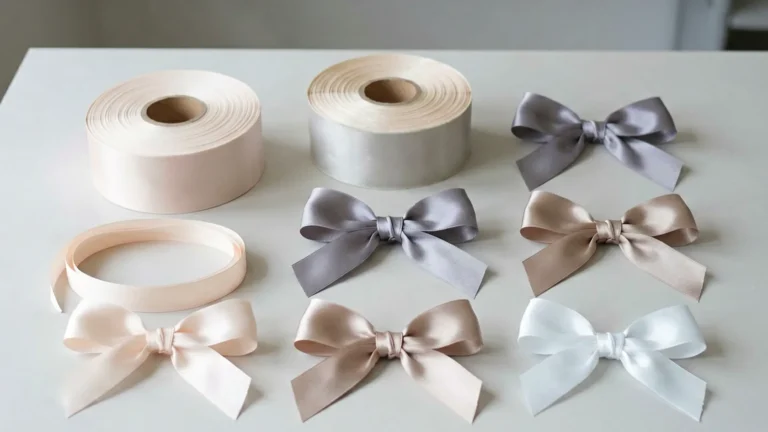 Promotional Ribbon: Promotion project options
Shortlist Promotional Ribbon suppliers by sample approval, color tolerance, QC checks, and use case. See which options fit…
Explore guide
Promotional Ribbon: Promotion project options
Shortlist Promotional Ribbon suppliers by sample approval, color tolerance, QC checks, and use case. See which options fit…
Explore guide
Leave a comment
Share a sourcing question or feedback on this guide. The Lude team reviews submissions before following up.