


Wholesale Grosgrain Ribbon Rolls: Specs, Roll Length, and RFQ Checks
Buying Grosgrain Ribbon Rolls? Verify sample approval, color tolerance, QC checks, and material to reduce quoting errors and approval rework
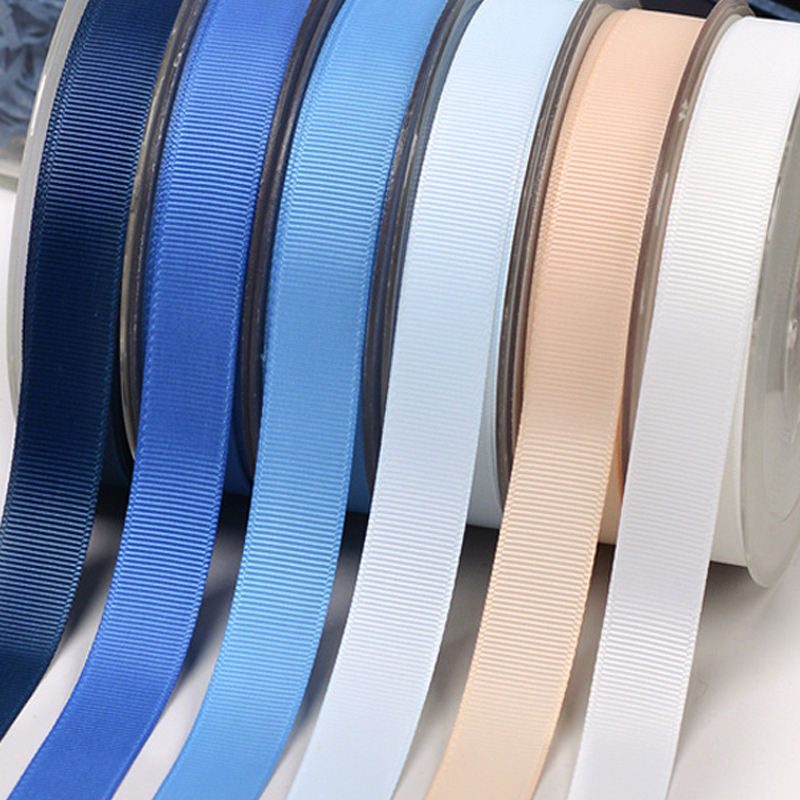
Sourcing is cleaner when the buyer defines use case, required proof, sample decision, and quote inputs before outreach.
Compare suppliers by the evidence behind the quote, not by a single unit price or a generic capability list.
Follow the sample and commercial checks that make supplier replies comparable before bulk release.
Direct answer: grosgrain ribbon rolls is a woven ribbon with a visible ribbed texture. Choose it for packaging or branding only after width, rib structure, color, print compatibility, packing, quantity, and sample acceptance are matched to the use case.
Calculate Roll Length From the Packaging Use
Before converting package counts into roll demand, align material, width, rib texture, print, and packing assumptions with the grosgrain ribbon wholesale buying guide. That keeps the quantity model tied to the same approved construction the supplier will quote and sample.
| Option | Best fit | Trade-off | Risk to avoid | Verification | Follow-up |
|---|---|---|---|---|---|
| 50-yard roll for reduced inventory | Lower volume per package or frequent packaging changes; smaller buffer needed | More reorders per year, higher freight cost per yard, but lower write-off risk | Stockout if the supplier-confirmed production and delivery window is not aligned with usage rate | Calculate usage rate per week and compare to supplier lead time window | Document reorder trigger point and include in RFQ assumptions |
| Custom roll length from exact packaging units | Known annual packaging count and precise ribbon consumption per unit | Requires accurate consumption data; supplier may set MOQ on total yardage, not roll length | Incorrect calculation leads to either shortage or excess; no standard roll for resale | Submit consumption spreadsheet to supplier for roll length confirmation | Request written quote for custom length including MOQ and lead time adjustment |
| 25-yard buffer roll for test runs and rework | First production run, pilot packaging, or when color/print approval is pending | Lower upfront cost but higher per-yard price; may not be reusable for full production | Buffer roll may not match production dye lot; approve sample before bulk order | Hold buffer roll from same production batch as bulk rolls; label with lot number | Include buffer roll in sample approval and QC hold procedure |
For 50-yard roll for reduced inventory, a poor decision can mean stockout if the supplier-confirmed production and delivery window is not aligned with usage rate. Ask the supplier to calculate usage rate per week and compare to supplier lead time window, then document reorder trigger point and include in rfq assumptions. For custom roll length from exact packaging units, a poor decision can mean incorrect calculation leads to either shortage or excess; no standard roll for resale. Ask the supplier to submit consumption spreadsheet to supplier for roll length confirmation, then request written quote for custom length including MOQ and lead time adjustment. For 25-yard buffer roll for test runs and rework, a poor decision can mean buffer roll may not match production dye lot; approve sample before bulk order. Ask the supplier to hold buffer roll from same production batch as bulk rolls; label with lot number, then include buffer roll in sample approval and qc hold procedure.
For the 50-yard roll for reduced inventory checkpoint in grosgrain ribbon rolls, keep the supplier response, marked sample, approved specification, quotation, and approval owner under the same revision number. If the evidence conflicts with the approved record, hold the quote, sample, or production release until the deviation is explained in writing. Carry the signed decision record into the purchase order, production handoff, shipment release, and later reorder review so every team works from the same baseline.
Convert units per package into total ribbon demand
For grosgrain ribbon rolls, keep convert units per package into total ribbon demand tied to calculate Roll Length From the Packaging Use so the approved spec, commercial assumption, risk note, and production handoff use the same reference.
Add setup waste and inventory buffer
For grosgrain ribbon rolls, keep add setup waste and inventory buffer tied to calculate Roll Length From the Packaging Use so the approved spec, commercial assumption, risk note, and production handoff use the same reference.
Set Width, Material, Rib Texture, and Color
For grosgrain ribbon rolls, compare Set Width, Material, Rib Texture, and Color against one RFQ revision. Each row should identify the requirement, approval evidence, and buyer action before production.
| Specification | Quality control | Verification method | Risk to avoid | Buyer action |
|---|---|---|---|---|
| Material / substrate | Record material grade, construction, color, and approved substitution rules. | Match supplier documents and the physical sample to the specification. | Unapproved substitutions can change fit, durability, appearance, or compliance. | List material requirements and substitution limits in the RFQ. |
| Width or size tolerance | Record nominal dimensions and the tolerance accepted for production. | Measure the sample at agreed checkpoints with the stated method. | Unclear tolerance can create width disputes. | Add measurement points, tolerance, and approval owner to the RFQ. |
| Color and dye-lot control | Confirm the agreed color and dye-lot control in the quote and approval record. | Verify Color and dye-lot control against the approved sample and written specification. | An unrecorded color and dye-lot control can change cost, quality, or delivery. | Record the approved Color and dye-lot control requirement in the RFQ and sample file. |
| Roll length or spool format | Confirm the agreed roll length or spool format in the quote and approval record. | Verify Roll length or spool format against the approved sample and written specification. | An unrecorded roll length or spool format can change cost, quality, or delivery. | Record the approved Roll length or spool format requirement in the RFQ and sample file. |
For grosgrain ribbon rolls, use Set Width, Material, Rib Texture, and Color as the decision scope. Read the rows as one approval sequence. Start with material / substrate because unapproved substitutions can change fit, durability, appearance, or compliance. Verify it by asking the supplier to match supplier documents and the physical sample to the specification. Then resolve width or size tolerance; unclear tolerance can create width disputes, so add measurement points, tolerance, and approval owner to the RFQ. Finish with color and dye-lot control, confirm that the supplier can compare supplier evidence with the approved specification before release., and add the requirement and acceptance method to the rfq.
Keep the grosgrain ribbon rolls supplier response, marked sample, and approval owner under the same revision number. If any proof conflicts with the approved record, hold the quote, sample, or production release until the supplier explains the deviation in writing. Before closing the checkpoint, reconcile the latest drawing, sample, quotation, and approval comments, identify which record controls if they disagree, and document the resolution. Carry the signed Set Width, Material, Rib Texture, and Color table into the purchase order and production handoff so the same checks support quote comparison, sample approval, shipment release, and later reorders.
Match width and structure to the application
Width and rib texture must align with the end-use machine or manual application. For automated packaging, specify width tolerance to prevent jams. For apparel trim, confirm rib density and hand feel match the garment's fabric weight. Request a width-and-texture sample card from the supplier before quoting to avoid costly re-specification later.
Define the color reference and acceptable variation
Color consistency across rolls and reorders depends on a fixed color reference, an agreed viewing condition, and a written acceptance rule. Without those controls, different dye lots can create visible mismatch across a multi-roll order. Require the supplier to submit a color swatch, state the comparison method, and record the buyer-approved tolerance in the RFQ.
RFQ checkpoint
Confirm the route, specs, proof requirements, and quote step before sampling grosgrain ribbon rolls.
Plan Conversion, Wastage, and Packing
Start conversion, wastage, and packing planning with evidence for grosgrain ribbon rolls.
- Does the supplier have a documented process for plan conversion and waste calculation per roll? To ensure the supplier can convert your planned usage into accurate roll lengths and minimize material waste.
- How does the supplier verify that the roll length matches the approved plan? To confirm that the supplier has a measurable check, not just a claim. Supplier uses a calibrated measuring device and records length per roll on a production log.
- What is the supplier's tolerance for splice occurrences in a roll? Splices affect continuous feed and can cause downtime in automated packaging.
- What documentation does the supplier provide to confirm coil weight and material usage per roll? To track material efficiency and validate that the supplier is not over-claiming yardage.
Resolve these questions before approval: how does the supplier inspect roll ends for fraying or loose weaves before packing? Roll ends are the most vulnerable to damage during handling and can affect the first few yards of use.
Compare roll lengths and splice rules
When evaluating grosgrain ribbon rolls, compare the supplier's stated roll length against their production tolerance and splice policy. A reliable supplier will document maximum splice count per roll, location marking, and length measurement method. Request a sample roll length log to verify consistency. This prevents hidden short rolls that disrupt automated packing lines and inflate per-unit cost.
Confirm core, label, carton, and handling requirements
Before placing a bulk order, confirm that the supplier's core inner diameter matches your rewind equipment, label content meets your logistic requirements, and carton strength supports stacking during transit. Packing inconsistencies lead to damaged goods, line stoppages, and customs delays. Send a signed packing specification sheet and request a pre-production packing sample for approval.
For supplier-side feasibility and custom construction review, use OEM and ODM ribbon development when documenting conversion, waste, and packing assumptions.
Approve Sample Color, Texture, and Roll Quality
Before approving a grosgrain ribbon sample, confirm that the color matches your approved Pantone reference under daylight and warehouse lighting. Texture consistency—rib definition and edge finish—must be verified by running a finger along both selvedges; any fraying or unevenness indicates a production risk that can lead to waste during automated cutting.
Measure the ribbon width at three points along a 1-meter length using a calibrated caliper. If the width deviates beyond your RFQ-confirmed tolerance, reject the sample. For roll quality, inspect the winding: a tightly wound, even roll prevents telescoping and ensures usable length matches the stated meterage. Request the supplier’s actual winding record or a video of the rewinding process to verify that no short rolls are shipped.
Use the table below to document your sample approval criteria before moving to bulk production.
| Checkpoint | Requirement | Verification Method |
|---|---|---|
| Color accuracy | Matches Pantone under buyer-approved viewing conditions | Visual comparison with light box |
| Width tolerance | Within RFQ-confirmed range | Caliper measurement at 3 points |
| Edge condition | No fraying or loose yarns | Visual and tactile inspection |
| Roll winding | Even, no telescoping | Visual check and winding record |
After passing these checks, sign off the sample and attach the inspection report to your RFQ revision. This step ensures factory execution aligns with your order specifications and reduces the risk of costly rework.
Inspect width, rib definition, and edge condition
For grosgrain ribbon rolls, the inspect width, rib definition, and edge condition step should turn approve Sample Color, Texture, and Roll Quality into a written buyer record before the supplier prices, samples, or schedules production.
Check roll winding and usable length records
For grosgrain ribbon rolls, keep check roll winding and usable length records tied to approve Sample Color, Texture, and Roll Quality so the approved spec, commercial assumption, risk note, and production handoff use the same reference.
When a roll includes printed branding, use the custom printed ribbon route to keep artwork, material, and sample checks inside the color, texture, and roll-quality approval.
Build Reorder and Inventory Controls
Archive the approved specification and sample; track lot, artwork, packing, and reorder timing. The Lude Ribbon editorial team creates practical B2B ribbon and bow buying guides from applied factory experience. For grosgrain ribbon rolls, a reorder without lot tracking risks color mismatch and texture drift. Use this checklist to lock repeat orders:
- Spec Archive: Store the final RFQ spec sheet and sealed sample in a dated file.
- Lot Tracking: Record the supplier's lot number for each shipment to trace production batch.
- Artwork Control: Confirm artwork revision number on every PO to avoid outdated print.
- Packing Verification: Inspect roll inner core diameter and outer wrap condition per packing spec.
Additional RFQ items include reorder Timing: Calculate the reorder buffer from verified usage, the supplier-confirmed lead time, shipping time, and the buyer's service-level target.
Match reorder triggers and inventory buffers to the actual pack-out through the gift and retail packaging ribbon solutions page before setting the replenishment rule.
Archive the approved specification and sample
For grosgrain ribbon rolls, use archive the approved specification and sample inside build Reorder and Inventory Controls to connect the buyer requirement, quote input, supplier proof, sample record, and next RFQ follow-up.
Track lot, artwork, packing, and reorder timing
For grosgrain ribbon rolls, use track lot, artwork, packing, and reorder timing under build Reorder and Inventory Controls to connect artwork files, print target, finish sample, packing method, and buyer approval evidence.
- Decision matrix: choose the grosgrain ribbon rolls route only after product fit, customization scope, quote assumptions, sample approval, and reorder control are comparable.
- Best-for check: match the grosgrain ribbon rolls route to the use case and approved specification before comparing price.
- Trade-off check: compare buyer control, development scope, cost drivers, lead-time assumptions, quality risk, and repeat-order consistency.
- Supplier capability context: verify the RFQ against satin ribbon, organza ribbon, velvet ribbon, metallic ribbon so the buyer compares the right production route.
In conclusion
The final approval for grosgrain ribbon rolls occurs when every cost driver and supplier capability check is documented and aligned under a single revision number. Compare each supplier’s written response against your approved specification, sample approval record, and quotation assumptions. Verify that the material, width, rib texture, and roll length match the approved sample, and that the MOQ, lead time, and packing method are recorded as agreed. Only when the specification, sample, quote, and QC evidence are consistent should you approve the sample and release the bulk order. This sequence prevents drift from quote to production to reorder, locking in the cost and quality you planned.
To request a quote, visit grosgrain ribbon and confirm the final specification, quote assumptions, sample approval, QC evidence, approval risk, and supplier follow-up before bulk order.
Grosgrain Ribbon Rolls FAQ
How should buyers calculate ribbon quantity?
Only if you convert your packaging or product unit count into total ribbon demand. Start by calculating the number of units per package and the ribbon length needed per unit, then add setup waste and an inventory buffer. Shortlist suppliers who can confirm the custom roll length in writing, including any MOQ adjustment and lead time impact, and request a written quote before sampling. Ask how QC will check the sample, color, finish, packing, and bulk order. Approving the wrong structure or supplier proof can create quality, cost, or delivery problems.
Which roll-quality checks matter before bulk approval?
Check roll winding tightness and usable length records against the stated meterage to prevent telescoping or short rolls. Verify width tolerance with a calibrated caliper at three points along a one-meter length, and confirm rib definition and edge finish by running a finger along both selvedges to detect fraying. Request the supplier’s actual winding record or a video of the rewinding process, and include these checks in your sample approval criteria before bulk production. Approving the wrong structure or supplier proof can create quality, cost, or delivery problems.
What records reduce reorder variation?
Archive the approved specification and physical sample, and track the lot number, artwork files, packing method, and reorder timing under one revision. For each reorder, compare the supplier’s response against the archived lot record to catch color mismatch or texture drift early. Include the lot number in the purchase order and request that the supplier hold buffer rolls from the same production batch, labeled with the lot number, to lock repeat-order consistency. Confirm MOQ and order quantity by color, width, artwork, and packing route. Ask for a sample, specification confirmation, or QC evidence before approval.
For factory context behind the sample and reorder guidance, review the Lude Ribbon factory.
Keep exploring
Recommended buyer guides
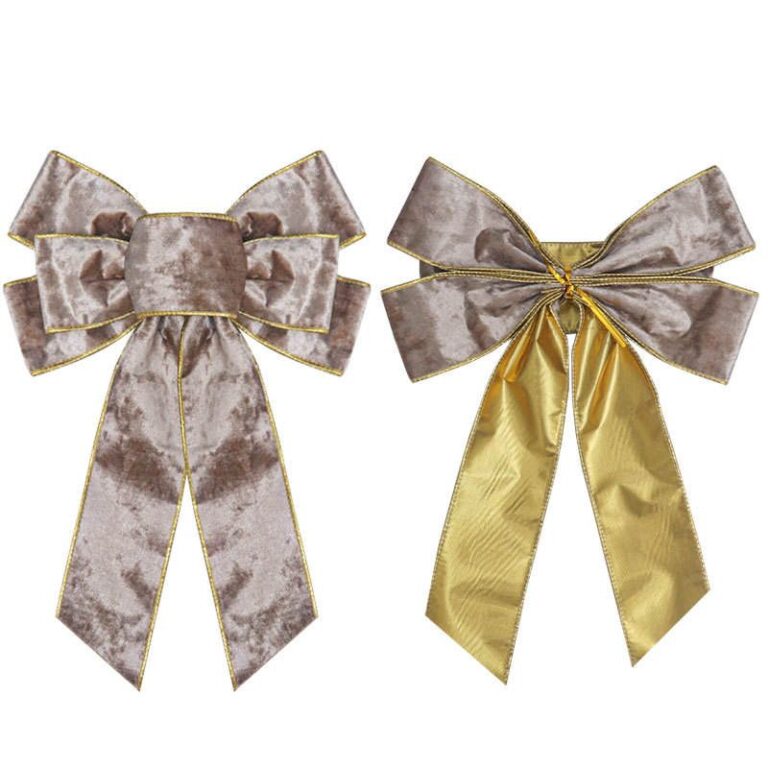 Pre-Tied Bows for Retail Packaging: When They Reduce Labor and Rework
See when pre-tied bows reduce retail packaging labor, improve consistency, and simplify bulk packing, SKU planning, and reorders
Explore guide
Pre-Tied Bows for Retail Packaging: When They Reduce Labor and Rework
See when pre-tied bows reduce retail packaging labor, improve consistency, and simplify bulk packing, SKU planning, and reorders
Explore guide
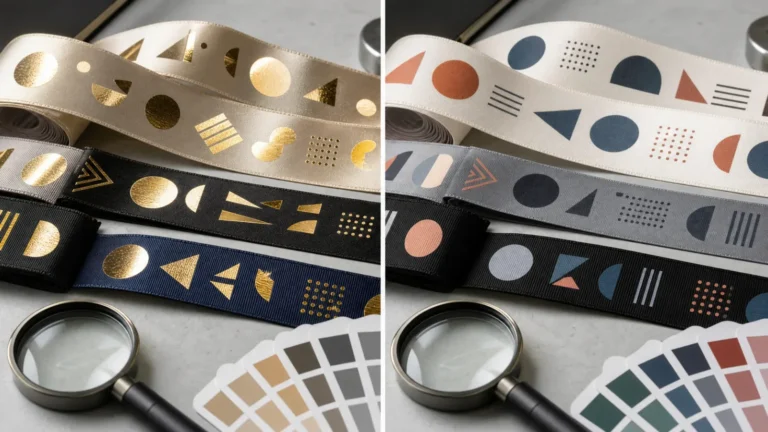 Wholesale Foil Printed Ribbon: Use-Case Fit and RFQ Checklist
Buying foil printed ribbon: buyer use-case fit checklist? Verify artwork files, print method, and color target to reduce…
Explore guide
Wholesale Foil Printed Ribbon: Use-Case Fit and RFQ Checklist
Buying foil printed ribbon: buyer use-case fit checklist? Verify artwork files, print method, and color target to reduce…
Explore guide
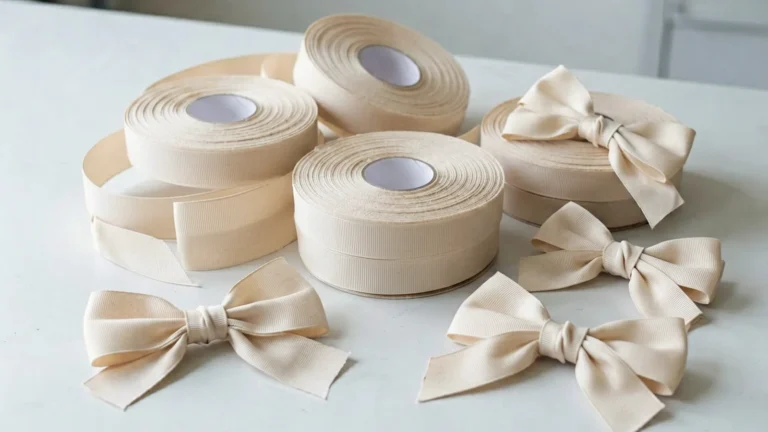 Grosgrain Ribbon Width Guide: Width choice for packaging and bows
Grosgrain Ribbon Width Guide: what to check on artwork files, print method, color target, and material before placing…
Explore guide
Grosgrain Ribbon Width Guide: Width choice for packaging and bows
Grosgrain Ribbon Width Guide: what to check on artwork files, print method, color target, and material before placing…
Explore guide
 Promotional Ribbon: Promotion project options
Shortlist Promotional Ribbon suppliers by sample approval, color tolerance, QC checks, and use case. See which options fit…
Explore guide
Promotional Ribbon: Promotion project options
Shortlist Promotional Ribbon suppliers by sample approval, color tolerance, QC checks, and use case. See which options fit…
Explore guide
Leave a comment
Share a sourcing question or feedback on this guide. The Lude team reviews submissions before following up.