


Promotional Ribbon: Promotion project options
Shortlist Promotional Ribbon suppliers by sample approval, color tolerance, QC checks, and use case. See which options fit your project specs and order
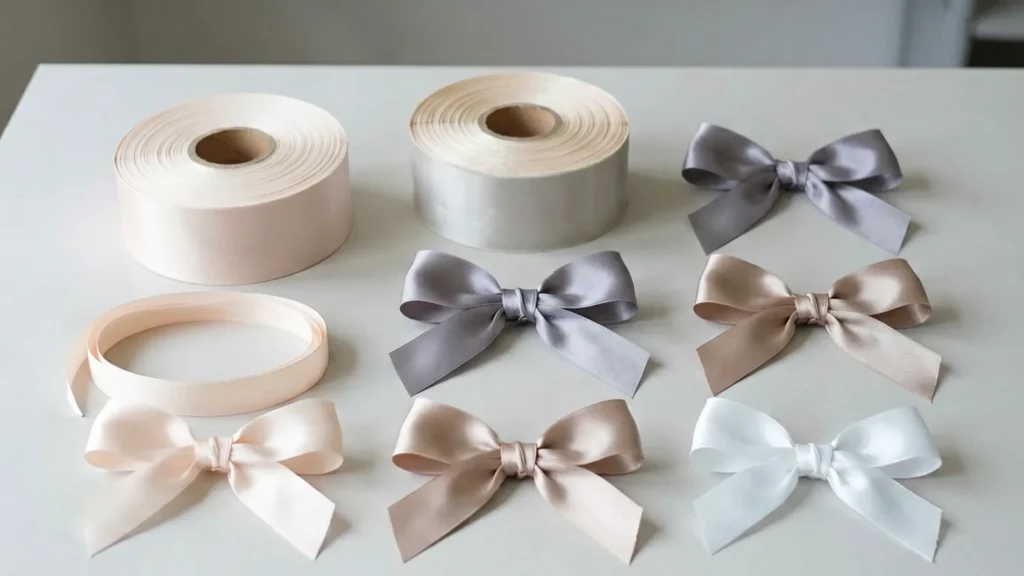
Before you can map product choices to real applications, usage scenarios, buyer constraints, and project outcomes, the specification has to say enough for a supplier to price the same job you have in mind.
Promotional ribbon is specified backwards from the giveaway: quantity and date first, material second.
Direct answer: For promotional ribbon, buyers should map product choices to real applications, usage scenarios, buyer constraints, and project outcomes.
Where promotional ribbon fits event projects
A promotion has a date that does not move and a brand colour that is not negotiable. Those two facts pull against each other, because an exact colour match needs a dye lot approval and a dye lot approval needs time. Which side gives way is the real decision, and it should be made before a supplier is asked to quote.
| Application | Fits when | Trade-off | Verification check before ordering |
|---|---|---|---|
| Retail campaign banding | The colour is close to a stock shade and volume is high | Approximate colour match in exchange for speed | Lay a stock swatch against the brand standard in store light |
| Event and launch dressing | The date allows a dyed shade to be approved | Adds a dye lot approval step to the schedule | Book the approval date separately from production |
| Printed logo ribbon | The brand mark matters more than the ribbon colour | Artwork approval sits ahead of production | Proof the artwork at the production width |
| Giveaway and hamper ties | Volume is modest and the ribbon is a finishing touch | Rarely worth a custom shade | Compare cost per finished item, not per yard |
The first row is the compromise most promotions end up making, and it is worth making deliberately rather than discovering it two weeks before the launch. A stock shade approved against the brand standard under the right lighting is a decision; the same shade accepted because time ran out is a risk that shows on every unit.
Material, finish, and format decisions
Four signals are worth treating as stop points on a promotional order, because a campaign has no room to absorb a reprint. Each one is a schedule risk before it is a quality one.
| Warning sign | Why it matters | How to check it | If it goes unaddressed |
|---|---|---|---|
| A colour match promised without a dye lot step | An exact match on a new shade needs approval time | Ask which lot the shade will run on and when it is approved | The shade arrives close rather than correct |
| Artwork accepted without a file specification | Rebuilt artwork costs both money and schedule | Ask for the format and resolution before sending the file | A proof round is lost to file problems |
| A supplier who quotes before the date is discussed | Campaign dates change the whole production route | Give the launch date first and let it shape the quote | Production is booked into a window that cannot hold it |
| No printed sample offered on the actual ribbon | Ink behaves differently on satin, grosgrain, and metallic faces | Request a printed sample on the quoted material | Legibility problems appear at bulk |
Any programme carrying a logo should settle the file and the proof rounds before the price conversation. The artwork step is documented for custom printed ribbon, and treating it as part of the schedule rather than a formality is what keeps a promotion on its date.
RFQ checkpoint
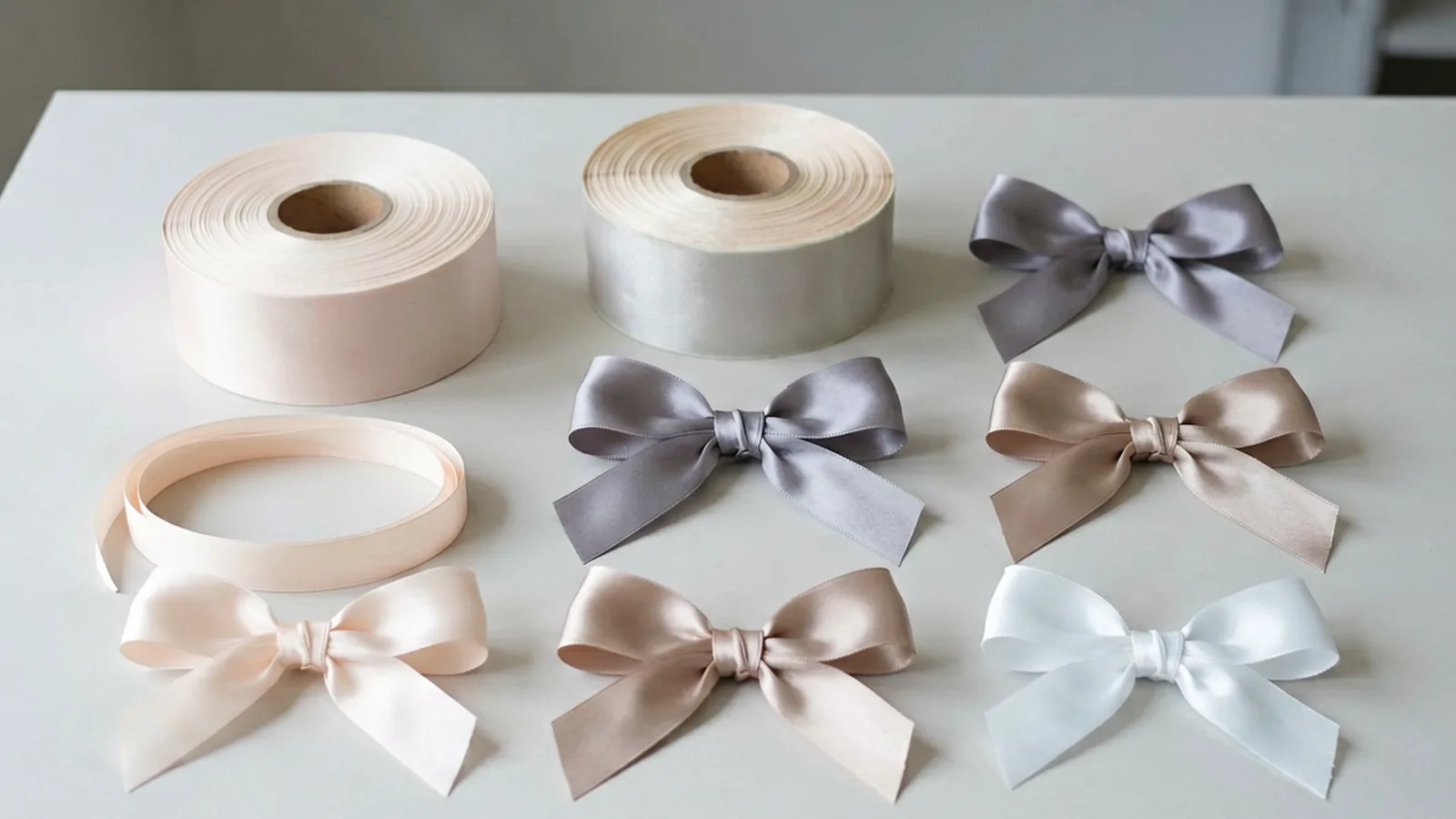
Application and display requirements
Promotional ribbon is usually seen at a distance and handled briefly, which changes what is worth paying for. The comparison below is about visibility and cost rather than durability, and the risk sits in over-specifying: a face chosen for a photograph rather than for the room it will hang in.
| Option | Best fit | Trade-off | Verification check |
|---|---|---|---|
| Stock shade, plain | High volume, short campaign, colour close enough | No brand mark and an approximate colour | Approve the stock swatch against the brand standard |
| Custom dyed, plain | The brand colour is the whole point | Dye lot approval sits in the schedule | Confirm the approval date before booking production |
| Printed logo on stock shade | The mark matters more than the exact ground colour | Artwork approval and a per-design minimum | Proof the artwork at the production width |
| Metallic or specialty face | The display has to catch light across a room | Higher cost and a face that shows handling | Handle a sample and inspect the face |
The metallic route is worth considering only where distance visibility is the objective, since the same budget usually buys more coverage in a plain shade. Where it is the right call, metallic ribbon should be judged on a handled sample rather than a flat swatch, because the face is where the cost shows and also where handling marks appear first.
MOQ, lead time, and sample planning
A promotional quote is comparable only when the date and the colour route are stated with it. The inputs below are what let two suppliers price the same campaign; leaving any open carries the risk of a quote that changes once the schedule is real.
- Launch date, given first. Work backward from it through delivery, production, approval, and sampling. Standard production runs 15 to 20 business days once specifications are approved, and approval steps sit outside that window.
- Colour route. Say whether the brand colour must be matched or a close stock shade is acceptable. Plain stock ribbon starts at 1,500 yards per color from existing colors and widths, while a custom shade is confirmed by quote request rather than a fixed figure.
- Artwork status. State whether the file exists, and in what format. Printed ribbon starts at 3,000 yards per design, so each artwork variant is its own program rather than a version of one.
- Width and finish. Name the width and the face material. Both drive cost more than the campaign quantity usually does.
- Quantity and any reorder. Say whether the campaign repeats. A one-off and an annual programme are quoted differently even at the same volume.
Where a promotion needs a shape or construction that is not held in stock, that work runs through OEM and ODM ribbon development, and the development time has to be booked ahead of the campaign rather than inside it.
Buyer checklist before RFQ
Five checks belong in the approval record for a campaign, and each returns a physical result rather than an opinion. Run them on the sample you intend to approve, not on an earlier swatch, because on a dated project there is no second approval round.
- Shade against the brand standard, in the display light. Compare the sample to the signed brand reference under the lighting the campaign will use. A shade approved at a desk can read wrong on a shop floor, and by then the stock is printed.
- Logo legibility at the production width. Check the printed mark on the actual ribbon width rather than on a proof sheet. Fine detail closes up on a woven face, and the defect is a quality one rather than a design one.
- Ink adhesion after handling. Rub the printed area on a finished sample. Promotional ribbon is handled by staff and customers, so ink that lifts is visible within days.
- Edge condition on cut lengths. Handle a cut length and inspect the end. Campaign pieces are often cut short, which puts more cut edges in front of people than a normal packaging run does.
- Quantity against the display plan. Confirm the yardage per unit against the actual application before releasing the full quantity, so a shortfall shows up in the sample stage rather than mid-campaign.
Ask for one pre-production sample against the approved specification, with its lot marking intact, and approve it in writing. On a dated project that signed piece is also the fastest way to settle a dispute without stopping the campaign.
Source check: ISO 2859-1 sampling inspection standard; How to Buy Custom Satin Ribbon A Complete Buyer s Guide – Print….
In conclusion
The output of a promotional ribbon decision is a route chosen against a date, not a product picked from a range. Settle whether the campaign can carry a dye lot approval; if it cannot, choose the closest stock shade deliberately and approve it against the brand standard rather than accepting it by default.
Where a promotion runs annually rather than once, the arithmetic changes: a custom shade approved this year is a stock reference next year, and the approval cost is spread rather than repeated. That is the case for treating the programme through event and promotion ribbon solutions instead of quoting each campaign from scratch, and the risk of not doing so is paying the same setup cost every season.
Send the launch date, the brand reference, and the artwork to two or three suppliers, and ask each for one pre-production sample on the quoted material with its lot marking intact. Verify the shade under campaign lighting, check the logo at the production width, approve in writing, and keep the piece for the next round.
Promotional ribbon FAQ
What should buyers confirm before ordering Promotional Ribbon?
Confirm the launch date first, then the colour route, the artwork file status, the width, and the face material. The date decides whether an exact brand colour is possible at all, because a dyed shade carries an approval step that a stock shade does not.
How should buyers compare MOQ, lead time, and quote terms?
Compare by route rather than by campaign size. Plain stock ribbon starts at 1,500 yards per color from existing colors and widths, printed ribbon starts at 3,000 yards per design, and a custom shade is confirmed by quote request. Production then runs 15 to 20 business days after approval, with artwork and dye lot approval outside that window.
What sample, quality, or supplier checks reduce risk?
Judge the shade under the lighting the campaign will use, check the logo on the production width rather than on a proof sheet, and rub the printed area on a finished sample. Keep the approved piece with its lot marking in case the campaign repeats.
Next step: Send Specs for Review.
Keep exploring
Recommended buyer guides
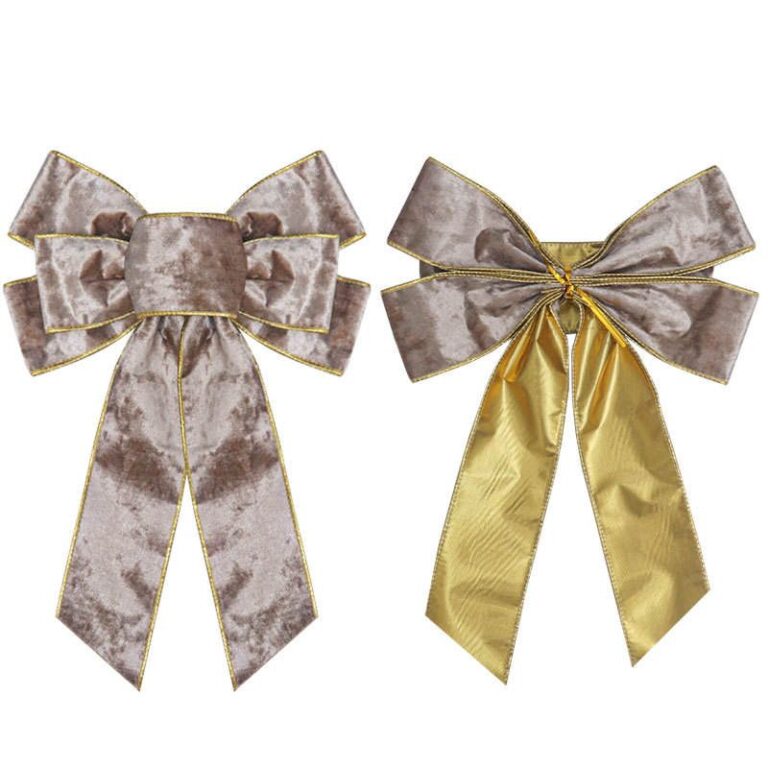 Pre-Tied Bows for Retail Packaging: When They Reduce Labor and Rework
See when pre-tied bows reduce retail packaging labor, improve consistency, and simplify bulk packing, SKU planning, and reorders
Explore guide
Pre-Tied Bows for Retail Packaging: When They Reduce Labor and Rework
See when pre-tied bows reduce retail packaging labor, improve consistency, and simplify bulk packing, SKU planning, and reorders
Explore guide
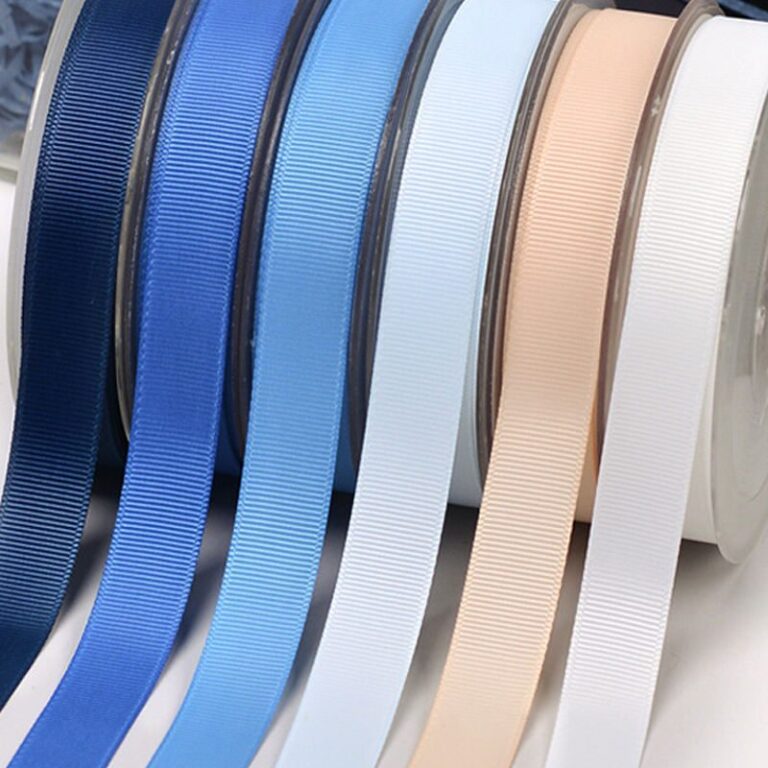 Wholesale Grosgrain Ribbon Rolls: Specs, Roll Length, and RFQ Checks
Buying Grosgrain Ribbon Rolls? Verify sample approval, color tolerance, QC checks, and material to reduce quoting errors and…
Explore guide
Wholesale Grosgrain Ribbon Rolls: Specs, Roll Length, and RFQ Checks
Buying Grosgrain Ribbon Rolls? Verify sample approval, color tolerance, QC checks, and material to reduce quoting errors and…
Explore guide
 Wholesale Foil Printed Ribbon: Use-Case Fit and RFQ Checklist
Buying foil printed ribbon: buyer use-case fit checklist? Verify artwork files, print method, and color target to reduce…
Explore guide
Wholesale Foil Printed Ribbon: Use-Case Fit and RFQ Checklist
Buying foil printed ribbon: buyer use-case fit checklist? Verify artwork files, print method, and color target to reduce…
Explore guide
 Grosgrain Ribbon Width Guide: Width choice for packaging and bows
Grosgrain Ribbon Width Guide: what to check on artwork files, print method, color target, and material before placing…
Explore guide
Grosgrain Ribbon Width Guide: Width choice for packaging and bows
Grosgrain Ribbon Width Guide: what to check on artwork files, print method, color target, and material before placing…
Explore guide
Leave a comment
Share a sourcing question or feedback on this guide. The Lude team reviews submissions before following up.