


Wholesale Satin Ribbon: Avoid 5 Risks with Samples
Evidence and specification note: Color targets, tolerances, test methods, documentation, acceptance criteria, and remedies must be confirmed for the quoted material and written into the approved sample, specification, and sales agreement. General scenarios in this article are not guaranteed production results. Pricing and example note: Current pricing is quoted to specification. Material, width, color, decoration,…

The real risk in satin ribbon wholesale isn’t the unit price—it’s what arrives at your warehouse versus what you approved on a screen. Any cost, discount, or savings must be calculated from the dated quotation and the buyer’s approved specification. But the problem isn’t malicious suppliers. It’s a process gap that a single physical sample can close.
Here’s the blunt truth: skipping that sample step is a frequent cause of post-production disputes in bulk ribbon orders. It plays out when a distributor commits to a 10,000-yard run and discovers dye lot inconsistency, edge fraying, or a color that looks fine under factory fluorescents but dead wrong in retail halogen lighting. The hidden costs bulk ribbon procurement carries are almost never quoted upfront—they show up later as chargebacks, lost contracts, and negotiated credits.
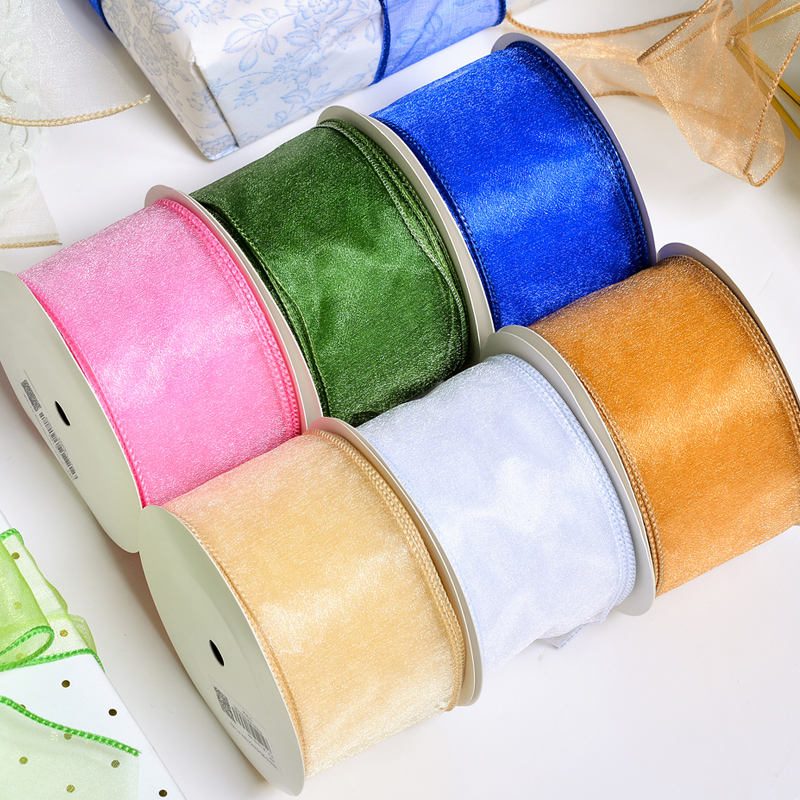
Dye Lot Shifts Destroy Brand Consistency
A buyer-approved ΔE tolerance supports batch-to-batch color consistency.
A dye lot shift is a measurable difference in color between production runs of the same ribbon formula. For a distributor supplying retail chains, two side-by-side rolls from different lots that don’t match is a shelf-level failure. The root cause is often the supplier’s color matching method.
- Visual matching (common at low-cost suppliers): Relies on a human eye comparing the ribbon under factory fluorescent lights. Lighting varies between factories, between shifts, and the human eye cannot distinguish a buyer-approved ΔE tolerance from 4.0. This guarantees color drift across batches.
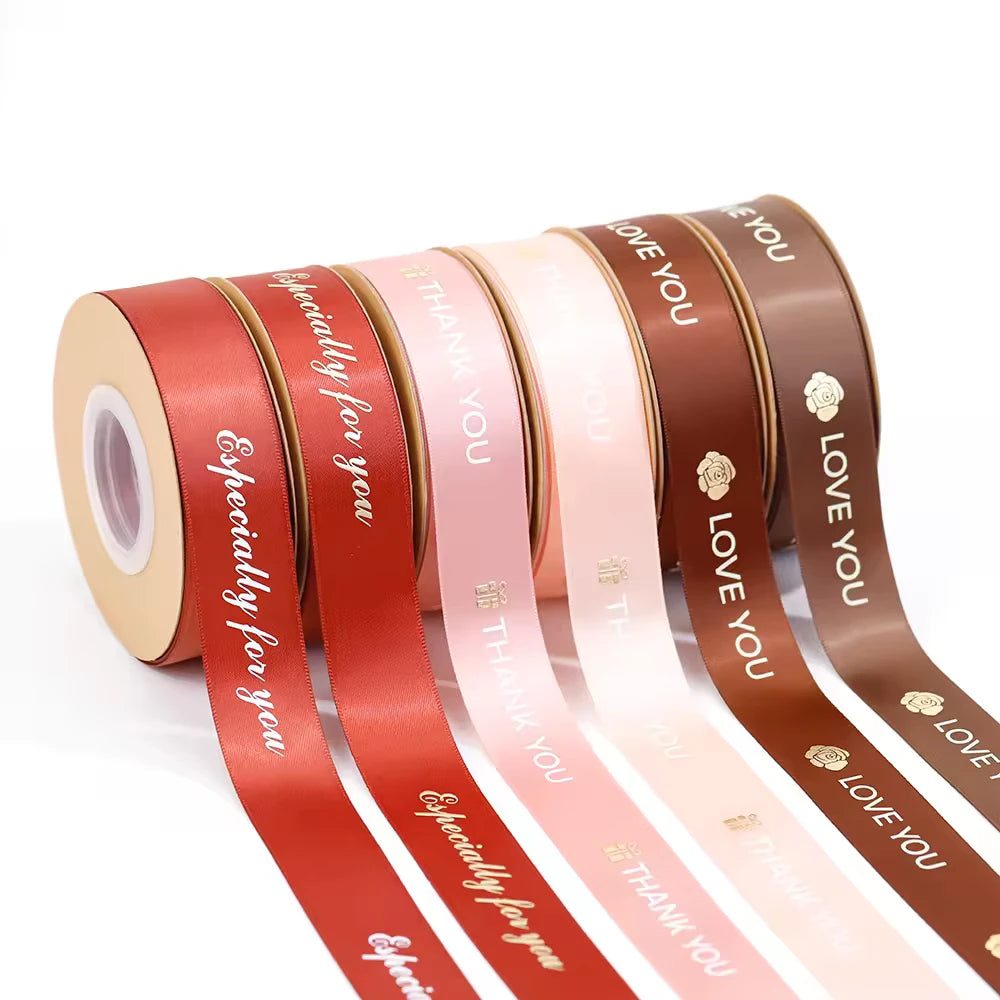
Low Unit Prices Hide Fraying Defects
Fraying is not a raw material flaw—it’s a skipped production step.
Pricing differences and savings must be calculated from dated quotations for the same approved specification, quantity, packing, delivery terms, and destination.
- Pricing differences among materials, widths, print methods, quantities, and packing must be calculated from dated quotations for the same approved specification.
- Ultrasonic-cut edge: High-frequency vibration seals and cuts simultaneously. Leaves a slightly stiffer edge. Cost premium similar to heat-sealing. Preferred for double-face satin where a clean back face matters.
- Unsealed woven edge: Simple slitting from the bolt. No thermal or ultrasonic treatment. Edges begin shedding during high-speed unspooling. Used by suppliers who compete only on low ticket price.
| Hidden Cost Component | Root Cause | Operational Consequence | Financial Risk | Quality Control Action Required |
|---|---|---|---|---|
| Fraying Edges on Satin Ribbon | Skipping heat-sealing or ultrasonic cutting during slitting to reduce unit cost | Fibers shed during high-speed retail unspooling and automated packaging, causing jams and line downtime | Use the buyer-approved method, threshold, and dated result | Specify ultrasonic-cut edges in PO; request mid-production fray test on 10-yard samples |
| Wider Ribbon (>50mm) Fraying | Larger edge surface area without proper edge-sealing; cost-cutting by using cheaper slitting methods | Fraying is more visible and severe, ruining shelf appearance and automated bow-tying | Define and verify the buyer-approved defect criteria | Require edge-sealing specification for widths over 50mm; test with sample before bulk |
| False Economy from Low Unit Price | Supplier removes edge-finishing steps to offer lower per-yard quotes | Initial savings offset by high defect rates, manual rework, and lost customer trust | Compare dated quotations for the same approved specification | Use the buyer-approved method, threshold, and dated result |
| Dye Lot Inconsistency from Cutting | Inconsistent heat application during slitting causes localized dye bleeding or color shift | Visual color difference between rolls under retail lighting; triggers batch rejection | Entire shipment may be rejected; cost of re-dyeing or replacement | Require spectrophotometer report (buyer-approved ΔE tolerance) for each production lot; batch number tracking |
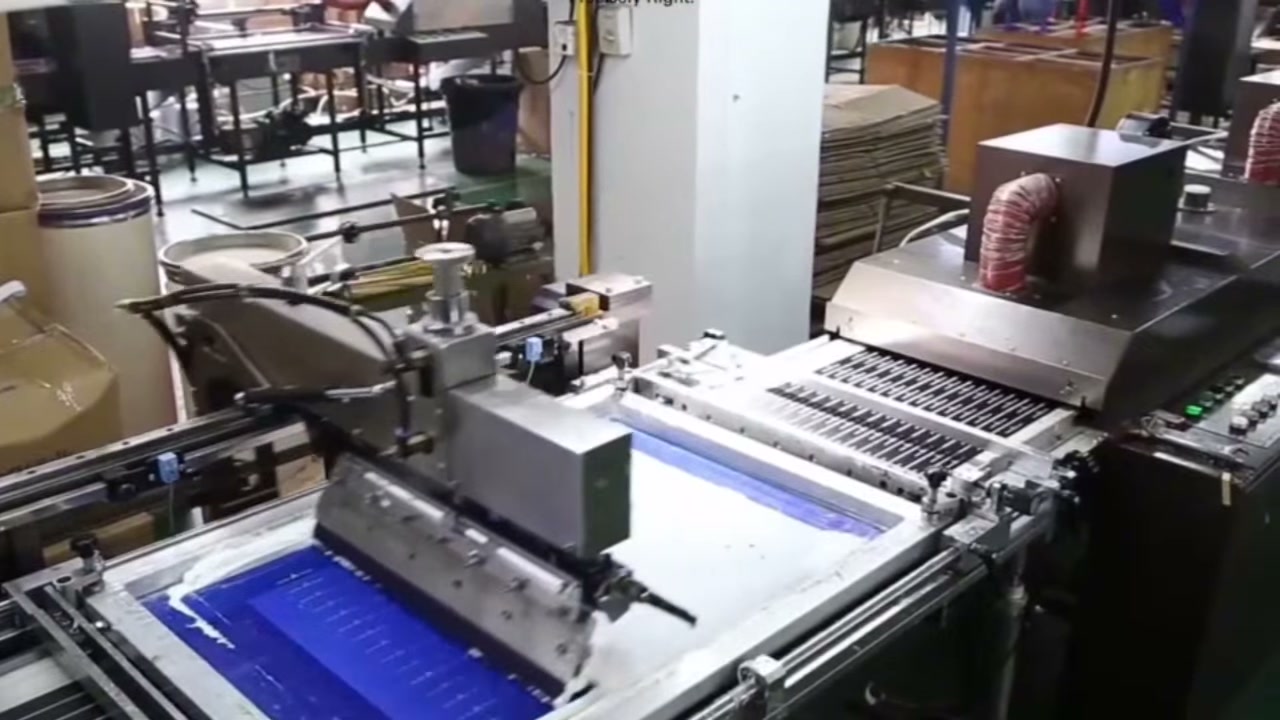
Trading Companies vs Factory Direct Pricing
Pricing differences among materials, widths, print methods, quantities, and packing must be calculated from dated quotations for the same approved specification.
Pricing differences among materials, widths, print methods, quantities, certifications, and packing must be calculated from dated quotations for the same approved specification.
- Treat certification and compliance as document-verification tasks. Confirm the issuer, identifier, covered product and site, scope, applicable transaction evidence, and expiry before relying on a supplier claim.
- Pricing differences among materials, widths, print methods, quantities, and packing must be calculated from dated quotations for the same approved specification.
The risk is amplified on satin ribbon. Dye lot shifts, fraying edges, and inconsistent widths are invisible until the goods are unspooled. Trading companies outsourcing to multiple factories compound the problem — each batch may come from a different mill, with different yarn density and finishing processes. Skipping the physical sample step causes many post-production disputes. A factory that enforces a sample-before-bulk workflow eliminates that variable before production begins.

Enforce Strict QC Before Bulk Shipment
Demand mid-production inspections and batch tracing to block the recurring defect risk.
- Batch-specific pre-shipment evidence: Require a clear photo set showing the actual production batch with unique batch numbers printed on the roll cores. The images must include a color checker card under daylight-balanced lighting. If the supplier offers only stock photography or generic reels, that is a red flag — trading companies often substitute photos to avoid exposing their lack of QC.
- Edge-seal verification data: Specify ultrasonic or heat-sealed edges on the purchase order. After mid-production, request a 10-yard sample from the run and run it through a manual tension test: pull the ribbon at 5 N force across a 90° steel edge. Sealed edges will hold; unsealed edges will shed fibers in automated packaging lines. That defect is what causes retainer clips in gift boxes to shed stringy waste and reject at retail audit.
- ISO/BSCI checklist items to enforce: The supplier must provide a signed QC checklist covering: ISO 9001 process control for ribbon slitting width tolerance (±0.5mm), BSCI social audit compliance, and Oeko-Tex Standard 100 certification for colorfastness to rubbing and water. If the supplier claims these certifications but cannot produce the certificate number linked to your order date, they are likely using a third-party certificate from a different factory.
- MOQ and lead time buffer for QC: Plain stock ribbon starts at 1,500 yards per color and printed ribbon at 3,000 yards per design, with a 15–20-business-day lead time post sample sign-off. The lower end of that range applies only if the buyer has a signed color approval (buyer-approved ΔE tolerance spectrophotometer reading) and a confirmed production slot. Building a 10-day QC buffer into the contract — 5 days for mid-run inspection, 5 days for pre-shipment photo review — prevents the supplier from rushing the last phase to meet an artificial deadline.
Conclusion
The five risks covered — dye lot drift, edge fraying, trading company markups, skipped QC, and inadequate sampling — each have measurable costs. Skipping a physical sample causes many post-production disputes. Without a spectrophotometer buyer-approved ΔE tolerance, batch-to-batch color shifts will surface under retail lighting.
Frequently Asked Questions
How to keep a satin ribbon from fraying?
Use heat-sealing or ultrasonic cutting at the factory to seal the edges. Fraying is not a raw material defect—it is a skipped production step that prevents clean unspooling. Specify heat-sealed edges when ordering bulk satin ribbon.
How much does a satin ribbon cost?
Pricing differences among materials, widths, print methods, quantities, and packing must be calculated from dated quotations for the same approved specification.
What happens if ribbon gets wet?
Polyester satin resists water, but printed foil or stamping can fade or wash off without engineered protection. Confirm your supplier’s wash‑fastness test results before bulk production.
How much does 50 yards of ribbon cost?
For 50 yards, expect a higher per‑yard price because printed ribbon MOQ starts at 3,000 yards per design. Stock ribbons may offer lower per‑yard cost but still carry a minimum. Ask if your supplier offers stock samples or shorter custom runs.
What is the most expensive type of satin?
Pricing differences among materials, widths, print methods, quantities, and packing must be calculated from dated quotations for the same approved specification.
Keep exploring
Recommended buyer guides
 Custom Graduation Sashes: Save Time with Pre-Production Samples
Evidence and specification note: Color targets, tolerances, test methods, documentation, acceptance criteria, and remedies must be confirmed for…
Explore guide
Custom Graduation Sashes: Save Time with Pre-Production Samples
Evidence and specification note: Color targets, tolerances, test methods, documentation, acceptance criteria, and remedies must be confirmed for…
Explore guide
 Satin Ribbon MOQ: Hidden Costs of Custom Colors & Printing
Evidence and specification note: Color targets, tolerances, test methods, documentation, acceptance criteria, and remedies must be confirmed for…
Explore guide
Satin Ribbon MOQ: Hidden Costs of Custom Colors & Printing
Evidence and specification note: Color targets, tolerances, test methods, documentation, acceptance criteria, and remedies must be confirmed for…
Explore guide
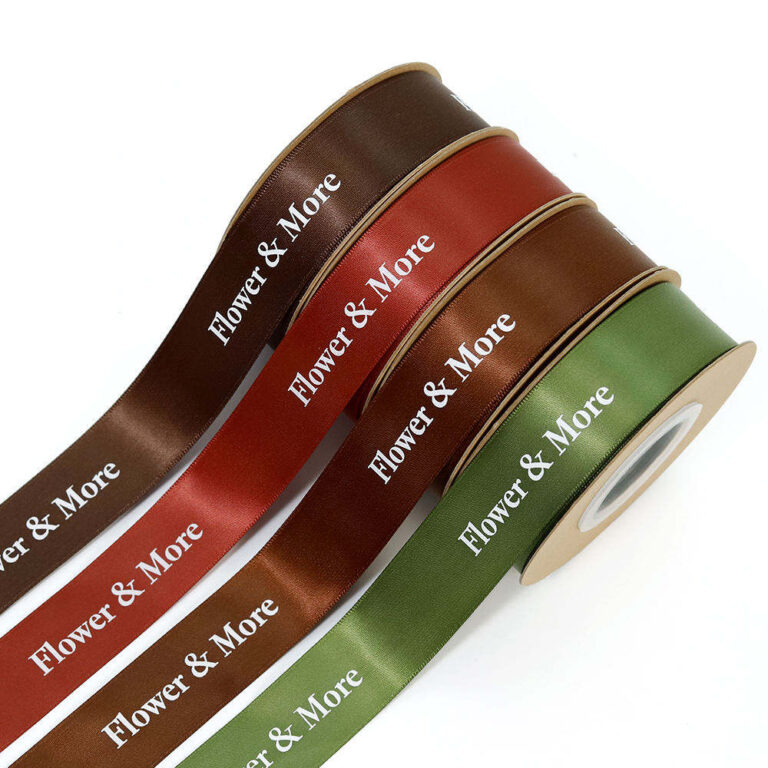 Custom Grosgrain Ribbon: MOQ, Pricing & Samples 2026
Evidence and specification note: Color targets, tolerances, test methods, documentation, acceptance criteria, and remedies must be confirmed for…
Explore guide
Custom Grosgrain Ribbon: MOQ, Pricing & Samples 2026
Evidence and specification note: Color targets, tolerances, test methods, documentation, acceptance criteria, and remedies must be confirmed for…
Explore guide
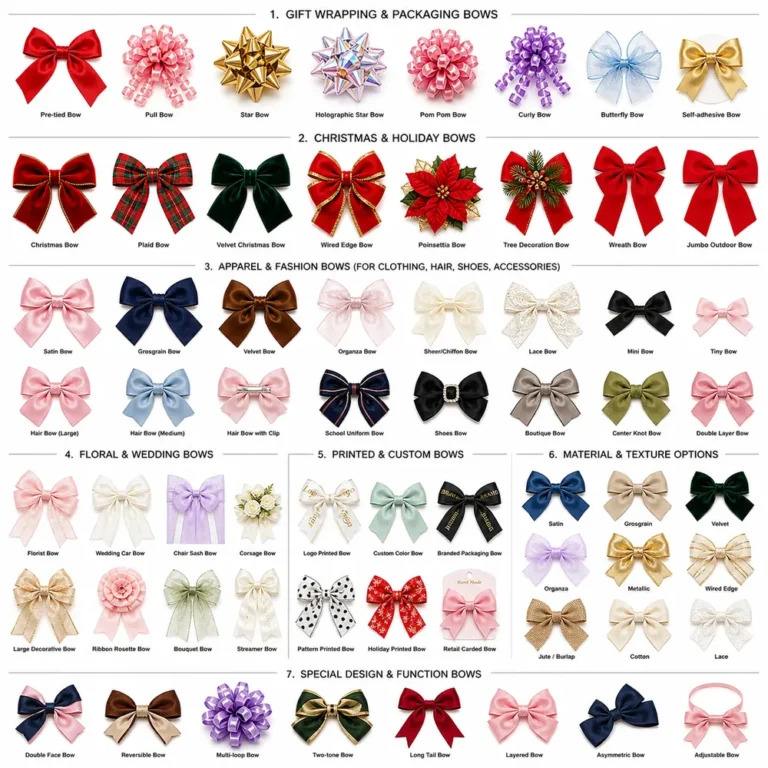 Wholesale Pre-Tied Bows Factory Audit: The Complete Checklist
Evidence and specification note: Color targets, tolerances, test methods, documentation, acceptance criteria, and remedies must be confirmed for…
Explore guide
Wholesale Pre-Tied Bows Factory Audit: The Complete Checklist
Evidence and specification note: Color targets, tolerances, test methods, documentation, acceptance criteria, and remedies must be confirmed for…
Explore guide
Leave a comment
Share a sourcing question or feedback on this guide. The Lude team reviews submissions before following up.