


Wholesale Pre-Tied Bows Factory Audit: The Complete Checklist
Evidence and specification note: Color targets, tolerances, test methods, documentation, acceptance criteria, and remedies must be confirmed for the quoted material and written into the approved sample, specification, and sales agreement. General scenarios in this article are not guaranteed production results. pre-tied bows factory audit is the first checkpoint buyers should lock before they approve…
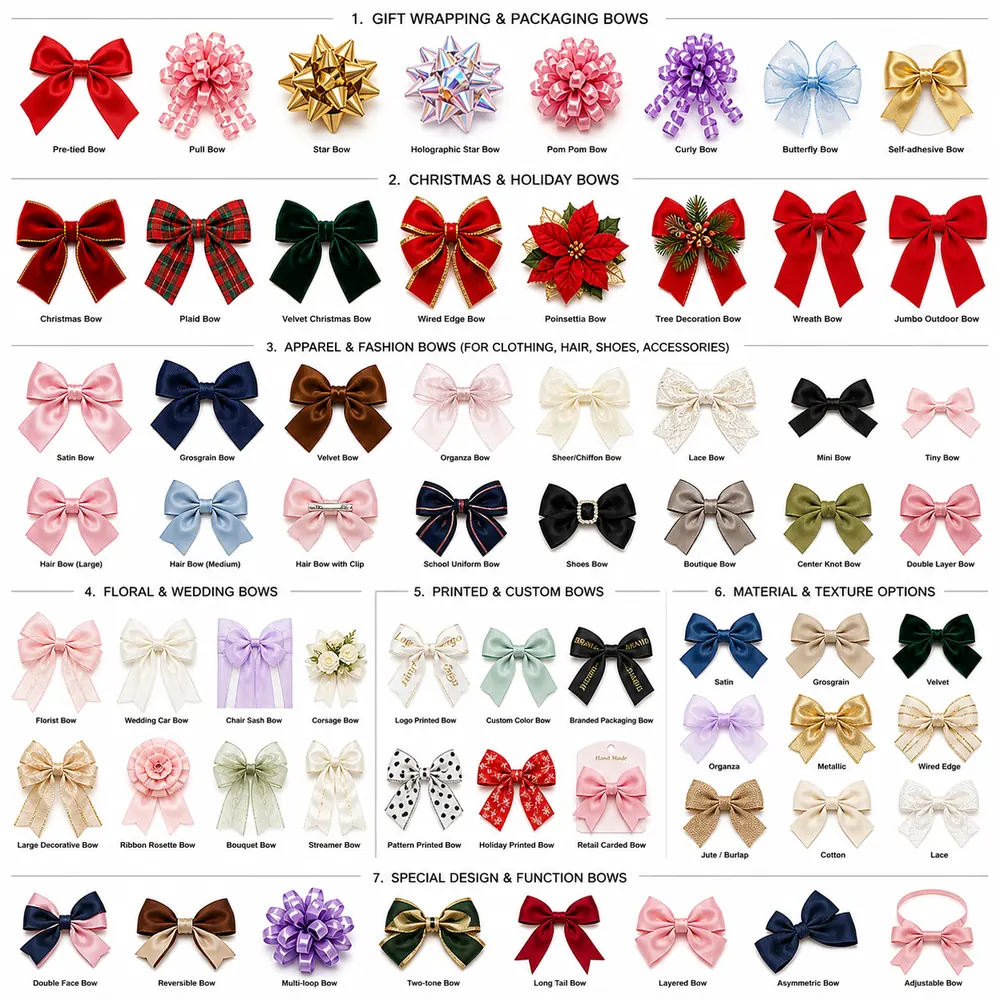
pre-tied bows factory audit is the first checkpoint buyers should lock before they approve a supplier, budget, or production slot. When you’re sourcing wholesale pre-tied bows, a factory audit is the only way to cut through trading company markups and inconsistent quality. But many importers focus on price and MOQ and overlook a common source of post-production disputes: whether the supplier actually ties the bows in-house.
Require a dated sample or production-lot record that identifies the material, method, conditions, acceptance criteria, result, and approver.

Why Most Pre-Tied Bow Audits Miss the Real Red Flags
The real red flag in a bow factory audit isn’t price — it’s who actually ties the knot.
Many buyers audit MOQ, unit price, and sample lead time — and completely skip the production chain. A common cause of shape inconsistency and color mismatch in wholesale pre-tied bows is subcontracting the assembly to a low-cost third-party workshop. If the supplier cannot show you where the bows are tied, you are taking on avoidable defect risk.
- Define the buyer-approved acceptance criteria and verify the selected material with a dated sample or production-lot record.
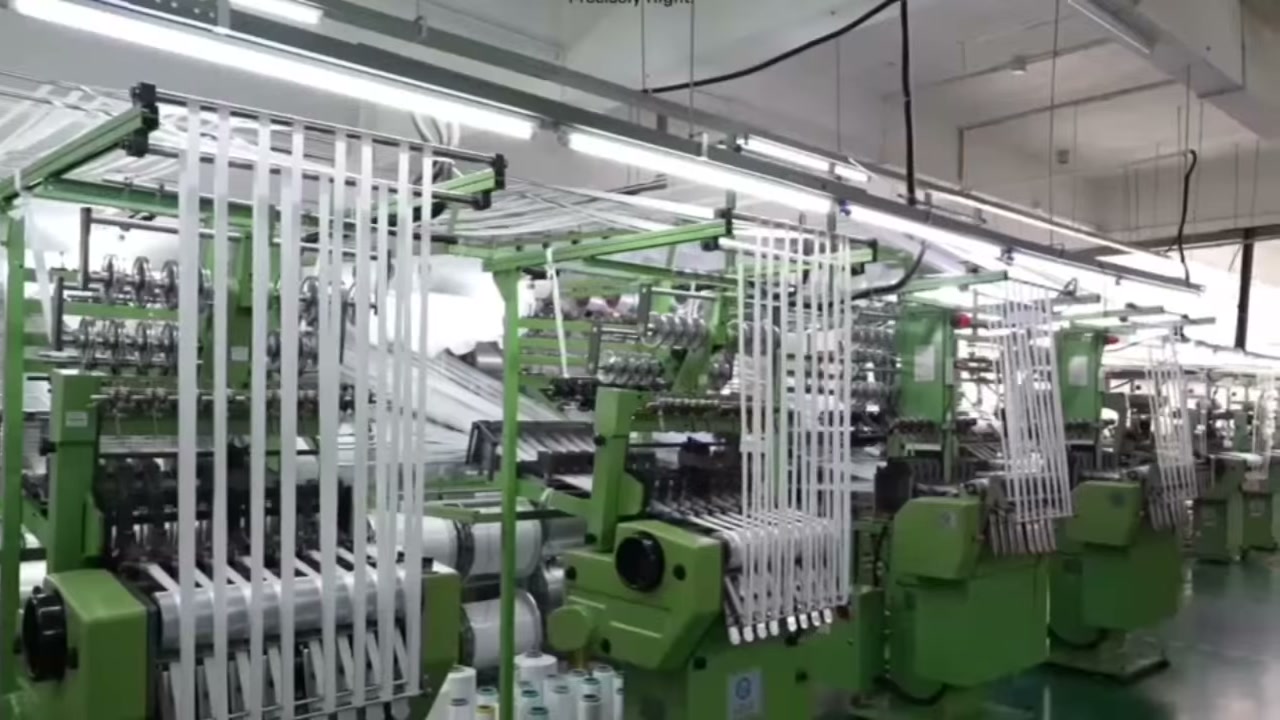
- Live video verification: A simple two-minute walkthrough request exposes the truth. If the supplier hesitates or offers stock footage of a different facility, they are likely a trading company or a factory that farms out bow assembly. A legitimate manufacturer will show you looms, printing lines, and bow stations in real time.
A factory that weaves its own ribbon, prints logos, and ties bows under one roof controls more variables — dye-lot uniformity, color tolerance (buyer-approved ΔE tolerance with spectrophotometer), and bow shape retention. With 80+ machines on site, an integrated ribbon producer can control more process steps than a bow-only assembler; bow-program capacity must still be confirmed for the approved specification and schedule.
When you shortlist suppliers for a pre-tied bow program, make live video of the bow-tying area a non-negotiable check. If they refuse, you already have your answer.

Real Cost Breakdown: What a Factory Audit Saves You
Define the buyer-approved acceptance criteria and verify the selected material with a dated sample or production-lot record.
Define the buyer-approved acceptance criteria and verify the selected material with a dated sample or production-lot record.
- Pricing differences and savings must be calculated from dated quotations for the same approved specification, quantity, packing, delivery terms, and destination.
- Define the buyer-approved acceptance criteria and verify the selected material with a dated sample or production-lot record.
- Expense leak #3: Ignoring MOQ per color trap. Agreeing to a unit price without confirming MOQ per color forces separate production runs and adds setup fees.
Use the audit to lock in pricing. For direct manufacturers, request dated capacity evidence and compare the quotation at each relevant volume tier; ribbon capacity and bow-program capacity should be verified separately.
Define the buyer-approved acceptance criteria and verify the selected material with a dated sample or production-lot record.
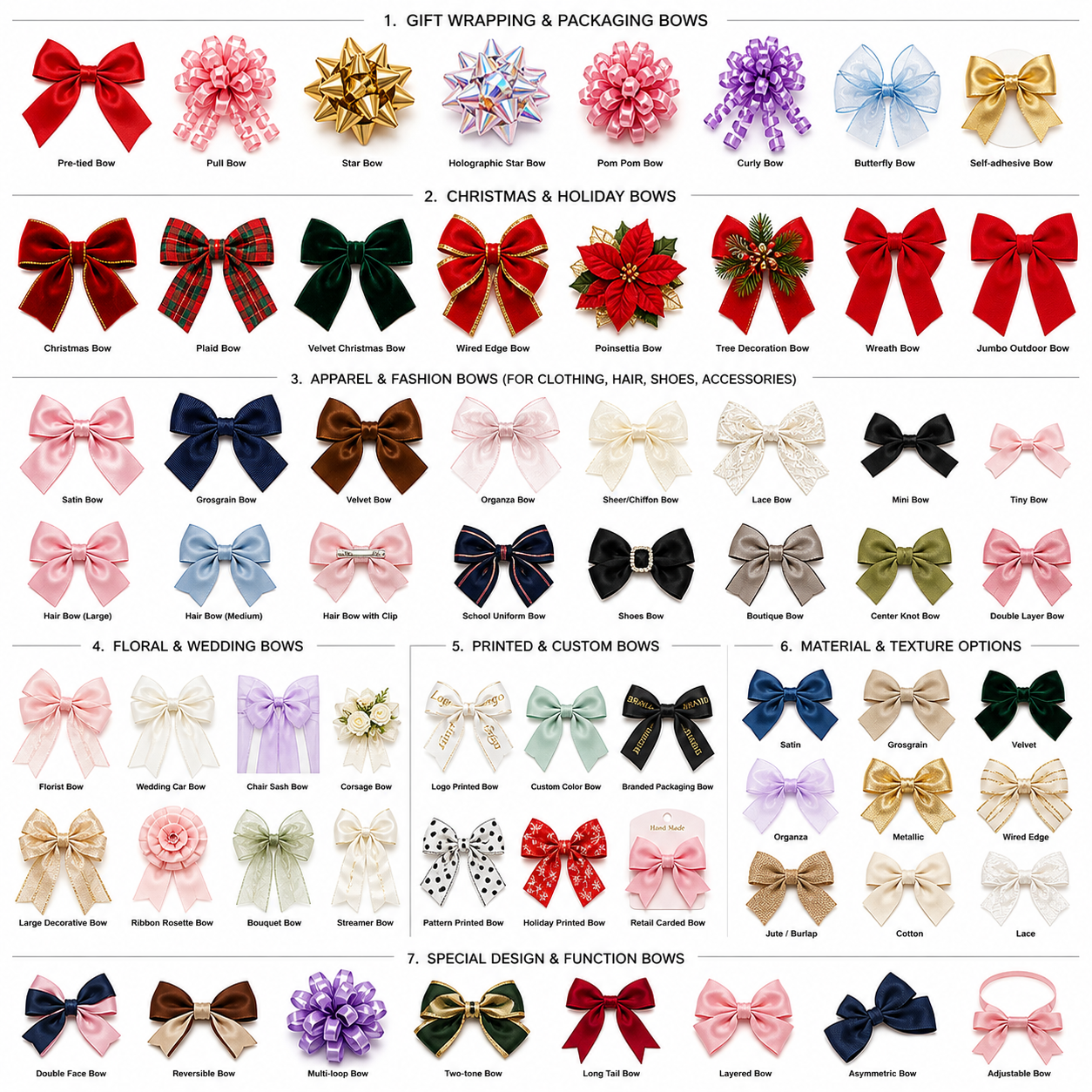
Pre-Tied Bow Supplier vs Trading Company: The Audit Difference
A verified factory should provide dated capacity evidence, color-control records, and a live production walkthrough.
The core difference between a factory and a trading company is process ownership. A manufacturer owns the ribbon weaving, printing, and bow assembly under one roof. A trading company brokers orders and often subcontracts bow tying to unverified workshops. This is a common cause of shape inconsistency and color mismatch in bulk wholesale orders.
- In-house weaving: Request dated photos of the weaving looms. A factory will have looms on site; trading companies will not.
- Workforce proof: Ask for a live video walkthrough or dated photo of the workforce. Subcontractors hide low headcount.
- Define the buyer-approved acceptance criteria and verify the selected material with a dated sample or production-lot record.
- Third-party audit: If the supplier refuses SGS or Bureau Veritas inspection, move on. Refusal is a red flag for poor quality or fake capacity.
- Pricing differences among materials, widths, print methods, quantities, and packing must be calculated from dated quotations for the same approved specification.
- Sample discipline: A real factory enforces mandatory physical sampling – many disputes come from skipping this step. Trading companies often skip to save time.
A common cost leak: agreeing to a unit price without confirming MOQ per color. A factory that requires 1,000 bows per style/color forces separate production runs for each color and adds setup fees. Always get MOQ per color in writing.
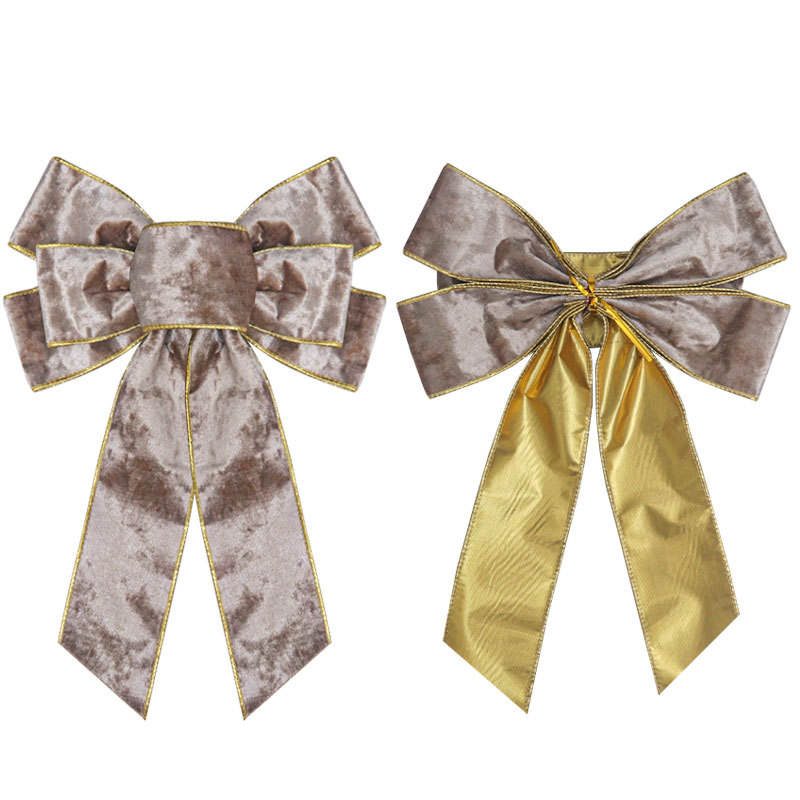
How to Execute a Pre-Tied Bow Factory Audit in 5 Steps
Pricing differences among materials, widths, print methods, quantities, and packing must be calculated from dated quotations for the same approved specification.
A pre-tied bow factory audit is not about walking a production line with a checklist. It is about proving the supplier owns every step — from ribbon weaving to bow assembly to final pack. Subcontracted assembly is a common cause of shape inconsistency and color mismatch in wholesale orders. The following five steps give you a repeatable verification protocol that filters out trading companies and low‑quality bow makers.
- Step 1: Verify process ownership: Request a signed process flow chart that lists every stage: ribbon weaving, printing, bow‑making, and packing. Ask for a live video walkthrough of the bow‑tying area. If the supplier cannot show looms and a dedicated bow assembly station, they are likely subcontracting. A genuine factory will have weaving looms and dedicated screen‑ and foil‑printing lines on site.
- Step 2: Confirm MOQ and sample discipline: Ready-made bows start at 1,000 pieces per style. Do not accept a combined MOQ — one color can force a separate production run and add setup fees. A physical sample should ship within 7–14 business days after artwork approval. Skipping this step causes many post‑production disputes.
- State the buyer-approved method, conditions, repetitions where applicable, acceptance criteria, date, sample or lot, result, and remedy.
- Step 4: Commission a third‑party audit: Hire SGS or Bureau Veritas to verify production capacity against the supplier’s claims. A third-party capacity audit should verify the production lines, staffing, records, and achievable output for the exact ribbon or bow specification. If the supplier refuses third‑party inspection, walk away — it is a red flag for subcontracting or inflated capacity claims.
- Step 5: review applicable documents separately. OEKO-TEX addresses a listed textile article, REACH is an EU chemical regulation, ISO 9001 is a management-system standard, BSCI is a social audit, and GRS concerns a documented recycled-material chain. FSC applies only within its listed paper-product scope here. Verify the required evidence for the proposed item, site, intended use and market rather than demanding every scheme as a universal certificate.
Conclusion
Define the buyer-approved acceptance criteria and verify the selected material with a dated sample or production-lot record.
Start with a live video walkthrough of the bow-tying floor. Then request a pre-production sample to lock the color and shape. When you’re ready to compare verified suppliers, browse the pre-tied bow product lines and request a quote for your next order.
Frequently Asked Questions
What should buyers include in a supplier audit checklist?
Verify in-house ribbon weaving, bow assembly lines, and color measurement with buyer-approved ΔE tolerance. Also check for mandatory physical sample step and current certifications like ISO 9001 and Oeko-Tex. Always request a live video walkthrough of the bow‑tying area.
How long does a pre‑tied bow factory audit take?
A pre-tied bow factory audit typically takes 4 to 8 hours on-site, depending on facility size and production complexity. If you also inspect QC labs and raw material storage, plan for longer. Schedule at least one full day to avoid rushing.
What is the typical MOQ for custom pre‑tied bows from a factory?
Ready-made bows start at 1,000 pieces per style.
Can I trust a supplier that refuses a factory audit?
No, a supplier that refuses a factory audit is likely a trading company with no production control. Reputable factories encourage audits and third-party inspections like SGS to build trust. Insist on an audit or walk away.
What certifications should a pre‑tied bow factory have?
Set the required document and test scope in the RFQ for the exact bow construction and market. Product testing, management-system certification, recycled-content traceability and social auditing serve different checks; none is a universal substitute for the others.
Keep exploring
Recommended buyer guides
 Custom Graduation Sashes: Save Time with Pre-Production Samples
Evidence and specification note: Color targets, tolerances, test methods, documentation, acceptance criteria, and remedies must be confirmed for…
Explore guide
Custom Graduation Sashes: Save Time with Pre-Production Samples
Evidence and specification note: Color targets, tolerances, test methods, documentation, acceptance criteria, and remedies must be confirmed for…
Explore guide
 Satin Ribbon MOQ: Hidden Costs of Custom Colors & Printing
Evidence and specification note: Color targets, tolerances, test methods, documentation, acceptance criteria, and remedies must be confirmed for…
Explore guide
Satin Ribbon MOQ: Hidden Costs of Custom Colors & Printing
Evidence and specification note: Color targets, tolerances, test methods, documentation, acceptance criteria, and remedies must be confirmed for…
Explore guide
 Wholesale Satin Ribbon: Avoid 5 Risks with Samples
Evidence and specification note: Color targets, tolerances, test methods, documentation, acceptance criteria, and remedies must be confirmed for…
Explore guide
Wholesale Satin Ribbon: Avoid 5 Risks with Samples
Evidence and specification note: Color targets, tolerances, test methods, documentation, acceptance criteria, and remedies must be confirmed for…
Explore guide
 Custom Grosgrain Ribbon: MOQ, Pricing & Samples 2026
Evidence and specification note: Color targets, tolerances, test methods, documentation, acceptance criteria, and remedies must be confirmed for…
Explore guide
Custom Grosgrain Ribbon: MOQ, Pricing & Samples 2026
Evidence and specification note: Color targets, tolerances, test methods, documentation, acceptance criteria, and remedies must be confirmed for…
Explore guide
Leave a comment
Share a sourcing question or feedback on this guide. The Lude team reviews submissions before following up.