


Custom Graduation Sashes: Save Time with Pre-Production Samples
Evidence and specification note: Color targets, tolerances, test methods, documentation, acceptance criteria, and remedies must be confirmed for the quoted material and written into the approved sample, specification, and sales agreement. General scenarios in this article are not guaranteed production results. Pricing and example note: Current pricing is quoted to specification. Material, width, color, decoration,…

Ordering custom award ribbons for graduation seems straightforward until you realize the graduation date is non-negotiable. Miss it, and there are no sashes on stage. That pressure hits every event specialist, especially when it’s your first time sourcing from a manufacturer rather than a local print shop. The difference between a smooth order and a last-minute scramble usually comes down to three things: artwork format, color matching, and the physical sample step many buyers skip.
Sample disputes are a direct consequence of approving a digital render on a screen and expecting the fabric to match perfectly. A factory with 20 years of experience and a 6,000-square-meter facility in Xiamen does not enforce mandatory sampling for fun. They do it because foil stamping on satin behaves differently than it looks on a PDF, and Pantone matching at a buyer-approved ΔE tolerance or less requires a physical proof under real lighting.

Why Most Graduation Sash Orders Go Wrong: 3 Hidden Risks
many post-production disputes come from skipping the physical sample — don’t risk your ceremony.
Many first-time sash buyers focus on price and deadline, but three hidden risks regularly destroy graduation orders: submitting the wrong artwork format, skipping color-matching verification, and routing orders through a trading company instead of the factory. Each risk is avoidable with the right process.
- Any quality guarantee, acceptance threshold, and remedy must be stated in the approved specification and sales agreement.
- File Color Mode: Submit files in CMYK or with Pantone C/U references. RGB files are not standard for production and will not match on the final print. A spectrophotometer measures color tolerance at buyer-approved ΔE tolerance — anything above that is visible to the naked eye.
- Color Matching Risk: Without a Pantone specification and a physical pre-production sample, color-matching errors account for many disputes. Lude Ribbon makes physical sampling mandatory: 7–14 business days after specs and artwork are confirmed, a physical sample is ready to approve before bulk production.
- Any percentage premium, discount, saving, or cost comparison depends on the approved material, width, decoration, quantity, packing, delivery terms, and destination. Compare dated quotations against the same written specification.
The bottom line: insist on vector artwork, order a physical sample, and work directly with the factory. These three steps turn a high-risk procurement into a predictable, on-time delivery. Lude Ribbon’s mandatory sample workflow and direct factory communication reduce the guesswork and trading company markups.
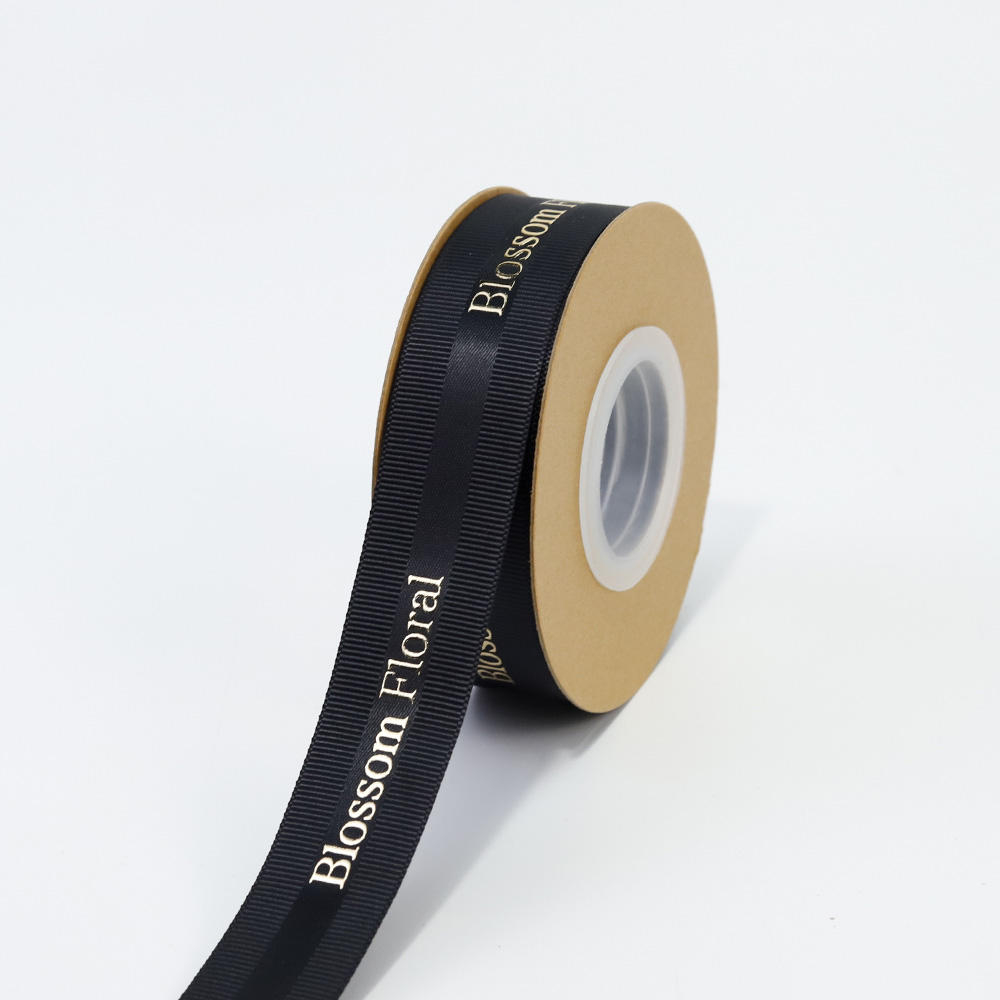
Real Cost Breakdown for Custom Graduation Sashes in 2026
Pricing differences among materials, widths, print methods, quantities, and packing must be calculated from dated quotations for the same approved specification.
For a 3-inch satin sash, current pricing is quoted after the material, width, decoration, quantity, packing, delivery terms, and destination are confirmed. Any cost, discount, or savings must be calculated from the dated quotation and the buyer’s approved specification.
- Pricing differences among materials, widths, print methods, quantities, and packing must be calculated from dated quotations for the same approved specification.
- Pricing differences among materials, widths, print methods, quantities, and packing must be calculated from dated quotations for the same approved specification.
- Pricing differences among materials, widths, print methods, quantities, and packing must be calculated from dated quotations for the same approved specification.
- Width impact: Sashes wider than 50mm (2 inches) consume significantly more material per yard. A 4-inch sash uses about twice the material of a 2-inch ribbon.
- Expedited schedules must be confirmed during RFQ review and still require sample approval. Expect a premium but not a showstopper for tight deadlines.
Pricing differences among materials, widths, print methods, quantities, and packing must be calculated from dated quotations for the same approved specification.
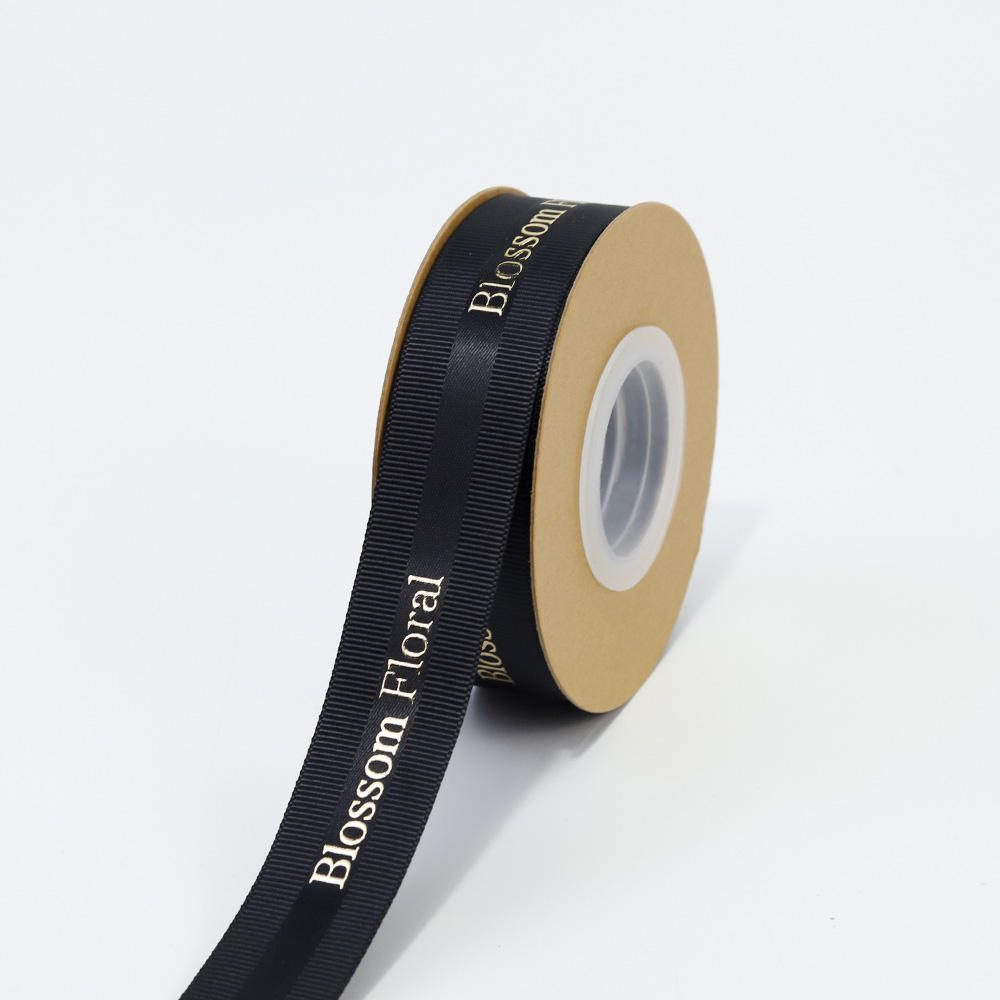
Award Ribbon vs. Graduation Stole vs. Sash: Which Format Wins?
Graduation needs sashes; awards use ribbons – ordering both from one run cuts costs.
First-time buyers often treat award ribbons and graduation sashes as interchangeable. They are not. Award ribbons are small, typically 2×8 inches, worn pinned to a chest. Graduation sashes are 4×72 inches, worn over the shoulder. Picking the wrong format means your ceremony participants either have nothing to drape or oversized ribbons that look awkward.
- Award Ribbon: Size: 1.5×8 to 2×8 inches. Quoted after RFQ. Best for: individual medals, academic pins, contest placements. Print area limited to roughly 1.5×4 inches of text or logo.
- Graduation Sash: Size: 4×72 inches (adult) with fringe. Current pricing is quoted after the material, width, decoration, quantity, packing, delivery terms, and destination are confirmed. Best for: commencement ceremonies, honor society stoles, valedictorian recognition.
- Pricing differences and savings must be calculated from dated quotations for the same approved specification, quantity, packing, delivery terms, and destination.
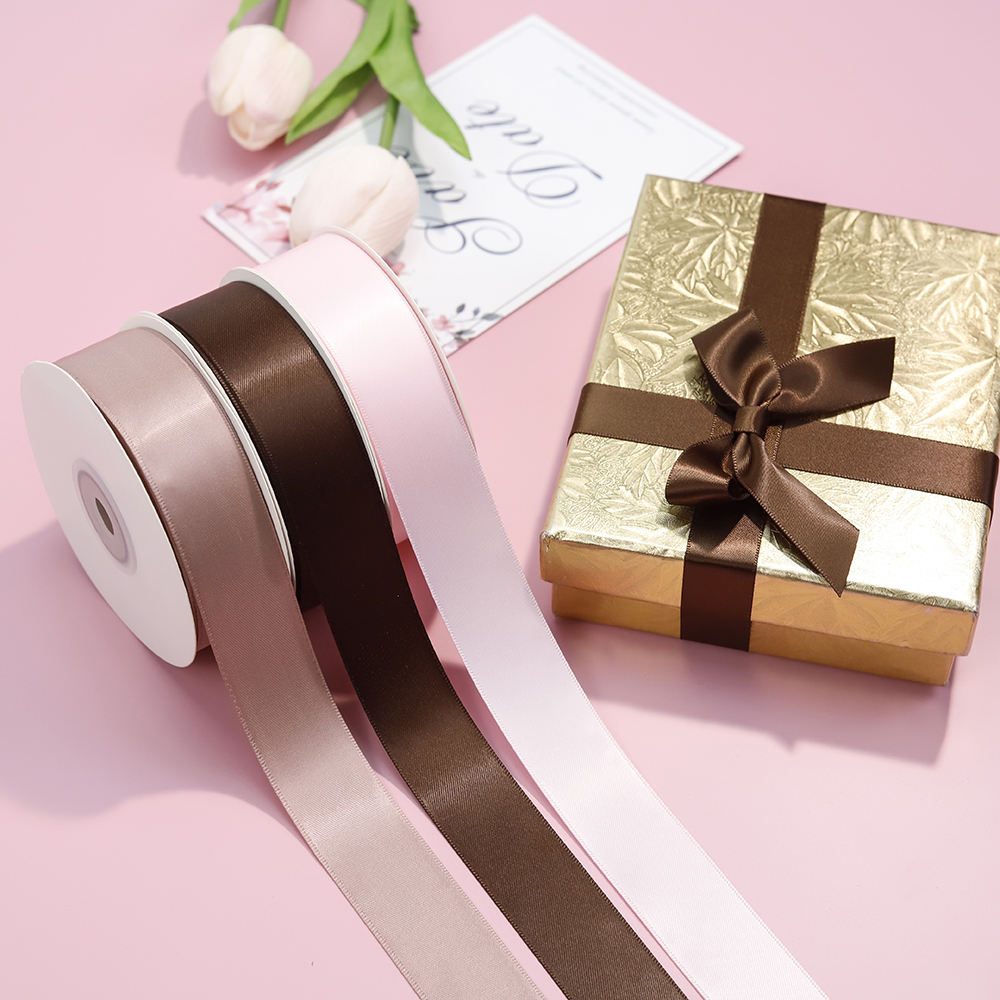
How to Source Graduation Sashes Without the Supplier Headache
many disputes start because buyers skip the physical sample step.
Many graduation sash headaches come down to one root cause: the buyer skipped the physical sample. You submit a low-res JPG logo in RGB, the factory converts it, text gets misaligned, colors shift. Then the shipment arrives three days before the ceremony and you’re stuck with 500 sashes that say ‘Seniors 2026’ instead of ‘2026’. The fix is a five-step checklist that eliminates guesswork and forces factory accountability.
- Artwork format: Submit vector files only — AI, EPS, or PDF at 300 dpi in CMYK or Pantone mode. RGB files will be rejected. If you only have a JPG, have it vectorized instead of risking blurred print.
- Physical sample approval can reduce mismatch and rework risk; use the signed sample, written specification, and dated production records as the control evidence.
- Production lead time: Standard bulk production takes 15–20 business days after sample sign-off. Rush production of 5–8 business days carries a surcharge and depends on capacity at the time of order; feasibility is confirmed after RFQ review. Plan your schedule accordingly.
- Any quality guarantee, acceptance threshold, and remedy must be stated in the approved specification and sales agreement.
- Shipping terms & communication: Insist on direct communication with the factory production team, not a trading company intermediary. This shortens response time and prevents translation errors during artwork changes.
Conclusion
Skipping the physical sample is the single biggest gamble you can take with a custom sash order. That choice alone drives many post-production disputes. Factory-direct sourcing with a mandatory sample step — backed by a buyer-approved color tolerance — removes that risk before a single yard of bulk fabric is cut.
Your next move is simple: check the standard sash dimensions (4″ x 72″) and available Pantone colors on the product page, then request a quote with your vector artwork. The factory will confirm feasibility and prepare a physical sample in 7–14 business days. That sample is your final safety net — use it.
Frequently Asked Questions
How do you get sashes for graduation?
Submit vector artwork with text, colors, and quantity to a factory-direct manufacturer. They will produce a physical sample for approval before bulk production. Always approve a sample before full production begins.
How much does a graduation sash cost?
Pricing differences and savings must be calculated from dated quotations for the same approved specification, quantity, packing, delivery terms, and destination.
Can I customize my graduation sash?
Yes, you can customize text, colors, logos, and materials like satin, grosgrain, or velvet. The factory requires vector files (AI, EPS, PDF) for accurate printing. Submit your artwork in CMYK or Pantone for best color matching.
What size of ribbon for sash?
Graduation sashes typically use 3-inch (76mm) or 4-inch (100mm) wide satin ribbon. Widths up to 102mm are available from manufacturers like Lude Ribbon. Confirm the desired width with your supplier to match your ceremony requirements.
Where can I buy a sash?
Factory-direct manufacturers like Lude Ribbon offer custom sashes with full production control. Avoid trading companies to reduce miscommunication and markup. Contact a direct factory for better pricing and quality assurance.
Keep exploring
Recommended buyer guides
 Satin Ribbon MOQ: Hidden Costs of Custom Colors & Printing
Evidence and specification note: Color targets, tolerances, test methods, documentation, acceptance criteria, and remedies must be confirmed for…
Explore guide
Satin Ribbon MOQ: Hidden Costs of Custom Colors & Printing
Evidence and specification note: Color targets, tolerances, test methods, documentation, acceptance criteria, and remedies must be confirmed for…
Explore guide
 Wholesale Satin Ribbon: Avoid 5 Risks with Samples
Evidence and specification note: Color targets, tolerances, test methods, documentation, acceptance criteria, and remedies must be confirmed for…
Explore guide
Wholesale Satin Ribbon: Avoid 5 Risks with Samples
Evidence and specification note: Color targets, tolerances, test methods, documentation, acceptance criteria, and remedies must be confirmed for…
Explore guide
 Custom Grosgrain Ribbon: MOQ, Pricing & Samples 2026
Evidence and specification note: Color targets, tolerances, test methods, documentation, acceptance criteria, and remedies must be confirmed for…
Explore guide
Custom Grosgrain Ribbon: MOQ, Pricing & Samples 2026
Evidence and specification note: Color targets, tolerances, test methods, documentation, acceptance criteria, and remedies must be confirmed for…
Explore guide
 Wholesale Pre-Tied Bows Factory Audit: The Complete Checklist
Evidence and specification note: Color targets, tolerances, test methods, documentation, acceptance criteria, and remedies must be confirmed for…
Explore guide
Wholesale Pre-Tied Bows Factory Audit: The Complete Checklist
Evidence and specification note: Color targets, tolerances, test methods, documentation, acceptance criteria, and remedies must be confirmed for…
Explore guide
Leave a comment
Share a sourcing question or feedback on this guide. The Lude team reviews submissions before following up.