


Ribbon MOQ, Cost, and RFQ Planning: Buyer Checklist Hub
What drives ribbon MOQ and cost, how lead-time clocks actually work, the five-bucket quote format, and the RFQ checklist that makes supplier quotes comparable.
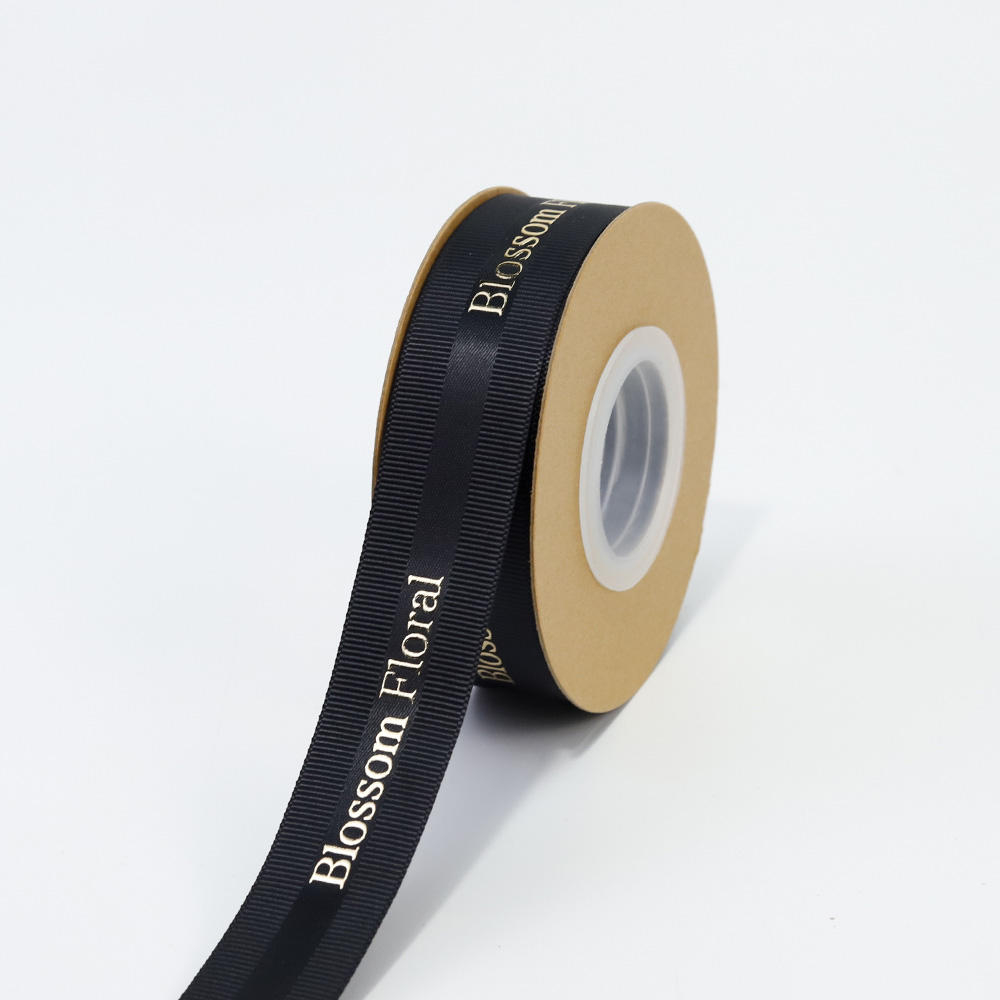
Ribbon quotes look simple until you compare two of them: one prices per yard with setup itemized, the other rolls everything into a unit figure; one quotes stock colors, the other assumes custom dye; one includes cartons and one does not. The difference is not honesty — it is specification completeness. A complete RFQ is what turns ribbon sourcing from a price conversation into a comparable procurement decision.
This hub gathers the planning checkpoints for custom ribbon orders — what drives MOQ and cost, how lead time actually works, how to normalize quotes, and what belongs in the RFQ itself — with quantity and timing figures drawn from Lude Ribbon’s published operating data as benchmarks.
What drives ribbon MOQ and cost
Five factors move ribbon pricing more than any others, roughly in this order of impact:
- Quantity per variant. Production runs are set up per color and per width; splitting the same total yardage across many variants raises the effective cost of each.
- Custom dye versus stock color. Stock colors draw from existing inventory and carry the lowest minimums; a custom dye lot creates a new production event with its own minimum and timing.
- Printing and embellishment. Printed ribbon adds setup and per-meter processing; the print method (screen, foil, or combination) changes both.
- Material and width. Satin, grosgrain, organza, and velvet price differently, and wider ribbon consumes more material and line time per meter.
- Packing and roll specification. Yards per roll, winding, cores, carton quantities, and any retail packaging add line items that vary between quotes.
Against Lude Ribbon’s stated minimums for calibration: plain stock ribbon starts from 1,500 yards per color and printed ribbon from 3,000 yards per design, custom colors or widths carry project-specific minimums confirmed during quoting, and finished items like ready-made bows and award ribbons start at 1,000 pieces. If a quote comes back without stating which tier your order falls into, ask — the tier determines both minimum and schedule.
Quantity planning by program type
| Program type | Planning logic | Watch-out |
|---|---|---|
| Stock color, no print | Fastest route: order against inventory minimums and standard rolls | Confirm dye lot availability; stock positions change between quote and order |
| Custom color | Plan around a dye-lot minimum; order enough that the lot covers future reorders | Reorders from a new dye lot can shift shade; keep a retained lot sample |
| Printed ribbon | Setup amortizes over the run; larger single-variant quantities improve unit economics | Artwork revisions after sample approval restart the print clock |
| Mixed small programs | Consolidate several designs onto shared base color and width where possible | Consolidation that forces width changes can hurt the end use — check proportion first |
One consolidation rule earns its keep repeatedly: consolidate on base material and width before consolidating on color. A program sharing one satin width across three custom colors is usually cheaper and safer than forcing three designs onto one color at the wrong width.
Lead time: the clocks that matter
Ribbon lead time is a stack of separate clocks, and quote comparisons fail when suppliers anchor them differently:
- Specification freeze. Nothing books production until width, material, color standard, artwork, and packing are all confirmed. Ask each supplier to state what “confirmed” includes.
- Sampling. If your program requires samples, the sample cycle runs before bulk and needs your approval time — plan your own review days into the calendar, not just the factory’s sample days.
- Production. For reference, Lude Ribbon quotes standard ribbon and printed ribbon production at about 15–20 business days after specifications are confirmed — and note the anchor: specification confirmation, not purchase order date.
- Freight. Mode-specific transit plus customs for your destination; ribbon is light but voluminous, so air versus sea economics should be computed on dimensional weight.
How to compare supplier quotes fairly
Require every quote broken into the same five buckets, then compare like with like:
- Unit price per variant at your actual quantity, with the quantity tier stated.
- Setup charges itemized — print screens or dies per design, dye-lot charges where applicable.
- Sample cost and lead time as separate lines, including your approval cycle.
- Roll and packing specification priced — yards per roll, carton quantity, and any retail packaging.
- Freight at the same incoterm across all suppliers, with port or origin named.
Then check the three quote traps that create false savings: a lower unit price that assumes a larger quantity than you ordered; a quote that omits setup entirely and adds it “later”; and stock-color quotes compared against custom-dye quotes as if they were the same product. Any supplier that cannot itemize these buckets is quoting from habit rather than from your specification.
RFQ checklist before you send
- Material and width per design, with tolerance expectations stated
- Color references (Pantone or physical swatch) and acceptance method for bulk
- Artwork package for printed designs: vector files, repeat length, registration expectations
- Quantity per variant and total, with reorder intent stated
- Roll specification: yards per roll, winding, core requirements
- Packing: carton quantities, marks, and any retail packaging scope
- Destination country and required delivery date, worked backward from use
- Requested quote format: the five buckets above, itemized
The RFQ is also a supplier filter. Factories answer a complete specification with numbers and clarifying questions; resellers answer with a single unit figure and a promise. The quality of the first response is a legitimate scoring input before any sample money changes hands. For the factory-side view of how minimums and timing are structured, the MOQ and lead time guide states Lude Ribbon’s own terms.
FAQ: custom ribbon MOQ and RFQ planning
What specs should I send to get a usable ribbon quote?
Material, width, color reference, quantity per variant, print requirements if any, roll and packing specification, destination, and delivery date. Missing inputs produce quotes that cannot be compared — suppliers will each fill the gaps with different assumptions.
Which choices usually change the MOQ?
Custom dye versus stock color, custom width versus standard width, and printed versus plain. Stock constructions sit at the lowest minimums; every custom dimension or color creates a new production event with its own floor.
What hidden costs should I check before approving a bulk order?
Setup charges (screens, dies, dye lots), sample fees and sample lead time, roll and packing line items, and freight basis. Ask for all five buckets itemized — the “hidden” costs are usually visible, just unrequested.
How can I reduce risk across quote, sample, delivery, and reorder?
Freeze the full specification before sampling, approve a physical sample with a signed record and retained lot sample, require lot-level color references for reorders, and keep the RFQ format identical across suppliers so the comparison survives scrutiny.
Is it worth ordering more than my minimum to get better pricing?
Only if the extra quantity has a real consumption plan. Ribbon stores well, but custom-dye inventory you never use is dead capital; a better structure is often the minimum now plus a reorder agreement that locks pricing terms for the next lot.
Next step
Send the checklist above with your first inquiry and request the five-bucket quote format. For printed programs, start from the custom printed ribbon options; for material selection, browse metallic and the broader ranges, and see gift and retail packaging ribbon solutions for application references.
Keep exploring
Recommended buyer guides
 Pre-Tied Bows for Retail Packaging: When They Reduce Labor and Rework
See when pre-tied bows reduce retail packaging labor, improve consistency, and simplify bulk packing, SKU planning, and reorders
Explore guide
Pre-Tied Bows for Retail Packaging: When They Reduce Labor and Rework
See when pre-tied bows reduce retail packaging labor, improve consistency, and simplify bulk packing, SKU planning, and reorders
Explore guide
 Velvet Ribbon Wholesale Checklist: MOQ, Finish, and Supplier Questions
Evaluate velvet ribbon wholesale options: MOQ, setup fees, unit cost, and packing. Narrow the list before requesting samples…
Explore guide
Velvet Ribbon Wholesale Checklist: MOQ, Finish, and Supplier Questions
Evaluate velvet ribbon wholesale options: MOQ, setup fees, unit cost, and packing. Narrow the list before requesting samples…
Explore guide
 Wholesale Custom Ribbon with Logo: Specs, Roll Length, and RFQ Checks
Step-by-step: Custom Ribbon With Logo. Check artwork files, print method, color target, and sample approval to avoid delays,…
Explore guide
Wholesale Custom Ribbon with Logo: Specs, Roll Length, and RFQ Checks
Step-by-step: Custom Ribbon With Logo. Check artwork files, print method, color target, and sample approval to avoid delays,…
Explore guide
 Wholesale Ribbon By The Roll: Roll length and inventory planning
Evaluate Wholesale Ribbon By The Roll options: factory capability, QC proof, lead time, and reorder reliability. Narrow the…
Explore guide
Wholesale Ribbon By The Roll: Roll length and inventory planning
Evaluate Wholesale Ribbon By The Roll options: factory capability, QC proof, lead time, and reorder reliability. Narrow the…
Explore guide
Leave a comment
Share a sourcing question or feedback on this guide. The Lude team reviews submissions before following up.