


Wholesale Metallic Ribbon Scratch Shedding Sample Checklist Buying
Metallic ribbon scratch shedding sample checklist: what to check on sample approval, color tolerance, QC checks, and material before placing a custom order
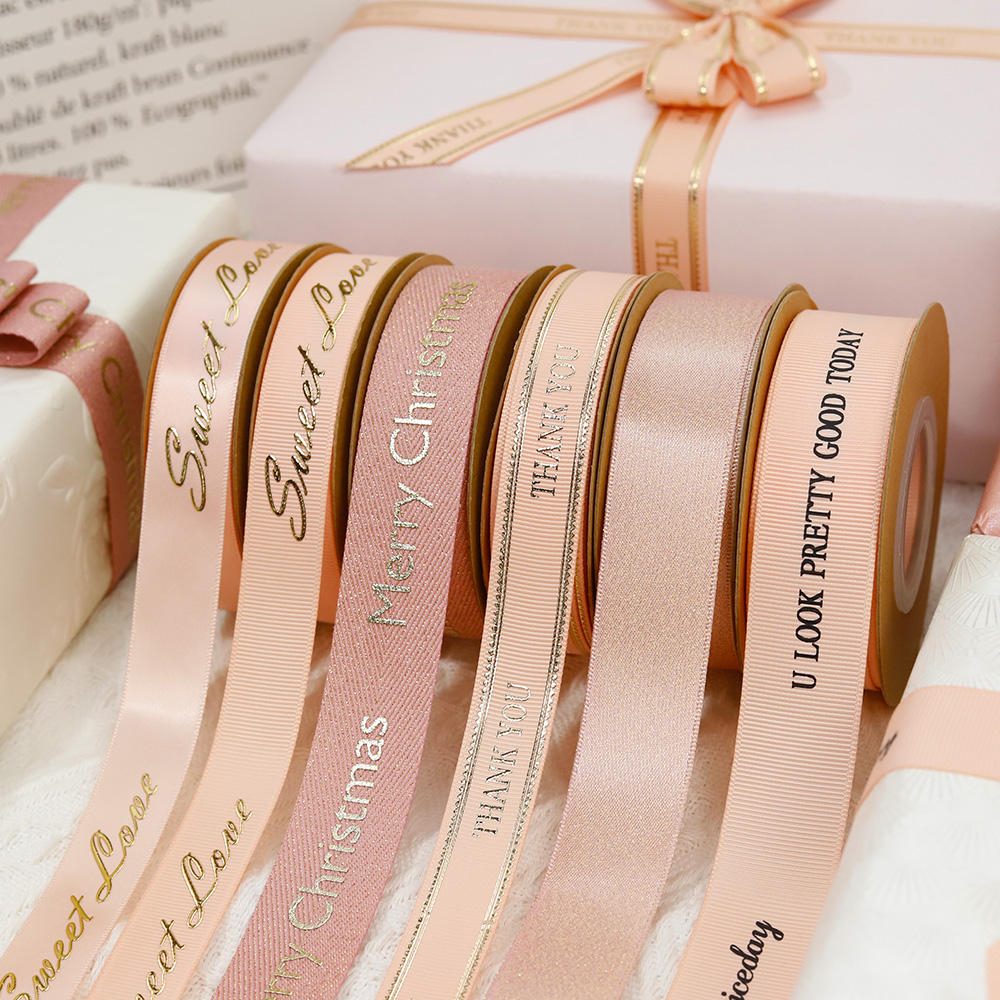
The sourcing record for metallic ribbon scratch shedding is incomplete until it supports verification of samples, materials, print, tolerances, certifications, and bulk-production risk.
Metallic ribbon fails by shedding under friction, and it does that inside the carton before a customer ever sees it. A rub test on the sample predicts it.
Direct answer: For metallic ribbon scratch shedding, buyers should verify samples, materials, print, tolerances, certifications, and bulk-production risk.
What fails on metallic ribbon, and where it shows up
- Check for surface scratching on the roll before cutting: Scratches on the roll often go unnoticed until the ribbon is cut and folded, making the defect permanent. Unroll a full meter under bright light and inspect at a 45-degree angle for fine lines or dull streaks. Scratched rolls produce rejected finished packs, wasting material and labor. Document the scratch location and request a replacement roll before production.
- Inspect finished packs for scratching after folding or tying: Folding and tying can create new scratches on metallic ribbon that were not visible on the roll. Open three random packs and examine the ribbon surface where it was folded or tied for abrasion marks. Scratches on finished packs cause customer returns and damage your brand reputation. Shortlist the supplier and require a pre-shipment sample of the finished pack.
- Verify shedding by rubbing the ribbon surface with a white cloth: Metallic ribbon can shed loose particles that contaminate product packaging and create a poor unboxing experience. Rub the ribbon surface firmly ten times with a clean white cloth and check for metallic residue. Shedding onto product or packaging leads to cleanup costs and customer complaints. Approve the sample only if no visible residue transfers to the cloth.
- Check for shedding on packaging inserts and inner liners: Loose metallic particles can stick to tissue paper, cards, or poly bags, making the pack look dirty. Place a sample ribbon inside the intended packaging, shake gently, then inspect the liner for glitter or metallic dust. Contaminated packaging forces rework or discounting of the entire order. Document the test result and share it with the supplier as a quality gate.
Scratching on the roll versus on the finished pack
Scratches on the raw roll often come from improper tension or winding debris. But scratches on the finished pack can also be caused by die-cutting pressure, folding creases, or handling during packing. You must inspect both stages separately because a clean roll can still produce scratched packs after conversion.
Shedding onto product and packaging
Metallic ribbon shedding happens when the coating is not fully bonded to the substrate. Loose particles transfer to apparel, gift boxes, or tissue paper during packing or transport. This is a common cause of retail chargebacks. The rub test with a white cloth is the standard method to confirm shedding levels before bulk production.
How metallic ribbon is built, and why that predicts failure
- Metallised film adhesion must withstand standard flex and peel tests without coating transfer. Submit a third-party scratch adhesion test report per applicable market compliance evidence or equivalent, showing no delamination at the coating-substrate interface. Supplier's QC lab or contracted testing facility. Accepting rolls without adhesion proof leads to coating flaking during slitting or end-use, causing ribbon shedding and product rejection. Request the adhesion test report as a condition of sample approval before bulk production.
- Foil lamination bond strength must be verified for each production lot to prevent edge lifting. Provide lot-specific peel strength data (N/cm) from a calibrated peel tester, with pass/fail threshold stated in the supplier's QC standard. Supplier's production QC team. Weak lamination bond results in foil separation at ribbon edges during winding or bow tying, creating visible debris and quality complaints. Include peel strength verification in the inspection checklist for first-article and ongoing lot approvals.
- Metallic yarn twist and tension must be consistent to avoid uneven coating wear and shedding. Submit a yarn tension log and twist uniformity report from the supplier's winding or twisting process, covering the specific yarn lot used. Supplier's yarn preparation or incoming material QC. Inconsistent yarn tension causes localized coating abrasion during weaving or knitting, leading to premature shedding in the finished ribbon. Review the yarn tension log during the pre-production sample stage and flag any deviations from the agreed tolerance.
- Supplier must demonstrate capability to control coating thickness and cure uniformity across production runs. Provide a process capability study (Cpk ≥ 1.33) for coating thickness and cure temperature, with data from at least three consecutive production lots. Supplier's process engineering or quality assurance department. Without process capability evidence, batch-to-batch variation in coating performance can cause intermittent shedding that is hard to detect until final use. Request the process capability study as part of the supplier qualification package, and verify it during the initial factory audit.
- Supplier must have a documented procedure for OEM and ODM ribbon development that includes coating bond validation. Submit a copy of the supplier's ribbon development procedure, including the coating bond validation step and acceptance criteria. Supplier's R&D or technical services team. Without a formal development procedure, coating bond issues may be discovered only after production, leading to costly rework or scrap. Review the development procedure during the supplier evaluation and confirm it covers OEM and ODM ribbon development requirements.
Metallised film, foil lamination, and metallic yarn
Metallised film is a polyester base with a vacuum-deposited aluminum layer; foil lamination bonds a thin metal sheet to ribbon fabric; metallic yarn is a wrapped core with a metal-coated outer thread. Each construction method creates a different failure mode. Film tends to crack under flex, foil delaminates when adhesive ages, and yarn sheds when the wrap loosens.
Where the coating bond actually breaks
The bond breaks at the interface between the metal layer and the substrate, not within the metal itself. For film, failure occurs at the vapor-deposited layer; for foil, at the adhesive joint; for yarn, at the wrap tension point. A scratch test or tape-pull reveals which interface is weak. That tells you whether the problem is adhesion, material choice, or process control.
The rub test to run before you order quantity
- Supplier cannot demonstrate a standard rub test on metallic ribbon samples. Without a rub test, coating adhesion is unverified; shedding or scratching may appear only after bulk production. Request a documented rub test procedure and ask for a video of the test being performed on your sample. A signed rub test report with photos of the sample before and after the test. Add the rub test as a mandatory step in your sample approval checklist.
- Supplier offers no MOQ flexibility for trial runs of custom printed ribbon. A high MOQ locks you into a large order before you can confirm quality, increasing financial risk if the ribbon fails the rub test. Negotiate a lower trial MOQ or ask for a sample roll at production scale to run your own rub test. A written MOQ confirmation for trial quantities, separate from the bulk order terms. Confirm trial minimum order by RFQ before placing any purchase order.
- Supplier has no record of rub testing on previous metallic ribbon orders. Lack of historical test data suggests the supplier may not prioritize coating adhesion, increasing the chance of defects. Ask for rub test records from at least three past orders, including any failures and corrective actions taken. Copies of past rub test reports or a summary of test results for similar metallic ribbon products. Shortlist only suppliers who can provide verifiable rub test history.
Pressure, strokes, and the surface to rub against
Standardize the rub test by specifying the pressure applied, number of strokes, and the surface material. Use a consistent fabric like cotton or felt to simulate real handling. Without these controls, results vary between suppliers. Ask your supplier to confirm these parameters in writing before you approve any custom printed ribbon sample.
What a pass looks like, stated so both sides agree
Define a pass as no visible metal transfer or scratching after the agreed rub cycle. Photograph the test area under consistent lighting. Include this definition in your quality agreement to avoid disputes. A clear pass/fail standard protects both you and the supplier, especially when ordering custom printed ribbon in bulk quantities.
The shedding check nobody runs until it is too late
Metallic ribbon scratch shedding often begins at cut edges, where the metal layer is most exposed to abrasion during handling and winding. Without a controlled rub test at the sample stage, buyers discover loose metallic particles only after the ribbon is already in gift and retail packaging ribbon solutions, leading to rejected goods and production delays. A standardized shedding check, using a consistent pressure of the buyer-provided product weight and 10 strokes on a felt surface, reveals whether the edge seal or coating will hold up in your supply chain.
Cut edges, and why they shed first
The metal-to-substrate bond is weakest at cut edges because the coating is interrupted and more prone to flaking. Factories that skip edge-sealing or use low-adhesion metallization create ribbons that shed visibly under minimal friction. A simple pass-fail rub test on a sample can flag this risk before bulk production begins.
Collecting and judging what comes off
After the rub test, collect loose particles on a dark cloth and weigh them with a precision scale. Any shedding above the agreed limit per sample indicates poor adhesion and likely failure in downstream processes. This quantitative threshold, combined with visual inspection for scratches, gives you a clear go/no-go decision for factory qualification.
For a reliable sample handoff, specify the rub test parameters in your RFQ and request a video of the test being performed on the exact material grade you intend to order. This eliminates ambiguity and ties factory execution to your quality standard.
Setting acceptance criteria a supplier can quote against
- Does the supplier have a documented rub-test protocol for metallic ribbon scratch shedding? A standardised rub test with defined pressure, stroke count, and pass/fail criteria is the only way to verify metal-layer adhesion before bulk production. Supplier provides a written test method referencing a known standard or their own validated internal procedure with acceptance thresholds. Without a documented protocol, you accept subjective pass/fail judgments that cannot be repeated or quoted against, leading to inconsistent ribbon quality. Request a copy of the supplier's rub-test procedure and confirm it matches your quote request parameters before sample approval.
- What proof of metal-to-substrate bond strength does the supplier provide? Scratch shedding originates at cut edges where the metal layer is interrupted; bond strength data confirms the factory can control this failure mode. Factory shares peel-test or cross-hatch adhesion results from the same production lot as your sample, with values above their internal minimum. Accepting a sample without bond-strength evidence means you cannot verify whether the ribbon will shed during customer handling or machine feeding. Include a bond-strength requirement in your quote request and ask for test certificates from the Lude Ribbon factory for the specific metallic ribbon grade.
- How does the supplier control edge quality to minimise shedding? Cut edges are the primary shedding source; a supplier with slitting or die-cutting controls can reduce loose particles without extra cost. Supplier describes a specific slitting blade maintenance schedule or edge-sealing process that prevents metal-layer delamination at the cut line. Ignoring edge quality means you may receive ribbon that sheds during unspooling or knotting, causing rejects in your downstream assembly. Ask the supplier to include edge-condition inspection in their QC checklist and provide photos of cut edges from your sample run.
- What is the cost impact of specifying a maximum particle weight after rub test? Tighter shedding limits may require slower slitting speeds, better blade materials, or additional cleaning steps, all of which affect unit price. Supplier gives a clear price adder or tolerance band for each particle-weight threshold, allowing you to choose the cost-performance trade-off. Setting an arbitrary low particle limit without understanding cost drivers can price your program out of budget or force a supplier to cut corners. Request a cost matrix from the supplier showing price per yard for three shedding thresholds, then select the one that matches your end-use requirement.
Naming the test in the RFQ, not after the sample
State the exact rub-test method, pressure, stroke count, and pass/fail particle-weight limit in your quote request. This forces every quoting supplier to bid against the same standard. If you wait until after the sample arrives, you lose the ability to compare apples to apples and may accept a ribbon that sheds more than your customer tolerates.
What proof to request from the factory
Ask for a test certificate from the same production lot as your sample, not a generic quality document. The certificate must show the rub-test result, the particle weight collected, and the bond-strength value. Without this proof, the sample is just a hand-picked piece that may not represent what ships in bulk. Require it before you approve the sample.
Packing and handling that reduce transit damage
Metallic ribbon scratch shedding often begins at cut edges, where the metal layer is most exposed to abrasion during handling and sea freight. The primary failure mode is edge-on-edge contact between rolls, which abrades the metallized coating and generates visible flakes. To prevent this, specify interleaving: a tissue or non-woven layer placed between each ribbon wrap that cushions the metal surface and traps loose particles. Core size must match the winding tension, a inner diameter core with controlled tension (typically the buyer-approved force threshold) prevents telescoping and edge distortion. For long sea freight, require each roll to be individually bagged in anti-static polyethylene, then packed in export-grade corrugated boxes with foam end-caps that immobilize the core. The quote request should state: ‘Interleaving material, core inner diameter, and winding tension range must be confirmed in the sample handoff report.’ This forces the factory to document their packing protocol before bulk production.
Interleaving, core size, and roll tension
Interleaving material choice affects cost and performance: tissue paper (lowest cost, adequate for short transit) vs. non-woven fabric (higher cost, better particle capture). Core size influences roll stability, larger cores (the approved tolerance) reduce edge pressure but increase shipping volume. Roll tension should be set against ribbon width and metal layer thickness, and confirmed with the supplier for your specific construction; over-tensioning causes micro-cracks, under-tensioning allows shifting. Factory execution risk: inconsistent tension across multiple rolls leads to variable scratch shedding. Specify a tension tolerance of ±the buyer-approved force threshold in the production checklist.
What to specify for long sea freight
For sea freight exceeding the lead time your supplier confirms, add: (1) moisture barrier, each roll sealed in aluminum foil laminate bag with desiccant; (2) pallet strapping, use edge protectors to prevent strap abrasion; (3) container climate, request container with ventilation slots to avoid condensation. The sample handoff must include a photo of the packed roll with interleaving visible and a signed packing protocol. Production risk: factory may skip interleaving to reduce cost; verify via sample inspection and include a penalty clause in the contract.
Carrying the standard into reorders
Retain a sealed sample from the initial approved batch and a copy of the signed scratch-shedding checklist. Before placing a reorder, run a rub-test comparison between the retained reference and the new production sample using the same pressure, stroke count, and surface material. If the new sample shows any visible metallic flecks or a weight loss above the original pass/fail limit, trigger a full re-qualification. The most common cause of checklist failure in reorders is a change in the coating source, whether the supplier switches metallised film vendors or alters the foil-lamination bond. When that happens, the scratch-shedding profile can shift even if the ribbon width and colour remain identical. Require the factory to document the coating batch number on every reorder packing list, and reserve the right to re-test if the source changes. This keeps the standard alive across repeat buys without reinspecting every roll.
Retained reference and re-test triggers
Store the retained sample in a sealed, light-protected bag with the checklist date and lot number. Re-test triggers include: any visible change in ribbon surface gloss, a new coating supplier declaration, or a gap of more than six months since the last order.
What changes if the supplier switches coating source
A different metallised film or foil laminate can alter adhesion strength, metal-layer thickness, and edge-seal integrity. Even if the ribbon looks identical, scratch shedding may increase. Always request a coating-source declaration with each reorder and compare the rub-test result against the retained reference.
Source check: ISO 9001 quality management standard.
In conclusion
The practical decision for buyers is to verify that every metallic ribbon sample passes a documented rub test before approving production. Compare the supplier’s stated adhesion method and metal lay against your own folded-edge rub results, and confirm that the minimum order and lead time align with your order schedule. A shortlist of qualified suppliers should be based on their willingness to sign off on a clear scratch-shedding checklist and to provide a sealed retained sample from the approved batch.
To finalize procurement, check that the supplier’s quote request response includes the exact rub-test parameters, pressure, and pass/fail particle count, and that the standard production lead time of 15–20 business days after specification confirmation is acceptable for your timeline. Document the approved sample, the signed checklist, and the supplier’s commitment to repeat the rub test on cut-and-wound rolls. This handoff ensures that scratch shedding risk is managed from sample approval through to final shipment, protecting your product quality and reorder consistency.
FAQ
How can a buyer test metallic ribbon for shedding without laboratory equipment?
Buyers can perform a simple rub test by folding a sample of the metallic ribbon and rubbing the coated surfaces together firmly with a finger for 10 strokes. Compare the amount of loose metallic particles on a dark cloth to the supplier’s approved sample; if visible shedding exceeds that standard, request a revised specification or alternative material before approving production.
Is shedding a coating problem or a base fabric problem?
Shedding is primarily a coating adhesion problem, not a base fabric defect, though a rough or loosely woven substrate can worsen it. Verify that the supplier uses a properly cured metal deposition layer and a protective topcoat, and request a test certificate from the same production lot as your sample to confirm adhesion strength.
Should the rub test be run before or after the ribbon is cut and wound?
The rub test should be performed on both the parent roll and the cut-and-wound ribbon, because cutting exposes raw edges where shedding often starts. Compare results between the two states; if the cut sample sheds significantly more, ask the supplier to adjust the slitting blade sharpness or add an edge-sealing treatment before you approve the final production.
What packing changes reduce scratching on metallic ribbon in transit?
To reduce scratching in transit, specify that each roll be wrapped in a low-lint tissue interleaf and packed individually in a polybag before cartoning. For sea freight, add a moisture barrier bag and a desiccant pack, and confirm the supplier’s packing standard matches your approved sample before the container is loaded.
What materials are the most scratch-resistant for jewelry?
For jewelry applications, the most scratch-resistant metallic ribbons use a high-density polyester base with a thicker, UV-cured protective topcoat. Request a sample of the supplier’s premium metallic grade and run a 50-stroke rub test against a metal clasp; if no visible scratching occurs, shortlist that material and confirm the minimum order and lead time for your custom width and color.
quote request handoff: Send Specs for Review.
Keep exploring
Recommended buyer guides
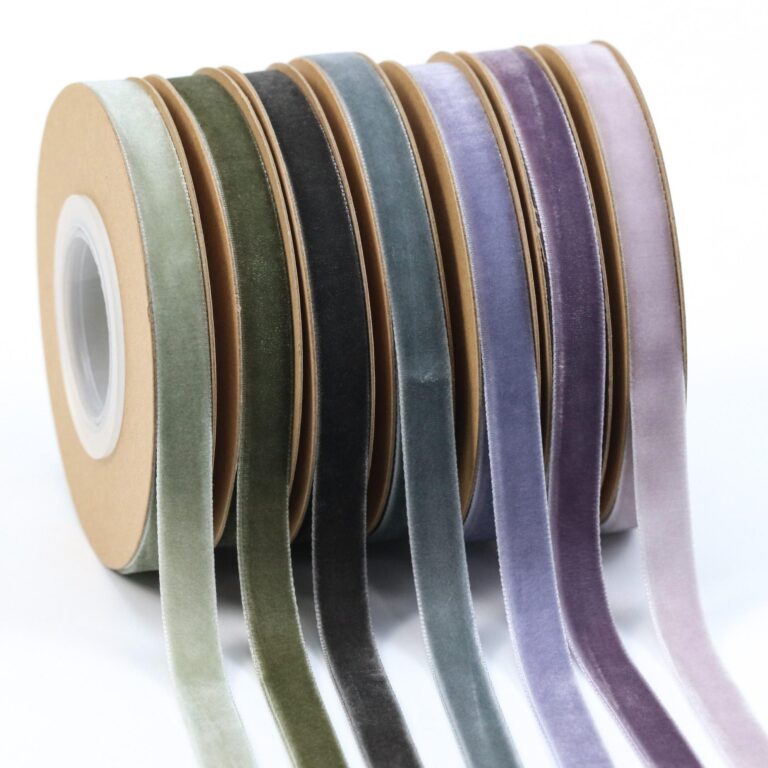 Wholesale Narrow Velvet Ribbon: Specs, Roll Length, and RFQ Checks
Check velvet pile direction, edge finish, cutting, tying, shade, and packout evidence before approving narrow velvet ribbon production.
Explore guide
Wholesale Narrow Velvet Ribbon: Specs, Roll Length, and RFQ Checks
Check velvet pile direction, edge finish, cutting, tying, shade, and packout evidence before approving narrow velvet ribbon production.
Explore guide
 Wholesale Satin Ribbon Sample Approval Workflow: Buyer Checklist
Wholesale Satin Ribbon Sample Approval Workflow — the checks that decide whether a quote, sample, or shipment can…
Explore guide
Wholesale Satin Ribbon Sample Approval Workflow: Buyer Checklist
Wholesale Satin Ribbon Sample Approval Workflow — the checks that decide whether a quote, sample, or shipment can…
Explore guide
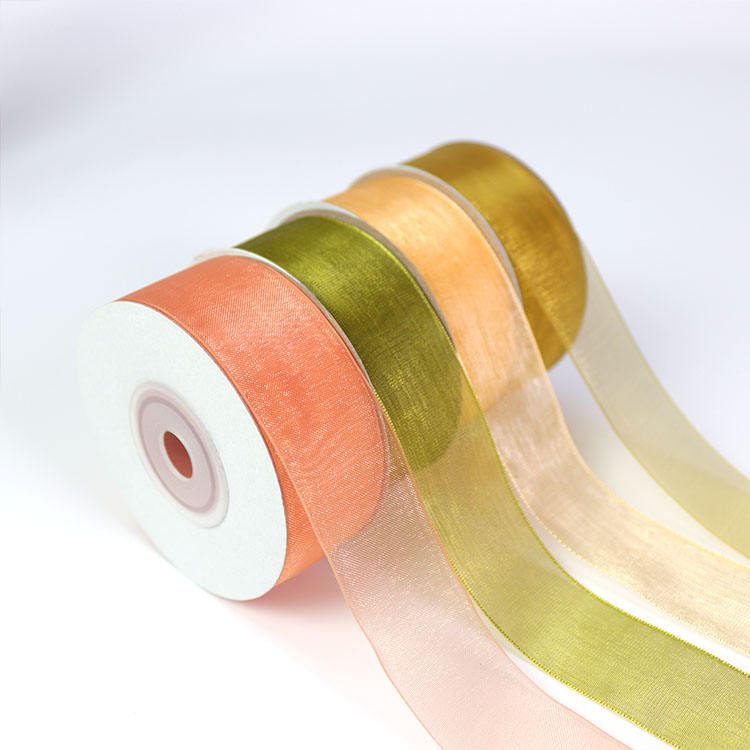 Organza Ribbon Sample Approval Workflow Before Bulk Production Buyer
 — the checks that decide whether a quote, sample,…
Explore guide
Organza Ribbon Sample Approval Workflow Before Bulk Production Buyer
Organza Ribbon Sample Approval Workflow Before Bulk Production Buyer — the checks that decide whether a quote, sample,…
Explore guide
 B2B Foil Ribbon Order Risk: Proof, Registration, Release
Buying foil printed ribbon: order risk control checklist? Verify artwork files, print method, color target, and sample approval…
Explore guide
B2B Foil Ribbon Order Risk: Proof, Registration, Release
Buying foil printed ribbon: order risk control checklist? Verify artwork files, print method, color target, and sample approval…
Explore guide
Leave a comment
Share a sourcing question or feedback on this guide. The Lude team reviews submissions before following up.