


Wholesale Wired Metallic Ribbon: Specs, Roll Length, and RFQ Checks
Wired Metallic Ribbon: what to check on material, width, finish, and handling before placing a ribbon order

A wired metallic ribbon needs a written RFQ path before price comparison, because material, structure, print, packing, and timing all change the supplier answer.
For wired metallic ribbon, the useful factory reply is specific: what material, structure, artwork, packing, MOQ, and proof must be confirmed before sampling.
Use the sections below to make the quote, sample, and supplier follow-up easier to compare.
When wired metallic ribbon fits bulk or custom orders
Wired metallic ribbon fits applications that need adjustable shape plus a reflective or festive finish. The decision should be based on the finished bow or display, because wire behavior, edge feel, surface coating, overlap, and storage pressure are difficult to judge from a flat strip.
| Option | Best Fit | Risk to Avoid | Verification Check | Follow-up |
|---|---|---|---|---|
| Stock wired metallic | Seasonal programs with an approved standard finish | Different reels show visible variation | Compare samples from the intended production reference | Retain the accepted reel and sample record |
| Custom color or finish | Brand work needing a controlled appearance | The coating or tone changes on the final form | Create the intended bow and review it under display lighting | Approve the formed sample |
| Structure-led program | Large bows or displays needing shape retention | The edge kinks, protrudes, or loses form | Run a forming, handling, and packed-storage test | Lock the approved construction |
Confirm MOQ by construction and finish route, then use the sample gate to decide whether a standard option is sufficient or a custom path is justified. Keep each decision tied to visible risk, verification evidence, and a named buyer follow-up.
Use the related resource to confirm the wider buying path: metallic ribbon buying guide.
Key specs buyers should compare
Define wired metallic ribbon as a formed application. Base material, metallic surface, width, wire construction, edge finish, color reference, roll presentation, and protective packing all influence appearance and handling.
| Spec | Acceptable Range | Risk to Avoid | Verification Check | Follow-up |
|---|---|---|---|---|
| Metallic surface | Matches the approved gloss, texture, and color reference | Coating appears uneven or sheds during forming | Form and handle a physical sample under normal light | Retain the accepted finish sample |
| Wire and edge | Holds the required shape without sharp protrusion | Kinking, breakage, or unsafe edge exposure | Run repeated forming and touch checks | Revise construction before release |
| Width and roll condition | Feeds and forms consistently for the application | Creases or tension variation distort the result | Test material from a packed roll | Approve the roll and pack method |
| Reorder control | Same records identify construction and finish | Later production cannot be compared objectively | Review retained sample and approval sheet | Lock the reference in the job file |
- Which material, coating, wire, and edge route produced the sample?
- What inspection evidence will the supplier retain for finish and edge condition?
- How will the factory identify a process or material change before production?
- Which packed sample should be used for the final handling approval?
Require answers that identify the evidence, owner, and corrective action. General statements about capability are not a substitute for a marked sample and traceable inspection record.
Before comparing suppliers, review wired edge ribbon for the related product or solution route.
RFQ checkpoint
Check the product route for sizes, structures, materials, finishes, and RFQ details before sampling wired metallic ribbon.
Material, finish, and use-case decision table
Prepare the RFQ from the end use backward. The response should be able to reproduce the intended shape, finish, handling, roll condition, and approval route without relying on an unmarked reference image.
| RFQ Input | Why It Matters | Risk to Avoid | Supplier Question | Follow-up |
|---|---|---|---|---|
| Finished application | Defines shape and handling expectations | A flat sample passes but the formed piece fails | Can you prepare the actual bow or display form? | Approve the formed sample |
| Material and metallic finish | Controls appearance and surface behavior | The coating shifts, marks, or sheds | Which process and physical reference will be used? | Retain the accepted reference |
| Wire and edge construction | Controls form retention and touch safety | Kinking, protrusion, or breakage | How will edge condition be checked? | Record the inspection method |
| Packing and roll presentation | Protects the material before application | Creasing or compression changes the result | Can you provide a packed sample? | Approve the pack instruction |
Commercial cost changes when finish development, sampling, special packing, or inspection work changes.
Align the requested production timeline with the sample and approval sequence. If any input remains open, record it as a decision question and hold the affected release rather than allowing an assumption to become the production reference.
Use the related resource to confirm the wider buying path: wired edge ribbon route.
For related specifications, sample inputs, and RFQ details, review OEM and ODM ribbon development.
Common selection mistakes
For wired metallic ribbon, this section converts common selection mistakes into RFQ inputs, supplier evidence, approval risk checks, and the next sample or quote decision.
Choosing by unit price only
Compare total fit.
A visually similar option may behave differently after forming, handling, or packed storage. Keep the decision tied to the approved application sample and evidence for surface condition, edge safety, shape retention, and repeat control.
Skipping sample or quality checks
Do not approve a flat strip when the real use is a bow, wreath, display, or structured package detail. Form the sample, handle it as an operator would, store it in the intended pack, and inspect it again after opening.
- Mistake: judging metallic appearance under one light. Check: review the formed sample under display and camera conditions.
- Mistake: ignoring the wired edge after repeated shaping. Check: inspect for kinks, protrusion, and breakage.
- Mistake: approving without packed storage. Check: open a representative packed sample and assess recovery.
- Mistake: keeping no retained reference. Check: store a marked sample, photographs, and approval record.
Escalate any mismatch as a documented deviation. The production team should know whether to correct, resample, or stop before the affected material reaches the next stage.
Use the related resource to confirm the wider buying path: ribbon development route.
For related specifications, sample inputs, and RFQ details, review gift and retail packaging ribbon solutions.
When to request samples or a quote
For wired metallic ribbon, this section converts when to request samples or a quote into RFQ inputs, supplier evidence, approval risk checks, and the next sample or quote decision.
Quote-ready inputs to prepare
Request a quote when the application, material, metallic finish, width, wire behavior, edge condition, roll presentation, packing, destination, and approval route are clear. Ask the response to separate cost drivers such as custom finish development, sampling, special packing, labels, and inspection work.
Approval checks before production
Request a physical sample whenever finish, shape retention, edge feel, handling, or packed recovery affects acceptance. Form the actual bow or display, compare it with the physical reference, and state which deviations require a corrected sample.
- Issue one controlled RFQ packet and list unresolved inputs as questions.
- Check the response against the same application and approval assumptions.
- Test the formed sample through handling and packed storage.
- Record surface, edge, shape, roll, and packing results as accept, revise, or reject.
Additional RFQ items include carry the marked sample and approval record into production and reorder control.
Do not treat a complete commercial response as production readiness when the physical acceptance method remains undefined. Both records must point to the same application, evidence, approval owner, and next checkpoint.
Use the related resource to confirm the wider buying path: gift and retail packaging route.
Use Lude Ribbon factory to align the sample and production handoff.
- Decision matrix: choose the wired metallic ribbon route only after product fit, customization scope, quote assumptions, sample approval, and reorder control are comparable.
- Best-for check: match the wired metallic ribbon route to the use case and approved specification before comparing price.
- Trade-off check: compare buyer control, development scope, cost drivers, lead-time assumptions, quality risk, and repeat-order consistency.
In conclusion
Approve wired metallic ribbon in its formed and packed application. The controlled record should connect the material, metallic surface, width, wire and edge construction, color reference, roll presentation, packing, quotation, marked sample, and acceptance method.
Hold the order when the physical sample and commercial response do not share the same revision or when the method for judging finish, edge, shape, and packed recovery is unclear. Carry the approved reference and deviation record into production and reorders.
Use the related resource to confirm the wider buying path: metallic ribbon.
Wired metallic ribbon FAQ
Which specs decide whether wired metallic ribbon fits a bulk buying project?
Define the base material, metallic surface, width, wire construction and placement, edge condition, color reference, roll presentation, packing, and the formed application. The decision depends on whether the sample can achieve the intended shape and recover from handling and packed storage without unacceptable surface or edge changes.
What should I verify with the supplier before ordering wired metallic ribbon at scale?
Ask which material, finish, wire, edge, and packing route produced the sample; how those inputs are identified in production; which visual and handling checks will be recorded; and how the supplier will notify the buyer of a change. Verify the answers against a marked physical sample.
What sample approval proof should buyers request before production?
Form the intended bow or display, inspect the metallic surface and edge after repeated handling, place it in the intended pack, reopen it, and check shape recovery, roll condition, protection, and labels. Record the conditions and result so the same check can be repeated after a change or on a reorder.
What should buyers verify before approving wired metallic ribbon?
Verify the construction and wire placement against the approved reference, then check finish, color, width, edge condition, forming behavior, packed recovery, and roll presentation. Any gauge, tolerance, or test value should come from the buyer’s approved specification or an agreed method, not from a generic buying guide.
Keep exploring
Recommended buyer guides
 Wholesale Foil Printing vs Screen Printing Ribbon: Buyer Comparison
Foil printing vs screen printing ribbon: side-by-side on artwork files, print method, color target, and sample approval. Pick…
Explore guide
Wholesale Foil Printing vs Screen Printing Ribbon: Buyer Comparison
Foil printing vs screen printing ribbon: side-by-side on artwork files, print method, color target, and sample approval. Pick…
Explore guide
 Organza Ribbon Sheer Finish and Print Comparison for Custom Orders
 — the checks that decide whether a quote,…
Explore guide
Organza Ribbon Sheer Finish and Print Comparison for Custom Orders
Organza Ribbon Sheer Finish and Print Comparison for Custom Orders — the checks that decide whether a quote,…
Explore guide
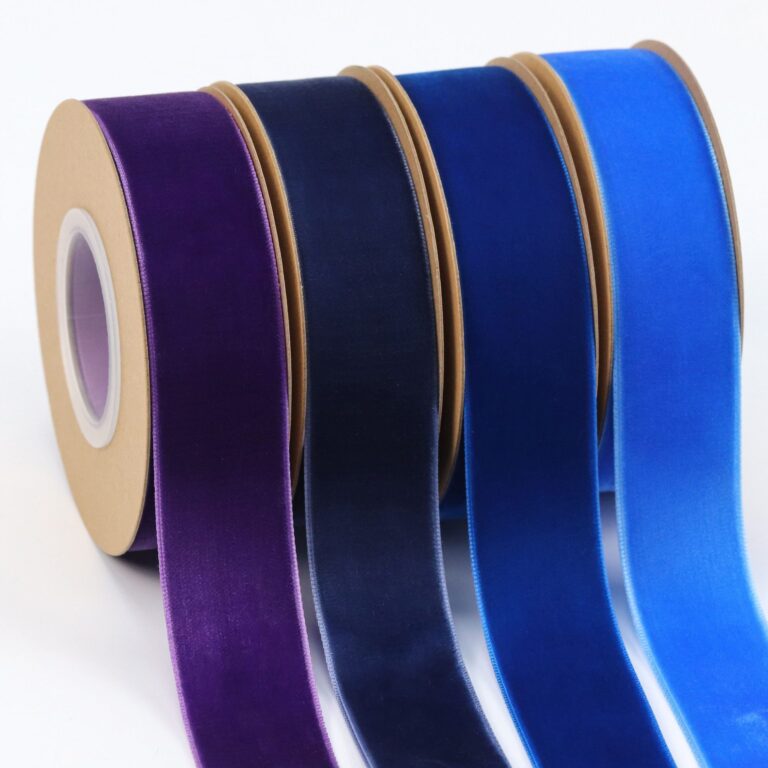 Velvet Ribbon Pile and Finish Comparison for Custom Orders Buyer
: what to confirm on material, MOQ, sample checks,…
Explore guide
Metallic Ribbon Finish Comparison for Custom Orders: Buyer Checklist
Metallic Ribbon Finish Comparison for Custom Orders: what to confirm on material, dimensions, finish, and handling before you…
Explore guide
Velvet Ribbon Pile and Finish Comparison for Custom Orders Buyer
Velvet Ribbon Pile and Finish Comparison for Custom Orders Buyer: what to confirm on material, MOQ, sample checks,…
Explore guide
Metallic Ribbon Finish Comparison for Custom Orders: Buyer Checklist
Metallic Ribbon Finish Comparison for Custom Orders: what to confirm on material, dimensions, finish, and handling before you…
Explore guide
Leave a comment
Share a sourcing question or feedback on this guide. The Lude team reviews submissions before following up.