


Wired-Edge Ribbon Shape Loss? 3 Checks to Make
Evidence and specification note: Color targets, tolerances, test methods, documentation, acceptance criteria, and remedies must be confirmed for the quoted material and written into the approved sample, specification, and sales agreement. General scenarios in this article are not guaranteed production results. wired-edge ribbon shape retention is the first checkpoint buyers should lock before they approve…
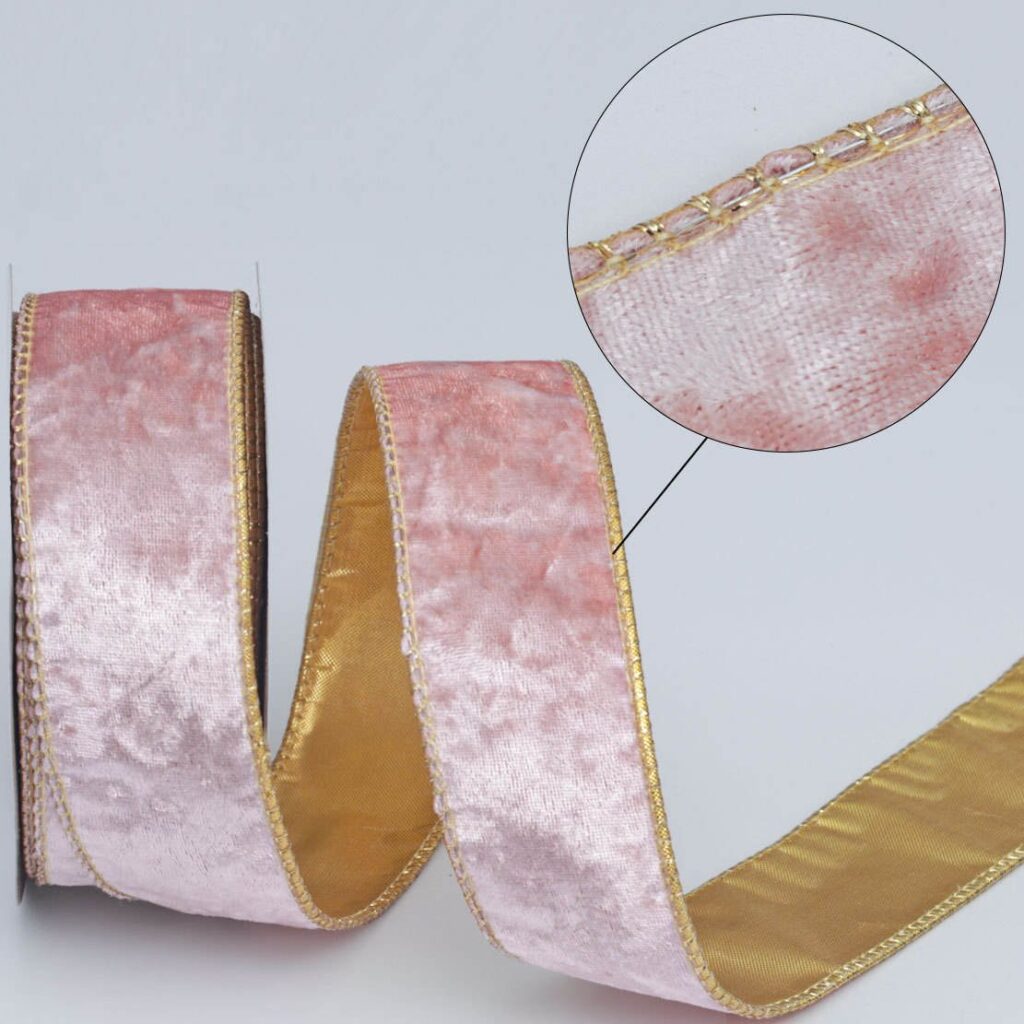
wired-edge ribbon shape retention is the first checkpoint buyers should lock before they approve a supplier, budget, or production slot. You’ve been burned before. The sample bow looked perfect in the showroom. But when the bulk order landed at the distribution center, the loops were limp. The wire was still there — that’s the frustrating part. It hadn’t snapped. The fabric had just stretched away from the edge. For a luxury brand procurement manager, wired-edge ribbon shape retention isn’t a nice-to-have. It’s the difference between a gift that sits proud on a shelf and one that looks like it was tied by hand in a rush. And when you’re sourcing for a line that ships to 500 retail doors, that gap costs you more than just a bad unboxing.
Physical sample approval can reduce mismatch and rework risk; use the signed sample, written specification, and dated production records as the control evidence.
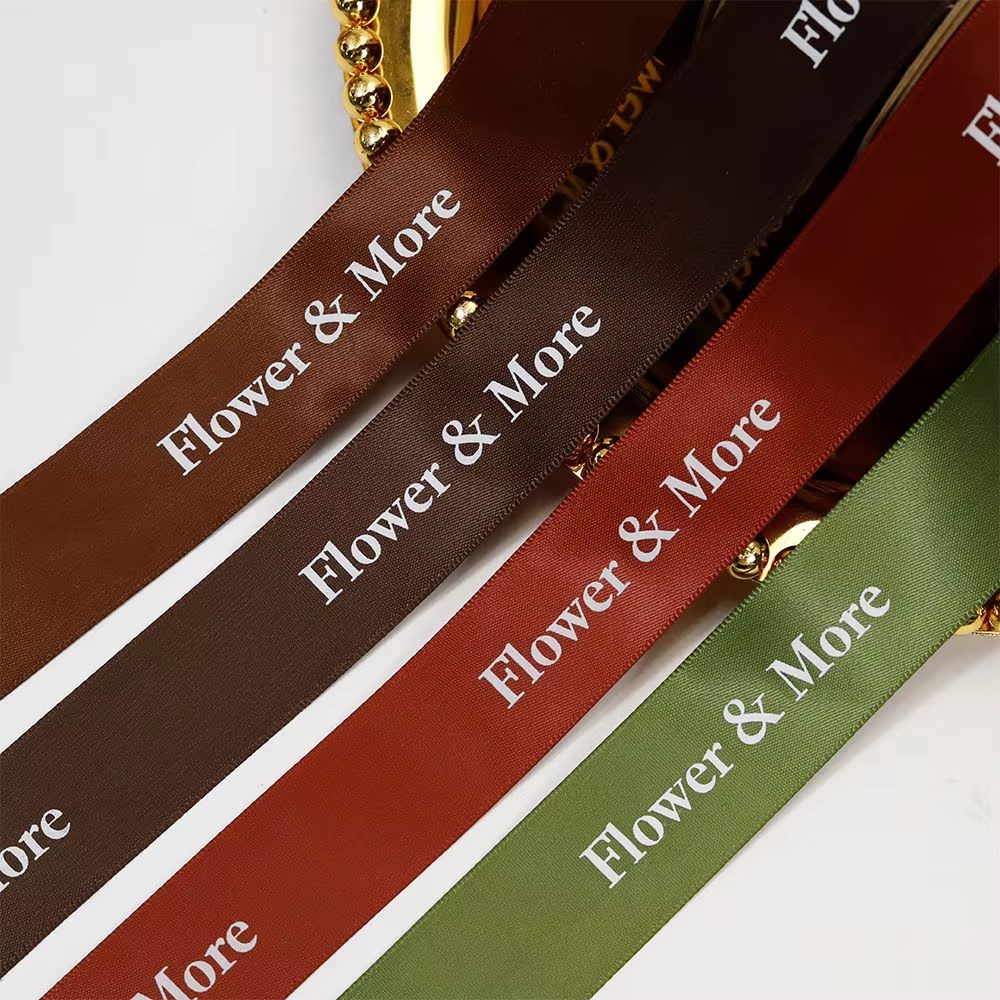
Check #1 – Is the Wire Still Inside or Did It Migrate?
Wire migration is the #1 hidden defect in cheap wired ribbon.
Defect, rejection, rework, complaint, and return rates must not be generalized across programs. Define the buyer-approved acceptance criteria and verify the selected material with a dated sample or production-lot record.
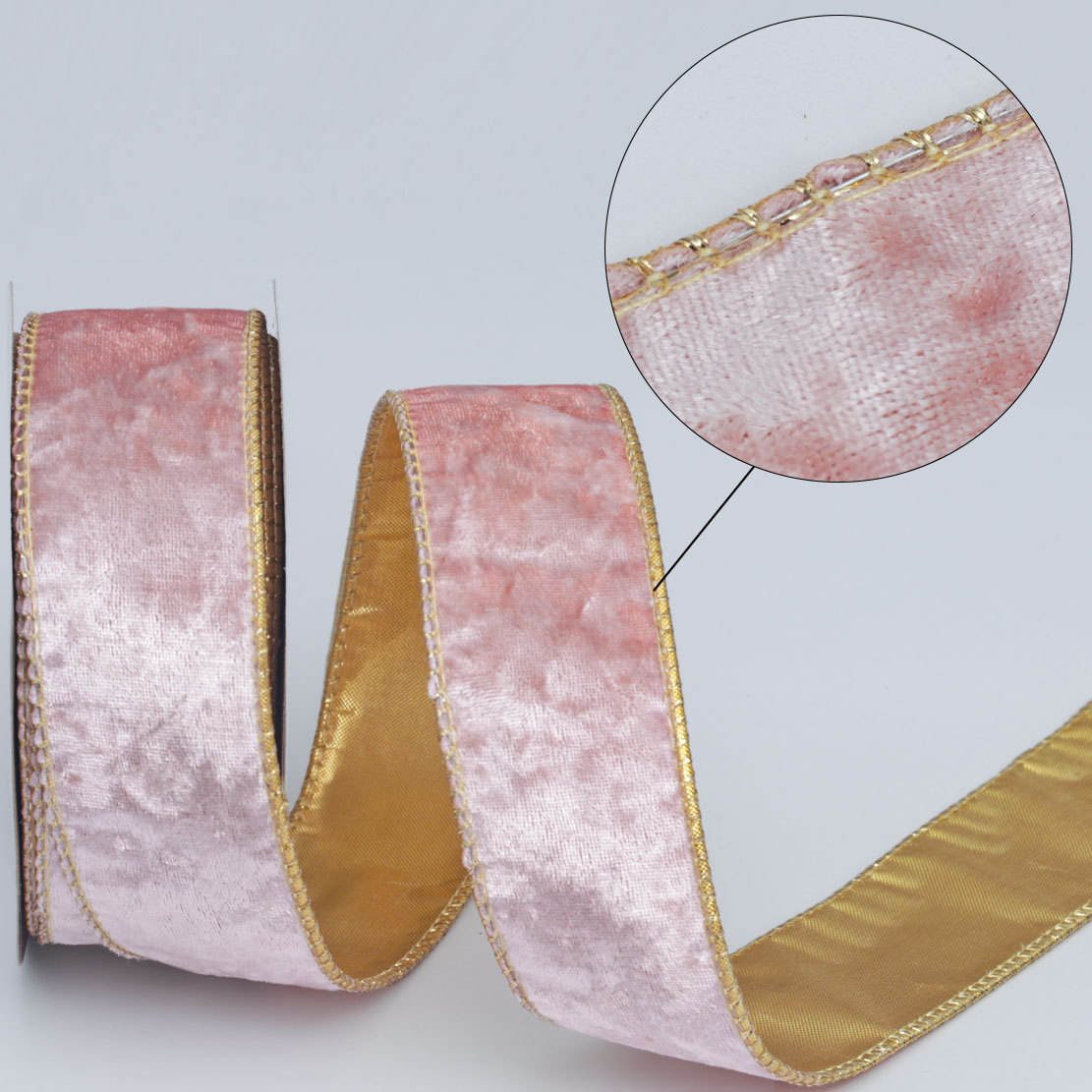
- Test method: Run your thumb along the ribbon edge. If you feel a gap where the wire has moved, or see the wire poking through the selvage, the pocket is failing.
- Single-fold failure data: Single-fold wire pockets allow 2mm of wire movement after only 10 tight ties. That’s enough to turn a crisp bow into a droopy mess.
- This percentage is not a verified cross-program result. Define the buyer-approved method, conditions, acceptance threshold, sample or lot, date, result, and remedy before using it as a specification or decision input.
Bend test: Cut a 10cm sample. Twist it 10 times tightly. If the wire protrudes from the edge or the fabric tears, reject the quality. This is the same test packaging engineers use for incoming QC. A ribbon that passes this will survive transit and display.
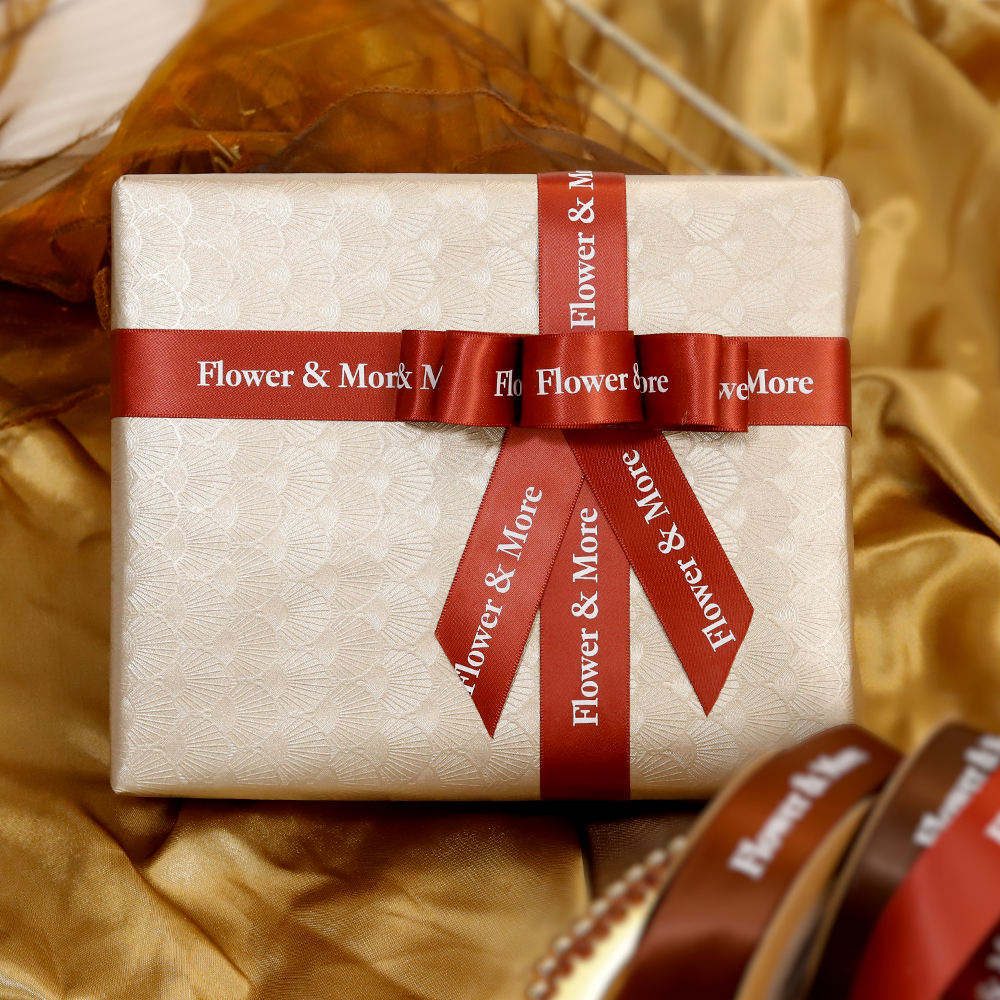
Check #2 – Is the Wire Gauge Right for Your Bow Size?
Wire gauge dictates whether your bow holds form or collapses under its own weight.
Wire gauge controls structural rigidity. A 10–15 cm gift bow tied from 15–25 mm ribbon flexes easily with 0.3 mm wire. Push that same 0.3 mm wire into a 40 mm ribbon for a 30 cm presentation bow, and the loops sag within hours — the wire lacks the bending resistance to support the heavier fabric mass.
- Bow diameter 10–15 cm: Use 0.3 mm wire on 15–25 mm ribbon. Flexible enough for tight loops, stiff enough for small retail bows.
- Bow diameter 15–30 cm: Use 0.4 mm wire on 25–40 mm ribbon. Balances shape retention with manageable hand-tie effort.
- Bow diameter 30–50 cm: Use 0.5 mm wire on 40–100 mm ribbon. Industry standard for large display bows; 0.5 mm holds loop weight without bending under shipping vibration.
Over-specifying wire makes ribbon stiff. A 0.5 mm wire on a 15 mm ribbon creates a rigid edge that resists clean loop formation — you fight the wire instead of shaping the bow. The result is uneven loops and a bow that looks forced, not natural. Match wire gauge to finished bow size, not just ribbon width. If your supplier offers only one gauge for all widths, that is a red flag.
| Bow Diameter | Recommended Wire Gauge | Ribbon Width | Application |
|---|---|---|---|
| 10–15 cm | 0.3 mm | 15–25 mm | Small gift bows, light packaging |
| 15–30 cm | 0.4 mm | 25–40 mm | Medium retail bows, standard gift boxes |
| 30–50 cm | 0.5 mm | 40–100 mm | Large presentation bows, luxury displays |

Check #3 – Did the Fabric Stretch Away from the Wire?
This percentage is not a verified cross-program benchmark. Replace it with a dated source or a buyer-approved input supported by the relevant quotation, sample, specification, inspection, or operating record.
Defect, rejection, rework, complaint, and return rates must not be generalized across programs. Define the buyer-approved acceptance criteria and verify the selected material with a dated sample or production-lot record.
Here’s the test: Hold the ribbon flat, then tug the fabric perpendicular to the wire edge with moderate force — roughly 100g of pull. Measure the gap that opens between the wire and the ribbon selvage. If that gap exceeds 1mm, the bond is too weak for shipping and display stress. Our internal QC spec passes only ribbons where the gap stays under 1mm at 100g pull.
- Pass threshold: Fabric-wire gap < 1mm at 100g pull — bond holds shape.
- Reject threshold: Gap > 2mm at 100g pull — ribbon will not hold shape through transit.
- Material impact: Satin weave grips wire best due to dense construction. Organza has 3x higher failure rate in this test.
Most suppliers never run this stretch test in QC — it’s not part of standard ribbon inspection. If you’re evaluating a new supplier, request a 5-yard sample and run this pull test yourself. A ribbon that passes the 1mm gap spec at sample stage will survive the container ride and the retail shelf.
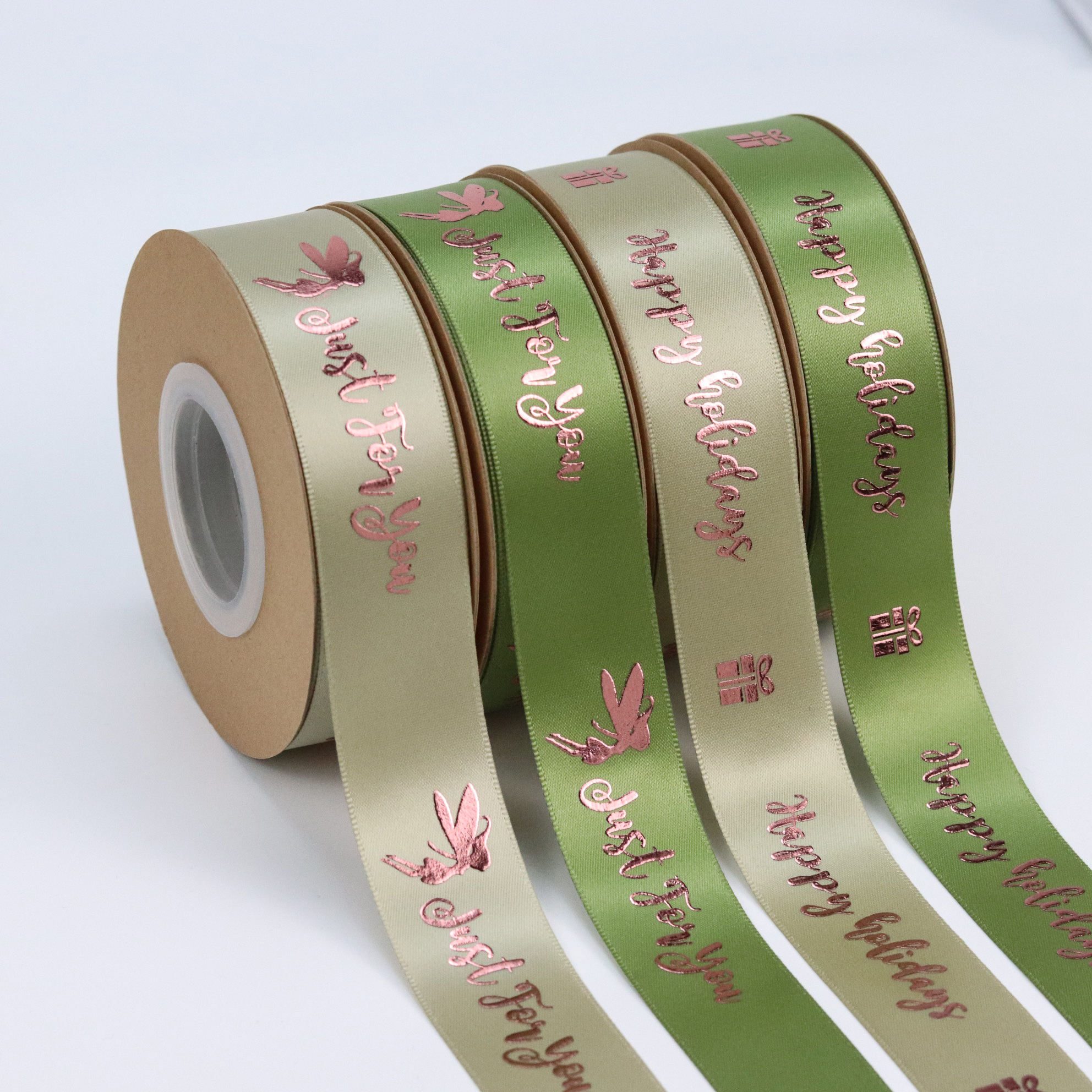
How to Order Wired-Edge Ribbon That Lasts Through Shipping and Display
Defect, rejection, rework, complaint, and return rates must not be generalized across programs. Define the buyer-approved acceptance criteria and verify the selected material with a dated sample or production-lot record.
The wire is rarely the problem. In 8 out of 10 floppy bow complaints, the wire is still intact but the fabric edge has stretched or torn away from it. This is a fabric-wire bond failure, not a wire fatigue issue. The root cause is almost always a weak pocket construction that allows the fabric to slip under tension.
- Defect, rejection, rework, complaint, and return rates must not be generalized across programs. Define the buyer-approved acceptance criteria and verify the selected material with a dated sample or production-lot record.
- Request 0.5mm wire for large bows, satin base for best hold: For presentation bows 30–50cm in diameter, 0.3mm wire lacks the rigidity to hold loop weight. 0.5mm wire is the standard for 50mm+ ribbon widths. Satin base material provides the highest friction coefficient against wire due to its dense weave — organza has 3x higher failure rate under identical shipping stress.
- No public first-party dataset is linked for this claim. Require a dated sample or production-lot record that identifies the material, method, conditions, acceptance criteria, result, and approver.
Conclusion
Bow collapse isn’t a mystery. It’s a preventable failure of the fabric-wire bond, a wrong wire gauge, or a skipped stretch test. These three checks give you a repeatable QC protocol to qualify any supplier before you commit to a bulk run.
Review the wired-edge ribbon specs on the product page to see the double-stitch construction and base material options. Then request a 5-yard sample of your exact build to run these tests on your own bench.
Frequently Asked Questions
How many times can I bend wired ribbon before wire fatigue?
Expect wire fatigue after roughly 20–30 tight bends in the same spot. The exact cycle count depends on wire gauge and ribbon width, but repeated sharp creases will eventually cause. Test a sample to confirm cycle life for your specific bow design.
Why does my bow seem floppy even though wire is present?
This percentage is not a verified cross-program result. Define the buyer-approved method, conditions, acceptance threshold, sample or lot, date, result, and remedy before using it as a specification or decision input.
Can I request a different wire material?
Pricing differences among materials, widths, print methods, quantities, and packing must be calculated from dated quotations for the same approved specification.
Does wire rust if ribbon gets wet?
Standard zinc-coated steel wire resists mild moisture but will rust with prolonged exposure. For outdoor events or humid environments, upgrade to stainless steel wire to prevent corrosion. Confirm the wire material before bulk production if the ribbon will face moisture.
What if I need extra-strong hold for large display bows?
Upgrade to 0.6mm wire, which provides significantly more rigidity for bows over 50 cm in diameter. This requires a custom setup and adds 5 days to the lead time, so plan. Request a physical sample with 0.6mm wire before committing to bulk.
Keep exploring
Recommended buyer guides
 Wholesale Opening Ceremony Ribbon: Specs, Roll Length, and RFQ Checks
Which Opening Ceremony Ribbon options deserve an RFQ? Compare artwork files, print method, color target, and sample approval…
Explore guide
Wholesale Opening Ceremony Ribbon: Specs, Roll Length, and RFQ Checks
Which Opening Ceremony Ribbon options deserve an RFQ? Compare artwork files, print method, color target, and sample approval…
Explore guide
 Wired-Edge Ribbon: Stop Bow Collapse in Transit
Evidence and specification note: Color targets, tolerances, test methods, documentation, acceptance criteria, and remedies must be confirmed for…
Explore guide
Wired-Edge Ribbon: Stop Bow Collapse in Transit
Evidence and specification note: Color targets, tolerances, test methods, documentation, acceptance criteria, and remedies must be confirmed for…
Explore guide
 Grosgrain Ribbon MOQ: What Changes the Minimum Order
Understand what changes grosgrain ribbon MOQ, how to simplify the specification, and what to send for a comparable…
Explore guide
Grosgrain Ribbon MOQ: What Changes the Minimum Order
Understand what changes grosgrain ribbon MOQ, how to simplify the specification, and what to send for a comparable…
Explore guide
 Custom Ribbon MOQ: How to Lower Minimum Order Quantities
Evidence and specification note: Color targets, tolerances, test methods, documentation, acceptance criteria, and remedies must be confirmed for…
Explore guide
Custom Ribbon MOQ: How to Lower Minimum Order Quantities
Evidence and specification note: Color targets, tolerances, test methods, documentation, acceptance criteria, and remedies must be confirmed for…
Explore guide
Leave a comment
Share a sourcing question or feedback on this guide. The Lude team reviews submissions before following up.