


Pre-Tied vs Hand-Tied Bows: Labor Cost Comparison for Retail
Evidence and specification note: Color targets, tolerances, test methods, documentation, acceptance criteria, and remedies must be confirmed for the quoted material and written into the approved sample, specification, and sales agreement. General scenarios in this article are not guaranteed production results. Pricing and example note: Current pricing is quoted to specification. Material, width, color, decoration,…


Why In-House Hand-Tying Kills Your Packaging Margins
Any cost, discount, or savings must be calculated from the dated quotation and the buyer’s approved specification.
Any percentage premium, discount, saving, or cost comparison depends on the approved material, width, decoration, quantity, packing, delivery terms, and destination. Compare dated quotations against the same written specification.
- Labor per bow: Quoted after RFQ.
- Work-in-progress inventory: Hand-tied bows must be stored flat in protective trays; any crushing or folding during storage leads to rejection — adding inspection and repackaging costs.
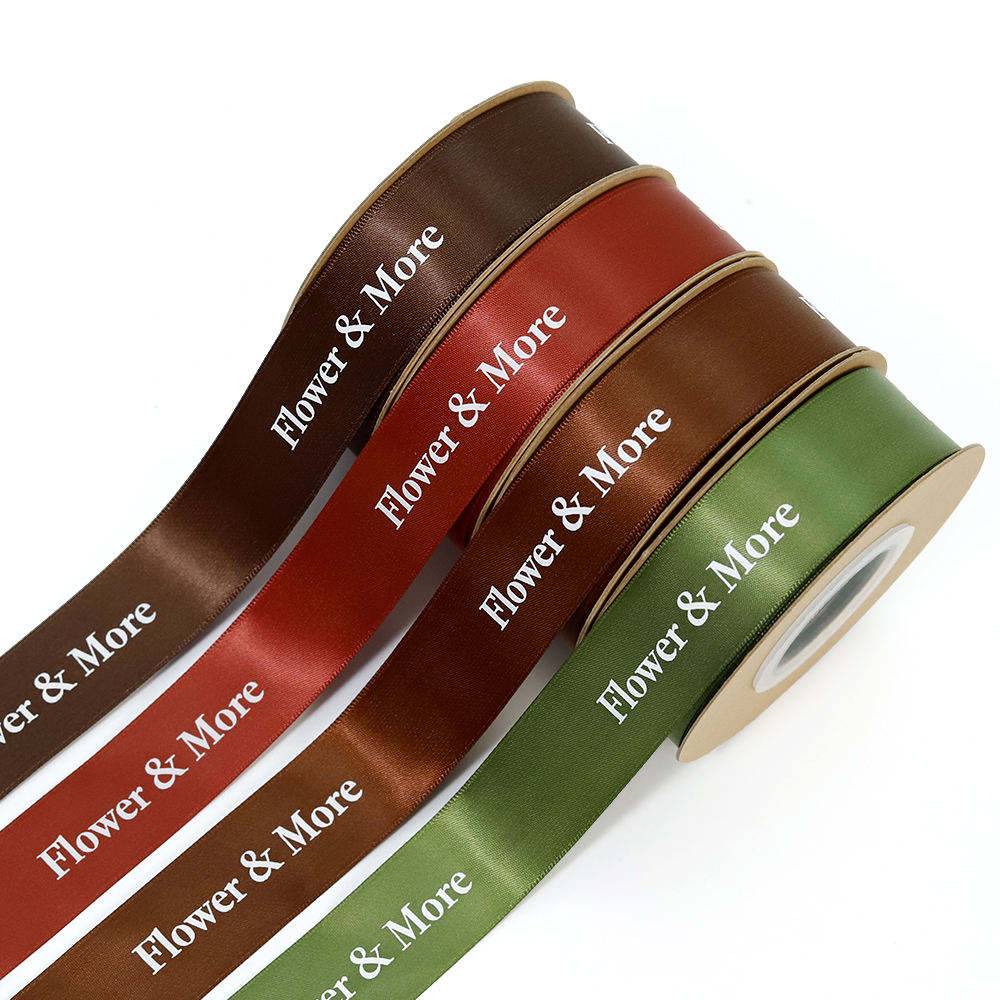
Real Cost Per Bow: Hand-Tied vs Factory Pre-Tied
- Hand-tied cost (10,000 units): Any cost, discount, or savings must be calculated from the dated quotation and the buyer’s approved specification.
The real savings come from consistency. When your bow packaging line demands identical loops, factory pre-tied bows are the practical path for high-volume luxury launches. The rework avoidance alone often covers the difference in unit cost.
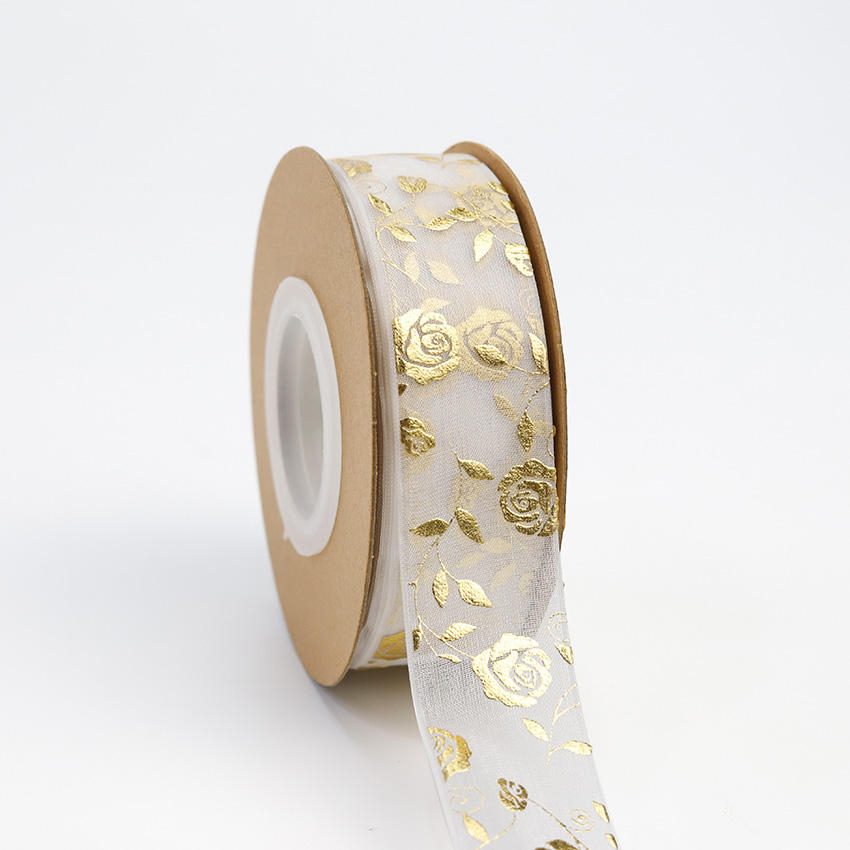
Pre-Tied vs Hand-Tied: Quality Consistency Exposed
The core quality gap between hand-tied and factory pre-tied bows is not aesthetic opinion — it’s measurable engineering variance. Hand-tied loops depend entirely on the tier’s muscle state, fatigue level, and experience. Factory pre-tied bows are built on mechanical jigs that eliminate human variance from the geometry.
- Color Matching Precision: Hand-tyers match ribbon colors by eye under variable lighting. Factory spectrophotometer measurement against Pantone standards achieves buyer-approved ΔE tolerance.
- Construction Repeatability: Hand-tier uses cut ribbon strips with no tension control — each loop is pulled to a subjective ‘tight enough’. Tension varies throughout the day. Factory pre-tied bows use continuous material feed with ultrasonic cutting and tension-regulated sewing. Every bow sees identical fabric tension and knot torque.
- Wire Retention & Durability: In hand-tied bows, the wire is often twisted by hand without mechanical crimping. Wire fatigue and pull-through are common failures. Factory pre-tied bows undergo wire retention testing: the wire is mechanically crimped and secured to withstand repeated bow shaping and manipulation without loosening.
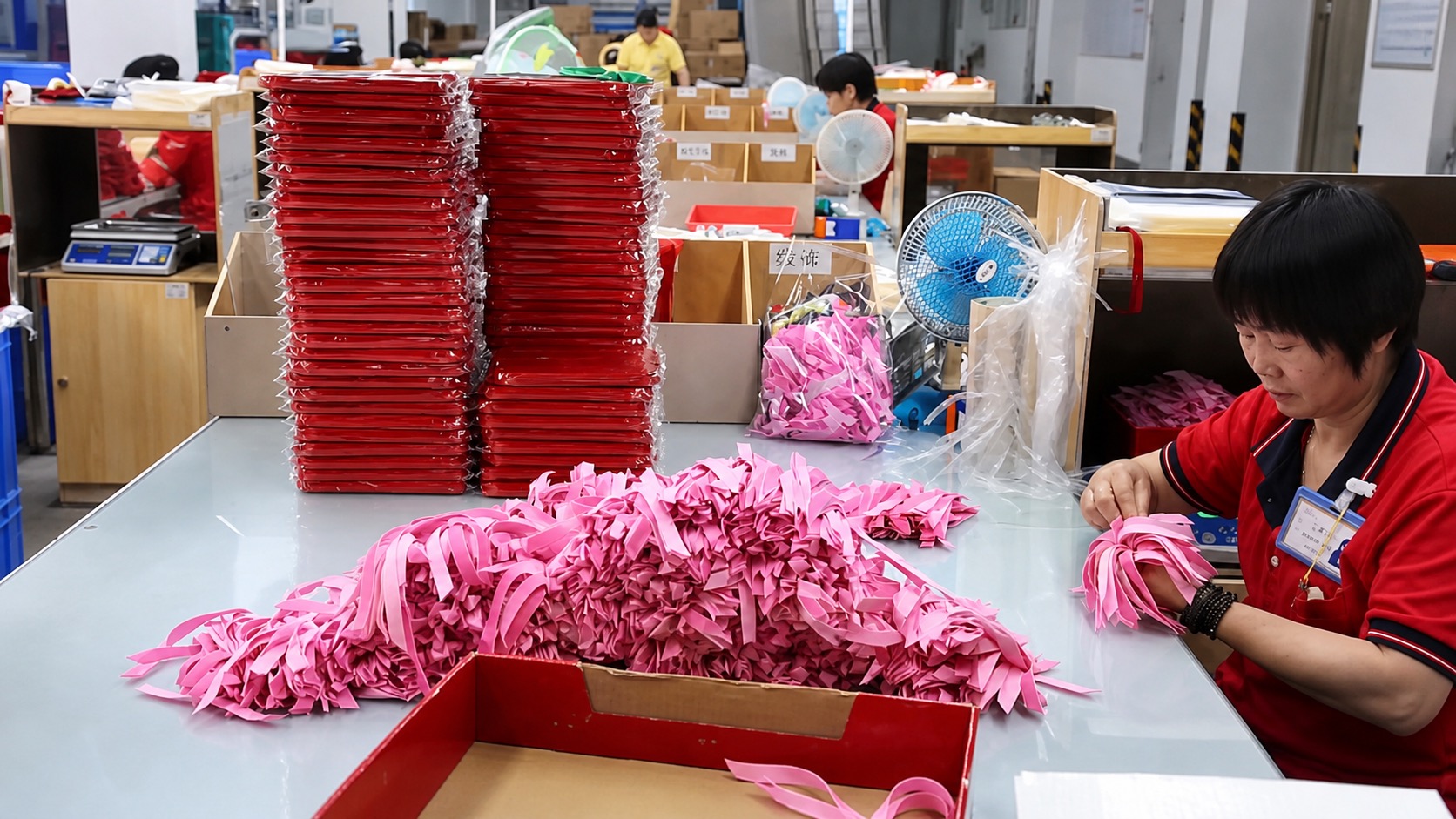
How to Source Pre-Tied Bows Without Losing Control
Skip the physical sample and you risk many post-production disputes.
The four-phase process — intake, feasibility confirmation, mandatory physical sampling, and bulk production with mid-run inspection — is designed to lock specifications before a single yard is cut. During feasibility, the factory confirms material, print method, color match capability, MOQ, and lead time. The physical sample step is non-negotiable: skipping it causes many industry disputes.
- Color matching: Uses a spectrophotometer to match Pantone C/U standards with a buyer-approved ΔE tolerance.
- Mandatory sampling: A physical sample is shipped for client sign-off. Lude Ribbon explicitly forbids bulk production without written approval, eliminating guesswork.
For deeper procurement checks, refer to the factory audit checklist that covers machine log reviews, dye lot traceability, and inspection documentation.
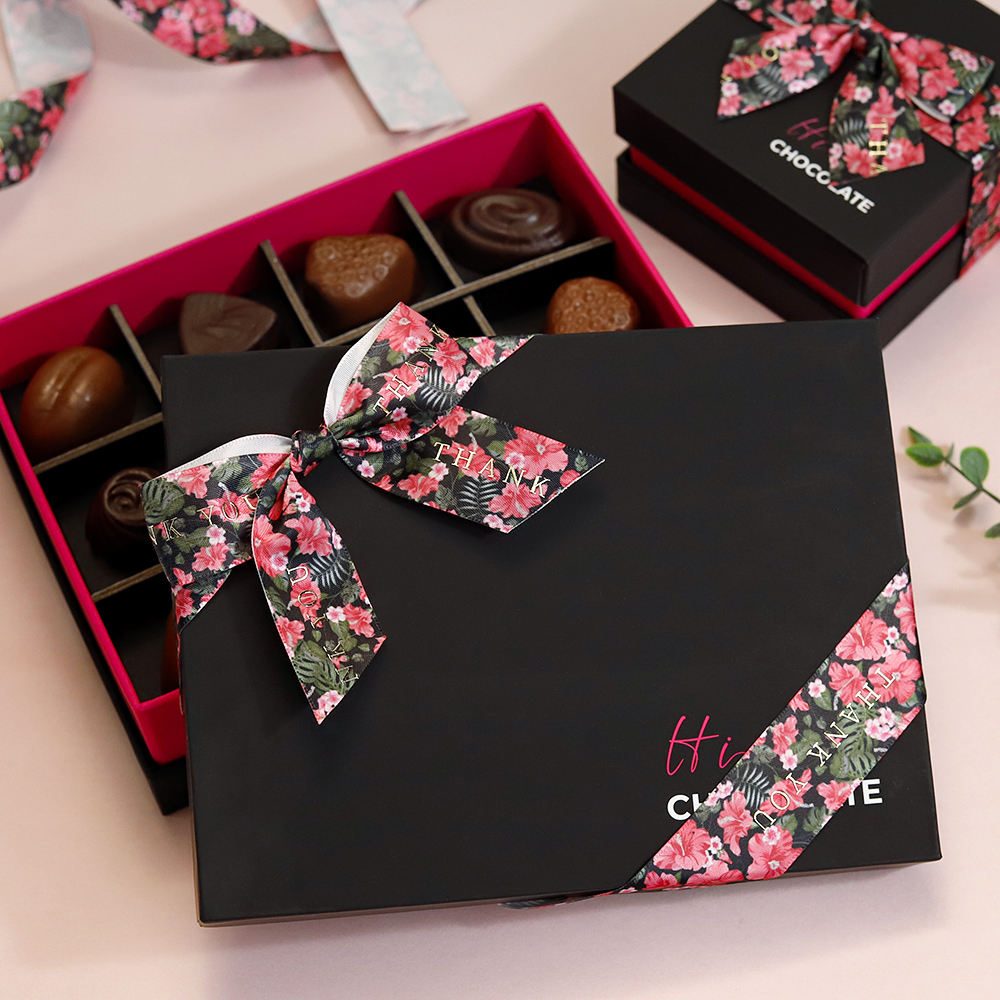
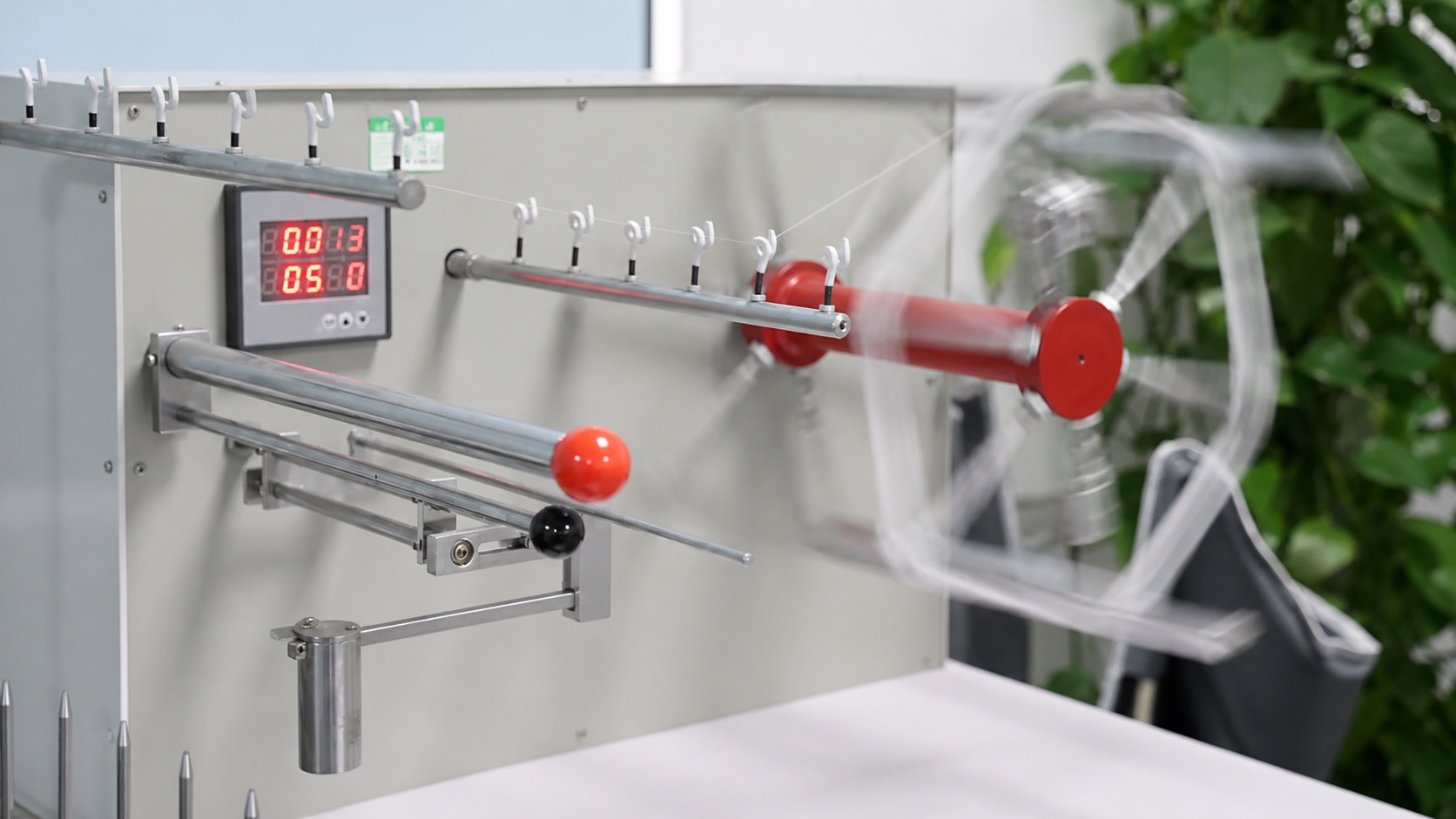
Pre-Tied Bow MOQ, Lead Time, and Rush Options
Expedited schedules must be confirmed during RFQ review and still require sample approval.
Your launch timeline doesn’t care about standard production schedules. Use the following planning inputs for pre-tied bows, then confirm the current specification, capacity, and timing in the RFQ.
- Minimum Order Quantity: 1,000 pieces per style for any custom program—size, material, color, or foil stamp.
- Sample Lead Time: 7–14 business days after artwork approval. Lude Ribbon ships a physical bow, not a digital mockup. Approval is mandatory before bulk—skipping this step causes many industry disputes.
- Production Lead Time: 15–20 business days post-sample sign-off, depending on material (velvet, metallic foil) and order volume.
- Rush Service: Availability is confirmed after RFQ review. Expedited feasibility and timing are confirmed after the RFQ is reviewed. Any expedited timing and cost impact are quoted after RFQ review.
Request a sample before locking your production schedule.
Conclusion
The color target, measurement method, lighting conditions, and acceptance tolerance are confirmed against the buyer-approved sample and written specification.
Review the pre-tied bow program specs—satin, velvet, wired-edge, custom foil stamp, and Pantone matching, with ready-made bow MOQ usually around 1,000 pieces. Request a physical sample to validate symmetry and color against your current packaging.
Frequently Asked Questions
How much should a bowtie cost?
Current pricing is quoted after the material, width, decoration, quantity, packing, delivery terms, and destination are confirmed. Request a quote based on your volume, materials, and customization level.
Are bowties outdated?
No, pre-tied ribbon bows remain a staple in premium retail packaging. Luxury brands use them for efficient, consistent unboxing that reinforces brand identity. They continue to drive perceived value in high-end packaging.
Keep exploring
Recommended buyer guides
 Pre-Tied Bows for Retail Packaging: When They Reduce Labor and Rework
See when pre-tied bows reduce retail packaging labor, improve consistency, and simplify bulk packing, SKU planning, and reorders
Explore guide
Pre-Tied Bows for Retail Packaging: When They Reduce Labor and Rework
See when pre-tied bows reduce retail packaging labor, improve consistency, and simplify bulk packing, SKU planning, and reorders
Explore guide
 Velvet Ribbon Wholesale Checklist: MOQ, Finish, and Supplier Questions
Evaluate velvet ribbon wholesale options: MOQ, setup fees, unit cost, and packing. Narrow the list before requesting samples…
Explore guide
Velvet Ribbon Wholesale Checklist: MOQ, Finish, and Supplier Questions
Evaluate velvet ribbon wholesale options: MOQ, setup fees, unit cost, and packing. Narrow the list before requesting samples…
Explore guide
 Wholesale Custom Ribbon with Logo: Specs, Roll Length, and RFQ Checks
Step-by-step: Custom Ribbon With Logo. Check artwork files, print method, color target, and sample approval to avoid delays,…
Explore guide
Wholesale Custom Ribbon with Logo: Specs, Roll Length, and RFQ Checks
Step-by-step: Custom Ribbon With Logo. Check artwork files, print method, color target, and sample approval to avoid delays,…
Explore guide
 Wholesale Ribbon By The Roll: Roll length and inventory planning
Evaluate Wholesale Ribbon By The Roll options: factory capability, QC proof, lead time, and reorder reliability. Narrow the…
Explore guide
Wholesale Ribbon By The Roll: Roll length and inventory planning
Evaluate Wholesale Ribbon By The Roll options: factory capability, QC proof, lead time, and reorder reliability. Narrow the…
Explore guide
Leave a comment
Share a sourcing question or feedback on this guide. The Lude team reviews submissions before following up.