


Metallic Ribbons Buyer Guide: Specs, Use Cases, and Quote Checks
A buyer's checklist for metallic ribbon finishes — covering material, width, finish, and handling from first sample to repeat orders
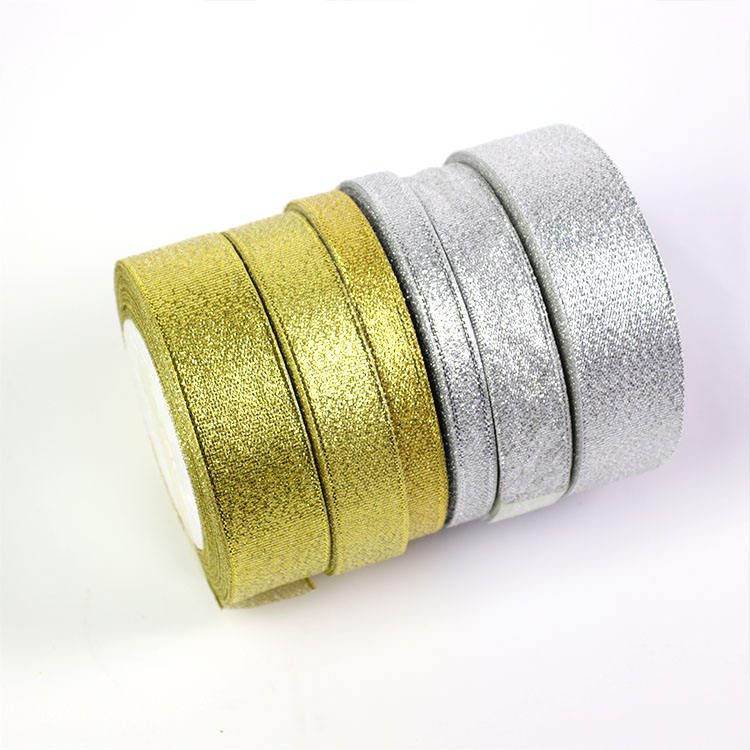
For packaging buyers, brand owners, importers, distributors, retail packaging teams, gift packaging buyers, cosmetics and perfume packaging buyers, event and award program buyers, metallic ribbons becomes expensive when the buyer only compares surface details. A vague spec, missing quote input, weak sample check, or unclear supplier responsibility can change cost, delay approval, or create reorder problems.
Expert note: The Lude Ribbon editorial team creates practical B2B ribbon and bow buying guides from approved factory, product, sampling, and sourcing context.
This article helps you choose the right product, material, structure, or packaging format for the use case and buying constraints. You will see what to check, why it matters commercially, what risk to watch for, and what action to take before quote, sample, or bulk order approval.
When metallic ribbons fit bulk or custom orders
Use metallic ribbon only when finish, handling, and application expectations match the product environment.
| Option | Best fit | Trade-off | Buyer risk | Verification | Follow-up |
|---|---|---|---|---|---|
| Metallic ribbon for bulk orders | Buyers with high-volume seasonal or promotional packaging runs requiring consistent color and width across multiple spools. | Higher MOQ and longer lead time versus non-metallic alternatives; limited flexibility for last-minute quantity changes. | Inconsistent dye lot or lurex thread breakage in production can delay fulfillment and increase waste. | Request a pre-production sample from the same dye lot and confirm thread tension test results. | Submit RFQ with target volume, width, and Pantone reference; ask for sample lead time and MOQ confirmation. |
| Metallic ribbon for custom orders | Buyers needing branded metallic colors, custom widths, or printed metallic patterns for premium gift packaging or retail displays. | Custom color matching and artwork setup increase unit cost and require approval cycles before production. | Color deviation from approved Pantone reference or artwork misalignment can cause rework and missed launch dates. | Review physical strike-off or printed sample against approved artwork under production lighting conditions. | Provide artwork files and Pantone reference; confirm sample approval timeline and MOQ per custom spec. |
| Non-metallic ribbon (satin or grosgrain) as safer alternative | Buyers with tight budgets, low MOQ needs, or applications where metallic sheen is not required for brand presentation. | Less visual impact for premium or festive packaging; may not meet luxury brand aesthetic requirements. | Choosing non-metallic may reduce perceived value for gift or seasonal programs, affecting customer unboxing experience. | Compare sample swatches of metallic and non-metallic options side-by-side under store or event lighting. | Request satin or grosgrain samples in target colors; evaluate cost per yard and MOQ against metallic option. |
| Printed metallic ribbon | Buyers requiring logos, patterns, or text on metallic ribbon for branded packaging or event giveaways. | Print registration on metallic substrate can be less sharp than on solid-color ribbon; higher setup cost and longer lead time. | Print adhesion failure or color shift on metallic surface may cause rejections during quality inspection. | Inspect printed sample for ink adhesion, color accuracy, and registration tolerance under magnification. | Request printed sample on actual metallic substrate; confirm print method (screen, hot stamp, or digital) and MOQ. |
| Metallic ribbon with woven lurex thread | Buyers needing durable, wash-resistant metallic ribbon for reusable packaging or textile applications. | Woven construction costs more than printed metallic; limited to narrower widths and standard metallic colors unless custom ordered. | Lurex thread can fray or break if tension is not controlled during weaving, leading to defects in long runs. | Request tensile strength test report for lurex thread and inspect edge finish on sample spool. | Confirm woven construction spec and request defect rate data from supplier; order sample yardage for stress testing. |
Metallic finish decisions should be tested against handling, lighting, packing pressure, and the final display environment. If shine is not the best fit, compare the same packaging brief against satin, grosgrain, organza ribbon, or velvet ribbon before approving the spec.
Best-fit buyer scenarios
Check the physical sample against the dieline, material specification, and product-fit requirement. Record the accepted tolerance or revision so production and QC use the same reference.
Cases where another ribbon option is safer
Confirm the specification, quote assumption, approval owner, production risk, and reorder record before moving to bulk production.
Key specs buyers should compare
Define the metallic effect, base material, width, edge, packing, and tolerance before comparing supplier quotes.
Use the table to lock each specification before RFQ, sample approval, or bulk order. It connects quality control, verification method, buyer risk, and next action in one check.
| Specification | Quality control | Verification method | Buyer risk | Next action |
|---|---|---|---|---|
| Material / substrate | Verify substrate type and weave density against spec sheet. | Request fabric composition test report or conduct burn test on sample. | Substitution of lower-grade substrate affects durability and appearance. | Request RFQ with confirmed substrate specification and test report. |
| Width or size tolerance | Measure cut width at three points per roll against stated tolerance. | Use calibrated ruler or digital caliper on production sample. | Inconsistent width causes packaging misfit or waste. | Ask for width tolerance sample for approval before bulk production. |
| Finish or surface effect | Inspect for uniform metallic coating, no streaks or peeling. | Visual inspection under D65 light and dry rub test on sample. | Coating fading or peeling reduces shelf appeal and brand perception. | Request finish sample for approval and rub-test results. |
| Color and dye-lot control | Compare production batch to approved color standard via spectrophotometer. | Measure ΔE on lab dip against Pantone or customer reference. | Lot-to-lot shade variation causes rework or rejected goods. | Approve color standard and request first production sample for measurement. |
| Packing format | Check winding tension, roll yardage, and carton labeling accuracy. | Inspect packing integrity and count yards per roll on sample. | Short rolls or damaged packaging disrupts line and inventory planning. | Confirm packing specification in RFQ and request packing sample. |
Document the finish target and acceptable tolerance before the quote so the supplier can price the right material and process.
For product context, review OEM and ODM ribbon development after the buyer has confirmed specifications, sample records, and RFQ assumptions.
For product context, review OEM and ODM ribbon development after the buyer has confirmed specifications, sample records, and RFQ assumptions.
Material, width, color, finish, and packing
Confirm the specification, quote assumption, approval owner, production risk, and reorder record before moving to bulk production.
Printing, sample, and reorder requirements
Confirm the specification, quote assumption, approval owner, production risk, and reorder record before moving to bulk production.
RFQ checkpoint
Send material, size, color, finish, packing, quantity, artwork, and sample requirements so the supplier can confirm quote assumptions before production approval.
Material, finish, and use-case decision table
Use the decision table to match finish type with buyer risk, application needs, and sample proof.
Use the table to lock each specification before RFQ, sample approval, or bulk order. It connects quality control, verification method, buyer risk, and next action in one check.
| Specification | Quality control | Verification method | Buyer risk | Next action |
|---|---|---|---|---|
| Metallic PET film laminated to woven polyester or nylon substrate. | Adhesion peel test per ASTM D903; visual inspection for delamination at fold edges. | Use the buyer-approved method, threshold, and dated result | Substrate separation during automated bow tying causes line stoppage and rework. | Request RFQ with substrate construction and laminate weight specified. |
| Hot-stamped metallic foil or vacuum-metallized finish on ribbon surface. | Use the buyer-approved test method and threshold | Submit 1-meter sample; rub with white cotton cloth and confirm no foil transfer. | Foil rub-off on gift packaging or apparel creates customer returns and brand damage. | Ask for sample of both finish types; compare rub resistance before approval. |
| Sample approval against PMS color target and adhesion standard. | Signed off on color, gloss, and peel test results; retain sealed reference sample. | Buyer holds physical approved sample; production must match within buyer-approved ΔE tolerance. | Approved sample not retained leads to color drift disputes on bulk order. | Approve sample in writing; request sealed reference sample be sent to buyer. |
| MOQ and order quantity per material, print method, width, and packing. | MOQ confirmed in writing on RFQ; no partial release without written agreement. | Request MOQ breakdown by SKU; confirm quantity per roll and per carton. | Hidden MOQ per color or width forces over-order and excess inventory cost. | Request RFQ with MOQ per variant; negotiate phased release if volume is high. |
| Lead time after sample approval: production + packing + shipping. | Calendar-day count starts from signed approval date; weekly progress report required. | Ask supplier to quote production days and shipping transit separately in RFQ. | Unsplit lead time hides production delays; late delivery misses seasonal launch window. | Request RFQ with separate production and shipping lead times; confirm in contract. |
Use sample proof to confirm both appearance and handling because metallic surfaces can behave differently during tying, packing, and display.
For product context, review custom printed ribbon after the buyer has confirmed specifications, sample records, and RFQ assumptions.
For product context, review custom printed ribbon after the buyer has confirmed specifications, sample records, and RFQ assumptions.
How to compare options
Confirm the specification, quote assumption, approval owner, production risk, and reorder record before moving to bulk production.
What changes MOQ, cost, and lead time
Confirm the specification, quote assumption, approval owner, production risk, and reorder record before moving to bulk production.
Common selection mistakes
These mistakes usually appear after sampling or packing, so check them before committing to volume.
| Option | Best fit | Trade-off | Buyer risk | Verification | Follow-up |
|---|---|---|---|---|---|
| Unit price only | Commodity metallic ribbon with no print or custom width | Ignores print setup, material grade, and carton packing cost | Winning quote may shift cost to artwork approval or rush freight | Request itemized quote: substrate, ink, slitting, packing, and freight | Compare total landed cost per unit across three suppliers |
| Skipping sample or quality checks | Repeat order with same spec and same factory | New production run may drift in shade, width, or adhesion without a pre-production sample | Receiving off-spec ribbon that fails end-use or customer inspection | Require a sealed pre-production sample against approved shade and width reference | Hold first-article approval before bulk production release |
| Specifications | Written spec with substrate, cut width, shade reference, and artwork placement | Missing packing or carton plan can cause damage or rework at receiving | Factory defaults to standard packing that may not match your carton or display unit | Confirm material, print method, width, packing, and order schedule per RFQ | Send a complete spec sheet and request factory confirmation of each line item |
| Cost Driver | Metallic substrate grade and print method are primary cost drivers | Low-cost metallic may use thinner foil that cracks on fold or heat seal | Substrate substitution after quote can change appearance and durability | Ask factory to state substrate grade and foil thickness on the quotation | Compare substrate grade across quotes and request a physical sample card |
| Buyer Risk | Supplier with documented QC process and pre-production sample approval | Lowest-price supplier may skip in-process checks and final inspection | Receiving mixed lots with shade variation or width inconsistency | Request factory QC plan: incoming material check, in-process inspection, final AQL sampling | Include QC plan requirement in RFQ and review before order placement |
| Next Action | Define order boundary: substrate, cut width, shade reference, artwork, volume, carton plan | Vague specs delay sample approval and extend lead time | Factory starts production on incomplete specs, causing rework or rejection | Confirm each spec detail with factory before sample production | Issue a complete RFQ with all spec fields and request a sample timeline |
Move any mistake in this list into the sample approval checklist before placing a volume order.
For product context, review gift and retail packaging ribbon solutions after the buyer has confirmed specifications, sample records, and RFQ assumptions.
Choosing by unit price only
Confirm the specification, quote assumption, approval owner, production risk, and reorder record before moving to bulk production.
Skipping sample or quality checks
Confirm the specification, quote assumption, approval owner, production risk, and reorder record before moving to bulk production.
When to request samples or a quote
Request samples when finish, color, edge, stiffness, or application performance affects approval or repeat orders.
Use the table to lock each specification before RFQ, sample approval, or bulk order. It connects quality control, verification method, buyer risk, and next action in one check.
| Specification | Quality control | Verification method | Buyer risk | Next action |
|---|---|---|---|---|
| Sample approval | Pre-production sample must match approved strike-off and width. | Compare sample against signed artwork and measure width with calibrated ruler. | Production run deviates from approved sample without written sign-off. | Request pre-production sample before bulk order. |
| MOQ and order quantity | Supplier confirms MOQ per material, print method, width, and packing. | Request written MOQ breakdown per spec variant in RFQ response. | Order quantity below MOQ triggers price surcharge or delayed production. | Ask supplier to confirm MOQ per spec in RFQ. |
| Material / substrate | Metallic ribbon substrate must match specified yarn composition and coating. | Request material data sheet and burn test for fiber content. | Substrate substitution affects stiffness, print adhesion, or color fastness. | Request material specification sheet with RFQ. |
| Width or size tolerance | Width tolerance must be stated per roll or per cut piece. | Measure width at three points per roll using calibrated gauge. | Width variation causes misalignment in automated bow tying or packaging. | Ask supplier to confirm width tolerance in quote. |
| Finish or color control | Metallic finish must be consistent across dye lot and production run. | Use spectrophotometer to measure delta E against approved standard. | Color shift between sample and bulk results in rejected finished goods. | Request color standard and approve before production. |
If the ribbon affects brand presentation or repeat-order consistency, request a physical sample before approving cost and schedule.
For product context, review Lude Ribbon factory after the buyer has confirmed specifications, sample records, and RFQ assumptions.
For product context, review Lude Ribbon factory after the buyer has confirmed specifications, sample records, and RFQ assumptions.
Quote-ready inputs to prepare
Confirm the specification, quote assumption, approval owner, production risk, and reorder record before moving to bulk production.
Approval checks before bulk production
Confirm the specification, quote assumption, approval owner, production risk, and reorder record before moving to bulk production.
Conclusion
Sourcing metallic ribbons for B2B use requires more than comparing product images and base prices. Before sending an RFQ, buyers should validate that the supplier can meet exact width, material composition, and print method specifications, as these directly affect both the visual outcome and the production cost. MOQ is not a fixed number; it depends on the material type, print complexity, and packing format, so each program must be confirmed individually. Lead time cannot be assumed from a standard table—every order requires a confirmed timeline for sampling, production, and shipping. Quality risk is best managed by reviewing a factory’s approval process for artwork and color matching, and by requesting a pre-production sample before committing to bulk. The next step is to request a quote that includes a clear breakdown of these variables, allowing you to compare options and shortlist a supplier that can deliver consistent, reorder-ready results.
To request a quote, visit metallic ribbon and confirm the final specification, quote assumptions, sample approval, QC evidence, buyer risk, and next action before bulk order.
Commercial next step: Use this route after the decision output is clear.
- Matching page or CTA: Review metallic ribbon for the closest product or solution context.
- Why this route: It keeps the buyer on the matching ribbon, bow, or packaging context after specifications, quote assumptions, sample approval, QC evidence, buyer risk, and next action are documented.
- Buyer risk: Skipping this bridge can send the RFQ to the wrong product scope, which creates inaccurate pricing, sample mismatch, packing mistakes, or reorder variation.
- Next action: Request a quote with material, width, size, color, artwork, packing, quantity, sample approval, QC checks, and delivery schedule.
FAQs About Metallic Ribbons
This part shows how metallic ribbons affects specification fit, cost exposure, production risk, supplier execution, and approval timing.
How should buyers choose between metallic, glitter, and wired ribbon finishes?
Match the finish to the end use: metallic for shine, glitter for high-impact display, and wired edges for shape control. Confirm whether the finish can handle folding, bow forming, printing, and packing before selecting it for bulk.
What sample checks matter for metallic ribbon?
Check color consistency, metallic adhesion, edge finish, print registration, flexibility, and whether the finish cracks or sheds during handling. A production-representative sample is safer than approving from a photo.
How does finish choice affect MOQ and lead time?
MOQ and lead time change with substrate, coating, glitter application, wired edge, print method, and packing. Ask the supplier to quote each finish option separately so cost and schedule differences are visible.
What red flags should buyers watch for in metallic ribbon quotes?
Pause quotes that omit substrate details, finish durability, sample terms, QC checks, or packing assumptions. Metallic ribbon can look acceptable in photos but fail when folded, tied, or shipped.
Can metallic ribbon be printed for retail packaging?
Yes, but buyers should confirm print method, ink adhesion, color contrast, and approval sample requirements. Metallic surfaces can change perceived color, so artwork approval should include the real substrate.
What should a metallic ribbon RFQ include?
Include ribbon width, metallic finish type, wired or unwired edge, print artwork, color reference, roll length, packing format, quantity, sample approval requirement, and inspection criteria.
Keep exploring
Recommended buyer guides
 Wholesale Foil Printing vs Screen Printing Ribbon: Buyer Comparison
Foil printing vs screen printing ribbon: side-by-side on artwork files, print method, color target, and sample approval. Pick…
Explore guide
Wholesale Foil Printing vs Screen Printing Ribbon: Buyer Comparison
Foil printing vs screen printing ribbon: side-by-side on artwork files, print method, color target, and sample approval. Pick…
Explore guide
 Organza Ribbon Sheer Finish and Print Comparison for Custom Orders
 — the checks that decide whether a quote,…
Explore guide
Organza Ribbon Sheer Finish and Print Comparison for Custom Orders
Organza Ribbon Sheer Finish and Print Comparison for Custom Orders — the checks that decide whether a quote,…
Explore guide
 Velvet Ribbon Pile and Finish Comparison for Custom Orders Buyer
: what to confirm on material, MOQ, sample checks,…
Explore guide
Metallic Ribbon Finish Comparison for Custom Orders: Buyer Checklist
Metallic Ribbon Finish Comparison for Custom Orders: what to confirm on material, dimensions, finish, and handling before you…
Explore guide
Velvet Ribbon Pile and Finish Comparison for Custom Orders Buyer
Velvet Ribbon Pile and Finish Comparison for Custom Orders Buyer: what to confirm on material, MOQ, sample checks,…
Explore guide
Metallic Ribbon Finish Comparison for Custom Orders: Buyer Checklist
Metallic Ribbon Finish Comparison for Custom Orders: what to confirm on material, dimensions, finish, and handling before you…
Explore guide
Leave a comment
Share a sourcing question or feedback on this guide. The Lude team reviews submissions before following up.