


Satin Ribbon Defects: 5 Common Issues in Bulk Orders
Evidence and specification note: Color targets, tolerances, test methods, documentation, acceptance criteria, and remedies must be confirmed for the quoted material and written into the approved sample, specification, and sales agreement. General scenarios in this article are not guaranteed production results. Pricing and example note: Current pricing is quoted to specification. Material, width, color, decoration,…
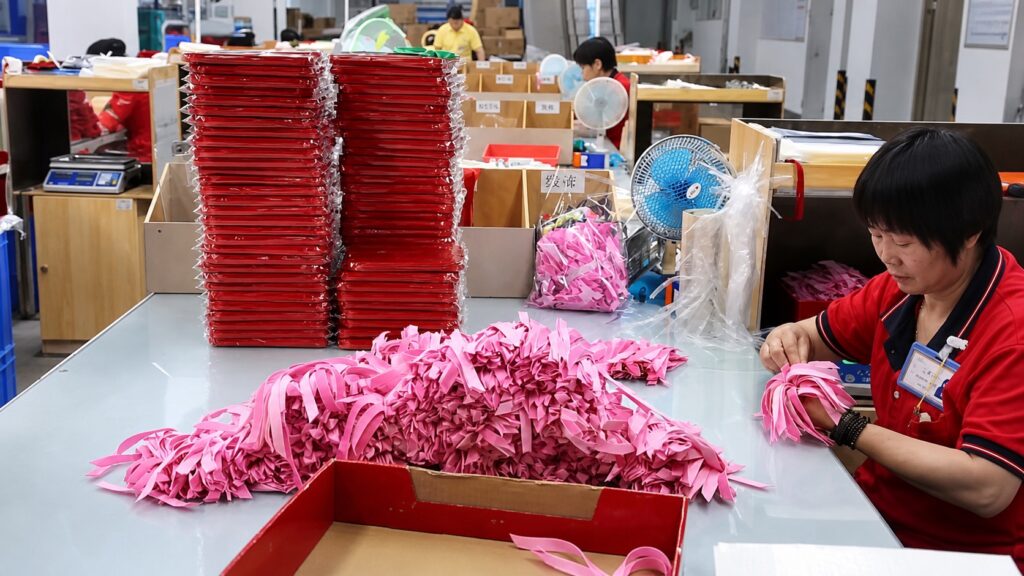
satin ribbon defects is the first checkpoint buyers should lock before they approve a supplier, budget, or production slot. You are ordering 1,200 custom sashes for a university graduation ceremony. The school name is spelled correctly on the proof. The Pantone color looks right on screen. Then the boxes arrive. The red is off, the edges are fraying on every sash, and the gold foil stamp on the valedictorian sash is already flaking off after unpacking. This is not a catastrophe. It is an everyday scenario that plays out in bulk ribbon orders when satin ribbon defects become a last-minute discovery.
Define the buyer-approved acceptance criteria and verify the selected material with a dated sample or production-lot record.
Why Most Bulk Ribbon Orders Fail: The Hidden Risks
many post-production disputes trace back to one skipped step: the physical strike-off.
Require a dated sample or production-lot record that identifies the material, method, conditions, acceptance criteria, result, and approver.
- Root cause #1 – No physical strike-off: Buyers see a clean PDF and assume production will match. But satin absorbs ink and foil differently than a screen shows. A Pantone value that looks perfect on a monitor can shift 2–3 shades on polyester satin. Without a physical sample, you are gambling the entire run.
- Root cause #2 – Squeezed timeline kills quality checks: When you order 1,200 sashes for a graduation and give the factory 18 days, the only way to hit that deadline is to skip mid-production inspections. The factory cuts corners on drying time or foil adhesion. The result: ribbons that arrive with blurred text or foil that flakes off when folded.
- Pricing differences and savings must be calculated from dated quotations for the same approved specification, quantity, packing, delivery terms, and destination.

Real Cost Breakdown of Satin Ribbon Defects in 2026
Quoted after RFQ.
Bulk ribbon defects aren’t just quality issues—they’re profit killers. Every misspelled word, every mismatched dye lot, every frayed edge triggers a cascade of rework, rush shipping, and lost trust. The real cost isn’t the unit price; it’s the total cost of ownership including scrap, rework, and emergency logistics.
- Define the buyer-approved acceptance criteria and verify the selected material with a dated sample or production-lot record.
- Dye lot variation: Current pricing is quoted after the material, width, decoration, quantity, packing, delivery terms, and destination are confirmed. Demand a buyer-approved ΔE tolerance using spectrophotometer measurement and a 12-month dye lot lock-in contract.
- Any percentage premium, discount, saving, or cost comparison depends on the approved material, width, decoration, quantity, packing, delivery terms, and destination. Compare dated quotations against the same written specification.
- Pricing differences and savings must be calculated from dated quotations for the same approved specification, quantity, packing, delivery terms, and destination.
Add up scrap, rework, and rush shipping, and the total cost of ownership can exceed the quoted unit price. The most expensive ribbon is the one that arrives wrong. Prevention—via a physical sample and written quality agreement—costs a fraction of the cure.
| Defect Type | Direct Cost Impact (1,000 pcs) | Secondary Costs | Prevention Method |
|---|---|---|---|
| Fraying Edges | Quoted after RFQ | Rush shipping, event rescheduling, reputational damage | Hot-knife or laser cutting; demand 0.5mm max fraying allowance |
| Dye Lot Mismatch | Quoted after RFQ | Color re-approval cycle, wasted labor | Spectrophotometer with buyer-approved ΔE tolerance; 12-month dye lot lock-in contract |
| Foil Stamp Fading | Quoted after RFQ | Failed luxury brand audits, batch rejection | Engineered foil formulation; pass wash-fastness test before bulk |
| Width Inconsistency | Quoted after RFQ | Incompatibility with automated bow machines | In-line width monitoring; reject rolls outside ±0.5mm |
| Text Misprints & Spelling Errors | Quoted after RFQ | Client contract penalties, public embarrassment at event | N/A |
Satin Ribbon Defects vs Alternatives: Which Quality Matters Most?
Define the buyer-approved acceptance criteria and verify the selected material with a dated sample or production-lot record.
Define the buyer-approved acceptance criteria and verify the selected material with a dated sample or production-lot record.
Dye lot mismatches point to either low-grade dye chemistry or absence of a spectrophotometer. Some budget suppliers rely on visual comparison under a single light source. That fails under store lighting or daylight. Luxury packaging buyers often specify a color buyer-approved ΔE tolerance, measured by spectrophotometer. If your supplier cannot quote that number and commit to it in writing — and offer a 12-month dye lot lock-in — you are gambling with your brand’s first impression. A factory that owns the dyeing process can lock the formula and reproduce it across runs. A trader who buys from third-party mills has less control.
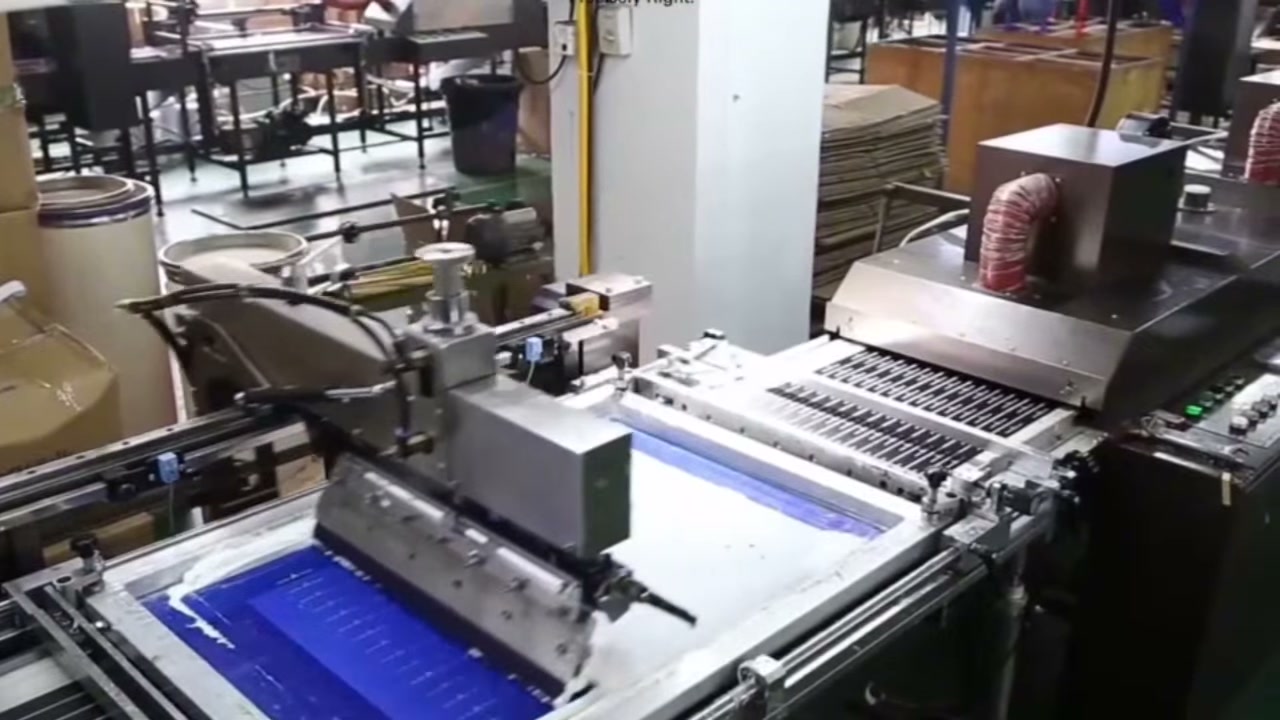
Printing defects on satin — blurred text, peeling foil, offset registration — usually indicate an incompatible print method or unskilled setup. Satin’s slick surface rejects ink differently than grosgrain or organza. Screen printing offers the best durability on satin but requires precise mesh tension and cure temperature. Foil stamping, used for gold and silver logos, needs controlled heat and pressure to avoid lifting. The manufacturer must test the print method on the exact material before bulk. That is why a mandatory physical sample (the strike-off) is non-negotiable — skipping it causes many post-production disputes.
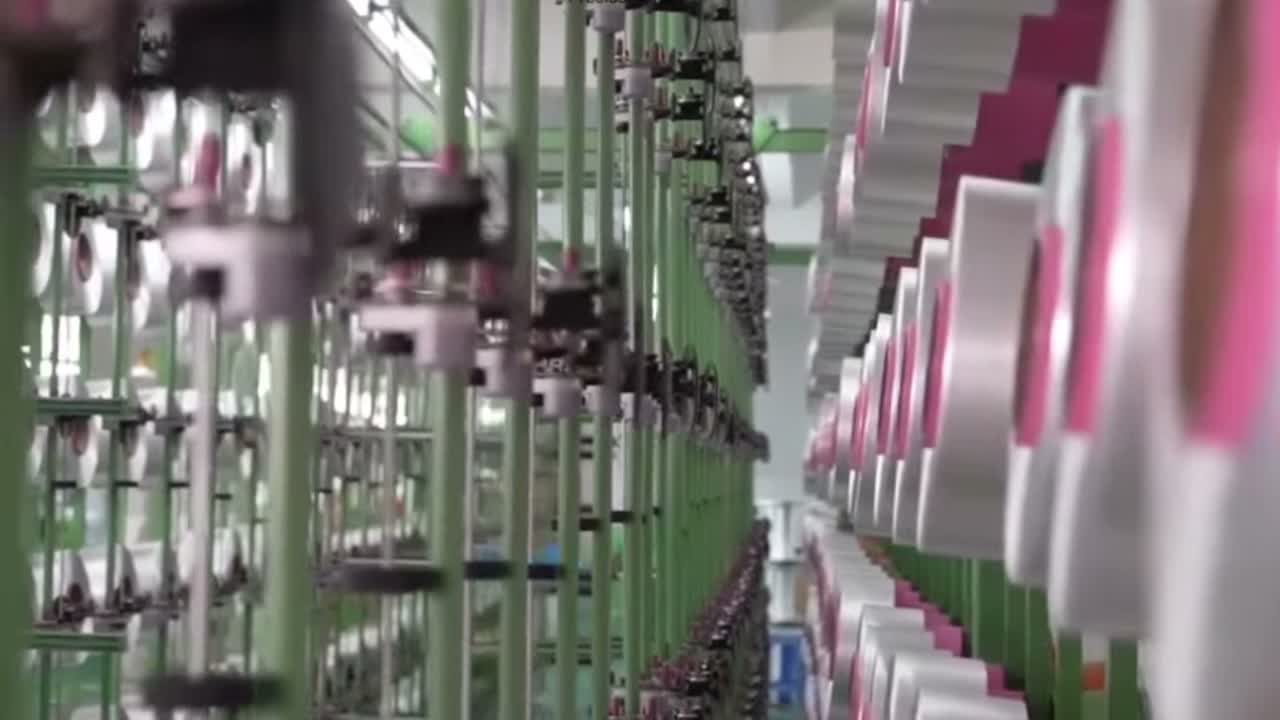
- Defect vs Source: Fraying/snags → weaving tension on the loom. Dye lot mismatch → dye chemistry or spectrophotometer control. Printing defects → incompatible method or setup. A factory with all three capabilities (weaving, dyeing, printing) can correct defects at the source.
- Production responsibility: A supplier that coordinates production through a partner may have different controls from a factory that owns the process. Ask who operates the looms, dye lab and press, who can investigate a defect, and how corrective actions are agreed. Lude runs 75 weaving machines, 5 screen-printing lines and 6 foil-printing units. Confirm the responsibilities and escalation route for the quoted program.
- Hidden Factor: Shipping damage can cause fraying too. Rolls stacked loosely in a container rub against each other and abrade edges. Ask whether each roll is individually bagged to prevent that.

How to Source Satin Ribbon Without Getting Scammed by Defects
Skipping the physical sample causes many disputes.
Require a dated sample or production-lot record that identifies the material, method, conditions, acceptance criteria, result, and approver.
- Color tolerance: Demand a written Quality Agreement specifying a spectrophotometer-measured buyer-approved ΔE tolerance for Pantone matching. Ask for a 12-month dye lot lock-in contract to prevent variation on reorders.
- Fraying allowance: Specify a maximum fraying of 0.5mm per edge. Ensure the supplier uses hot-knife or laser cutting to seal polyester fibers — standard scissor cutting will unravel in shipping. Loose stacking in containers exacerbates fraying; insist on individual poly-bag wrapping for each roll.
- Define the buyer-approved method, conditions, acceptance threshold, sample or lot, date, result, and remedy before using any figure as a specification or decision input.
Beyond specs, confirm that the factory runs mid-production inspections (not just final QC) and a pre-shipment inspection. If an issue is caught mid-run, it can be corrected before the entire batch is compromised. A supplier that refuses to share inspection reports or skips these steps is hiding risk — walk away.
Conclusion
Five defects show up often in custom satin ribbon orders: fraying edges, dye lot mismatch, foil stamp fading, width inconsistency, and text errors. Each has a preventable cause. The dispute risk drops when you enforce a physical sample before production and demand a written quality agreement with a buyer-approved color tolerance and hot‑knife edge sealing.
Treat this as a buyer-defined planning input. Set the allowance, checkpoint, tolerance, or reorder trigger from trial packing, operating data, and the approved purchase specification.
Frequently Asked Questions
How to prevent satin ribbon from fraying?
Prevent fraying by sourcing satin ribbon with heat-sealed or laser-cut edges from the factory. Bulk orders should include a physical sample to verify edge finishing quality before production. Always request a sample strike-off to confirm edge quality.
How to fix satin ribbon?
Frayed satin ribbon is difficult to fix without specialized tools like a hot knife or fray-check liquid. For bulk orders, prevention through quality control and proper edge finishing is the only reliable solution. Focus on prevention through supplier vetting and sampling.
What can you spray on ribbon to make it stiff?
Fabric stiffener sprays or starch sprays can stiffen satin ribbon, but they may alter color or texture. For bulk applications, consider using wired-edge ribbon which holds shape without chemical treatment. Test spray on a sample first to check for discoloration.
What ribbons go in order?
Ribbons in award ceremonies typically go in order of placement from highest to lowest (e.g., 1st, 2nd, 3rd) or by event hierarchy. Custom-printed ribbons with titles should be sorted before production. Confirm ribbon sequence with your event coordinator before ordering.
What are the 4 types of bows?
Common bow types include single loop, double loop, rosette, and pom-pom (or butterfly). The right type depends on application: rosettes for awards, pom-poms for gift packaging. Match bow type to your product’s unboxing or presentation needs.
Keep exploring
Recommended buyer guides
 Pre-Tied Bows for Retail Packaging: When They Reduce Labor and Rework
See when pre-tied bows reduce retail packaging labor, improve consistency, and simplify bulk packing, SKU planning, and reorders
Explore guide
Pre-Tied Bows for Retail Packaging: When They Reduce Labor and Rework
See when pre-tied bows reduce retail packaging labor, improve consistency, and simplify bulk packing, SKU planning, and reorders
Explore guide
 Velvet Ribbon Wholesale Checklist: MOQ, Finish, and Supplier Questions
Evaluate velvet ribbon wholesale options: MOQ, setup fees, unit cost, and packing. Narrow the list before requesting samples…
Explore guide
Velvet Ribbon Wholesale Checklist: MOQ, Finish, and Supplier Questions
Evaluate velvet ribbon wholesale options: MOQ, setup fees, unit cost, and packing. Narrow the list before requesting samples…
Explore guide
 Wholesale Custom Ribbon with Logo: Specs, Roll Length, and RFQ Checks
Step-by-step: Custom Ribbon With Logo. Check artwork files, print method, color target, and sample approval to avoid delays,…
Explore guide
Wholesale Custom Ribbon with Logo: Specs, Roll Length, and RFQ Checks
Step-by-step: Custom Ribbon With Logo. Check artwork files, print method, color target, and sample approval to avoid delays,…
Explore guide
 Wholesale Ribbon By The Roll: Roll length and inventory planning
Evaluate Wholesale Ribbon By The Roll options: factory capability, QC proof, lead time, and reorder reliability. Narrow the…
Explore guide
Wholesale Ribbon By The Roll: Roll length and inventory planning
Evaluate Wholesale Ribbon By The Roll options: factory capability, QC proof, lead time, and reorder reliability. Narrow the…
Explore guide
Leave a comment
Share a sourcing question or feedback on this guide. The Lude team reviews submissions before following up.