


Wide Velvet Ribbon: Wide widths and packaging fit
A buyer's checklist for Wide Velvet Ribbon — covering artwork files, print method, color target, and material from first sample to repeat orders
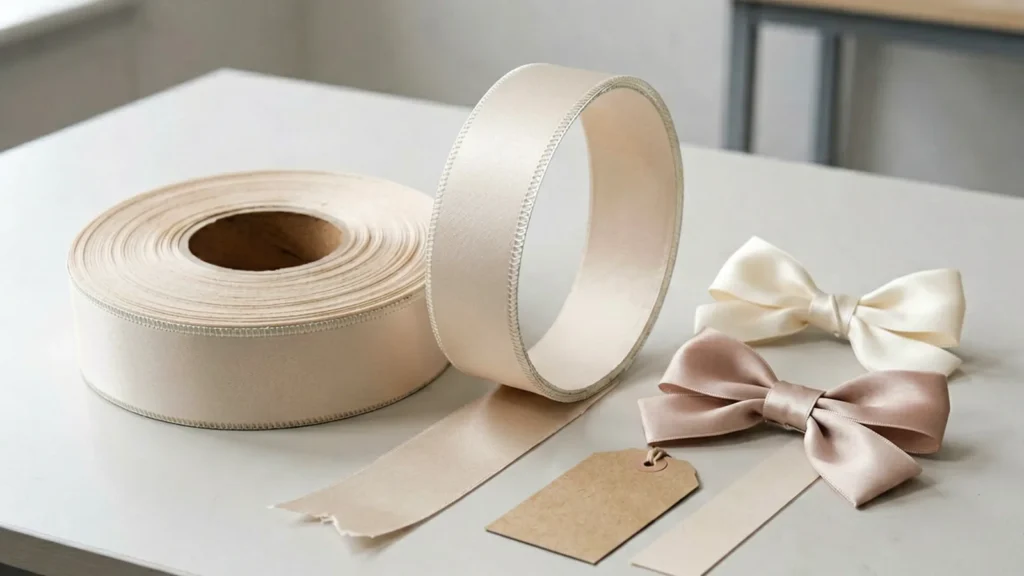
Wide velvet ribbon needs a written specification before the buyer can decide whether Wide Velvet Ribbon fits the use case, specs, MOQ, sample approval path, and supplier quote process; otherwise suppliers may quote different product and approval assumptions.
Wide velvet is heavy enough to pull on a package, so how it is attached matters as much as how it looks.
Direct answer: Use wide velvet ribbon only after its specification, application fit, sample route, quantity rule, and supplier exceptions have been confirmed in writing.
When wide velvet ribbon is the right size or format
| Option | Best fit | Trade-off | Risk to avoid | Verification | Follow-up |
|---|---|---|---|---|---|
| Current specification | When the width, fiber content, and color match an existing stock program | Limited to standard widths and colors; no custom dye or construction | Assuming stock width is available without checking current inventory | Request a stock availability list with exact width and color codes | Confirm stock MOQ of 1,500 yards per color and width |
| Alternative specification | When a similar width or blend reduces lead time or cost | May shift color appearance or hand feel due to different fiber ratio | Accepting a substitute without a pre-production sample on actual velvet | Compare the alternative width against your packaging or display dimensions | Order a pre-production sample on the alternative substrate |
| Custom option | When a unique width, color, or construction is required for branding | Requires a new dye formula, lab dip approval, and longer lead time | Proceeding without written approval of the lab dip on velvet | Approve the lab dip against a physical color standard | Send width in inches and color target to RFQ for custom quote |
| Safer fallback | When the custom option risks delay or MOQ mismatch | Narrower design flexibility but faster production and lower minimum | Choosing a fallback width that does not fit the intended display | Measure the actual display slot or packaging insert width | Request stock availability for the fallback width and color |
For current specification, a poor decision can mean assuming stock width is available without checking current inventory. Request a stock availability list with exact width and color codes.
Preserve the current specification decision under one revision number: keep the supplier response, marked sample, approved specification, quotation, and approval owner together. If the evidence conflicts with the approved record, hold the quote, sample, or production release until the deviation is explained in writing. Once the buyer and designated technical authority have accepted the evidence, carry the signed approval record into the purchase order, production handoff, shipment release, and later reorder review so every team works from the same baseline.
Best-fit packaging and display uses
Wide velvet ribbon works best for gift box wraps, sash bands, and retail display accents where the width creates a premium visual. For packaging, match the ribbon width to the box lid depth so the ribbon lies flat without overhang. In display use, verify that the ribbon can hold a bow shape without curling at the edges.
When to choose a wider, narrower, or different format
Choose a wider velvet ribbon when the application needs a bold band or large bow that fills visual space. A narrower width suits delicate packaging or small product tags. Switch to a different format, such as pre-tied bows or cut lengths, when the production line needs consistent piece counts and faster packing speed.
Width, roll length, material, and finish choices
Lock the width, fiber content, pile, edge finish, color target, roll length, and packing method before comparing quotes. Each supplier should return a marked sample and written exceptions against the same revision so the buyer can compare like with like.
| Requirement | Factory control | Evidence to verify | Order risk | RFQ follow-up |
|---|---|---|---|---|
| Material / substrate | Verify fiber content: polyester or poly-nylon blend per spec sheet. | Request mill certificate or burn test report from supplier. | Substrate substitution may alter drape, dye uptake, or durability. | Shortlist suppliers who provide material composition data with quote. |
| Width or size tolerance | Check width against the PO tolerance. | Measure across three points on the sample using calibrated caliper. | Width deviation can cause misalignment in automated bow-making or trim sewing. | Approve a pre-production sample before bulk cutting. |
| Finish or surface effect | Confirm pile height, sheen level, and anti-fray treatment per approved standard. | Compare sample to approved reference under buyer-approved viewing conditions daylight lamp. | Inconsistent finish leads to rejected finished goods or color mismatch. | Document finish spec in RFQ and request a sealed sample. |
| Roll length or spool format | Verify continuous yardage per roll; no splices unless pre-approved. | Weigh sample roll and calculate length using gsm and width. | Short rolls cause production stops and unplanned reorders. | Request a roll-length guarantee in the supplier's quotation. |
| Sample approval | Match approved sample for color, hand feel, and pile consistency. | Retain signed approval card with date and inspector initials. | Production without signed sample may result in off-spec bulk goods. | Approve sample in writing before authorizing bulk production. |
Material and finish constraints by use case
Polyester velvet offers consistent dye absorption and wash resistance, making it suitable for apparel and packaging. Nylon blends add sheen but may shrink under heat. For high-end retail or gift applications, a matte finish with low pile height reduces lint and fingerprints. Always verify that the finish—whether brushed, embossed, or plain—matches the end-use environment, as custom printed ribbon may require a specific surface for ink adhesion.
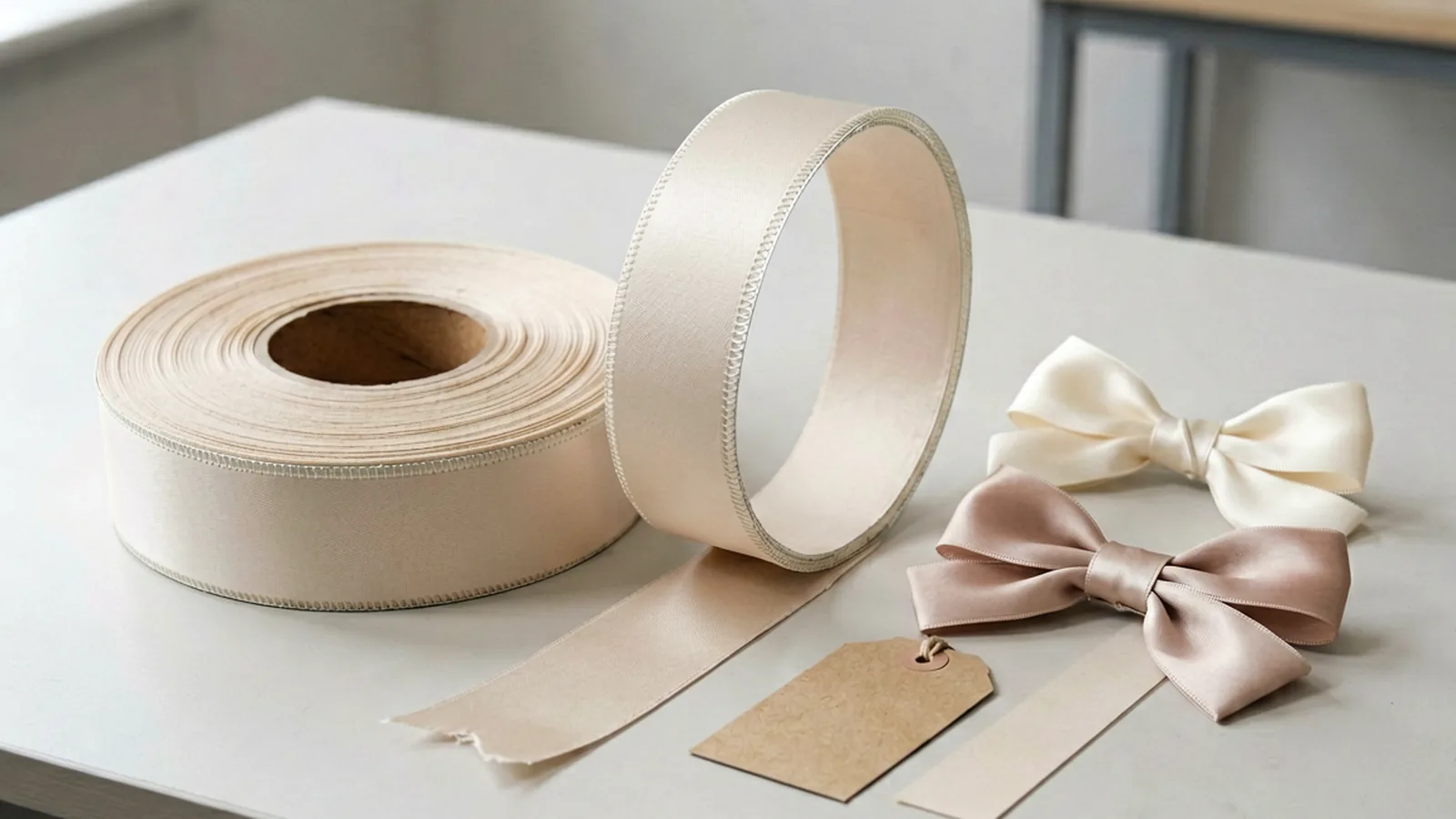
Printing, bow-making, and packing limits
For the velvet material, build the RFQ around Verify artwork dimensions match the ribbon width and bow-making fold allowance. Match every listed buyer input to written supplier confirmation, approval evidence, and the risk that would hold the quote.
- Verify artwork dimensions match the ribbon width and bow-making fold allowance. Misaligned artwork causes off-center logos or wasted material during die-cutting. A logo wider than the printable area will be cropped; a much smaller logo leaves excess unprinted edge. You approve a sample that cannot be reproduced at scale, leading to rework and delayed shipment. Send the artwork file to the supplier for a fit check before quoting.
- Confirm packing method: rolls, spools, or flat packs, and per-carton quantity. Packing affects shipping cost, warehouse storage, and how the ribbon feeds into automated bow-making machines. Continuous rolls suit high-speed bow tying; flat packs work for hand-tied bows but increase labor. Ribbon arrives tangled or in wrong unit sizes, causing production line stoppage. State the packing preference in the RFQ and request a packing specification sheet.
- Check MOQ for custom printed the velvet material versus plain stock. Custom printing requires a separate setup and higher minimum yardage per design. Plain stock ribbon may ship at 1,500 yards per color; custom printed ribbon requires 3,000 yards per design. You order below the MOQ and the supplier either rejects the order or adds a short-run surcharge. Compare your required quantity against the supplier's minimum order table before requesting a quote.
- Verify lead time for printing, bow-making, and packing combined. Each stage adds sequential days; a rush on printing may still wait for bow-making capacity. Standard production is 15–20 business days after spec confirmation, plus artwork approval and shipping. You promise delivery to your customer based on printing lead time alone, missing the bow-making queue. Ask the supplier for a stage-by-stage timeline and a committed ship date in writing.
- Confirm the ribbon substrate is suitable for the intended bow-making method. the velvet material with a stiff backing holds shape for structural bows; soft velvet may collapse. OEM and ODM ribbon development often specifies a bonded backing for machine-tied bows. The bow loses shape in transit or fails automated tying, causing rework at your cost. Request a bow-making trial sample on the actual production substrate before bulk order.
Logo or artwork fit considerations
Artwork must be scaled to the ribbon width and the bow's visible face. A logo that spans the full width may be hidden in folds or cut off during die-cutting. Request a print layout proof that shows the repeat pattern and fold lines. This avoids approving a sample that cannot be reproduced consistently across the full production run.
Packing and storage details to confirm
Velvet ribbon can crush or flatten if packed in tight rolls or stacked boxes. Specify whether you need loose coils, spools, or flat packs with tissue interleaving. Confirm the supplier's packing method protects the pile during transit. A packing photo approval before shipment prevents damage claims and ensures your warehouse can handle the format.
MOQ, sample, and reorder planning
- Document the approved width and pile height before production: A small pile-height shift changes the hand feel and bow tie appearance, making the ribbon look like a different product. Compare the production sample against the signed-off specification sheet under a calibrated ruler and loop. The finished ribbon may not match the approved sample, causing a full order rejection at the buyer's incoming inspection. Shortlist the approved spec sheet as a line item in the quality inspection checklist for every production run.
- Confirm the dye lot number on the bulk roll matches the pre-production sample: the velvet material absorbs dye differently across batches; a mismatched lot creates visible color bands in a single display. Check the dye lot sticker on each carton against the lot recorded on the sample approval form. Mixed dye lots in one shipment force the buyer to sort and match rolls manually, delaying gift and retail packaging ribbon solutions solutions. Approve the dye lot number in writing before the bulk run starts.
- Verify the roll winding tension and core diameter: Loose winding causes the ribbon to telescope during shipping, while a too-small core creates a permanent crease in the velvet nap. Measure the core inner diameter with a caliper and check that the ribbon is wound evenly without visible slack. A crushed core or telescoped roll cannot be used on automated bow-making machines, wasting the entire reel. Document the acceptable core size and winding tension in the inspection checklist before the first production order.
- Check the cut edge finish for fraying or loose fibers: Unsealed cut edges on the velvet material unravel after a few handling cycles, creating a frayed look on retail shelves. Run a fingernail across the cut edge; if fibers lift, the edge needs heat-sealing or a pinking finish. Frayed edges trigger a quality claim and return, costing the buyer replacement shipping and lost shelf time. Require a fray-resistance test report from the supplier before the bulk shipment leaves the factory.
What changes with custom color or custom print
Custom color requires a new dye formula and a separate lab dip approval cycle before production. Custom print adds artwork registration and strike-off matching. Both increase the minimum order quantity because the factory must dedicate a full production slot and clean the equipment afterward. Confirm the minimum order for each custom program by quote request.
How to keep repeat orders consistent
Repeat orders for the velvet material must reference the original approved sample number and spec sheet. Without a locked reference, the factory may use a different dye lot or weave tension, causing visible mismatch between batches. Store a sealed production sample and the signed approval document in your master file. Include both identifiers on every reorder PO.
Quote checklist for this specification
- What is the supplier's maximum loom width for velvet ribbon? the velvet material requires a specific loom width; not all suppliers can run wide widths without seaming. Supplier states a maximum loom width that covers the required width with no seam or splice. Ordering a width beyond loom capacity may require a seam, which weakens the ribbon and creates a visible line. Request a written width-capability statement and a photo of a recent wide run.
- Does the supplier offer a pre-production sample for width and pile density? the velvet material can vary in pile height and edge finish; a sample confirms the look and feel before bulk. Supplier provides a sample on the actual velvet substrate within a confirmed time. Approving a quote without a sample may result in a pile that is too flat or an edge that frays. Request a pre-production sample and compare it against your approved width and hand-feel standard.
- What is the minimum order for a custom-width velvet ribbon? the velvet material often requires a custom loom setup, which increases the minimum order quantity. Supplier quotes a clear minimum order per width and confirms if stock widths are available to avoid setup costs. Assuming a standard minimum order for a non-standard width can delay the order or force over-ordering. Confirm the minimum order for your exact width and ask if a stock width can be substituted to reduce minimums.
- How does the supplier control pile crush during packing and shipping? the velvet material is prone to pile crush if rolled too tight or packed in stacked boxes. Supplier uses tissue interleaving and rolls the ribbon on a large enough core to prevent flattening. Receiving crushed pile means the ribbon will not recover, leading to rejection at inspection. Request a packing specification sheet and a photo of the rolled sample before bulk production.
Inputs to send before RFQ
Send the exact width in inches, the fiber content (polyester or blend), and the color target. Include the end-use application—such as garment trim or gift packaging—so the supplier can recommend the correct pile density and edge finish. Attach a physical or digital color standard to avoid dye-lot mismatches.
Sample approval points
Check the width tolerance against your spec using a calibrated ruler. Verify the pile height and hand-feel match your approved standard. Inspect the edge finish for fraying or uneven cut. Confirm the roll core diameter and packing method to prevent pile crush. Sign off only after all points pass.
In conclusion
For the velvet material, the final approval step is to compare each supplier’s spec sheet against your exact width, color target, and end-use application. Verify that the minimum order aligns with your program volume and that the quoted lead time includes sample approval cycles. Shortlist only those suppliers who can provide a pre-production sample on the actual velvet substrate, allowing you to validate color, hand feel, and crush resistance before bulk production. Once you have approved the sample and documented the agreed parameters, request a quote that locks in the material, width, color, quantity, packing, and delivery timing to avoid hidden costs or reorder discrepancies.
To request a quote for the velvet material, use velvet ribbon to confirm the final specification, quote assumptions, sample approval, QC evidence, approval risk, and supplier follow-up before bulk order.
Wide velvet ribbon FAQ
What should buyers confirm before ordering the velvet material?
Buyers should confirm the exact width, fiber content (polyester or blend), and color target for the velvet material, as these directly affect the dye formula and print alignment. Verify the supplier’s stock color range and custom color lab dip process, and request a sample of the actual ribbon substrate to check pile density, edge finish, and crush resistance before committing to bulk.
How should buyers compare MOQ, lead time, and quote terms?
Compare minimum order by asking whether the supplier offers a standard stock minimum order for plain the velvet material and a separate custom minimum order for printed or custom-color runs. Request a lead time quote that includes artwork review, sample approval, and production days, and document whether the price per yard drops at higher volumes—confirm the exact breakpoints in your quote request.
What sample, quality, or supplier checks reduce risk?
Request a pre-production sample on the actual velvet substrate to verify color, width tolerance, and print registration, and approve it in writing before production. Check the supplier’s packing method to avoid flattening or crushing during transit, and ask about their defect rate and inspection process. Shortlist only suppliers who provide a clear sample approval workflow and can reference your original sample on repeat orders.
quote request handoff: Send Specs for Review.
Keep exploring
Recommended buyer guides
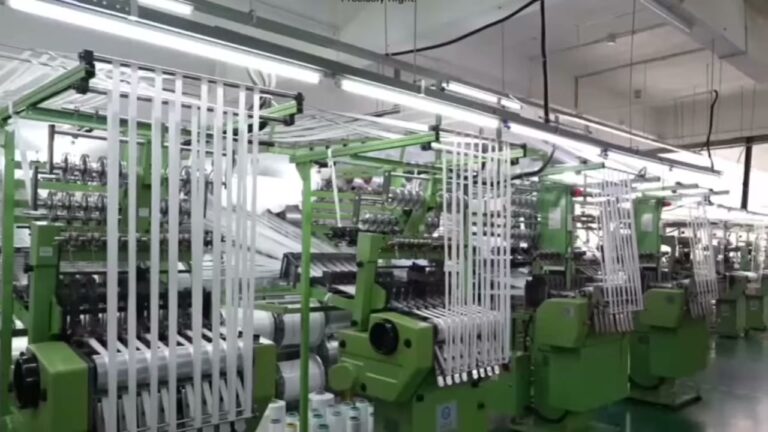 Wholesale Foil Printing vs Screen Printing Ribbon: Buyer Comparison
Foil printing vs screen printing ribbon: side-by-side on artwork files, print method, color target, and sample approval. Pick…
Explore guide
Wholesale Foil Printing vs Screen Printing Ribbon: Buyer Comparison
Foil printing vs screen printing ribbon: side-by-side on artwork files, print method, color target, and sample approval. Pick…
Explore guide
 Organza Ribbon Sheer Finish and Print Comparison for Custom Orders
 — the checks that decide whether a quote,…
Explore guide
Organza Ribbon Sheer Finish and Print Comparison for Custom Orders
Organza Ribbon Sheer Finish and Print Comparison for Custom Orders — the checks that decide whether a quote,…
Explore guide
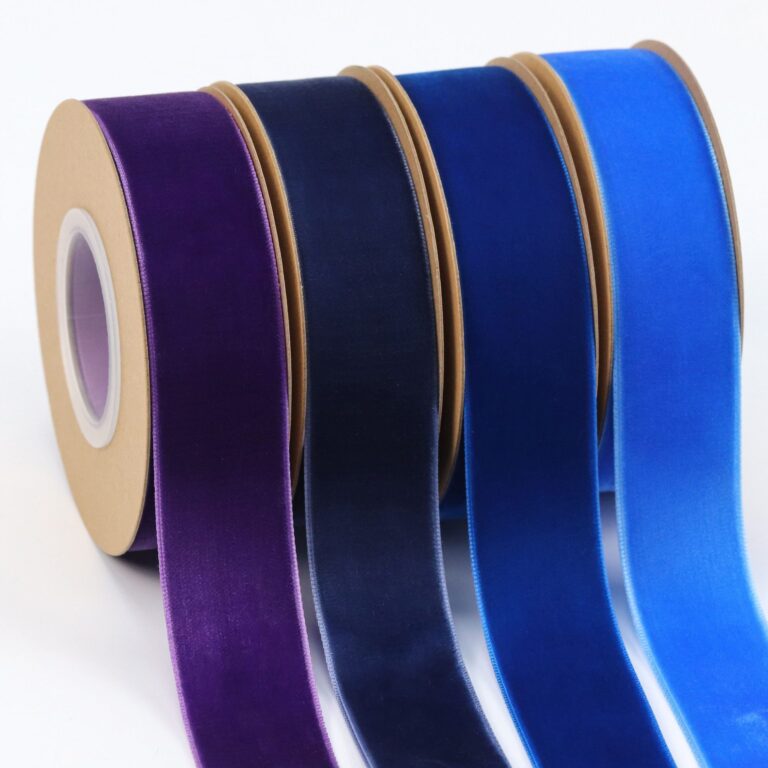 Velvet Ribbon Pile and Finish Comparison for Custom Orders Buyer
: what to confirm on material, MOQ, sample checks,…
Explore guide
Metallic Ribbon Finish Comparison for Custom Orders: Buyer Checklist
Metallic Ribbon Finish Comparison for Custom Orders: what to confirm on material, dimensions, finish, and handling before you…
Explore guide
Velvet Ribbon Pile and Finish Comparison for Custom Orders Buyer
Velvet Ribbon Pile and Finish Comparison for Custom Orders Buyer: what to confirm on material, MOQ, sample checks,…
Explore guide
Metallic Ribbon Finish Comparison for Custom Orders: Buyer Checklist
Metallic Ribbon Finish Comparison for Custom Orders: what to confirm on material, dimensions, finish, and handling before you…
Explore guide
Leave a comment
Share a sourcing question or feedback on this guide. The Lude team reviews submissions before following up.