


Wholesale Satin Ribbon Color Matching: Quality Checks for Bulk Orders
Which Wholesale Satin Ribbon Color Matching options deserve an RFQ? Compare sample approval, color tolerance, QC checks, and factory capability to find
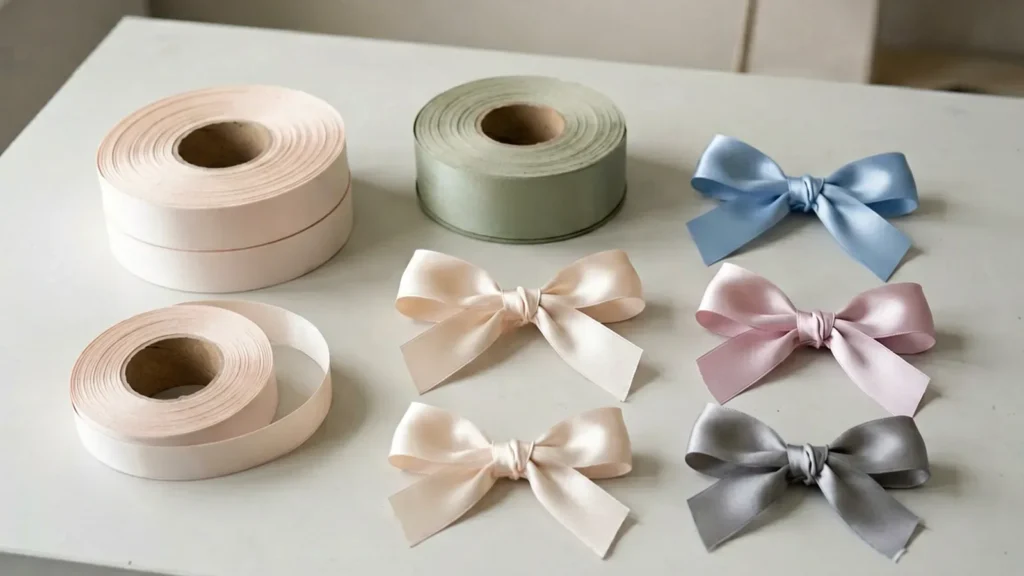
The sourcing record for satin ribbon color matching approval is incomplete until it supports this Verify samples, materials, print, tolerances, certifications, and bulk-production risk.
Color matching on satin depends on the light you approve under. Naming the illuminant is what makes a match reproducible.
Direct answer: For satin ribbon color matching approval, buyers should verify samples, materials, print, tolerances, certifications, and bulk-production risk.
Define the Buyer Decision for Satin Ribbon Color Matching Approval Checklist
- Compare submitted ribbon swatch against the approved Pantone reference under buyer-approved viewing conditions daylight. Satin ribbon absorbs dye differently than paper or fabric swatches; a visual match under production lighting prevents bulk-run color drift. Place the swatch and Pantone chip side by side on a neutral gray surface and check for metamerism under at least two light sources. Approving a match that shifts under warehouse or retail lighting leads to customer returns and reorder disputes. Document the lighting condition and pass/fail result on the approval form before signing.
- Confirm the dye lot number on the submitted sample matches the lot assigned to the production order. A sample from a different dye lot can appear identical yet produce a visible mismatch when the bulk run is cut from a separate batch. Request the supplier’s dye-lot tracking record and cross-reference the lot code printed on the sample card. Accepting a mismatched lot forces a full re-dye or order cancellation, delaying your production schedule. Reject the sample if the lot number is missing or differs; ask for a fresh pull from the production lot.
- Check that the approved sample is sealed and signed by both the buyer’s color approver and the supplier’s QC manager. A countersigned physical sample serves as the binding reference for bulk production and future reorders. Inspect the sample card for dual signatures, date, and a tamper-evident seal or sticker. Without a countersigned sample, the supplier can claim the bulk run matches an unapproved version, leaving you without recourse. Retain the signed sample in a light-protected envelope and share a high-resolution photo in the order file.
- Confirm the MOQ for the approved color applies to the full production quantity, not just the sample run. Custom-dyed satin ribbon often carries a per-color MOQ; ordering below that threshold triggers a price adder or minimum charge. Review the supplier’s RFQ response for the per-color MOQ clause and compare it against your planned order volume. Approving a color without confirming the MOQ can result in unexpected cost overruns or forced inventory holding. Request a written confirmation of the per-color minimum order and any split-order allowances before issuing the purchase order.
Confirm Product and Order Scope
For satin ribbon color, use a release rule: approve only when the supplier evidence matches the written requirement.
- Supplier cannot produce satin ribbon to the specified Pantone reference. Color drift between dye lots can cause visible mismatch in finished goods, leading to order rejection. Request a pre-production color swatch made from the same yarn lot and finish as the bulk order. Signed-off color swatch card with the Pantone code and dye lot number recorded. Hold the production start until the swatch is approved in writing by your quality engineer.
- Supplier offers a color match report but no physical satin ribbon sample for approval. Digital color data cannot capture the sheen and hand feel of satin ribbon, increasing approval risk. Insist on a physical sample cut from the actual production roll before bulk dyeing begins. Physical sample with a dated approval signature and a note confirming the finish matches the order scope. Compare the physical sample against your approved standard under controlled lighting and document any deviation.
- Supplier’s quote assumes a standard ribbon width that differs from your approved specification. Width variation changes the ribbon’s drape and presentation, which can fail end-use requirements. Verify the width tolerance in the supplier’s quote and request a width check on the pre-production sample. Width measurement report from the sample showing the actual mm reading and the tolerance range. Update the order confirmation to lock the exact width and tolerance before bulk production.
- Supplier cannot provide a dye lot continuity plan for reorders of the same satin ribbon color. Without lot control, future reorders may show visible color shift, forcing costly rework or replacement. Ask the supplier to document their dye lot retention and cross-reference process for repeat orders. Written dye lot management procedure and a commitment to reserve matching dye stock for your program. Include a reorder color match clause in the purchase agreement that requires a new pre-production sample if the lot changes.
- Supplier has dyed satin ribbon to the specified Pantone reference in previous orders. Color-matching report from the most recent production run, including L*a*b* readings. Supplier quality lab or dye-house technician. First-time color match may drift without proven capability, causing rework and delay. Request the report and compare against your approved physical satin ribbon swatch.
- Supplier maintains a retained sample library for each dye lot of satin ribbon. Lot-traceable swatch card or digital record with date and batch ID. Supplier production or QC manager. Without lot retention, a color complaint cannot be investigated, and reorder matching is guesswork. Verify the library system during the factory audit or request photos of retained samples.
- Supplier uses a spectrophotometer for color verification before shipment. Calibration certificate for the spectrophotometer and the last three pass/fail logs. Supplier QC department. Visual-only checks miss metamerism and batch-to-batch variation, leading to rejected goods. Include the calibration certificate and logs in the pre-shipment inspection checklist.
- Supplier can produce a pre-production sample for color approval before bulk dyeing. Signed approval form for the pre-production sample, with buyer sign-off and date. Supplier sample room coordinator and buyer quality engineer. Skipping pre-production approval shifts color risk to bulk production, where correction is costly. Confirm the sample turnaround time and require a physical swatch, not a photo, for sign-off.
RFQ checkpoint
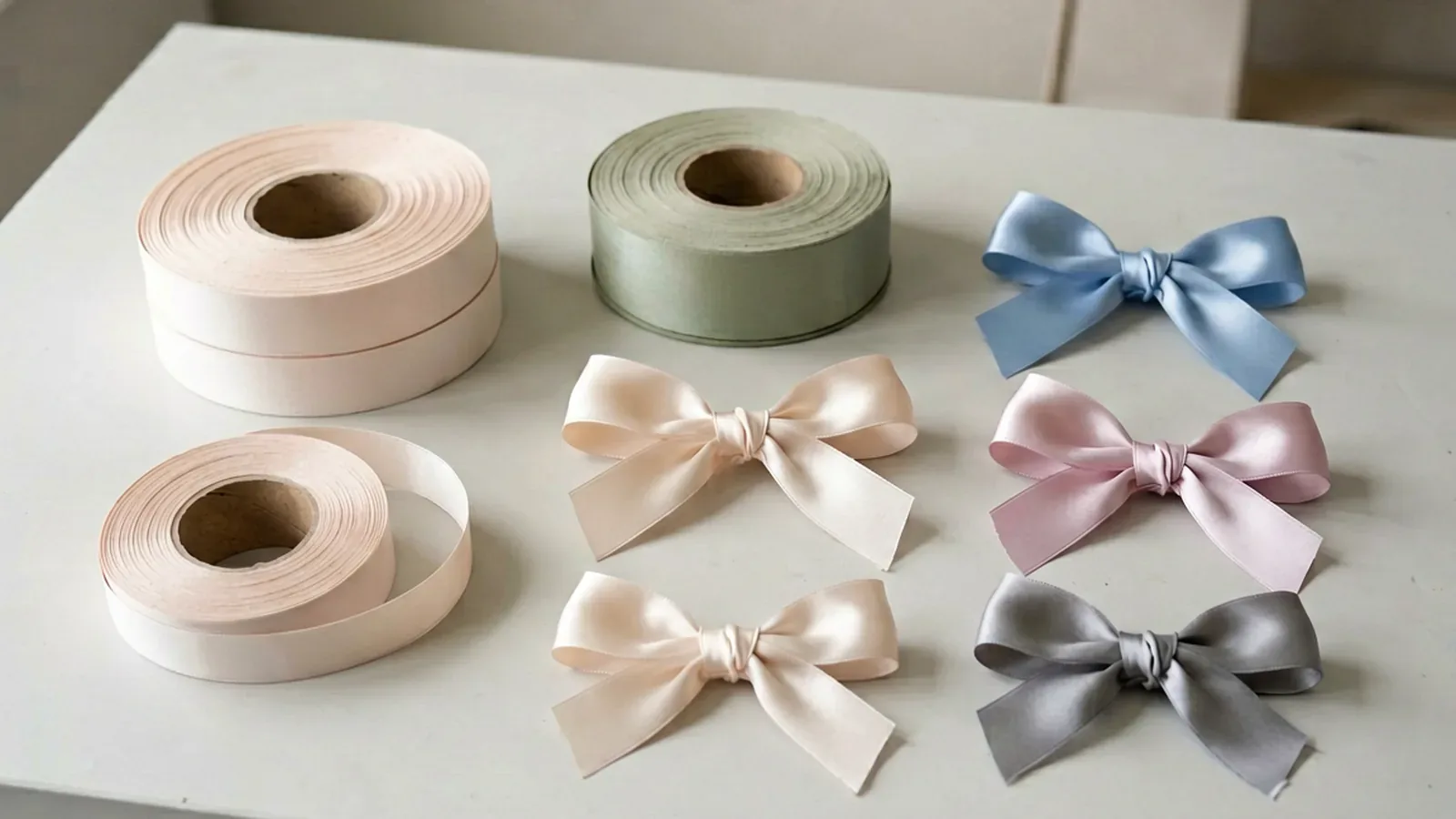
Build the Verification Checklist
- Does the supplier have a spectrophotometer and trained personnel for color measurement? For OEM and ODM ribbon development, this ensures the color standard is maintained across production runs. They provide calibration records and operator training certificates. Inconsistent color batches without proper measurement equipment. Request lab dip report and instrument calibration certificate.
- What is the approved verification method for color matching? To ensure the method is replicable under standard lighting conditions. Uses spectrophotometer with buyer-approved color tolerance pass/fail criteria. Subjective visual approval leads to color drift in bulk production. Define pass/fail criteria in the approval record and sign off.
- What are the consequences of approving a slightly off-color sample? To understand production risk and rework procedures. Supplier has a documented re-dye or re-weave process with cost implications. Accepting off-color results in customer returns and brand damage. Include a clause for re-approval if bulk run deviates from the approved sample.
- How do you retain the physical approved sample for future reorders? To ensure color consistency for repeat orders and reorder accuracy. Supplier provides a sealed swatch card with color code and date. No reference sample leads to color mismatch on reorder. Store the swatch in a UV-protected file and request a duplicate for your records.
Compare Quote and Production Assumptions
When your supplier’s quote assumes a different gift and retail packaging ribbon solutions width, dye lot, or finish than your approved swatch, color mismatch is likely. The control is a side-by-side comparison of every production assumption against the approved sample before any bulk dyeing begins.
Practical Checklist: Quote vs. Production Assumptions
- Specs: Confirm ribbon width, weave density, and finish (e.g., matte vs. high-gloss) match the approved swatch.
- Cost or minimum order: Verify that any cost break or minimum order reduction does not change the dye formulation or substrate quality.
- Production Risk: Check that the supplier’s dye lot size and mixing method are consistent with the sample batch.
- Factory Execution: Request a pre-production sample from the same dye lot that will be used for the bulk order.
- RFQ/Sample Handoff: Attach the approved physical swatch and PMS reference to the final PO, and require written confirmation of all specs.
This checklist ensures that the quote you approve is the product you receive, removing a common source of color variation in satin ribbon orders.
Run the Review Before Approval
At this stage, the buyer must have a completed color matching report from the supplier that includes a physical sample against the original PMS or fabric standard. The output required before proceeding is a documented pass/fail for each critical attribute: hue, saturation, and gloss consistency under standard lighting.
Questions to send back to the supplier
- What lighting standard (e.g., buyer-approved viewing conditions, TL84) was used for the visual assessment, and was a spectrophotometer employed for numerical measurement?
- Does the submitted sample match the approved swatch within the buyer approved color tolerance as stated in the quote request?
- Were multiple dye lots tested, and if so, what was the range of variation across lots?
- Can the supplier provide a written guarantee that production will stay within the same tolerance without additional cost?
When to revise, escalate, or reject
If the supplier cannot confirm the lighting standard or provide spectrophotometer readings, request a revised report with those details. Escalate when the sample shows visible deviation under two different light sources, as this indicates metamerism. Reject the submission if the supplier states that the buyer approved color tolerance is not achievable without a cost increase or minimum order change not previously disclosed in the quote request. Production risk increases when the supplier fails to document dye lot consistency, as this can lead to batch-to-batch variation. Factory execution must be verified by requesting a short production run sample before full bulk production.
| Checkpoint | Action | Outcome |
|---|---|---|
| Lighting standard confirmed | Proceed to sample handoff | Low risk |
| Spectrophotometer data provided | Compare to RFQ tolerance | Medium risk if mismatch |
| Dye lot variation documented | Request additional samples | High risk if absent |
After passing these checks, the buyer can issue a written approval that ties the color standard to the production order. This ensures the quote request/sample handoff is complete and the supplier is contractually bound to the verified color specification.
Move from Review to RFQ or Sample
When the buyer has reviewed the color matching report but still lacks a physical sample against the original PMS or fabric swatch, the ambiguity is whether the digital proof will hold under production lighting. The control that prevents this is a formal handoff gate: the buyer must confirm the sample request includes all critical inputs before the factory proceeds.
Inputs to include in the next message
- PMS reference number and physical swatch (if available) or a spectrophotometer reading.
- Approved digital proof with date and reviewer initials.
- Light source specification (e.g., buyer-approved viewing conditions, TL84) for visual approval.
- Batch size and any color tolerance range (e.g., buyer-approved color tolerance).
- Requested sample type (e.g., 1-meter cut vs. full roll) and quantity.
Ownership and sign-off for the next gate
The buyer’s quality engineer or designated color approver must sign off on the sample request. The factory’s production manager acknowledges receipt and commits to the stated tolerances. No sample is cut without both signatures.
Below is a summary of the handoff criteria:
| Gate | Owner | Deliverable |
|---|---|---|
| Sample request | Buyer’s quality engineer | Approved digital proof + physical reference |
| Factory acknowledgment | Production manager | Written confirmation of tolerances and timeline |
| Sample release | Both parties | Signed sample request form |
By formalizing this step, the buyer reduces production risk from color drift and ensures the quote request or sample order is based on agreed-upon specifications, not assumptions.
In conclusion
The sourcing choice for satin ribbon color matching approval ultimately comes down to how thoroughly you verify each checkpoint before production begins. Compare the supplier’s physical swatch against your approved reference, document the measurement method (spectrophotometer or visual standard), and approve the match only when both lab and production conditions are confirmed. Check that the quote request includes the exact specification, tolerances, and any cost or minimum order implications tied to custom dyeing, and shortlist only those suppliers who can provide a signed-off color approval report alongside the physical sample.
To reduce production risk, verify that the supplier’s lead time allows for color matching iterations without delaying your schedule, and confirm that the sample/QC proof is retained for batch-to-batch comparison. Document every handoff from quote request to physical approval, and if any red flag arises—such as a missing swatch or vague tolerance statement—stop the order and request clarification. By following this checklist, you ensure that the approved color match is not just a digital file but a verifiable, repeatable standard that protects your final product consistency.
Satin Ribbon Color Matching Approval Checklist FAQ
What should buyers confirm first?
For satin ribbon color matching approval checklist, turn the answer into a written quote request note: intended use, ribbon width, material, finish, packing method, and approval owner. Ask the supplier what sample proof or QC record will confirm the same result in production. A vague answer can turn into quote mismatch, sample delay, packing damage, or repeat-order drift.
Which proof should be retained for approval and reorders?
The physical approved sample—a signed-off swatch or ribbon card—must be retained as the master reference for both approval and reorders. Alongside the physical sample, keep the digital color matching report that states the buyer-approved color tolerance value, the light source used, and the date of approval. This documentation protects against color drift in subsequent production runs and provides a clear benchmark for QC inspection at incoming goods. For reorders, the buyer should confirm the supplier still holds the same master swatch or dye recipe and request a new pre-production sample if the agreed period has passed since the last order. Approving the wrong structure or supplier proof can create quality, cost, or delivery problems.
Which warning signs should stop the order?
Stop the order if the supplier cannot provide a physical color swatch for approval before production, or if the buyer-approved color tolerance value on the color matching report exceeds the agreed tolerance. Other red flags include the supplier using only a digital screen match without a physical standard, refusing to document the light source, or offering a cost reduction that skips the sample stage. Also halt the order if the lead time quoted for color matching is unrealistic for your schedule, as rushed dyeing often leads to batch variation. In each case, request a corrective action plan or escalate to a secondary supplier. Ask for a sample, specification confirmation, or QC evidence before approval.
quote request handoff: Send Specs for Review.
Keep exploring
Recommended buyer guides
 Wholesale Narrow Velvet Ribbon: Specs, Roll Length, and RFQ Checks
Check velvet pile direction, edge finish, cutting, tying, shade, and packout evidence before approving narrow velvet ribbon production.
Explore guide
Wholesale Narrow Velvet Ribbon: Specs, Roll Length, and RFQ Checks
Check velvet pile direction, edge finish, cutting, tying, shade, and packout evidence before approving narrow velvet ribbon production.
Explore guide
 Wholesale Satin Ribbon Sample Approval Workflow: Buyer Checklist
Wholesale Satin Ribbon Sample Approval Workflow — the checks that decide whether a quote, sample, or shipment can…
Explore guide
Wholesale Satin Ribbon Sample Approval Workflow: Buyer Checklist
Wholesale Satin Ribbon Sample Approval Workflow — the checks that decide whether a quote, sample, or shipment can…
Explore guide
 Organza Ribbon Sample Approval Workflow Before Bulk Production Buyer
 — the checks that decide whether a quote, sample,…
Explore guide
Organza Ribbon Sample Approval Workflow Before Bulk Production Buyer
Organza Ribbon Sample Approval Workflow Before Bulk Production Buyer — the checks that decide whether a quote, sample,…
Explore guide
 B2B Foil Ribbon Order Risk: Proof, Registration, Release
Buying foil printed ribbon: order risk control checklist? Verify artwork files, print method, color target, and sample approval…
Explore guide
B2B Foil Ribbon Order Risk: Proof, Registration, Release
Buying foil printed ribbon: order risk control checklist? Verify artwork files, print method, color target, and sample approval…
Explore guide
Leave a comment
Share a sourcing question or feedback on this guide. The Lude team reviews submissions before following up.