


Wholesale Printed Grosgrain Ribbon: Quote Checklist
A buyer's checklist for printed grosgrain ribbon — covering artwork files, print method, color target, and factory capability from first sample to repeat
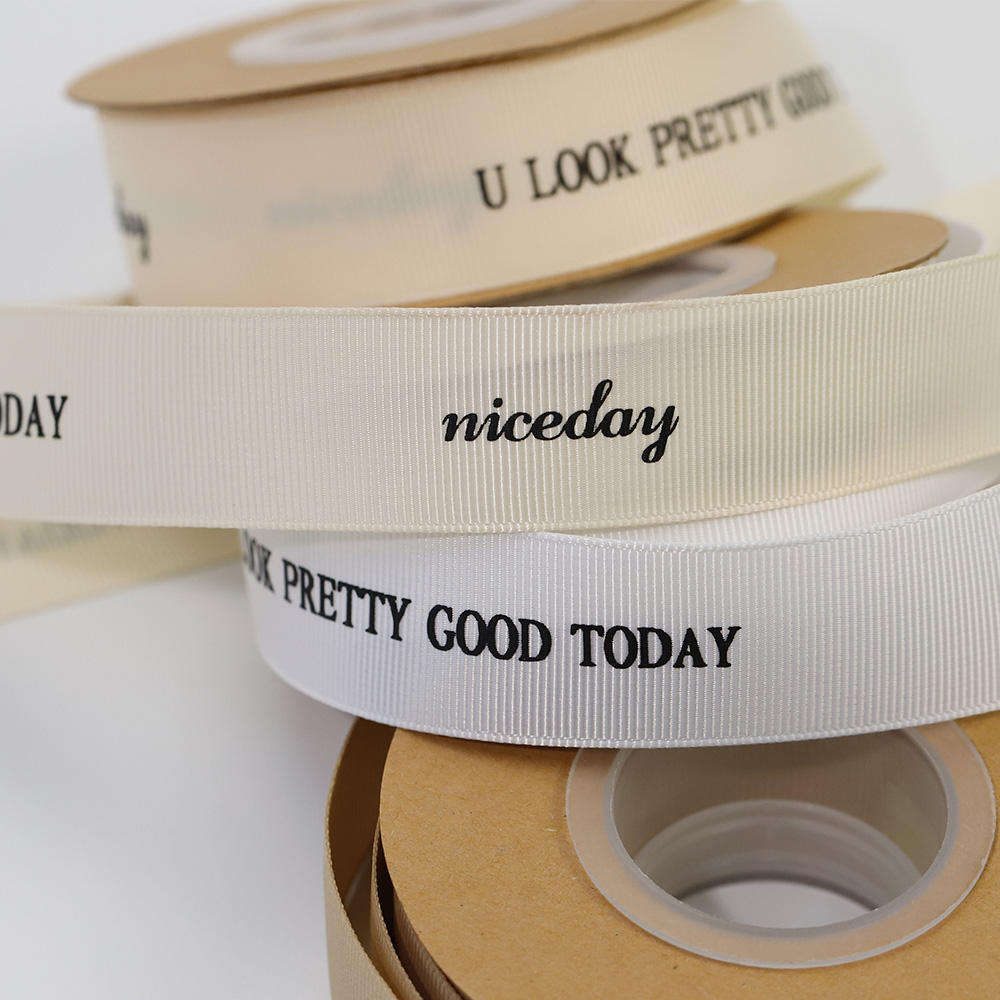
Printed grosgrain ribbon needs a written specification before the buyer can decide whether Printed Grosgrain Ribbon fits the use case, specs, MOQ, sample approval path, and supplier quote process; otherwise suppliers may quote different product and approval assumptions.
Print on grosgrain sits on a ribbed surface, so fine lines behave differently than they do on satin. Proof on the actual substrate.
Direct answer: Use printed grosgrain ribbon only after its specification, application fit, sample route, quantity rule, and supplier exceptions have been confirmed in writing.
What buyers must define before approving printed grosgrain ribbon
| Requirement | Factory control | Evidence to verify | Order risk | RFQ follow-up |
|---|---|---|---|---|
| Base ribbon | Fiber, width, ground color, edge and hand feel | Labeled unprinted swatch | The printed sample may use a different base lot | Approve the base before print proofing |
| Artwork | File revision, repeat direction, logo size and placement | Numbered artwork PDF | Scale or orientation can change between proofs | Sign the controlling artwork revision |
| Print result | Ink color, coverage, readability and acceptable show-through | Marked physical proof under agreed viewing conditions | Rib texture can reduce small-detail clarity | Record pass/fail notes on the proof |
| Application | Cut length, tie method, package surface and handling | Application mock-up | A visually approved ribbon may fail in use | Approve the mock-up before bulk |
Artwork file and proofing requirements
Select the proof sequence from the artwork detail, color importance and ribbed ribbon surface. Each supplier response must identify the controlling file and the physical evidence that will authorize printing.
| Artwork condition | Proof route | Trade-off | Failure exposure | Evidence and decision |
|---|---|---|---|---|
| Simple one-color repeat | Scaled digital layout followed by a strike-off on the selected ribbon | Fast review but physical texture still needs confirmation | Repeat spacing or logo edge can look different on ribs | Approve the strike-off and file revision together |
| Brand-critical color | Color reference plus ink drawdown on the intended substrate | Additional setup before the full proof | Screen and ribbon appearance may diverge | Record viewing conditions and accepted reference |
| Fine detail or multiple colors | Full-width physical proof using the production-intent method | More sample time and correction discipline | Small text can fill, shift or lose contrast | Inspect readability, registration and show-through before release |
The order risk is approving a screen proof that does not reproduce legibility or color on the ribbed production material. Treat the physical proof as the controlling result for those attributes.
Carry the signed artwork and physical proof into the custom printed ribbon record. If file, color reference or base ribbon changes, identify the affected proof and reopen it before bulk.
Sample approval workflow
- Does the supplier provide a written QC checkpoint list tied to the approved sample? A QC record that references the signed sample prevents variation between bulk batches and reorders. Supplier returns a QC checklist naming inspection method, pass/fail criteria, and sample revision number. Without a documented QC link, misregistration or color shift may go undetected until final packing. Request the QC record for the first bulk batch and compare against the signed sample.
- Has the supplier confirmed MOQ by material, print method, width, and packing? A single MOQ number can hide high per-variant minimums or longer lead times for specific prints. Written confirmation lists minimum order per variant with material, width, print method, and packing separately. A vague minimum order may force you to order more of one variant than needed or delay a critical print. Verify each variant's minimum order against your order schedule before sending the quote request.
- Does the supplier require a signed approval record before bulk production? A signed approval record locks the artwork revision, color reference, and QC criteria before production starts. Supplier states that bulk begins only after buyer signs a document referencing the approved sample and revision code. Without a signed gate, production may proceed on outdated artwork or unapproved color shifts. Draft a one-page approval record that ties artwork revision, sample sign-off, and QC checkpoints.
- How does the supplier verify print registration and color accuracy across the full roll width? Grosgrain rib texture can cause ink spread or misregistration; a full-width check catches edge defects. Supplier describes a QC step that inspects color registration and print clarity at both edges and center of the roll. Narrow inspection may miss edge fraying or width deviation that becomes visible only in final use. Ask the supplier to photograph the full roll width under standard lighting and include it in the QC record.
- Does the supplier store the approved sample with a dated, signed tag and front/back photos? A physical sample with a clear audit trail prevents variation between orders and allows a new buyer to reproduce the same approval. Supplier returns a photo of the tagged sample showing artwork revision, approval date, and approver name. Without a stored reference, reorder batches may drift from the original approval without detection. Require the supplier to include the approved sample tag and photos in the order archive before bulk shipment.
Review OEM and ODM ribbon development before carrying the approved sample approval workflow requirements into the wider printed grosgrain ribbon sourcing decision.
Bulk production quality checkpoints
Reorder risk rises when the inspection record is not tied to the approved sample and minimum order assumption. A strong supplier signals documented QC checkpoints, a written minimum order by material and print method, and a sample approval record that prevents variation between batches.
Inspection points that prevent reorder variation
Verify that minimum order is confirmed by material, print method, width, packing, and schedule rather than a single total. In the factory sample room, check color registration and print clarity across the full roll width, then compare the production batch against the signed sample. Document the roll tension, core condition, and winding direction so the same setup repeats on reorder.
Common defects and when to reject a sample
Reject a sample if misregistration, color shift, edge fraying, or width deviation exceeds the agreed limit. The supplier should return a QC record showing the inspection method and result. If the sample cannot be matched to the artwork revision or the defect is not corrected before bulk, hold the order.
Use gift and retail packaging ribbon solutions to align the inspection record with the final application.
Final approval checklist before RFQ or deposit
Release the printed-grosgrain project only when written specifications and retained proofs describe the same ribbon.
Information to confirm in writing
- Confirm base ribbon fiber, width, ground color, edge and approved material reference.
- Record artwork revision, repeat direction, logo size, ink references and print method.
- State quantity by version, minimum order basis, quoted setup, proof sequence and approval-based schedule.
- List bulk inspection checkpoints for readability, registration, color and packout.
What to archive for repeat orders
- Retain the signed artwork and labeled physical proof.
- File the base-ribbon reference, inspection photos and accepted deviation notes.
- Record the supplier and buyer owners who can reopen or release the proof.
Before deposit, reconcile the quotation against this archive and identify any open assumption. A missing base reference, artwork revision or inspection owner can turn a repeat order into an uncontrolled redevelopment.
Check that the approved proof was produced on the intended grosgrain width and ground color, then compare the quotation’s print method and version count with the signed record. If the supplier proposes a substitution, ask which readability, color and handling checks must be repeated and who will approve the change.
For reorders, retrieve the retained proof before confirming availability or schedule. Record whether the same ribbon lot, ink reference and print setup can still be used; otherwise treat the changed input as a scoped reapproval rather than an automatic repeat.
Use the Lude Ribbon factory record to keep the approval owner and production reference connected before deposit or reorder.
In conclusion
The final approval for printed grosgrain ribbon rests on a single written confirmation that ties material, width, print method, artwork revision, minimum order per variant, sample fee, lead time, packing, and QC criteria to supplier proof and a buyer approval step. Without this document, mismatched assumptions cause rework, delays, or cost overruns. Compare supplier quotes against these confirmed variables, verify the sample against the signed approval record, and document the QC inspection method used.
Only after the spec is validated, the sample is approved, and the QC checkpoints are documented should you shortlist the supplier for bulk production. The decision record — not the unit price — determines whether the printed grosgrain ribbon will meet your packaging or program requirements consistently across reorder batches.
To shortlist a supplier, visit grosgrain ribbon and confirm the final specification, quote assumptions, sample approval, QC evidence, approval risk, and supplier follow-up before bulk order.
Lude Ribbon’s minimum is 3,000 yards per custom-printed design, compared with 1,500 yards for plain stock ribbon. Keep the two routes on separate quote request lines whenever artwork, ground color, width, or conversion work changes.
Printed grosgrain ribbon FAQ
What should buyers confirm before ordering printed grosgrain ribbon?
Buyers should confirm material, width, print method, ink colors, artwork revision, minimum order per variant, sample fee, lead time, packing, and QC criteria in a written confirmation, because without this, mismatched assumptions cause rework, delays, or cost overruns.
The supplier must return a signed confirmation referencing the same artwork revision, and this document should accompany the quote request to shortlisted suppliers.
How should buyers compare MOQ, lead time, and quote terms?
Buyers should compare minimum order, lead time, and quote terms by requesting written confirmation per variant, with minimum order tied to material, print method, width, packing, and schedule, because without this, a single minimum order number can hide high per-variant minimums or longer lead times for specific prints.
The supplier must provide a written quote that lists each variant’s minimum order, lead time, and unit price, allowing you to verify that the terms match your order schedule and compare across suppliers. Ask how QC will check the sample, color, finish, packing, and bulk order.
What sample, quality, or supplier checks reduce risk?
Buyers should conduct a physical sample inspection under real lighting, verify color registration and print clarity across the full roll width, and compare the production batch against the signed sample, because without this, misregistration, color shift, or width deviation can go undetected until bulk production.
The supplier should return a QC record showing the inspection method and result. Reject a sample if defects exceed the agreed limit, and hold the order until corrected. Confirm production lead time after specifications and sample approval are fixed.
Keep exploring
Recommended buyer guides
 Wholesale Foil Printing vs Screen Printing Ribbon: Buyer Comparison
Foil printing vs screen printing ribbon: side-by-side on artwork files, print method, color target, and sample approval. Pick…
Explore guide
Wholesale Foil Printing vs Screen Printing Ribbon: Buyer Comparison
Foil printing vs screen printing ribbon: side-by-side on artwork files, print method, color target, and sample approval. Pick…
Explore guide
 Organza Ribbon Sheer Finish and Print Comparison for Custom Orders
 — the checks that decide whether a quote,…
Explore guide
Organza Ribbon Sheer Finish and Print Comparison for Custom Orders
Organza Ribbon Sheer Finish and Print Comparison for Custom Orders — the checks that decide whether a quote,…
Explore guide
 Velvet Ribbon Pile and Finish Comparison for Custom Orders Buyer
: what to confirm on material, MOQ, sample checks,…
Explore guide
Metallic Ribbon Finish Comparison for Custom Orders: Buyer Checklist
Metallic Ribbon Finish Comparison for Custom Orders: what to confirm on material, dimensions, finish, and handling before you…
Explore guide
Velvet Ribbon Pile and Finish Comparison for Custom Orders Buyer
Velvet Ribbon Pile and Finish Comparison for Custom Orders Buyer: what to confirm on material, MOQ, sample checks,…
Explore guide
Metallic Ribbon Finish Comparison for Custom Orders: Buyer Checklist
Metallic Ribbon Finish Comparison for Custom Orders: what to confirm on material, dimensions, finish, and handling before you…
Explore guide
Leave a comment
Share a sourcing question or feedback on this guide. The Lude team reviews submissions before following up.