


Velvet Ribbon Width Tolerance Checklist for Bulk Orders Buyer Guide
Use this checklist to compare material, MOQ, sample checks, and supplier questions against one written approval record before bulk production
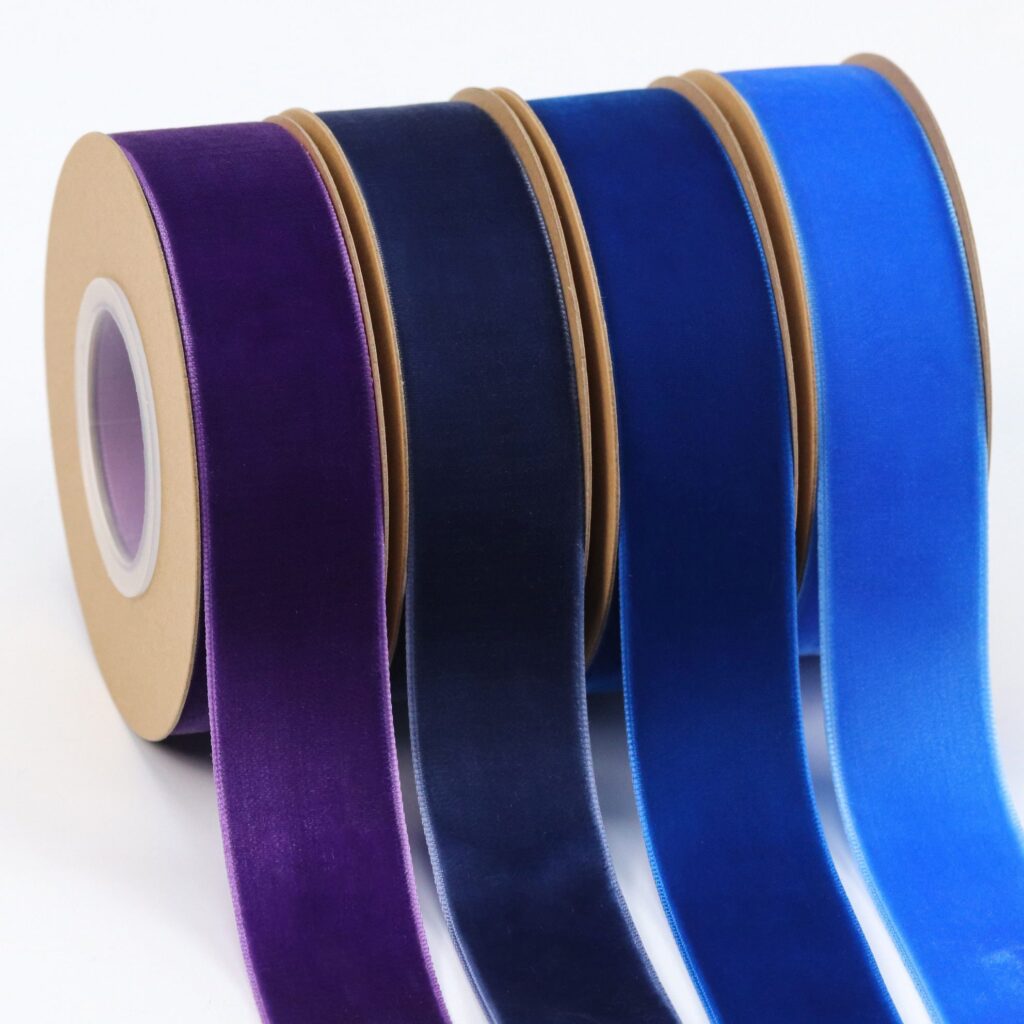
Width on velvet is measured including the pile, and suppliers measure it differently. Say which method you mean.
Direct answer: For velvet ribbon width tolerance for bulk, buyers should verify samples, materials, print, tolerances, certifications, and bulk-production risk.
Define the Buyer Decision for Velvet Ribbon Width Tolerance
- Confirm width tolerance range in the spec sheet: A variance beyond the agreed tolerance can cause misalignment in packaging or trim applications, leading to rework or rejected goods. Request the factory’s width tolerance range in writing and compare it against your approved spec sheet before bulk production. Shipment of ribbon that is too narrow or wide for your fixture or die-cut, causing unusable inventory and return costs. Document the agreed tolerance on the purchase order and include it in the inspection checklist.
- Check actual width against spec on the first production roll: Velvet ribbon can stretch or shrink during slitting; early measurement catches drift before the full run is cut. Measure the first roll at three points along the length using a calibrated ruler or caliper, and record the readings. A systematic width error across the entire order that is discovered only at final inspection, delaying shipment. Share the first-roll measurement with the QC team and approve the run only if all readings fall within tolerance.
- Verify measurement method and tool calibration: Different measurement methods (relaxed vs. tensioned) can produce different readings, causing disputes between buyer and supplier. Ask the factory to confirm the measurement standard and check that the caliper or ruler has a current calibration sticker. Rejected goods because buyer and supplier used different measurement conditions, leading to costly re-inspection or arbitration. Include the measurement method and calibration requirement in the quality agreement or inspection protocol.
- Inspect width consistency across multiple rolls in the batch: Width can vary between rolls due to tension differences on the slitter; a single roll check may miss batch-wide drift. Randomly sample rolls from the start, middle, and end of the production run and measure each at the same points. Inconsistent ribbon width across the shipment causes production line stops and waste during automated feeding or wrapping. Set a sampling plan and require the factory to submit width records with the packing list.
- Document width tolerance on the final inspection report: Without written proof, a tolerance dispute after shipment leaves the buyer with no leverage for replacement or credit. Require the factory to include measured width values and pass/fail status for each inspected roll on the inspection certificate. Accepting a shipment without documented width checks voids the ability to claim non-conformance later. Hold the final payment until the signed inspection report with width data is received and reviewed.
Material and specification fit
Velvet ribbon width tolerance directly affects how the ribbon feeds through automated packaging equipment or fits into pre-cut slots. A spec sheet that lists only a nominal width without a plus/minus range leaves both sides exposed. Buyers should confirm the tolerance in millimeters or inches and ensure the factory can hold that range across the entire order quantity.
MOQ, cost structure, and lead time
Narrower velvet ribbons often have higher MOQs because they run on multi-end looms. Tighter width tolerance may require slower loom speed or additional finishing, raising cost per yard. Confirm the MOQ by width and tolerance level during RFQ. Standard production runs 15–20 business days after spec approval.
Supplier reliability and quality checks
A reliable velvet ribbon supplier will share their in-process width inspection records and final QC reports. Ask for photos of the measurement setup and the calibration sticker on the caliper. Suppliers who resist sharing these details often have inconsistent output. Use this check to shortlist factories for sample approval.
Confirm Product and Order Scope
For velvet ribbon width, use a release rule: approve only when the supplier evidence matches the written requirement.
- Velvet ribbon width tolerance must match the buyer's stated specification within the buyer-approved tolerance for bulk orders. In-process width inspection log from the production run, showing measurements at loom start, mid-run, and before final cut. Supplier's quality control department or production manager. Out-of-tolerance ribbon causes jams in automated packaging equipment and rejects at final assembly, increasing scrap cost and delaying shipment. Request the inspection log with the first article sample and compare against your spec sheet before approving the bulk run.
- Supplier must have documented capability to hold width tolerance across multiple dye lots and ribbon constructions, including OEM and ODM ribbon development. Recent third-party lab test report for width consistency across three consecutive production lots of similar velvet ribbon. Supplier's quality assurance team or external testing lab. Inconsistent width between lots leads to rework, customer complaints, and potential loss of the retail contract. Review the lab report and request a cross-reference to the specific width tolerance clause in your purchase order.
- Supplier must provide a written approval gate for width tolerance before bulk production begins. Signed approval form or email confirming that the first article sample meets the agreed width tolerance. Supplier's production planner or account manager. Without a formal approval gate, the supplier may start bulk production with unverified width, leading to a full lot rejection. Incorporate the approval gate into your RFQ and order confirmation documents; do not release production until signed.
Decision criteria to confirm
Before placing a bulk velvet ribbon order, confirm the exact width tolerance your application requires. Automated packaging and assembly lines demand tighter tolerances than handcraft uses. Document this spec in your RFQ and request the supplier's standard tolerance range. A mismatch here causes costly production delays and material waste.
RFQ details to send
When you send an quote request for velvet ribbon, include the width tolerance as a required field. Ask the supplier to state their standard tolerance and any additional cost for tighter control. This upfront check prevents surprises during sample approval. It also helps you compare supplier capabilities side by side before shortlisting.
Production handoff details
Once the sample is approved, confirm that the production team has the width tolerance spec in their work order. Request a pre-production inspection report that includes width measurements. This handoff check ensures the factory runs the bulk order to your exact spec. It reduces the risk of a non-conforming shipment arriving at your dock.
Build the Verification Checklist
- Supplier cannot demonstrate in-process width checks during velvet ribbon production. Without in-process measurement, width drift goes undetected until final inspection, causing bulk rework or order rejection. Request the supplier's width inspection protocol and ask how often they measure during a production run. Copy of the in-process width check log from the last velvet ribbon order of similar width. Shortlist only suppliers that provide a documented width check step in their QC workflow.
- Supplier offers no sample approval record for custom printed ribbon width tolerance before bulk production. Missing sample sign-off means the production team may run to a different width standard than what you approved. Require a signed width tolerance approval form before any bulk order is released to the factory floor. Signed sample approval document that includes the exact width tolerance and measurement method used. Verify the approval record matches your quote request width tolerance before authorizing production.
- Supplier's velvet ribbon width tolerance is stated as a range without a measurement method or instrument. A vague tolerance range without a defined measurement method leaves room for interpretation and inconsistent output across rolls. Ask the supplier to specify the measurement tool (e.g., caliper, ruler) and the point of measurement (e.g., edge to edge, after relaxation). Written statement of the measurement method and instrument used for width verification. Compare the stated method against your own inspection criteria and confirm alignment before order placement.
Compare Quote and Production Assumptions
The main failure mode for velvet ribbon width is approval before the supplier has resolved the listed evidence gaps.
- What in-process width inspection method does the factory use during bulk velvet ribbon runs? A supplier that relies only on end-of-line checks may ship a full batch before a width drift is caught, leading to a rejected order. The supplier describes a real-time laser or mechanical gauge check at the loom or slitting station, with recorded readings every 100 meters. Without in-process inspection, a width deviation can run through thousands of yards before detection, making rework or replacement costly. Request a copy of the factory's width inspection log from the most recent velvet ribbon production run.
- How does the supplier handle width tolerance failures during production? A supplier without a clear rework or reject protocol may ship out-of-spec ribbon to meet the delivery date, passing the problem to your line. The supplier has a documented procedure: ribbon outside tolerance is flagged, segregated, and either re-cut or scrapped before packing. If the supplier ships non-conforming ribbon, your production line stops, and you bear the cost of downtime and replacement sourcing. Add a clause to the purchase order requiring written notification of any width tolerance deviation before shipment.
- Does the quote assume the same width tolerance for all dye lots in a multi-lot bulk order? Different dye lots can shrink or relax differently during finishing, causing width variation between lots that affects consistent presentation in gift and retail packaging ribbon solutions solutions. The supplier confirms that each dye lot is measured separately and that the tolerance applies per lot, not averaged across the total order. Assuming uniform width across lots can result in mixed rolls that look identical but feed differently, causing tension issues in automated equipment. Require the supplier to label each pallet or carton with the measured width range for that specific dye lot.
Run the Review Before Approval
At this point, you should have a completed width tolerance checklist from the supplier, with measurements recorded for at least three production rolls. The output required before moving to final approval is a signed-off review document that confirms each measured width falls within the agreed tolerance range specified in your quote request.
Questions to send back to the supplier
- What is the exact width measurement for each roll tested, and how does it compare to the tolerance stated in the quote request?
- Can you provide a copy of the in-process width check records from the production run?
- What corrective action will you take if a roll exceeds the tolerance?
When to revise, escalate, or reject
If the supplier’s measurements show consistent deviation beyond the agreed tolerance, revise the requirement by requesting a new production sample. Escalate to a senior buyer or quality manager if the supplier cannot provide in-process check records. Reject the order if the width variation exceeds the tolerance on more than the agreed share of rolls, as this indicates a process control failure.
Use the table below to document your review findings and next steps.
| Roll ID | Measured Width | Tolerance Check | Action |
|---|---|---|---|
| Sample from Roll 1 | Within RFQ range | Pass | Proceed |
| Sample from Roll 2 | Outside RFQ range | Fail | Revise sample |
| Sample from Roll 3 | Within RFQ range | Pass | Proceed |
After completing the review, ensure the supplier signs off on the final width tolerance report. This document becomes part of your order record and supports consistent quality across bulk shipments. For more on supplier qualification, see our Lude Ribbon factory.
Move from Review to RFQ or Sample
When a supplier cannot demonstrate how they monitor width variation during production, the buyer faces a concrete failure mode: approving a bulk order that may contain ribbons outside the usable tolerance. The control is a written quote request note that states the intended use, the acceptable variation range, and a verification method.
Inputs to include in the next message
- State the ribbon’s end-use (e.g., gift wrap, garment trim) and the maximum width deviation that still functions.
- Ask the supplier: ‘What is your in-process width check frequency and method?’
- Request a sample from a production run, not a hand-cut piece, and measure it upon receipt.
- Include a clause that the bulk order will be accepted only if the agreed share of pieces falls within the agreed tolerance.
Ownership and sign-off for the next gate
Before moving to quote request or sample, the buyer must confirm the tolerance range with their quality team and assign one person to approve the supplier’s written response. That person signs off that the supplier’s process matches the requirement.
Use this table to compare supplier responses:
| Supplier | Width check method | Claimed tolerance | Sample provided? |
|---|---|---|---|
| Supplier A | In-line laser gauge | the buyer-approved tolerance | Yes |
| Supplier B | Manual caliper spot checks | the buyer-approved tolerance | No |
| Supplier C | No method stated | Not specified | No |
Only proceed with suppliers who provide a clear method and a sample that passes your measurement check. This handoff reduces production risk and ensures factory execution matches your spec.
In conclusion
The sourcing choice for velvet ribbon width tolerance comes down to comparing the supplier’s stated capability against your own documented specification, then verifying that claim with a certified measurement report before any quote request or sample request. Without this step, you risk approving a supplier whose actual production width falls outside your acceptable range, leading to rework, delays, or rejected goods. Document the agreed tolerance, retain the signed approval sheet, and confirm that the supplier can provide a measurement report for each bulk lot before you hand off the order.
Once these three items—certified measurement report, signed tolerance approval, and a clear quote request field for width limits—are in place, you can move forward with confidence. Shortlist only those suppliers who pass this verification, and stop the order if they cannot produce the required proof. This checklist ensures your bulk velvet ribbon meets your exact width requirements, protects your production timeline, and gives you a documented audit trail for every shipment.
Velvet Ribbon Width Tolerance FAQ
What should buyers confirm first?
For velvet ribbon width tolerance checklist for bulk orders, turn the answer into a written quote request note: intended use, ribbon width, material, finish, packing method, and approval owner. Ask the supplier what sample proof or QC record will confirm the same result in production. A vague answer can turn into quote mismatch, sample delay, packing damage, or repeat-order drift.
Which proof should be retained for approval and reorders?
Retain a signed width tolerance approval sheet from the supplier, along with the measured sample report and a photo of the ribbon against a calibrated ruler. This proof ensures reorder consistency and protects against disputes. Keep the approved sample as a physical reference for future bulk orders.
Which warning signs should stop the order?
Stop the order if the supplier cannot provide a certified measurement report, if the sample deviates beyond the agreed tolerance, or if they refuse to document the width spec in the contract. Also halt if the MOQ or lead time changes after sample approval without explanation. These signs indicate high supplier risk. Ask for a sample, specification confirmation, or QC evidence before approval.
Keep exploring
Recommended buyer guides
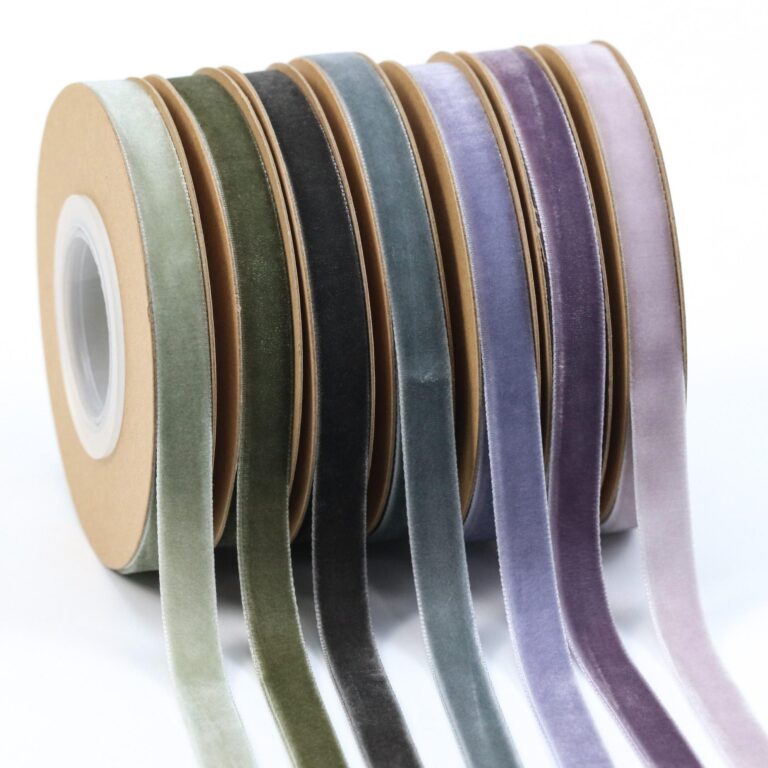 Wholesale Narrow Velvet Ribbon: Specs, Roll Length, and RFQ Checks
Check velvet pile direction, edge finish, cutting, tying, shade, and packout evidence before approving narrow velvet ribbon production.
Explore guide
Wholesale Narrow Velvet Ribbon: Specs, Roll Length, and RFQ Checks
Check velvet pile direction, edge finish, cutting, tying, shade, and packout evidence before approving narrow velvet ribbon production.
Explore guide
 Wholesale Satin Ribbon Sample Approval Workflow: Buyer Checklist
Wholesale Satin Ribbon Sample Approval Workflow — the checks that decide whether a quote, sample, or shipment can…
Explore guide
Wholesale Satin Ribbon Sample Approval Workflow: Buyer Checklist
Wholesale Satin Ribbon Sample Approval Workflow — the checks that decide whether a quote, sample, or shipment can…
Explore guide
 Organza Ribbon Sample Approval Workflow Before Bulk Production Buyer
 — the checks that decide whether a quote, sample,…
Explore guide
Organza Ribbon Sample Approval Workflow Before Bulk Production Buyer
Organza Ribbon Sample Approval Workflow Before Bulk Production Buyer — the checks that decide whether a quote, sample,…
Explore guide
 B2B Foil Ribbon Order Risk: Proof, Registration, Release
Buying foil printed ribbon: order risk control checklist? Verify artwork files, print method, color target, and sample approval…
Explore guide
B2B Foil Ribbon Order Risk: Proof, Registration, Release
Buying foil printed ribbon: order risk control checklist? Verify artwork files, print method, color target, and sample approval…
Explore guide
Leave a comment
Share a sourcing question or feedback on this guide. The Lude team reviews submissions before following up.