


Wholesale Satin Ribbon Shade Band Lot Variation Approval Checklist
A buyer's checklist for satin ribbon shade band lot variation approval checklist — covering sample approval, color tolerance, and QC checks from first

The sourcing record for satin ribbon shade band lot variation is incomplete until it verifies samples, materials, print, tolerances, certifications, and bulk-production risk.
Lot-to-lot shade variation is normal in satin. Agreeing an acceptable band in advance turns it from a dispute into a specification.
Direct answer: For satin ribbon shade band lot variation, buyers should verify samples, materials, print, tolerances, certifications, and bulk-production risk.
Why satin lot variation is a spec problem, not a supplier problem
- Does the supplier maintain a dye-lot reference archive for each satin ribbon shade? Satin's weave and dye absorption cause visible shifts between production runs; an archive proves the supplier can match a previously approved shade without starting from scratch. Supplier shows a labeled cabinet or digital record of retained dye-lot swatches for the past agreed validity window, with date and batch codes. Without an archive, each reorder becomes a new color-matching gamble, increasing approval cycles and the chance of a shade mismatch on finished goods. Request a photo of the archive and ask for the three most recent dye-lot swatches for your target shade.
- What is the written tolerance for shade variation within one production lot? Satin ribbon reflects light differently along its length; a vague tolerance lets the supplier ship rolls that look mismatched when laid side by side. Supplier provides a documented tolerance (e.g., buyer-approved color tolerance under buyer-approved viewing conditions) and shows how they measure it during production. No written tolerance means you approve a sample but receive rolls that fail visual inspection, causing returns or rework. Add the tolerance to your spec sheet and require a shade-band report with each shipment.
- Does the supplier perform a side-by-side shade check before packing each order? Individual rolls may pass a single measurement but differ when placed together; a side-by-side check catches cumulative variation that ruins a uniform presentation. Supplier has a dedicated inspection table with controlled lighting where they compare all rolls against the approved shade band before packing. Skipping this check can result in a mixed pallet of ribbons that look like different colors under retail or event lighting. Ask for a video of the side-by-side check from your last order or include it as a mandatory QC step in your contract.
- How does the supplier handle shade variation claims after shipment? Even with good process, variation can occur; a clear claims process protects your timeline and budget. Supplier states a standard replacement or credit policy for shade mismatch within a defined number of days, with a simple return procedure. Without a policy, you may be stuck with unusable ribbon and no recourse, delaying your production or event. Confirm the claims window and required documentation (e.g., photos, lot numbers) before placing the order.
- No pre-production shade band submitted for each dye lot: Without a physical standard, the dye house has no reference for acceptable depth, hue, or brightness across satin ribbon rolls. Require a signed shade band from the first production sample before any bulk dyeing begins. Shade band card with lot number, date, and approval signature from your QC or color specialist. File the approved band as the master reference for all subsequent lot inspections.
- Supplier cannot show a written lot-to-lot variation tolerance in the spec sheet: No documented tolerance means every roll can shift without triggering a rejection, leading to visible banding in finished bows or sashes. Ask for the maximum acceptable color difference or a physical limit sample that defines the pass/fail boundary. Supplier’s internal variation policy or a signed spec sheet with a clear tolerance and measurement method. Insert the agreed tolerance into your purchase order as a mandatory quality clause.
- Approved sample from one dye lot used to approve a different lot without re-submission: Dye chemistry, water hardness, and batch temperature differ between runs; a single sample cannot represent all future lots. Stipulate that each production lot requires its own shade band approval before shipment. Lot-specific shade band with matching production order number and approval stamp. Update your approval checklist to require a new band for every lot, not just the first one.
- No documented method for measuring shade variation (e.g., spectrophotometer vs. visual match only): Visual matching alone is subjective and unenforceable; two inspectors can pass the same roll on different days. Specify that the supplier must use a calibrated spectrophotometer and report the measured color difference for each lot. Calibration certificate for the spectrophotometer and a test report for the first production lot. Include the measurement instrument requirement in your supplier qualification checklist.
What actually moves between dye lots
Each dye lot carries its own chemical mix, water temperature, and dwell time. Satin's tight weave amplifies even slight differences in dye uptake, so two lots approved against the same standard can look mismatched when unrolled side by side. The shade band you approved is a reference, not a guarantee that every future lot will match it exactly.
The cost of having no written tolerance
Without a documented shade tolerance, you accept every dye lot as is. That means you pay for inspection time, risk rejecting ribbon after it arrives, and may scramble for replacements. A written tolerance shifts the burden to the supplier to control variation before shipment, saving you from last-minute color crises that delay your production or event schedule.
Defining an acceptable shade band before production
- Compare submitted shade band against light, mid, and dark limit samples: A single reference swatch hides dye-lot drift; three limits define the acceptable range before bulk production. Request physical limit samples from the supplier's last approved run and measure each against a spectrophotometer reading. Without limits, every dye lot can shift outside your visual tolerance, causing costly shade rejection at final inspection. Document the L*, a*, b* coordinates for each limit and attach them to the purchase order.
- Verify the shade band covers at least three consecutive production lots: A band that survives multiple lots proves the dye process is stable, not a one-batch fluke. Ask the supplier for shade-band records from the last three lots of the same ribbon construction and color formula. A band built from one lot will fail as soon as water temperature or chemical mix varies in the next run. Shortlist only suppliers that can show a three-lot shade-band history for that color.
- Confirm the shade band matches the bulk dye source: A band built from a different dye source will not predict the bulk shade. Check that the submitted band was produced from the same dye recipe and substrate that will be used in bulk. Mixing dye sources without a unified band can produce visible shade splits on the same spool. Require the supplier to sign off that the band matches the production dye master batch.
- Inspect the physical band under a daylight simulator and TL84 store light: Satin ribbon reflects light differently; a shade that passes in one light source may fail in retail display. Hold the band and limit samples side by side in a light box with both illuminants and record any metamerism. Metameric mismatch causes returns when the ribbon looks correct at the factory but wrong under store lighting. Add a light-source clause to the quality agreement and keep a signed set of limit samples in your office.
Light, mid, and dark limit samples
Limit samples are the physical boundaries of your acceptable shade range. The light sample shows the palest passable tone, the dark sample the deepest, and the mid sample sits at the target. Without these three anchors, every dye lot becomes a subjective call. Suppliers use these limits to set their dye-machine parameters before bulk production begins.
How many lots the band has to survive
A shade band that holds across three consecutive production lots signals a repeatable dye process. If the band was built from a single lot, any shift in water pH or dye concentration in the next run will push the color outside tolerance. Ask for lot-by-lot shade records for the same ribbon width and finish to confirm process stability before you approve the band.

Lighting: the condition that decides every colour argument
- Shade band approval must specify the light source and color temperature used for evaluation. Approval record that names the light source (e.g., daylight simulator, TL84, incandescent) and the lux level at the inspection point. Supplier quality or production manager. Without a named light source, shade matches approved in one condition may fail under store or event lighting, causing returns. Verify the light source is stated on the shade band approval form before signing off.
- Metamerism risk is documented by comparing the ribbon sample under at least two different light sources. Metamerism assessment report showing the shade band under primary and secondary light sources with pass/fail judgment. Supplier lab or third-party testing facility. Ignoring metamerism can lead to color mismatch between ribbon and packaging or garment under retail lighting, triggering rejection. Request the metamerism report and confirm both light sources are relevant to your end-use environment.
- Supplier capability includes maintaining a controlled light booth for every shade band evaluation. Photo or calibration certificate of the light booth used, plus operator training records. Supplier quality assurance team. An uncalibrated booth or untrained operator produces unreliable shade approvals, increasing lot-to-lot variation. Inspect the light booth during the factory audit or request a video walkthrough before production.
- Approval risk is reduced when the buyer provides a physical limit sample alongside the digital shade band. Signed limit sample card with both the approved standard and the acceptable tolerance boundaries. Buyer (provides standard); supplier (returns with limits). Digital shade bands alone can shift between screens; a physical limit sample anchors the approval to a tangible reference. Send a physical limit sample with your RFQ and require the supplier to return it marked with their tolerance range.
Naming the light source in the approval record
Every shade band approval must state the light source used. A daylight simulator mimics noon daylight, TL84 mimics store fluorescent, and incandescent shows warm retail or event light. Without this record, the same ribbon can look approved in the QC room but mismatched on the shelf. Always verify the light source is written into the approval document before you sign.
Metamerism, and why two people disagree in good faith
Metamerism happens when two materials match under one light but clash under another. Satin ribbon and a custom printed ribbon logo or garment fabric can be metameric pairs. A supplier should test the shade band under at least two light sources and report the result. If they skip this, you risk approving a color that only works in the factory booth. Ask for the metamerism report before bulk production.
Approving the first lot so later lots have something to match
Without a signed physical reference, every subsequent satin ribbon lot becomes a negotiation, shade drift is inevitable. The control is a retained master sample, sealed under the buyer’s approved viewing conditions, and held by both factory and buyer. This eliminates ambiguity in later shade band comparisons.
Specify the retained reference itself, not just the fact that one exists. A reference nobody can find, or one that faded in a drawer, is the same as having none. State these on the approval record so both copies are comparable years later.
| Retained sample spec | What to state | Why it decides a later dispute |
|---|---|---|
| Retained length | Long enough to fold back on itself and compare edge to edge, stated in the approval record | A short snippet cannot be compared against a full roll under the same viewing conditions |
| Ribbon width and construction | The exact width and weave approved, not the nominal size | A different width from the same dye lot can read differently at the edges |
| Lot identification | Lot or batch number, dye date, and production line if the factory runs more than one | Lets the supplier trace back when a later lot drifts |
| Light source | The named illuminant used at approval, recorded on the label itself | Two people judging under different light will disagree in good faith |
| Storage condition | Sealed, light-protected, and where each copy is held | A faded reference shifts the standard without anyone deciding to |
| Re-issue trigger | How often the reference is renewed, and who authorises it | Prevents an aged sample quietly becoming the new benchmark |
What to retain, and who holds it
Retain a length of the approved ribbon, labeled with the lot number, date, and light source used (e.g., buyer-approved viewing conditions). The factory keeps one in a sealed, light-protected bag; the buyer keeps an identical copy. This dual retention prevents disputes over storage conditions or fading.
Signing the reference so it means something commercially
Both parties sign and date the retained sample’s label. The signature confirms the sample is the commercial benchmark for all future lots. Without this, a later lot’s shade variation can be rejected only subjectively. The signed reference makes the approval enforceable under the purchase order.
For related best practices, see our gift and retail packaging ribbon solutions.
Judging a reorder against the approved band
For satin ribbon shade, this section converts judging a reorder against the approved band into RFQ inputs, supplier evidence, approval risk checks, and the next sample or quote decision.
The comparison method to specify
When a reorder lot arrives, the first step is to compare it against the signed physical band under the buyer-approved viewing conditions (45/0 geometry). Lay the reorder sample directly adjacent to the band, edge to edge, on a neutral gray surface. Any visible shift in hue, chroma, or value, even if subtle, must be recorded. The quote request should have specified the acceptable buyer-approved color tolerance (e.g., the tolerance in the order) and the measurement instrument (e.g., spectrophotometer with 10° observer). Without this, the comparison is subjective. The factory must provide a measurement report for each reorder dye lot, not just the first approval.
What to do when a lot sits just outside
If the reorder lot measures outside the approved tolerance but still appears close to the band, do not accept it without a documented deviation. The buyer must issue a written concession or request a re-dye. Production risk increases if the lot is used as-is, because subsequent reorders may drift further. The factory should hold the lot and rework it to match the band within tolerance. A verification question to ask: “What is the measured color difference of this lot against the approved band under the agreed light source?” If the answer exceeds the quote request-confirmed limit, reject or negotiate a price adjustment. The table below summarizes the decision criteria.
| Condition | Action | Factory Execution |
|---|---|---|
| Within tolerance (color difference ≤ limit) | Approve for production | Provide measurement report |
| Outside tolerance, visually close | Request written concession or re-dye | Hold lot, rework if needed |
| Outside tolerance, visually different | Reject lot; require new sample | Investigate dye process |
After the decision, update the approved band file with the reorder measurement and any concession notes. This creates a traceable history for future lots. See Lude Ribbon factory for additional context on shade control.
Spec wording that survives a change of contact person
When the buyer’s or supplier’s contact person changes, shade band lot variation approval often restarts from scratch, unless the purchase order contains wording that survives personnel turnover. The concrete failure mode is that verbal agreements or email threads about acceptable shade drift are lost, forcing costly re-approval cycles. The control is a written spec clause that defines the acceptable shade band using measurable, transferable language.
The Lines to Put in the Purchase Order
Include in every PO: “Shade band lot variation approval per signed physical reference #___ and spectrophotometer tolerance ___ under the agreed illuminant, 10° observer. Any redye or new lot must be pre-approved via two sealed samples, one at the lightest acceptable limit, one at the darkest, shipped to buyer within 5 business days of request.” This wording binds the supplier regardless of who manages the account.
Change Control When the Supplier Redyes
If the supplier redyes a lot to match the approved band, the change control must require a new signed reference and a re-run of the spectrophotometer reading. Without this, the redye may drift further from the original spec. The PO should state: “Redye lots require a new approval cycle; no shipment without written sign-off on the new reference.” This prevents production risk from unapproved shade shifts and ensures factory execution aligns with the buyer’s quality standard.
Where shade band tolerance meets your MOQ and lead time
Why a tighter band costs more or waits longer
When you specify a tighter shade band, the supplier must run additional dye trials and may need to hold inventory until enough yardage accumulates to justify a full production run. This increases per-yard cost and can delay shipment. To avoid surprises, ask your supplier: “What is the tightest tolerance you can hold without a separate dye lot surcharge?”
Consolidating designs onto one lot
If you have multiple designs that fall within the same acceptable shade range, you can consolidate them onto one production lot. This reduces setup costs and shortens lead time. Before quote request, verify with your supplier: “Can these three shade bands be produced in a single dye lot without exceeding your standard tolerance?”
Practical checklist for shade band tolerance approval
- Confirm the tolerance that triggers a separate dye lot
- Request a written quote for any tolerance tighter than the supplier’s standard
- Ask if multiple designs can be combined into one lot
- Verify the lead time impact of a separate lot before placing the order
- Sign off on a physical shade band reference under buyer-approved lighting
By using this checklist during quote request, you align cost, MOQ, and lead time with your shade band requirements, without renegotiating after production starts.
Source check: ISO 9001 quality management standard.
In conclusion
Verify that every approved shade band references the same light source and signed physical limit, then document the band width and tolerance in your quote request. Shortlist only suppliers who can commit to your specified shade range, confirm MOQ by material and order schedule, and provide a physical sample that matches the full ribbon width before bulk production.
Compare each new lot against the approved reference under the agreed lighting, and reject any that falls outside the band. Document the approval gate, request corrective action for out-of-tolerance lots, and align lead time expectations, typically 15–20 business days after spec and sample approval, to keep your program on schedule and within cost.
FAQ
How wide should an acceptable shade band be for satin ribbon?
An acceptable shade band width is defined by the buyer’s signed physical limit sample, not a universal number. Compare the band to your approved reference under the specified light source; if the difference is visible to the naked eye, the band is too wide. Confirm the exact tolerance in your quote request, as tighter bands can increase cost and minimum order due to higher rejection rates.
Under what lighting should the buyer and supplier judge a shade match?
The buyer and supplier must judge shade match under the same light source, typically a daylight simulator or TL84, as stated on the approved band. Verify that the supplier uses a light booth with the specified illuminant and that both parties document the light source on the signed reference. Without this, a lot may appear acceptable in one light but fail in another, leading to costly rework.
Which sample or QC proof should buyers request?
Request a physical shade band sample that includes the full width of the satin ribbon, not a small swatch, and is signed by both parties. For QC, ask for a lot-specific sample from the production run, measured against the approved band under the agreed light source. Verify that the supplier provides a measurement report showing the delta between the lot and the band; if the delta exceeds your tolerance, reject the lot.
What should the buyer ask for when a new lot falls outside the agreed band?
When a new lot falls outside the agreed band, ask the supplier for a corrective action plan, including redyeing or re-sorting to match the approved reference. Document the deviation and require a new shade band submission for approval before any shipment. This protects you from accepting off-shade goods and ensures the supplier bears the cost of non-conformance.
What is Shade Variation in Fabrics and Garments?
Shade variation in satin ribbon refers to the acceptable color difference between dye lots, controlled by a signed physical shade band. Buyers should verify that the supplier has a documented shade band approval procedure and that each production lot is compared to the band under a standard light source. Without this, you risk receiving ribbons that do not match your packaging or product line, leading to returns or brand inconsistency.
Next step: Send Specs for Review.
Keep exploring
Recommended buyer guides
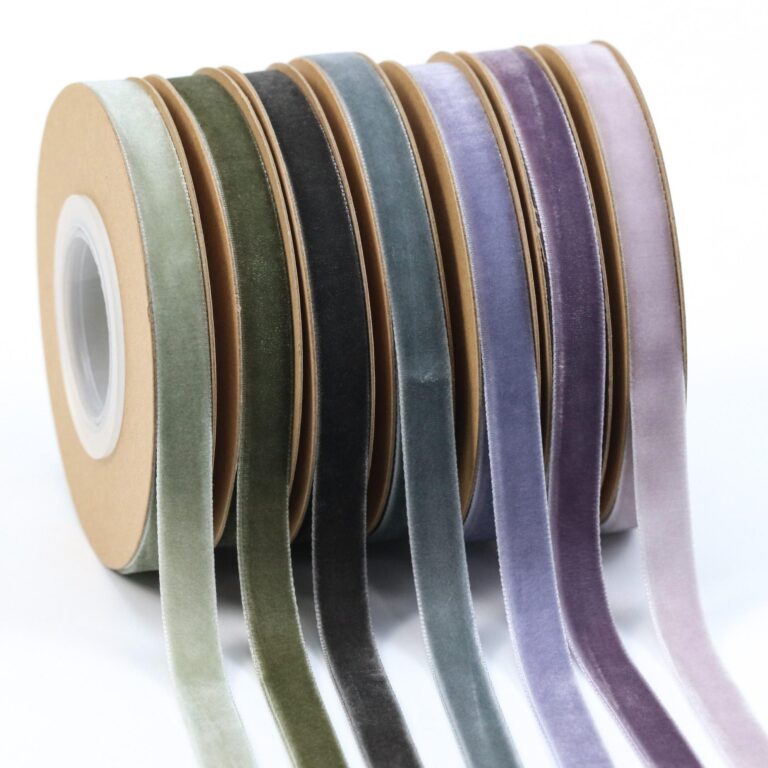 Wholesale Narrow Velvet Ribbon: Specs, Roll Length, and RFQ Checks
Check velvet pile direction, edge finish, cutting, tying, shade, and packout evidence before approving narrow velvet ribbon production.
Explore guide
Wholesale Narrow Velvet Ribbon: Specs, Roll Length, and RFQ Checks
Check velvet pile direction, edge finish, cutting, tying, shade, and packout evidence before approving narrow velvet ribbon production.
Explore guide
 Wholesale Satin Ribbon Sample Approval Workflow: Buyer Checklist
Wholesale Satin Ribbon Sample Approval Workflow — the checks that decide whether a quote, sample, or shipment can…
Explore guide
Wholesale Satin Ribbon Sample Approval Workflow: Buyer Checklist
Wholesale Satin Ribbon Sample Approval Workflow — the checks that decide whether a quote, sample, or shipment can…
Explore guide
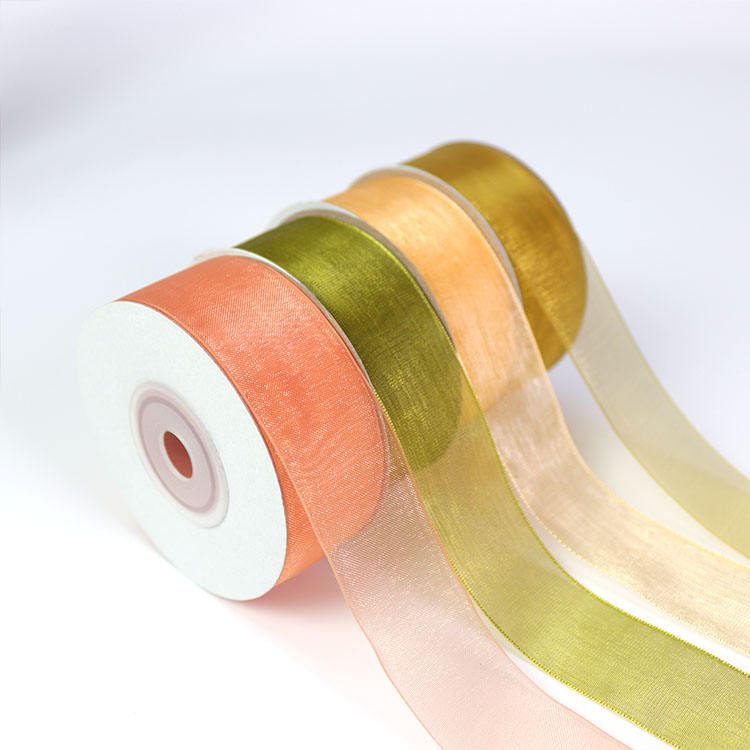 Organza Ribbon Sample Approval Workflow Before Bulk Production Buyer
 — the checks that decide whether a quote, sample,…
Explore guide
Organza Ribbon Sample Approval Workflow Before Bulk Production Buyer
Organza Ribbon Sample Approval Workflow Before Bulk Production Buyer — the checks that decide whether a quote, sample,…
Explore guide
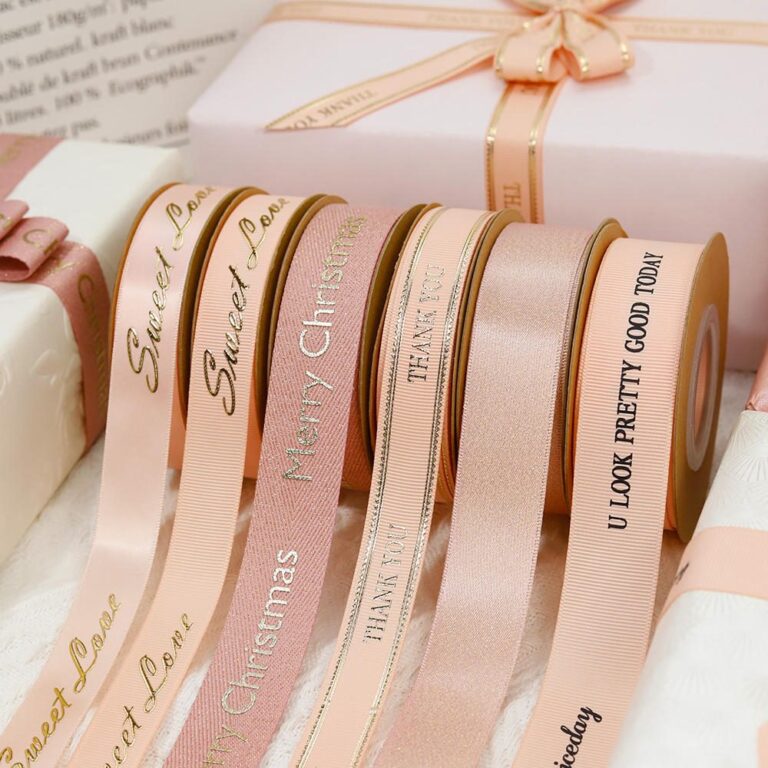 B2B Foil Ribbon Order Risk: Proof, Registration, Release
Buying foil printed ribbon: order risk control checklist? Verify artwork files, print method, color target, and sample approval…
Explore guide
B2B Foil Ribbon Order Risk: Proof, Registration, Release
Buying foil printed ribbon: order risk control checklist? Verify artwork files, print method, color target, and sample approval…
Explore guide
Leave a comment
Share a sourcing question or feedback on this guide. The Lude team reviews submissions before following up.