


Wholesale Ribbon Spool Core Winding Tension Sample Checklist Buyer
Use this checklist to compare sample approval, color tolerance, QC checks, and factory capability against one written approval record before bulk
Unit price alone is a weak signal: material, structure, print, packing, and timing all change the supplier answer.
Ask specifically what material, structure, artwork, packing, and proof must be confirmed before sampling—and request commercial numbers in writing.
Use the checkpoints to compare quote assumptions, sample proof, and follow-up actions across factories.
Direct answer: For ribbon spool core winding tension sample checklist, release the order only after the intended use, approved construction, test record, commercial terms, and sign-off responsibility all match. If one item remains unresolved, return it to the responsible buyer or supplier before bulk production.
Copy this ribbon spool core winding tension sample checklist approval record into the RFQ file. Keep every checked item on the same revision before releasing the order.
- ☐ Final specification and intended use
- ☐ Supplier feasibility and documented exceptions
- ☐ Sample or inspection evidence
- ☐ Commercial assumptions, owner, decision, and date
Move the ribbon spool core winding tension sample checklist order forward only when each gate leaves written evidence for the next. Return an unresolved specification, sample, or quote exception to its owner before bulk production.
Define the Spool and Dispensing Requirement
Start Define the Spool and Dispensing Requirement with evidence for ribbon spool core winding tension sample checklist:
- Verify the supplier's winding tension range matches the buyer's approved specification for the ribbon spool core. Inconsistent tension causes ribbon breakage or uneven dispensing during high-speed production, leading to line stoppages and material waste. Request the supplier's written tension log for the sample batch and compare the recorded range against the buyer's RFQ-confirmed force threshold. Approving a sample with unverified tension can result in tooling damage and rejected bulk orders, increasing rework costs. Document the tension range in the approval record and flag any deviation exceeding the buyer's tolerance for re-inspection.
- Confirm the supplier's equipment can produce the specified core inner diameter and flange width consistently. Deviations in core dimensions prevent the spool from fitting the dispensing machine, causing downtime and potential damage to the unwind mechanism. Ask the supplier for a calibration certificate for the mandrel and winding machine used, and compare the sample dimensions to the buyer's spec sheet. Accepting a spool with incorrect core dimensions leads to costly machine adjustments or full batch rejection. Require the supplier to submit dimensional inspection data for each sample before proceeding to unwind testing.
- Check that the supplier's winding process includes a documented splice integrity test. Weak or poorly aligned splices break under production line speed, causing ribbon jams and unplanned stoppages that delay order fulfillment. Request the supplier's splice test protocol and ask for a video or signed record of the splice being pulled at the buyer's target tension. Without splice verification, the buyer risks accepting a sample that fails during high-speed dispensing, leading to emergency reorders. Include a splice integrity checkpoint in the sample approval gate and reject any sample without documented test results.
- Verify that the supplier's tension meter is calibrated and the calibration date is within the manufacturer's recommended interval. An uncalibrated meter produces inaccurate tension readings, making it impossible to replicate the approved winding tension across production runs. Request the calibration certificate for the tension meter used during the sample run and confirm the calibration date is current. Relying on uncalibrated equipment can cause batch-to-batch tension variation, leading to inconsistent ribbon quality and buyer disputes. Add a clause to the RFQ requiring the supplier to provide a calibration certificate with each sample or production batch.
Specify Core Flange and Roll Dimensions
For ribbon spool core winding tension sample checklist, treat Specify Core Flange and Roll Dimensions as a release rule: approve only when the supplier evidence matches the written requirement.
- Supplier confirms core inner diameter, flange width, and roll OD per RFQ. Signed specification sheet listing each dimension with measured tolerance. Supplier quality or production team. Mismatched spool dimensions cause line stoppage or machine jams.
- Winding tension is consistent from core start to outer layer. Tension log from the production run showing setting per spool and date. Supplier QC or winding operator. Variable tension leads to ribbon snagging, edge curl, or splice failure during dispensing.
- Supplier can produce the spool at the quoted MOQ per color and width. Written MOQ statement per spool design, batch, or color, and sample fee terms. Supplier sales or account manager.
- Production sample is taken from a completed batch, not a hand-made unit. Batch production record or packing video showing the sample spool from the run. Supplier production or QC lead. A hand-prepared sample masks factory repeatability issues, leading to bulk rejection.
Additional RFQ items include supplier has equipment to control winding tension at the specified speed. Equipment list or photo of winding machine with tension control capability. Supplier engineering or production manager. Without dedicated tension control, the supplier cannot guarantee consistent spool quality.
Use OEM and ODM ribbon development to align the related specifications and RFQ inputs.
RFQ checkpoint
Confirm the route, specs, proof requirements, and quote step before sampling ribbon spool core winding tension sample checklist.
Inspect Winding Alignment and Tension
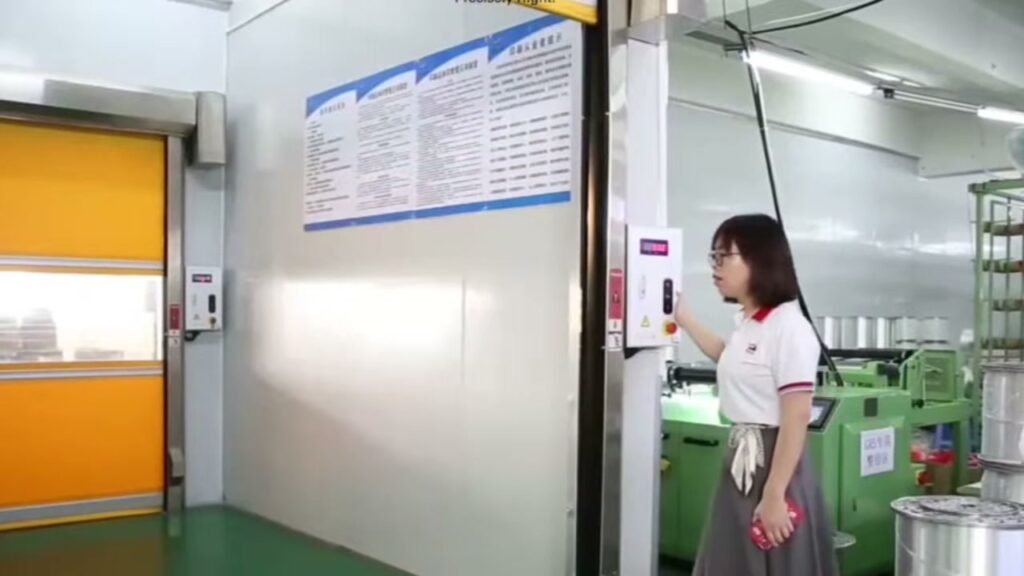
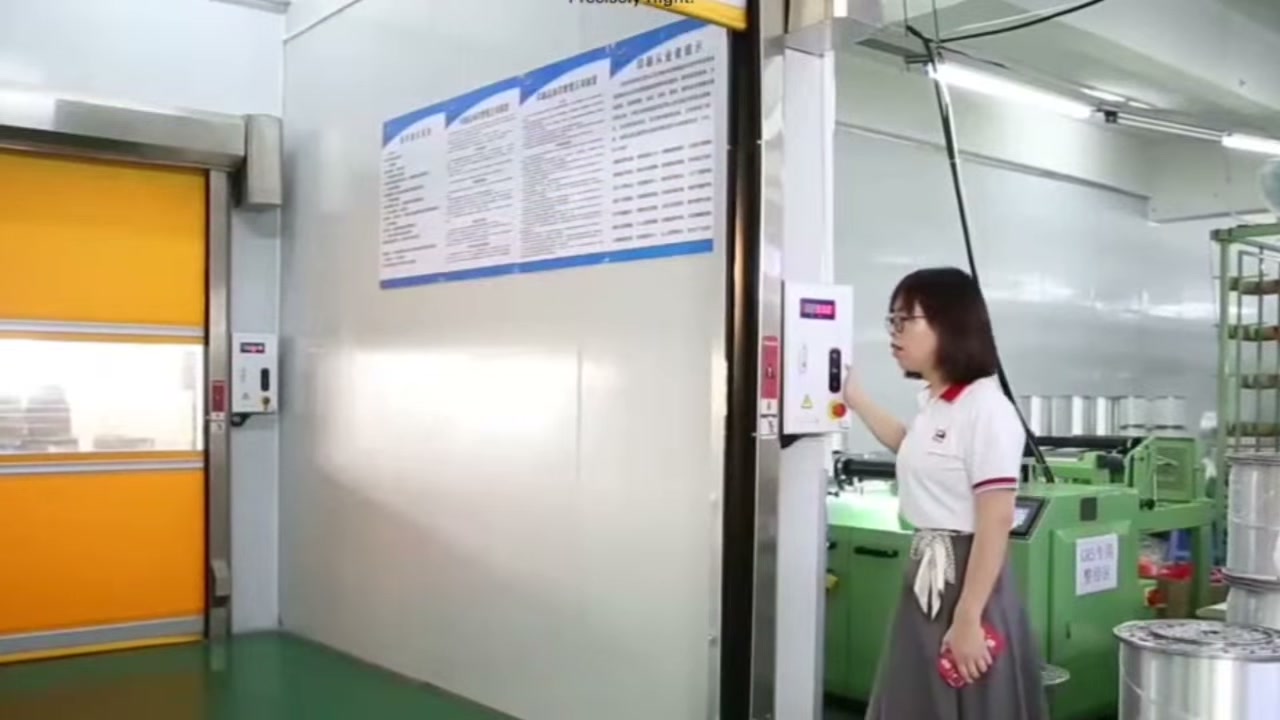
- Does the supplier have documented winding alignment and tension control capability? Confirms the supplier can produce spools that unwind consistently at your specified dispensing speed without edge curl or splice failure. Supplier provides a signed tension log from a production run listing the setting per spool and date of manufacture, with values within your RFQ range. A supplier without documented tension control may deliver spools that snag, tear, or misalign, causing production line stoppages and material waste. Request the tension log and compare recorded values against your RFQ-specified range before sample approval.
- What verification method do you use to inspect winding alignment and tension on production spools? Ensures the supplier has a repeatable QC step—not just a hand-prepared sample—to catch misalignment or tension drift before shipment. Supplier describes a controlled unwind test at your stated speed, with a pass/fail check for splice hold, edge fray, and tension consistency from core to outer wrap. Without a documented verification method, you may approve a sample that cannot be replicated in bulk, leading to costly rework or rejected lots. Ask the supplier to share their written QC procedure for winding alignment and tension, and confirm it matches your RFQ requirements.
- What is the approval risk if the winding alignment or tension is off-spec on the production run? Quantifies the commercial impact of a misaligned spool—production downtime, splice failure, or edge damage—so you can set a clear rejection threshold. Supplier acknowledges that off-spec tension can cause ribbon breakage or uneven dispensing, and commits to rework or replace any spool that fails the unwind test. Approving a spool with incorrect tension may result in line stoppages, increased scrap, and missed delivery deadlines, eroding your production efficiency. Document the rejection criteria in your sample checklist and confirm the supplier’s rework process before bulk release.
- What buyer follow-up is needed after the winding alignment and tension inspection? Ensures the inspection result is recorded and linked to the order, so the same tension settings are used on reorders and the supplier cannot drift. Supplier provides a signed-off inspection report with the tension values, date, and operator name, and stores it under the same revision number as the sample approval. Without a follow-up record, the supplier may change winding settings on subsequent orders, causing inconsistent quality and repeated approval delays. Archive the inspection report with the sample approval form and RFQ, and ask the supplier to confirm no changes to tension calibration before the next order.
Use custom printed ribbon to align the related specifications and RFQ inputs.
Run Unwind Splice and Edge Checks
When a ribbon spool fails during high-speed dispensing, the root cause is often hidden in the unwind behavior and splice integrity. The buyer must verify that the sample can be unwound at the target line speed without snagging, breaking, or edge fraying. The control is a structured unwind-and-splice test that simulates production conditions.
Use this practical checklist during sample evaluation:
- Unwind tension test: Confirm the ribbon releases from the spool core at a consistent tension across the first 10 meters. Record any sudden resistance or slack.
- Splice strength check: If the roll contains a splice, mark its location and pull the ribbon at a 90-degree angle. The splice must hold without separation under the same tension used in your production line.
- Edge inspection: Examine both edges of the ribbon under appropriate inspection magnification for loose fibers, uneven cuts, or fraying. Any defect can cause jams in automated winding or tying equipment.
Document the results in a simple pass/fail table:
| Check | Pass/Fail | Notes |
|---|---|---|
| Unwind tension consistency | ||
| Splice strength | ||
| Edge quality |
After completing the checks, share the recorded observations with the supplier as part of the RFQ confirmation. This step ensures that the sample matches the production unit and that any edge or splice issues are resolved before bulk order handoff.
See gift and retail packaging ribbon solutions for run unwind splice and edge checks.
Freeze Packing and Reorder Controls
At the freeze packing checkpoint, confirm that the supplier has submitted a signed proof of the final ribbon spool core winding tension specification. This proof must include the exact tension range (e.g., the buyer-approved force threshold) and the method used to verify it during production. Without this document, the sample cannot proceed to approval.
Supplier evidence to request
Request a written declaration from the supplier stating the winding tension applied to each spool, along with a calibration certificate for the tension meter used. This ensures the factory can consistently replicate the required tension across all production runs.
Sample approval evidence
Before approving the sample, verify that the winding tension matches the RFQ-confirmed requirement. Use a handheld tension gauge to measure at three points along the spool width. If the variation exceeds the buyer-approved force threshold, reject the sample and request a re-run.
Reorder control records
For reorders, require the supplier to provide a new tension verification report for each batch. Compare this report against the approved sample baseline. Any deviation beyond the agreed tolerance should trigger a quality hold and re-inspection.
| Checkpoint | Buyer Verification Question | Pass/Fail Criteria |
|---|---|---|
| Supplier proof | Does the supplier provide a signed tension specification and calibration certificate? | Pass if both documents are present and match RFQ. |
| Sample approval | Is the measured tension within the buyer-approved force threshold of the target across all points? | Pass if variation ≤ the buyer-approved force threshold; otherwise fail. |
| Reorder control | Does the reorder tension report match the approved sample baseline? | Pass if deviation is within agreed tolerance; otherwise hold. |
These controls reduce the risk of inconsistent winding tension, which can cause ribbon breakage or uneven dispensing during production. By freezing the packing and reorder process, you ensure every spool meets the same quality standard.
- Supplier proof checklist: ask for ribbon spool core winding tension sample sample records, production confirmation, QC checkpoints, and packing evidence before approval.
- Approval record: keep the approved ribbon spool core winding tension sample specification, reference files, material, sample version, and supplier confirmation in one file.
- RFQ handoff: make each supplier answer the same ribbon spool core winding tension sample requirements so price, lead time, and quality risk are comparable.
- Supplier capability context: verify the RFQ against satin ribbon, grosgrain ribbon, organza ribbon, velvet ribbon, metallic ribbon so the buyer compares the right production route.
Conclusion: Release the Order Only After the Evidence Matches the Approved Sample
The final approval for a ribbon spool order rests on a documented comparison between the supplier’s evidence and the buyer’s approved baseline. The procurement team must verify that the submitted sample—whether a pre-production unit or a batch pull—matches the written specification for core inner diameter, flange width, and winding tension range. The buyer should also confirm that the quoted MOQ, cost structure per spool type, and lead time align with the RFQ response, and that the supplier has provided a signed tension log and calibration certificate for the meter used during production. Any deviation in tension consistency, splice integrity, or edge condition should trigger a quality hold and a request for a re-run before bulk release.
To reduce supplier risk, the buyer must treat the sample approval as a gate that requires reconciliation of specification, cost drivers, and QC proof under one revision number. The approval record should include the supplier response, the marked sample, and the quoted assumptions, and the buyer should request a QC checkpoint report before bulk production begins. Only after the evidence matches the approved sample—covering tension range, unwind behavior, and packaging—should the order proceed. This approach ensures that every spool, from sample to reorder, starts from the same verified record and that the procurement decision is based on documented evidence rather than assumptions.
Ribbon Spool Core and Winding Tension Sample Checklist FAQ
What drawings and operating inputs should buyers send for ribbon spool core winding review?
Before sending an RFQ for ribbon spool core winding tension samples, a procurement buyer should compare the supplier’s written specification for core inner diameter, flange width, and winding tension range against the buyer’s own requirement. The buyer must also verify the quoted MOQ and cost structure per spool type, as these directly affect unit economics and order scheduling. Ask the supplier to confirm the lead time after specifications are finalized, and request a sample fee breakdown if applicable. To reduce supplier risk, include a clause requiring the supplier to document the tension meter calibration used during production and to provide a signed tension log with each sample. After receiving the quote, compare the supplier’s response against the RFQ baseline and request a pre-production sample for unwind and splice testing before committing to bulk production.
Which ribbon spool core winding sample checks and supplier records should buyers approve?
Before approving a ribbon spool core winding tension sample, the buyer must verify that the supplier has submitted a signed tension log from the production run, listing the exact tension setting per spool and the date of manufacture. The buyer should then run a controlled unwind test at the target dispensing speed to confirm the splice holds, the ribbon edge does not fray or curl, and the tension remains stable from the core to the outer wrap. Reject any hand-prepared sample and request a production sample taken from a completed batch to ensure repeatable factory execution. Document the approval record with the supplier response, the marked sample, and the quoted assumptions under one revision number. Only approve the sample after reconciling the specification, cost drivers, and QC proof with the buyer’s baseline, and confirm that the lead time aligns with the standard production timeline after specifications are confirmed. Confirm MOQ and order quantity by color, width, artwork, and packing route.
What ribbon spool core winding settings and traceability details should be frozen for production?
For a B2B procurement of wired ribbon, the buyer should request the supplier’s written specification covering material type (e.g., satin, grosgrain, organza), width tolerance, color target (PMS or lab dip), finish options, and customization capabilities such as custom printing or edge stitching. The buyer must verify the MOQ and cost structure per width and finish type, and confirm the lead time after specifications are finalized. To reduce supplier risk, ask the supplier to provide a sample that includes a tension log and a calibration certificate for the tension meter used during winding. Before bulk release, compare the sample against the approved specification and run a controlled unwind test at the target dispensing speed to confirm the splice holds and the ribbon edge does not fray or curl. Document the approval record with the supplier response, the marked sample, and the quoted assumptions under one revision number.
RFQ handoff: Confirm the route, specs, proof requirements, and quote step before sampling ribbon spool core winding tension sample checklist. Send Specs for Review.
Keep exploring
Recommended buyer guides
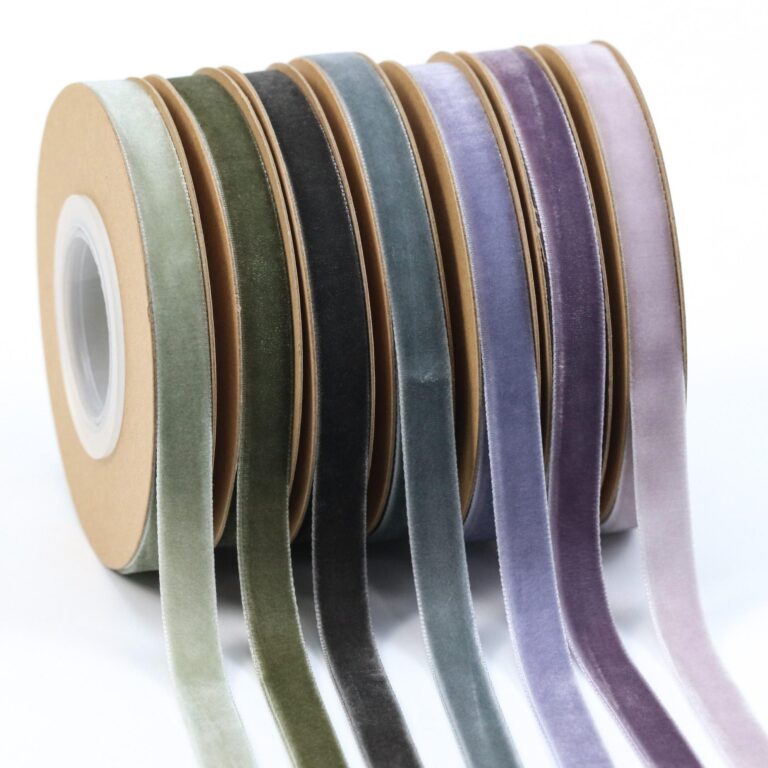 Wholesale Narrow Velvet Ribbon: Specs, Roll Length, and RFQ Checks
Check velvet pile direction, edge finish, cutting, tying, shade, and packout evidence before approving narrow velvet ribbon production.
Explore guide
Wholesale Narrow Velvet Ribbon: Specs, Roll Length, and RFQ Checks
Check velvet pile direction, edge finish, cutting, tying, shade, and packout evidence before approving narrow velvet ribbon production.
Explore guide
 Wholesale Satin Ribbon Sample Approval Workflow: Buyer Checklist
Wholesale Satin Ribbon Sample Approval Workflow — the checks that decide whether a quote, sample, or shipment can…
Explore guide
Wholesale Satin Ribbon Sample Approval Workflow: Buyer Checklist
Wholesale Satin Ribbon Sample Approval Workflow — the checks that decide whether a quote, sample, or shipment can…
Explore guide
 Organza Ribbon Sample Approval Workflow Before Bulk Production Buyer
 — the checks that decide whether a quote, sample,…
Explore guide
Organza Ribbon Sample Approval Workflow Before Bulk Production Buyer
Organza Ribbon Sample Approval Workflow Before Bulk Production Buyer — the checks that decide whether a quote, sample,…
Explore guide
 B2B Foil Ribbon Order Risk: Proof, Registration, Release
Buying foil printed ribbon: order risk control checklist? Verify artwork files, print method, color target, and sample approval…
Explore guide
B2B Foil Ribbon Order Risk: Proof, Registration, Release
Buying foil printed ribbon: order risk control checklist? Verify artwork files, print method, color target, and sample approval…
Explore guide
Leave a comment
Share a sourcing question or feedback on this guide. The Lude team reviews submissions before following up.