


Quality Color Control: Product Selection Checklist
Quality Color Control: what to check on sample approval, color tolerance, and QC checks before placing a custom order
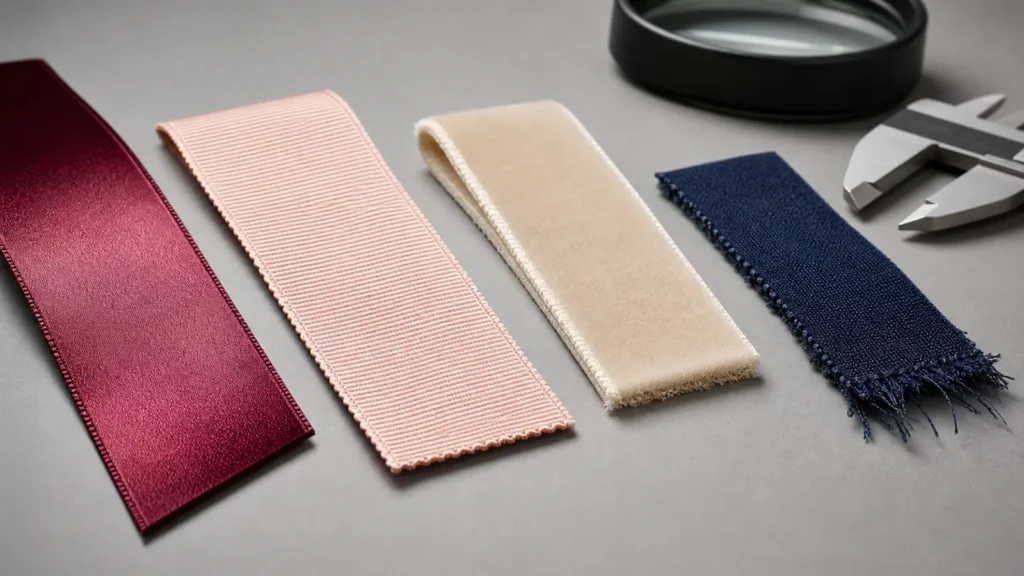
The sourcing record for quality color control: product selection is incomplete until it identifies the right product type, structure, material, or specification.
Some substrates hold color more consistently than others. Selecting for color stability narrows the material list before anything else does.
Direct answer: For quality color control: product selection, buyers should choose the right product type, structure, material, or specification.
Define the Buyer Requirement
Compare Define the Buyer Requirement for quality color control against one RFQ revision. Each row should identify the requirement, approval evidence, and buyer action before production.
| Requirement | Factory control | Evidence to verify | Order risk | RFQ follow-up |
|---|---|---|---|---|
| Color and dye-lot control | Supplier must submit dye-lot certification and spectrophotometer data per batch. | Compare delivered ribbon against approved physical standard under buyer-approved viewing conditions. | Mismatched dye-lots cause rejected finished goods and reorder delays. | Request dye-lot continuity plan and approval of master standard. |
| Sample approval | Pre-production sample must match signed-off standard within buyer-approved color tolerance. | Measure sample with spectrophotometer; retain sealed reference for production. | Unapproved samples lead to shipment holds and cost overruns. | Approve sample in writing; request duplicate for production hold. |
| MOQ and order quantity | Supplier confirms MOQ per material, print, width, and packing configuration. | Request written MOQ schedule with lead time and split shipment options. | Committing below MOQ triggers renegotiation or delayed production. | Confirm MOQ in RFQ; negotiate volume break for reorder. |
For quality color control, use Define the Buyer Requirement as the decision scope. Read the rows as one approval sequence. Start with color and dye-lot control; use the risk and buyer-action columns to decide whether its evidence is sufficient. Verify it with the inspection method and approval evidence recorded in the table.
For this quality color control sourcing record, keep the supplier response, marked sample, and approval owner under the same revision number. If any proof conflicts with the approved record, hold the quote, sample, or production release until the supplier explains the deviation in writing. Before closing the checkpoint, reconcile the latest drawing, sample, quotation, and approval comments, identify which record controls if they disagree, and document the resolution. Carry the signed Define the Buyer Requirement table into the purchase order and production handoff so the same checks support quote comparison, sample approval, shipment release, and later reorders.
Compare the Available Routes
| Option | Best fit | Trade-off | Risk to avoid | Verification | Follow-up |
|---|---|---|---|---|---|
| Current specification (existing color reference) | Repeat orders using an approved physical sample or Pantone reference. | Fastest route but requires consistent lighting and sample storage. | Color drift over time if original sample degrades or is lost. | Compare production run against retained sample under buyer-approved viewing conditions. | Label and store the master sample in a light-proof folder. |
| Alternative specification (digital color code) | New orders where only a digital code (e.g., CMYK, Lab) is available. | Eliminates sample shipping but requires calibrated monitors and proof. | Lab-to-print tolerance may vary by substrate and ribbon products weave. | Request a digital proof on the exact ribbon product before bulk. | Confirm the printer's profiling matches your color space. |
| Safer fallback (standard color from catalog) | Projects with tight timelines or when color consistency is critical. | Limited color choices but eliminates matching risk entirely. | Fallback color may not match brand guidelines exactly. | Verify the catalog color under your own lighting before commit. | Order a swatch set from the standard range to approve. |
For current specification (existing color reference), a poor decision can mean color drift over time if original sample degrades or is lost. Ask the supplier to compare production run against retained sample under buyer-approved viewing conditions, then label and store the master sample in a light-proof folder.
For quality color control, preserve the current specification (existing color reference) decision under one revision number: keep the supplier response, marked sample, approved specification, quotation, and approval owner together. If the evidence conflicts with the approved record, hold the quote, sample, or production release until the deviation is explained in writing. Carry that signed Compare the Available Routes record into the purchase order, production handoff, shipment release, and later reorder review so every team works from the same baseline.
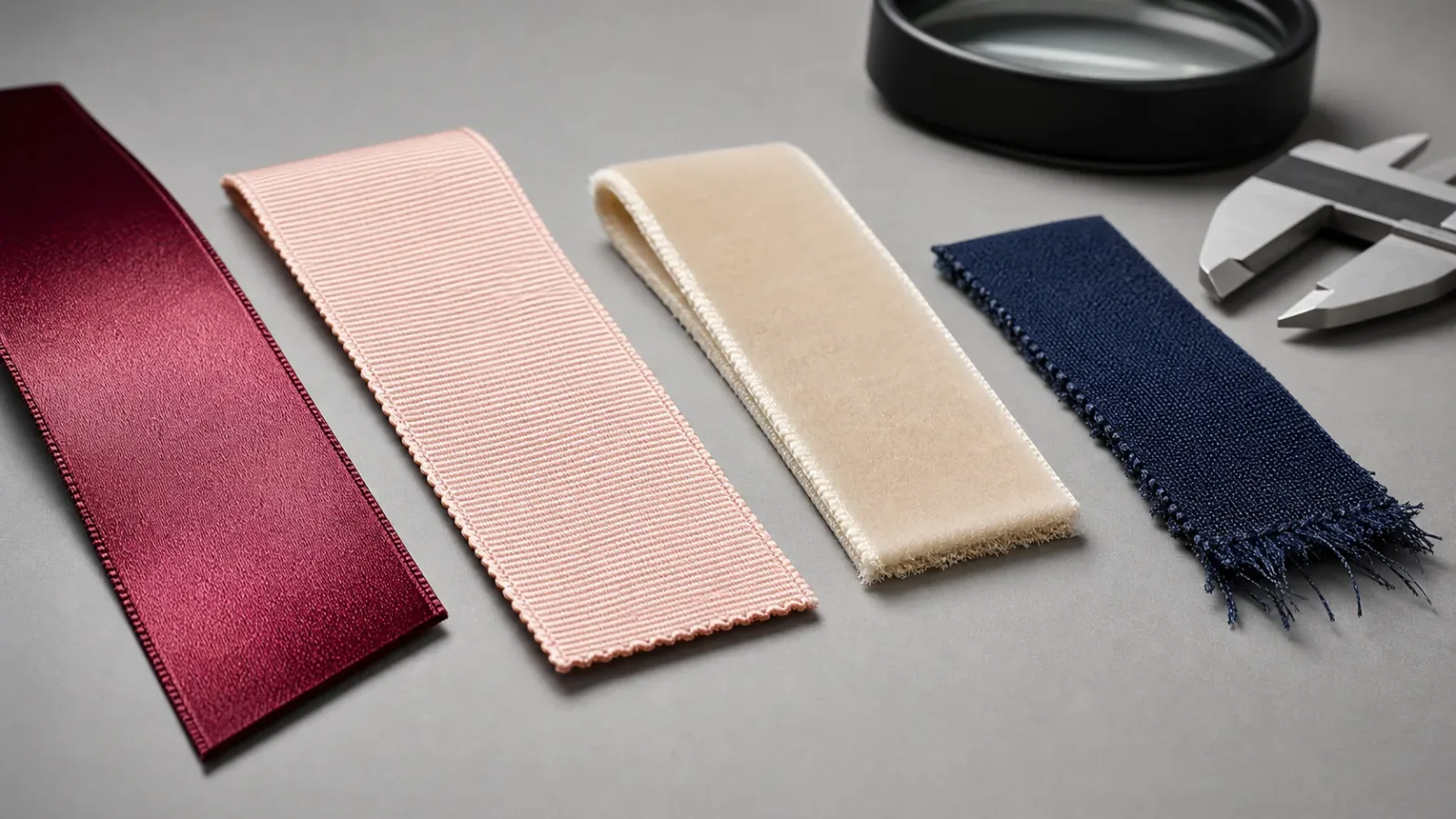
Review the Required Proof
A physical or digital proof—such as a Pantone reference, spectrophotometer reading, or strike-off ribbon sample—serves as the binding specification between your RFQ and production. Without this record, color acceptance becomes subjective.
Use this practical checklist to evaluate each proof:
- Specs: Confirm the proof matches your target color standard (e.g., Pantone TPX/TCX, L*a*b* values) and substrate type.
- Cost or MOQ: Verify if the proof fee is included in the sample cost or billed separately; note any minimum order quantity tied to the approved proof.
- Production risk: Check for metamerism—does the color shift under different lighting? Request a buyer-approved viewing conditions/illuminant A comparison.
- Factory execution: Ensure the factory uses calibrated equipment (e.g., Datacolor or X-Rite systems) and can replicate the proof across production runs.
- quote request/sample handoff: Attach the approved proof to your quote request and sample request; require a signed approval form to lock the color standard.
For custom printed ribbon, a physical strike-off is the most reliable proof. Review our custom printed ribbon proof process to see how we handle color matching.
Build the Decision Asset
At the supplier proof check checkpoint, the output must be a verified color standard record—either a physical swatch or a digital spectrophotometric reading—that confirms the supplier can match your target within buyer-approved color tolerance. This proof eliminates guesswork before moving to sample approval.
Supplier evidence to request
Request a color standard from each shortlisted supplier. Compare it against your reference using a calibrated device (e.g., Datacolor). Reject any supplier whose first submission exceeds buyer-approved color tolerance—this indicates poor process control. Document the result as a pass/fail record.
Sample approval evidence
Once a supplier passes the proof check, move to sample approval. Require a production-run sample, not a hand-made prototype. Measure the sample under buyer-approved viewing conditions and log the L*a*b* values. Approve only if the sample is within buyer-approved color tolerance of the standard and shows no metamerism under at least two light sources.
Reorder control records
For reorders, the decision asset is a retained physical standard from the last approved batch. Before placing a new order, have the supplier submit a fresh sample against that standard. If the buyer-approved color tolerance is exceeded, trigger a root-cause review. This prevents drift without requiring a full requalification.
| Checkpoint | Required Output | Risk Addressed |
|---|---|---|
| Supplier proof | Color standard record (buyer-approved color tolerance) | Wrong supplier selection |
| Sample approval | Production sample (buyer-approved color tolerance) | Color mismatch at scale |
| Reorder control | Retained standard vs. fresh sample (buyer-approved color tolerance) | Batch-to-batch drift |
Use this decision asset to hand off from quote request to sample approval with confidence. For more on integrating color control into your packaging workflow, see our gift and retail packaging ribbon solutions.
Prepare Comparable RFQ Inputs
- Does the supplier have a spectrophotometer for color measurement on every production run? Verifies the supplier can measure color objectively, not just rely on visual inspection. Supplier confirms a calibrated spectrophotometer is used for each batch and provides a delta-E report with every shipment. Without instrument-based control, color drift between lots can exceed acceptable tolerance, causing rework or rejection. Request the supplier’s spectrophotometer calibration certificate and ask for a sample delta-E report before quote request.
- What is the supplier’s process for approving a color standard before bulk production? Ensures the supplier has a documented approval gate that prevents production on an unapproved standard. Supplier requires a signed physical or digital color standard approval before any bulk material is ordered or cut. Without a formal approval step, the supplier may start production on an incorrect color match, leading to full-lot rejection. Include a color standard approval step in the quote request timeline and require a signed approval form before production release.
- Does the supplier retain a physical color standard from the last approved bulk run for reorder matching? Confirms the supplier can match color on reorders without starting from scratch, reducing lead time and risk. Supplier archives a sealed physical standard per SKU and uses it as the reference for reorder production. Without a retained standard, reorders may drift from the original color, causing brand inconsistency and customer complaints. Ask the supplier to provide a photo of the archived standard and confirm it is stored in a light-protected, temperature-controlled area.
- How does the supplier handle color approval for multi-location or multi-supplier programs? Reveals whether the supplier can maintain color consistency across different production sites or subcontractors. Supplier uses a single digital color standard shared across all locations and performs inter-site spectrophotometer correlation. Color variation between sites can result in mismatched ribbons or bows in the same shipment, causing returns or markdowns. Request the supplier’s inter-site color correlation report and a list of all production locations covered by the same standard.
- What is the supplier’s tolerance for color variation (delta-E) on bulk production? Defines the acceptable color range before the supplier considers a batch non-conforming, which directly impacts your brand consistency. Supplier states a clear delta-E threshold and provides measurement data per lot. Without a stated tolerance, the supplier may ship batches that are visually acceptable to them but outside your brand’s color standard. Specify your required delta-E tolerance in the quote request and ask the supplier to confirm they can meet it with supporting data.
Source check: ISO 2859-1 sampling inspection standard; Quality Evidence Before Shipment: What Buyers Should Ask Chines…; Color Paste Procurement Pitfall Avoidance Guide: Full-Process Q….
In conclusion
The final approval for quality color control comes down to verifying that every check on your product selection checklist has been documented and compared against your original quote request. Before you shortlist a supplier, confirm that the color standard, tolerance range, and measurement method are locked into the spec sheet and that the supplier’s proof matches your physical standard. This handoff from quote request to sample approval is the moment to validate the spec, approve a sample, and document the decision asset—ensuring cost, MOQ, and lead time risks are addressed before production begins.
To request a quote for this order, use quality and color control to confirm the final specification, quote assumptions, sample approval, QC evidence, approval risk, and supplier follow-up before bulk order.
Frequently Asked Questions
How should a b2b buyer choose product type?
Shortlist product types by matching your packaging application to the supplier’s core process—for example, custom printed ribbon requires a specific print method, width, and material that directly affect cost and MOQ. Verify that the supplier can produce your chosen type by requesting a specification sheet and comparing it against your quote request, then confirm the MOQ and lead time in writing before moving to sample approval.
Which supplier proof should buyers request for quality color control?
Request a physical strike-off or color standard from each shortlisted supplier, not a digital simulation, because fabric and ribbon substrates can shift color under different lighting. Compare the proof against your approved color standard under buyer-approved viewing conditions daylight, document any deviation, and use that record to decide whether the supplier can meet your tolerance before committing to a production sample.
What should buyers lock before approving product selection checklist?
Lock the product specification, color standard, and acceptable tolerance range in writing before approving the selection checklist—this includes material, width, print method, and any finishing details. Require a production sample that matches the approved proof, verify it against your physical standard, and confirm the lead time and minimum order are still valid before you issue the purchase order. Ask the supplier to confirm factory capability and who owns follow-up.
quote request handoff: Send Specs for Review.
Keep exploring
Recommended buyer guides
 Wholesale Foil Printing vs Screen Printing Ribbon: Buyer Comparison
Foil printing vs screen printing ribbon: side-by-side on artwork files, print method, color target, and sample approval. Pick…
Explore guide
Wholesale Foil Printing vs Screen Printing Ribbon: Buyer Comparison
Foil printing vs screen printing ribbon: side-by-side on artwork files, print method, color target, and sample approval. Pick…
Explore guide
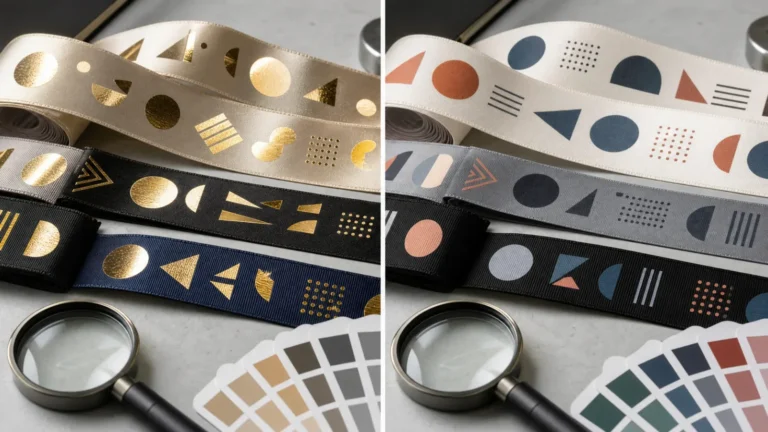 Organza Ribbon Sheer Finish and Print Comparison for Custom Orders
 — the checks that decide whether a quote,…
Explore guide
Organza Ribbon Sheer Finish and Print Comparison for Custom Orders
Organza Ribbon Sheer Finish and Print Comparison for Custom Orders — the checks that decide whether a quote,…
Explore guide
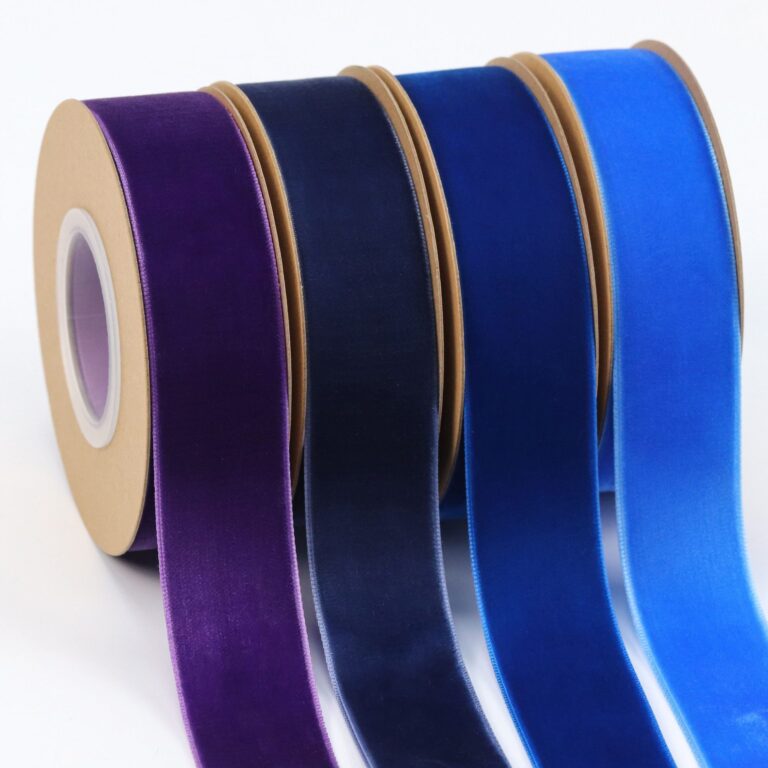 Velvet Ribbon Pile and Finish Comparison for Custom Orders Buyer
: what to confirm on material, MOQ, sample checks,…
Explore guide
Metallic Ribbon Finish Comparison for Custom Orders: Buyer Checklist
Metallic Ribbon Finish Comparison for Custom Orders: what to confirm on material, dimensions, finish, and handling before you…
Explore guide
Velvet Ribbon Pile and Finish Comparison for Custom Orders Buyer
Velvet Ribbon Pile and Finish Comparison for Custom Orders Buyer: what to confirm on material, MOQ, sample checks,…
Explore guide
Metallic Ribbon Finish Comparison for Custom Orders: Buyer Checklist
Metallic Ribbon Finish Comparison for Custom Orders: what to confirm on material, dimensions, finish, and handling before you…
Explore guide
Leave a comment
Share a sourcing question or feedback on this guide. The Lude team reviews submissions before following up.