


Quality Color Control: Buyer Use-Case Fit Checklist
Quality Color Control: what to check on sample approval, color tolerance, and QC checks before placing a custom order
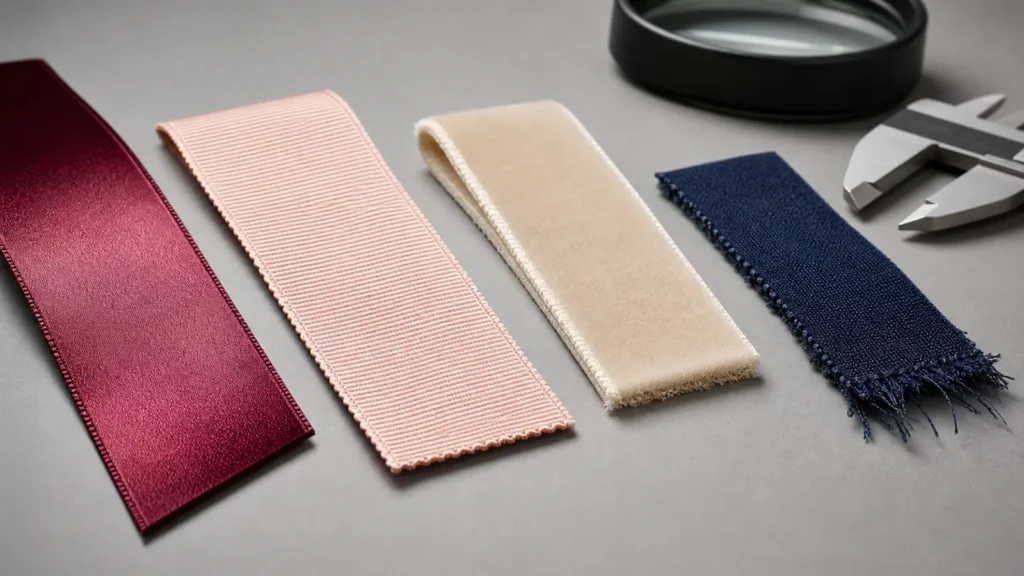
The sourcing record for quality color control: buyer use-case fit is incomplete until it translates the use case into packaging specs, risks, and RFQ questions.
How tight your color control needs to be depends on whether the ribbon sits next to a printed box. Adjacent color is what exposes a mismatch.
Direct answer: For quality color control: buyer use-case fit, buyers should translate an industry use case into packaging specs, risks, and RFQ questions.
Define the Buyer Requirement
| Application | Fit condition | Risk to avoid | Specification or proof | Follow-up |
|---|---|---|---|---|
| Branded gift box ribbon with PMS color match | Solid-color satin or grosgrain ribbon; single PMS target per SKU | Dye-lot variation between production runs causes visible mismatch on shelf | PMS reference number plus physical lab dip approved under buyer-approved viewing conditions | Request lab dip against PMS chip; hold approval until signed off under standard illuminant |
| Multicolor jacquard ribbon for seasonal packaging | Woven jacquard with up to four specified yarn colors per repeat | Yarn-dye lots shift across warps; repeat alignment drifts after wash-down | Strike-off on production loom with color-position map and wash-test swatch | Approve strike-off against color-position map; document acceptable delta per yarn |
| Recloseable ribbon spool for distributor inventory | Ribbon wound on core with consistent tension; no telescoping or edge damage | Loose wind or telescoping causes jam in automated dispensing and return claims | Winding tension spec (grams) and spool-end photo from each production carton | Confirm winding tension in RFQ; inspect first carton spool ends before line release |
For branded gift box ribbon with pms color match, a poor decision can mean dye-lot variation between production runs causes visible mismatch on shelf. Request written proof and compare it with the approved sample or specification, then request lab dip against pms chip; hold approval until signed off under standard illuminant.
For quality color control, preserve the branded gift box ribbon with pms color match decision under one revision number: keep the supplier response, marked sample, approved specification, quotation, and approval owner together. If the evidence conflicts with the approved record, hold the quote, sample, or production release until the deviation is explained in writing. Carry that signed Define the Buyer Requirement record into the purchase order, production handoff, shipment release, and later reorder review so every team works from the same baseline.
- Printed color must match the approved PMS standard within a buyer-approved color tolerance agreed at sample stage. Signed color standard reference (PMS chip or spectrophotometer reading) and the approved lab dip or strike-off. Supplier quality or sample-room team provides the signed reference; buyer retains the approved dip. Without a fixed tolerance, bulk ribbon can drift, causing brand rejection and reorder delays. Add the buyer-approved color tolerance and reference method to the RFQ spec sheet before sample approval.
- Bulk production color consistency is verified by in-line spectrophotometer checks at the print head. In-line QC log or batch report showing buyer-approved color tolerance readings for each production roll or lot. Supplier QC department provides the log; buyer can request a sample of the report format. Without in-line checks, color drift can go undetected until final inspection, wasting time and material. Request a sample QC report format and confirm the check frequency (every roll or every hour).
- Color approval is gated by a signed physical sample before any bulk production starts. Signed approval document (email or form) with the sample reference number and date. Buyer signs and returns the approval; supplier files it as the production release gate. Skipping signed approval lets production run on verbal OK, risking a full lot rejection later. Set a written rule: no bulk start without a signed approval document in the order file.
- Supplier can match color across multiple print methods (offset, flexo, digital) on the same ribbon substrate. Cross-method color comparison report or sample set showing the same PMS on each print type. Supplier technical or pre-press team prepares the comparison; buyer reviews for consistency. Different print methods on the same ribbon can shift color visibly, breaking multi-SKU brand uniformity. Request a cross-method color sample set during the quote request stage and compare under buyer-approved viewing conditions.
Compare the Available Routes
When you receive a color measurement report (e.g., a delta-E reading from a calibrated spectrophotometer), you replace subjective judgment with a verifiable pass/fail decision. This evidence is the foundation of any quality color control program. Below is a practical checklist to compare the three common routes for achieving color consistency in ribbon products and bow production.
| Route | Specs & Equipment | Investment Level | Production Risk | Factory Execution | RFQ/Sample Handoff |
|---|---|---|---|---|---|
| In-House Spectrophotometer | Tight delta-E tolerance, daily calibration | High upfront cost | Low (immediate feedback) | Requires trained operator | Provide own measurement report |
| Supplier Color Report | Supplier’s spectrophotometer, reported delta-E | No capital cost | Medium (reliability varies) | Audit supplier’s process | Request report with each sample |
| Third-Party Lab Verification | Independent lab, certified equipment | Per-test fee | Low (independent verification) | Send samples; wait for results | Include lab report in RFQ |
Use this checklist during your next quote request: confirm the spectrophotometer model, ask for calibration logs, and request a delta-E tolerance in writing.
quote request checkpoint
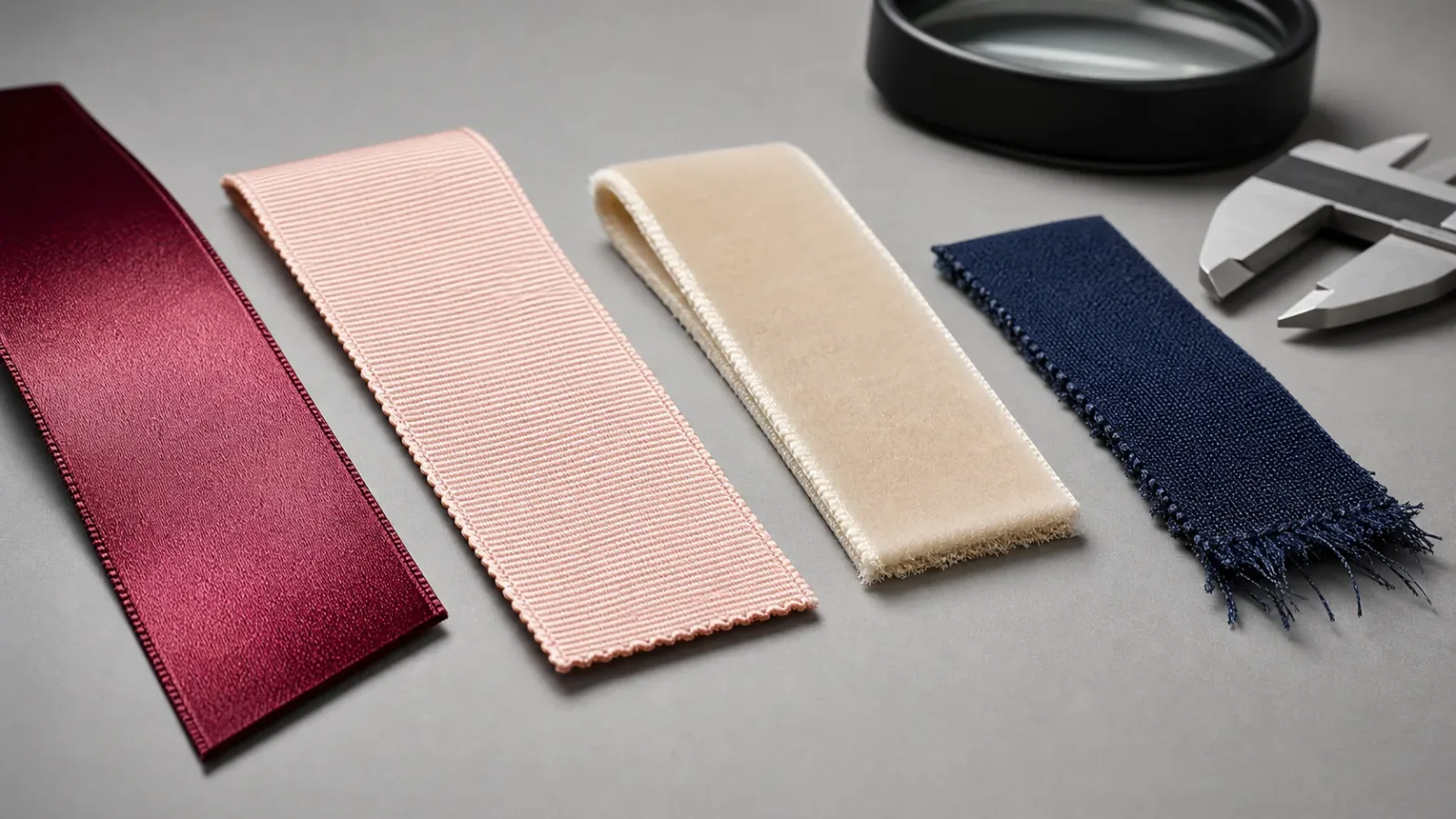
Review the Required Proof
For quality color control, use a release rule: approve only when the supplier evidence matches the written requirement.
- gift and retail packaging ribbon solutions: Verify the proof's delta-E tolerance against your PMS or brand standard A mismatch at proof stage forces re-spooling and delays; cost impact can be significant Document the approved delta-E range on the proof; reject any deviation before bulk run
- custom ribbon and bow programs: Check that the proof includes the exact material width, print method, and color laydown Missing spec details cause approval rework and risk a non-compliant shipment that must be reordered at full cost Compare proof spec sheet to your quote request line items; flag any omission to the supplier
- quality color control for branded packaging: Confirm the proof was measured on the same spectrophotometer model used for production QC Different instruments yield different readings; a small delta-E discrepancy can hide a costly color failure Request the instrument make, model, and last calibration date; shortlist only suppliers with matched equipment
- retail packaging procurement: Verify the proof's lighting condition (buyer-approved viewing conditions, TL84, or A) matches your store or display environment Color that passes under one light can fail under another, triggering returns and markdowns at your cost Approve the proof under all three standard light sources; document the pass/fail for each
Build the Decision Asset
When a buyer cannot verify whether a supplier’s color control process actually matches the specification, the risk of off-shade production increases. A decision checklist prevents this by creating a structured checklist that aligns supplier proof, sample approval, and reorder control into a single decision framework.
Supplier evidence to request
Verify that the factory’s color measurement equipment (e.g., spectrophotometer) is calibrated and that delta-E tolerances are documented in the quote request. This reduces production risk by ensuring the supplier can execute the required spec before any sample is made.
Sample approval evidence
During sample handoff, compare the physical sample against the written color target using a standardized viewing booth. A pass/fail criterion based on the agreed delta-E threshold reduces ambiguity and sets a clear cost baseline for rework.
Reorder control records
For repeat orders, confirm that the factory retains the approved reference sample and uses the same measurement conditions. This prevents drift in color consistency and avoids unexpected MOQ adjustments due to re-approval delays.
Prepare Comparable RFQ Inputs
At this process checkpoint, you must have a finalized color specification document—including acceptable delta-E tolerances, illuminant, and observer angle—before issuing the quote request. Without standardized inputs, supplier quotes become incomparable and color risk unmanageable.
- Specify measurement conditions: Confirm that every supplier will use the same instrument geometry (e.g., d/8° sphere) and color space (CIELAB). Ask: “What is your standard measurement protocol for this material?”
- Define pass/fail criteria: State the maximum allowable delta-E and whether you require CMC or CIE2000 tolerance. Verify the supplier can report both sample and standard readings.
- Include substrate and finish details: Provide the exact material type, surface texture, and any coating or lamination. A matte vs. gloss finish can shift readings.
- Request a color control plan: Ask for the supplier’s quality checkpoints—incoming material, production, final inspection—and how often they recalibrate spectrophotometers.
- Mandate a physical sample handoff: Require a sealed, labeled production-standard sample (e.g., 4″×4″ swatch) alongside the quote request response. This becomes the reference for all future approvals.
Use the table below to cross-check each quote request response against your baseline requirements before proceeding to sample evaluation.
| RFQ Input Element | Buyer Verification Question | Supplier Evidence Required |
|---|---|---|
| Measurement geometry | Do you use d/8° sphere or 45°/0°? | Instrument model and last calibration date |
| Color tolerance | What buyer-approved color tolerance threshold do you apply? | Written QC specification |
| Substrate & finish | Is the sample on the exact production material? | Material data sheet and surface treatment note |
| Quality checkpoints | How many in-process color checks per batch? | Process flow diagram with measurement points |
| Physical sample | Is a sealed reference swatch included? | Sample ID and storage condition |
Once all quote request inputs match your checklist, you can confidently compare quotes on cost, MOQ, and production risk without color variability obscuring the decision.
For quality color control, use OEM and ODM ribbon development to align the applicable specification, proof record, supplier responsibility, and quote request handoff before comparing quotes.
In conclusion
The final approval for a quality color control program comes down to verifying that every supplier can document their process from spec to shipment. Compare each candidate’s written color target, acceptable tolerance, and calibration schedule against your baseline requirement before you request a quote. Shortlist only those suppliers that provide a clear release rule and a retained reference sample for repeat orders, then validate the spec during sample handoff to lock in consistent color across your packaging program.
To request a quote for this order, use quality and color control to confirm the final specification, quote assumptions, sample approval, QC evidence, approval risk, and supplier follow-up before bulk order.
Frequently Asked Questions
How should a b2b buyer match industry use case?
Shortlist suppliers that have documented color programs for your specific material (ribbon, bow, or packaging). Check that their spectrophotometer calibration logs match your required delta-E tolerance, and compare their past use-case references against your product’s width, print method, and volume. Approving the wrong structure or supplier proof can create quality, cost, or delivery problems.
Which supplier proof should buyers request for quality color control?
Request a color control process document showing equipment type, calibration frequency, and pass/fail criteria. Verify that the supplier retains approved physical standards for repeat orders, and ask for a delta-E report from their last production run on a similar material. Confirm MOQ and lead time for sample approval in your quote request. Approving the wrong structure or supplier proof can create quality, cost, or delivery problems.
What should buyers lock before approving buyer use-case fit checklist?
Lock the written color target (PMS, L*a*b*, or spectral curve), the acceptable delta-E range, and the lighting standard (buyer-approved viewing conditions or TL84). Document the sample approval procedure, including who signs off and how the reference sample is stored. Include these terms in your quote request and verify them during the first sample inspection. Ask the supplier to confirm factory capability and who owns follow-up. Approving the wrong structure or supplier proof can create quality, cost, or delivery problems.
quote request handoff: Send Specs for Review.
Keep exploring
Recommended buyer guides
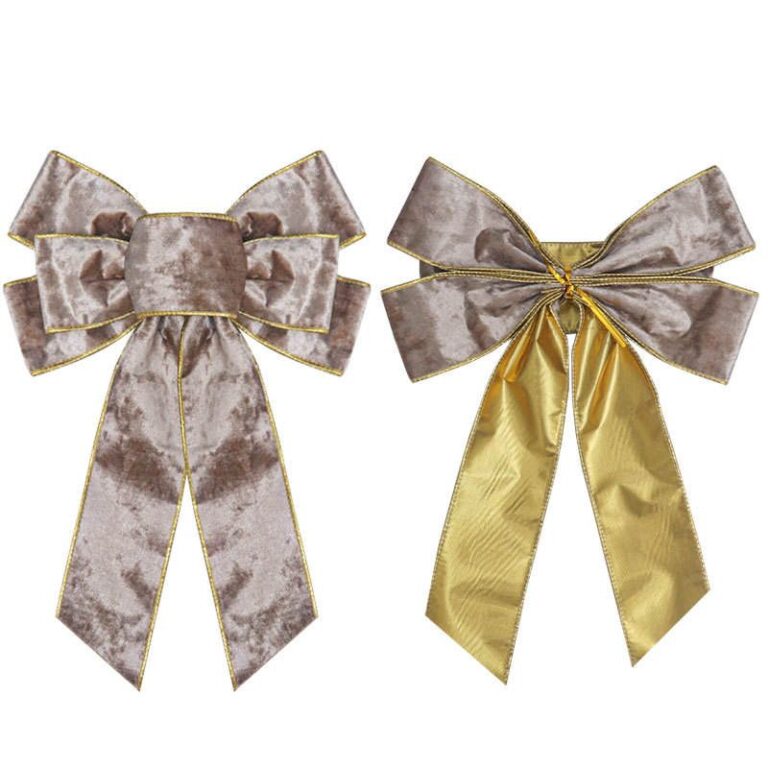 Pre-Tied Bows for Retail Packaging: When They Reduce Labor and Rework
See when pre-tied bows reduce retail packaging labor, improve consistency, and simplify bulk packing, SKU planning, and reorders
Explore guide
Pre-Tied Bows for Retail Packaging: When They Reduce Labor and Rework
See when pre-tied bows reduce retail packaging labor, improve consistency, and simplify bulk packing, SKU planning, and reorders
Explore guide
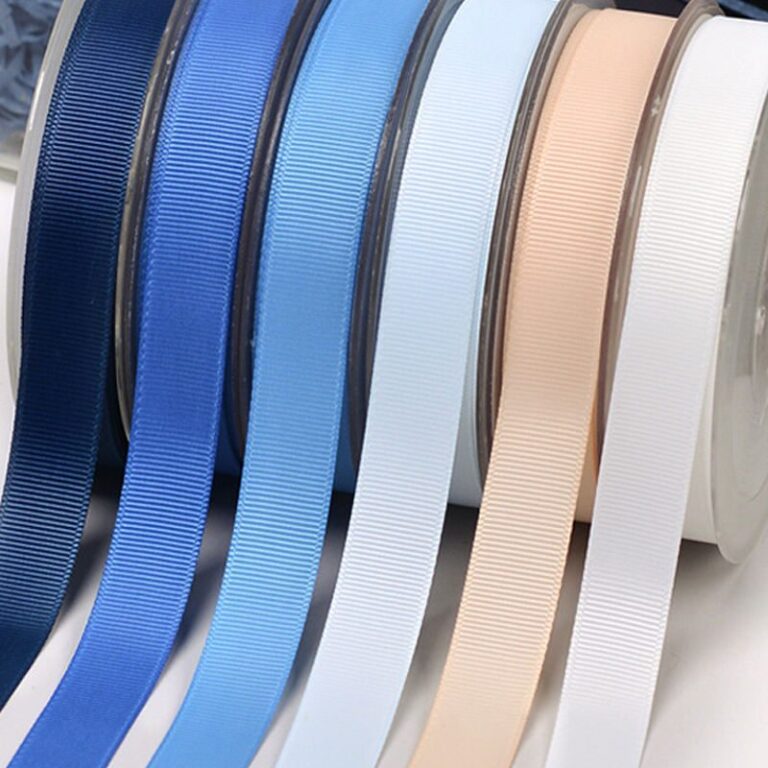 Wholesale Grosgrain Ribbon Rolls: Specs, Roll Length, and RFQ Checks
Buying Grosgrain Ribbon Rolls? Verify sample approval, color tolerance, QC checks, and material to reduce quoting errors and…
Explore guide
Wholesale Grosgrain Ribbon Rolls: Specs, Roll Length, and RFQ Checks
Buying Grosgrain Ribbon Rolls? Verify sample approval, color tolerance, QC checks, and material to reduce quoting errors and…
Explore guide
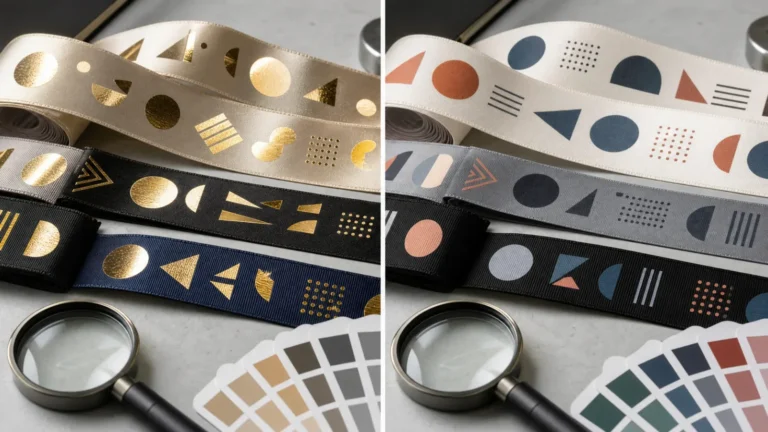 Wholesale Foil Printed Ribbon: Use-Case Fit and RFQ Checklist
Buying foil printed ribbon: buyer use-case fit checklist? Verify artwork files, print method, and color target to reduce…
Explore guide
Wholesale Foil Printed Ribbon: Use-Case Fit and RFQ Checklist
Buying foil printed ribbon: buyer use-case fit checklist? Verify artwork files, print method, and color target to reduce…
Explore guide
 Grosgrain Ribbon Width Guide: Width choice for packaging and bows
Grosgrain Ribbon Width Guide: what to check on artwork files, print method, color target, and material before placing…
Explore guide
Grosgrain Ribbon Width Guide: Width choice for packaging and bows
Grosgrain Ribbon Width Guide: what to check on artwork files, print method, color target, and material before placing…
Explore guide
Leave a comment
Share a sourcing question or feedback on this guide. The Lude team reviews submissions before following up.