


Printed Award Ribbons: Print/artwork checks
Step-by-step: Printed Award Ribbons. Check artwork files, print method, color target, and sample approval to avoid delays, rework, or approval surprises
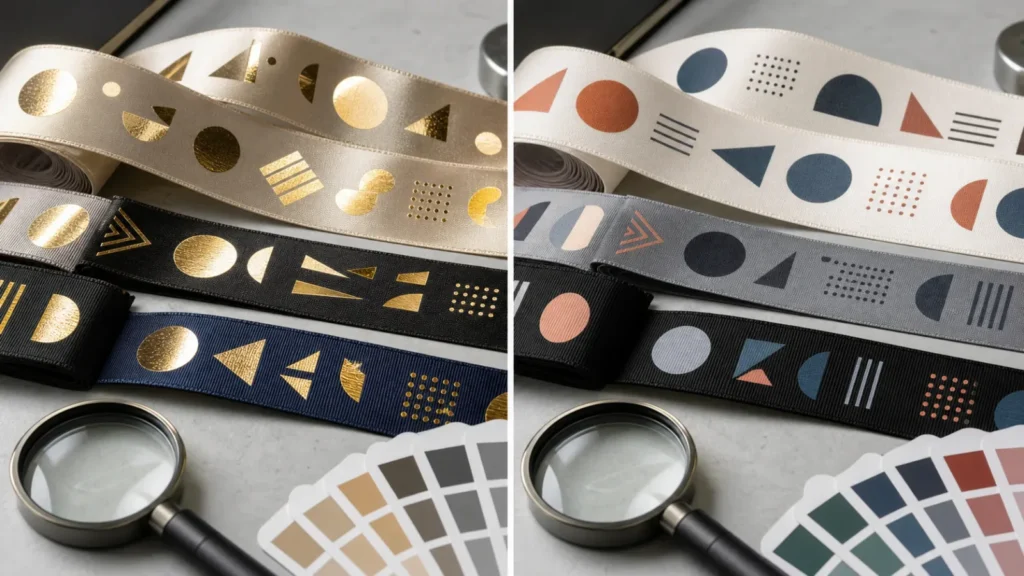
Quotes drift when artwork files, print targets, material choice, finishing, and sample sign-off live in separate messages.
Quote review should connect the design file to physical sample evidence before print or finish is approved.
Use this guide to decide what to send, what to sample, and what proof to keep before bulk production.
Direct answer: Release printed award ribbons only after artwork revision, production material, finish sample, packing proof, and commercial terms are approved together.
What buyers must define before approving printed award ribbons
Before sampling, the buyer must have a written specification that covers material, width, color target, artwork file, print method, and packing format. Without this document, the supplier cannot produce a quote or sample that matches the intended award use. The risk is a sample that looks correct at the factory but fails color, registration, or durability checks under event lighting.
| What to Confirm | Risk to Avoid | Verification Method | Buyer Follow-Up |
|---|---|---|---|
| Material and width | Wrong substrate causes drape, print adhesion, or durability failure | Request a material spec sheet and measure width at three points on the sample | Document the approved material and width tolerance in the RFQ |
| Color target and artwork file | Color mismatch or logo misplacement leads to sample rejection | Provide a Pantone reference and vector artwork; ask for a digital proof on a to-scale ribbon background | Approve the proof in writing before the sample order |
| Print method and finish | Unverified method causes registration drift or poor edge sharpness | Ask the supplier to state the proposed method and confirm it on the actual ribbon substrate | Record the method and any limitations in the RFQ |
| Packing and quantity | Wrong pack-out causes handling damage or event setup delays | Specify roll length, core size, and carton configuration; request a pre-production packing sample | Approve the packing sample before bulk production |
After the specification is locked, the buyer can request a quote that itemizes cost by material, print method, and packing. Compare the supplier’s written response against the approved spec. For lead time, confirm that the 15–20 business day production window starts after the sample is approved. Use the Custom Award Ribbons With Logo: Logo placement and approval guide to align artwork placement and approval before moving to sample production.
- Confirm the buyer-facing requirement and approval owner.
- Check material, width, artwork, color target, quantity, packing, and deadline assumptions.
- Approve the sample or proof before bulk production and keep the record for reorders.
Artwork file and proofing requirements
A physical sample that matches the approved artwork proof is the only verifiable signal that a supplier can reproduce your design in bulk. Without a proof that matches the artwork file and a sample that matches the proof, the buyer cannot confirm the supplier’s capability for printed award ribbons. The risk is approving a sample that looks correct on screen but fails color, registration, or finish under production light.
| Question | Why to ask | Risk reduced | Expected answer or proof | buyer follow-up |
|---|---|---|---|---|
| What file formats do you accept for artwork? | Ensures the supplier can open your vector file without losing quality. | Prevents artwork rejection that delays sample and production. | Accepted formats: AI, EPS, PDF, CDR, with fonts outlined. | Send the artwork file in the required format and request a digital proof. |
| How do you match color to the approved reference? | Color drift is a common cause of sample rejection. | Avoids approving a sample that looks different under event lighting. | Supplier uses a dated spectrophotometer and provides a color reading report. | Request a physical color swatch or lab dip before bulk sample. |
| Will you provide a printed proof on the actual ribbon material? | A digital proof alone cannot show how ink behaves on the ribbon. | Reduces risk of registration shift, ink bleed, or poor opacity. | A strike-off or sample printed on the same material and width as the production order. | Compare the strike-off against the approved artwork and sign off in writing. |
| What is your proof approval process before sample production? | A defined gate prevents moving to sample without buyer sign-off. | Avoids producing a sample that does not match the approved artwork. | Written procedure: proof sent, buyer reviews, signed approval, then sample. | Document the approval date and attach it to the RFQ or sample order. |
Use these checks to shortlist suppliers who can provide a proof and sample that match your approved specification. For more on print method limits and substrate compatibility, see custom printed ribbon.
RFQ checkpoint
Check the product route for sizes, structures, materials, finishes, and RFQ details before sampling printed award ribbons.
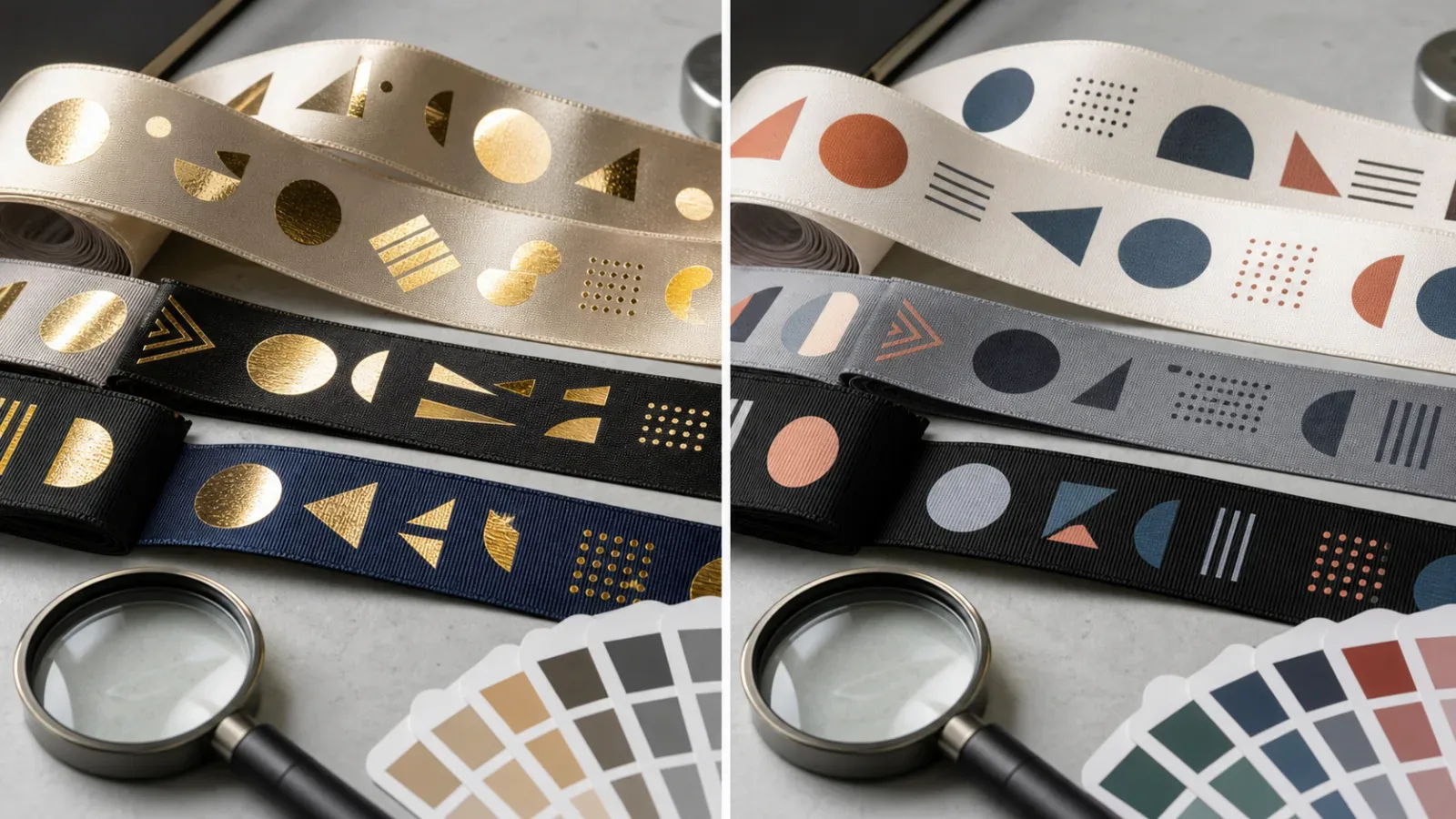
Sample approval workflow
The options differ in what the buyer must confirm before approving a sample for printed award ribbons. The core decision is whether the physical sample matches the approved specification for material, width, color target, artwork placement, print registration, and packing format. Without this alignment, the buyer risks approving a sample that cannot be reproduced in bulk, leading to color disputes, print defects, or delivery delays.
| Checkpoint | What to Confirm | Risk to Avoid | Proof to Request | Buyer Follow-Up |
|---|---|---|---|---|
| Material & width | Does the sample use the specified ribbon material and width? | Substitution can change drape, durability, and print adhesion. | Supplier material spec sheet and width measurement record. | Measure width at three points; compare to RFQ-confirmed tolerance. |
| Color target | Does the sample color match the approved Pantone reference under agreed lighting? | Color mismatch can cause brand rejection or event dissatisfaction. | Supplier color approval sample and written tolerance. | Compare sample under buyer-approved viewing conditions (e.g., daylight 6500K). |
| Artwork & print registration | Does the print align with the approved artwork file for logo placement, repeat spacing, and edge clearance? | Misregistration can cause cut-off logos or uneven repeats. | Supplier digital proof and physical strike-off on actual ribbon. | Measure logo position and repeat interval against approved artwork. |
| Packing format | Does the sample packing (roll, flat, or individual pack) match the RFQ requirement? | Wrong packing can cause damage, handling issues, or event setup delays. | Supplier packing specification and pre-shipment sample. | Inspect packing integrity and label content against purchase order. |
After completing these checks, document the approval with a dated record that includes the supplier response, marked sample, and approved specification under one revision number. If any evidence conflicts, hold the sample and request a revised strike-off before releasing the bulk order. Use this verified record as the baseline for production handoff and future reorder matching. For more on integrating sample approval into the wider buying path, see award and ceremony ribbon solutions.
production quality checkpoints
A supplier that documents QC gates for registration, adhesion, width, packing, and dye-lot control provides verifiable proof that the approved sample can be reproduced in bulk. Without written QC evidence, the buyer risks approving a sample that drifts in color, print alignment, or finish during production.
- Print registration and adhesion. Check: Does the supplier measure print alignment at the start and middle of each production run? Risk: Misaligned or peeling print under event lighting. Verify: Request the in-line inspection record for the first and last roll of the batch. buyer follow-up: Hold bulk release until the supplier provides a signed registration report.
- Width consistency and edge finish. Check: Does the supplier measure width at three points per roll? Risk: Width variation causes uneven hanging or framing mismatch. Verify: Ask for a width log from the production lot. buyer follow-up: Approve only when every roll falls within the RFQ-confirmed tolerance.
- Color and dye-lot control. Check: Does the supplier compare each production roll against the retained approved sample under controlled light? Risk: Dye-lot drift creates visible mismatch across multi-roll orders. Verify: Request a color spectrophotometer reading for the first and last roll. buyer follow-up: Reject any roll that deviates beyond the buyer-approved tolerance.
- Packing and roll integrity. Check: Does the supplier inspect roll ends for fraying and verify core inner diameter? Risk: Damaged ends or wrong core size cause line stoppages. Verify: Request a pre-shipment packing sample and winding record. buyer follow-up: Approve packing only after the sample matches the RFQ-confirmed core and roll format.
Document each QC gate under the same revision number as the approved sample and specification. Carry this record into the purchase order and production handoff. For custom construction or process changes that affect these checkpoints, review OEM and ODM ribbon development before bulk release.
Final approval checklist before RFQ or deposit
Release the RFQ or deposit only after the specification, sample, and commercial terms are aligned under one revision number. Without this alignment, the buyer risks approving a sample that drifts in color, print registration, or finish during production, leading to rejection or rework.
- Material and width — Confirm the exact substrate and width tolerance in the RFQ. Risk if missing: wrong material causes print adhesion failure or width mismatch.
- Color target and artwork file — Provide a Pantone reference and vector artwork. Risk if missing: color drift across production runs.
- Print method and MOQ — Print feasibility depends on substrate, artwork detail, color count, and quantity. Risk if missing: method chosen may not support the design at the required MOQ.
- Packing format and lead time — Specify roll length, core size, carton quantity, and label content. Risk if missing: packing inconsistencies cause line stoppages or customs delays.
Additional RFQ items include cost driver breakdown — Request a line-item quote showing cost by material, print method, packing, and any setup fees. Risk if missing: hidden costs inflate the final price.
Before approving the sample, measure the printed registration against the approved artwork using a calibrated loupe. If the registration shifts by more than the RFQ-confirmed tolerance, reject the sample and request a revised strike-off. For factory context behind these checks, review Lude Ribbon.
- Decision matrix: choose the printed award ribbons route only after product fit, customization scope, quote assumptions, sample approval, and reorder control are comparable.
- Best-for check: match the printed award ribbons route to the use case and approved specification before comparing price.
- Trade-off check: compare buyer control, development scope, cost drivers, lead-time assumptions, quality risk, and repeat-order consistency.
In conclusion
The final approval for printed award ribbons requires one verified record: the specification, sample, and commercial terms must be aligned under a single revision number. Without this, the buyer risks approving a sample that drifts in color, print registration, or finish during production, leading to rejection or rework.
Final buyer checks before moving forward: Before approving the sample, compare the physical ribbon against the approved specification for material, width, color target, artwork placement, print registration, and packing format. Verify that the supplier retains a sealed reference sample for future reorder matching. If any evidence conflicts, hold the sample and request a revised strike-off before releasing the bulk order.
Quote-ready inputs to prepare: Prepare the RFQ with the approved specification, artwork file, color target, quantity, packing format, and delivery timing. Ask the supplier to itemize cost by material, print method, and packing. Confirm that the production lead time starts after the sample is approved. A supplier that cannot provide a written cost breakdown or clear lead-time commitment signals hidden cost or delay risk.
Supplier or sample action to take next: Request a physical sample that matches the approved artwork proof. This is the only verifiable signal that the supplier can reproduce your design in bulk. After the sample is approved, document the approval with a dated record that includes the supplier response, marked sample, and approved specification under one revision number. Carry this record into the purchase order and production handoff. For more on integrating sample approval into the wider buying path, see award ribbons and sashes.
Printed award ribbons FAQ
What should buyers confirm before ordering printed award ribbons in bulk?
Before ordering, confirm that the specification covers material, width, color target, artwork file, print method, and packing format. Without this written document, the supplier cannot produce a quote or sample that matches the intended award use. The risk is a sample that looks correct at the factory but fails color, registration, or durability checks under event lighting. Verify each item against the approved spec before moving to sample production.
How should buyers compare MOQ, lead time, and quote terms?
Compare each supplier’s MOQ by product type, sample fee and turnaround, standard production lead time, and reorder terms. A supplier that clearly states these terms upfront reduces quote delays and approval risk. Missing or vague terms signal that the supplier may change conditions after the order is placed. For lead time, confirm that the production window starts after the sample is approved.
What sample, quality, or supplier checks reduce risk?
Request a physical sample that matches the approved artwork proof. This is the only verifiable signal that a supplier can reproduce your design in bulk. Without a proof that matches the artwork file and a sample that matches the proof, the buyer cannot confirm the supplier’s capability. The risk is approving a sample that looks correct on screen but fails color, registration, or finish under production light. Use these checks to shortlist suppliers who can provide a proof and sample that match your approved specification.
Keep exploring
Recommended buyer guides
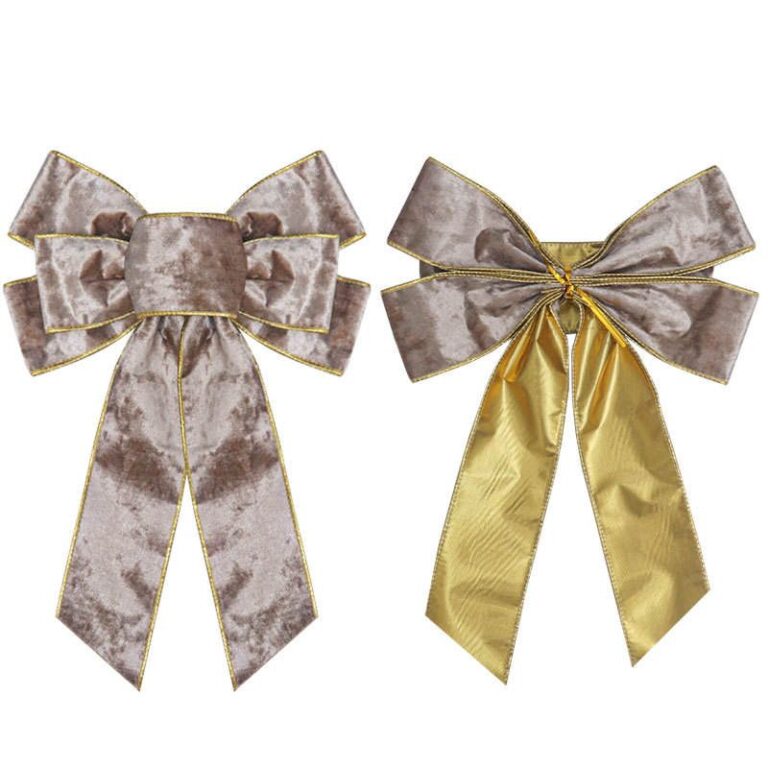 Pre-Tied Bows for Retail Packaging: When They Reduce Labor and Rework
See when pre-tied bows reduce retail packaging labor, improve consistency, and simplify bulk packing, SKU planning, and reorders
Explore guide
Pre-Tied Bows for Retail Packaging: When They Reduce Labor and Rework
See when pre-tied bows reduce retail packaging labor, improve consistency, and simplify bulk packing, SKU planning, and reorders
Explore guide
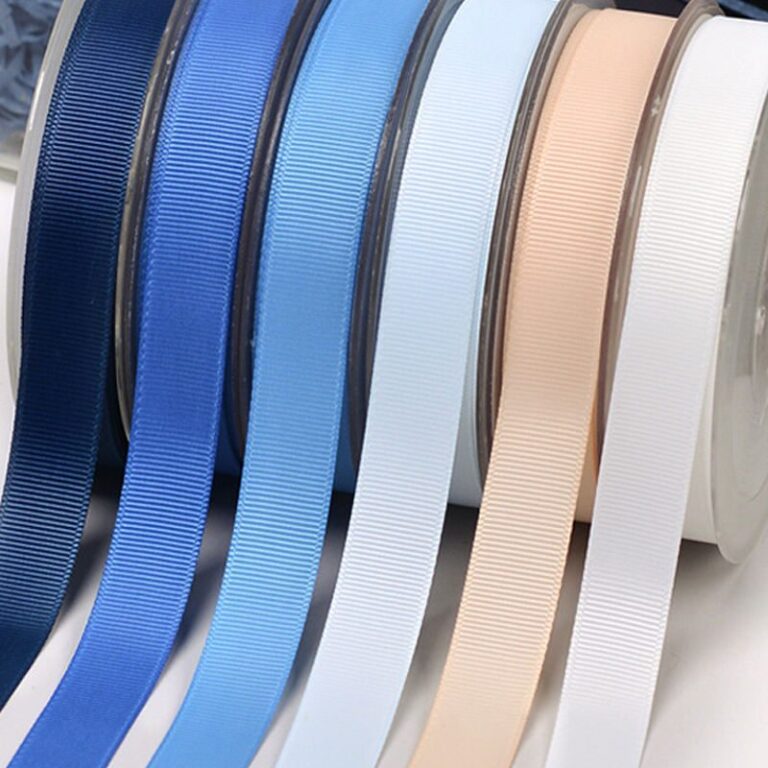 Wholesale Grosgrain Ribbon Rolls: Specs, Roll Length, and RFQ Checks
Buying Grosgrain Ribbon Rolls? Verify sample approval, color tolerance, QC checks, and material to reduce quoting errors and…
Explore guide
Wholesale Grosgrain Ribbon Rolls: Specs, Roll Length, and RFQ Checks
Buying Grosgrain Ribbon Rolls? Verify sample approval, color tolerance, QC checks, and material to reduce quoting errors and…
Explore guide
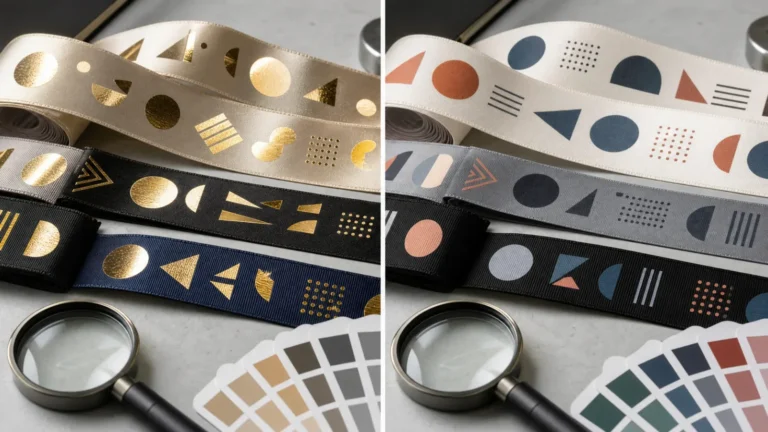 Wholesale Foil Printed Ribbon: Use-Case Fit and RFQ Checklist
Buying foil printed ribbon: buyer use-case fit checklist? Verify artwork files, print method, and color target to reduce…
Explore guide
Wholesale Foil Printed Ribbon: Use-Case Fit and RFQ Checklist
Buying foil printed ribbon: buyer use-case fit checklist? Verify artwork files, print method, and color target to reduce…
Explore guide
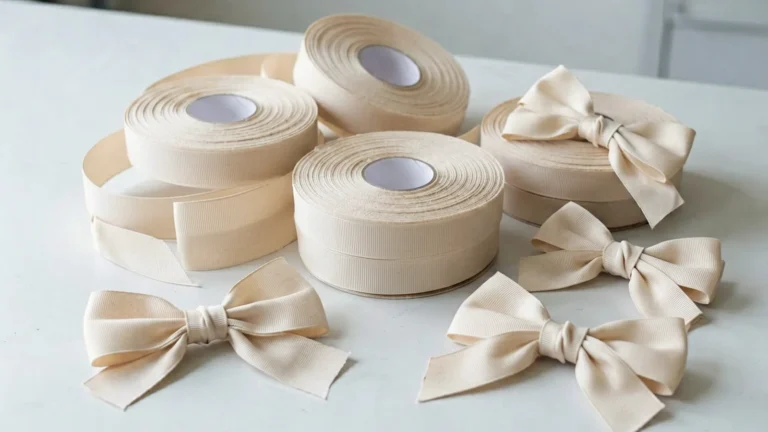 Grosgrain Ribbon Width Guide: Width choice for packaging and bows
Grosgrain Ribbon Width Guide: what to check on artwork files, print method, color target, and material before placing…
Explore guide
Grosgrain Ribbon Width Guide: Width choice for packaging and bows
Grosgrain Ribbon Width Guide: what to check on artwork files, print method, color target, and material before placing…
Explore guide
Leave a comment
Share a sourcing question or feedback on this guide. The Lude team reviews submissions before following up.