


Poly Satin Ribbon Buying Guide: Finish, Cost, and Use-Case Fit
Compare poly satin ribbon by finish, MOQ, setup fees, unit cost, packing, and RFQ checks for retail packaging, branding, or event orders.

For gift packaging buyers, retail packaging buyers, cosmetics and perfume brands, wine and festive decoration buyers, event accessory companies, award and ceremony organizers, importers, wholesalers, poly satin ribbon becomes expensive when the buyer only compares surface details. A vague spec, missing quote input, weak sample check, or unclear supplier responsibility can change cost, delay approval, or create reorder problems.
Expert note: The Lude Ribbon editorial team works with ribbon manufacturing, sampling, printing, quality control, and export service specialists to create practical B2B buying guides.
This article helps you turn a vague purchase need into clear criteria, specs, risks, and quote inputs. You will see what to check, why it matters commercially, what risk to watch for, and what action to take before quote, sample, or bulk order approval.
Choose poly satin ribbon when the order depends on smooth sheen, repeatable color, flexible decoration, and predictable bulk supply rather than heavy texture or wired shaping.
When this option fits B2B orders
Poly satin ribbon fits retail packaging, gift sets, cosmetic boxes, event favors, and promotional bundles where buyers need a polished face, broad color choice, and a stable cost base. It is usually easier to scale than silk-look specialty ribbon, and it works well when the buyer can approve material, width, color, and packing before production starts.
| Buying situation | Poly satin fit | Main trade-off | Next buyer action |
|---|---|---|---|
| Retail gift packaging | Strong fit when smooth shine and repeat color matter | Needs sample approval for color and tying behavior | Confirm width, finish, roll length, and packing before quote |
| Logo printed packaging ribbon | Good fit when artwork is simple enough for narrow ribbon | Ink coverage and repeat distance can change print clarity | Send vector artwork and request a printed sample |
| Structured bows or display shapes | Limited fit if the bow must hold a sculpted form | Wired-edge ribbon may perform better for shape retention | Test the actual bow style before bulk approval |
Best-fit buyer scenarios
Use it when the ribbon must look clean on shelf, tie consistently by hand or machine, and repeat across reorder batches. Typical B2B cases include branded gift wrapping, product hangtags, floral packaging, subscription boxes, and seasonal retail displays. If the order also needs a logo, pair the material choice with the custom printed ribbon workflow so artwork, ink coverage, and print position are approved before bulk cutting.
Cases where another option is safer
Choose grosgrain when the buyer wants more texture and grip, organza when transparency matters, velvet when the package needs a heavier premium handfeel, and wired-edge ribbon when bows must hold a sculpted shape. Poly satin is less suitable when the buyer expects a matte tactile surface, rigid bow loops, or a deliberately rustic look.
RFQ inputs to confirm before selection
The RFQ should state width, color reference, finish, printing need, roll length, packing method, target quantity, delivery window, and whether a pre-production sample is required. When the buyer uses textile color standards, reference Pantone Color Systems for Textiles in the approval file so the color target is visible to both purchasing and production teams. For a broader material reference, link the buyer to the satin ribbon product options page, then use the RFQ to lock the exact poly satin configuration for the order.
The lowest quote is not useful until the buyer confirms the same material, width, finish, color target, roll length, packing, and approval standard.
Key specs buyers should compare
A poly satin ribbon quote should be compared as a specification package, not as a price per roll only. Two offers can look similar while hiding different roll lengths, carton packing, color references, print coverage, or sample assumptions.
Material, width, and finish requirements
Ask whether the ribbon is single-face or double-face satin, the exact width, the requested sheen, and the intended use. A narrow gift tie, a garment hangtag loop, and a wide retail bow do not behave the same in production. If the ribbon touches product packaging, confirm whether edge softness, fray control, and surface smoothness are part of the approval check.
Printing, color, and artwork controls
For logo work, define print method, artwork file format, logo repeat distance, ink color, and acceptable placement tolerance; the related custom printed ribbon page is the right internal reference for that workflow. For solid-color ribbon, provide a Pantone or physical swatch target and ask how the supplier will compare the sample before bulk approval. This is where Lude Ribbon’s sampling, artwork confirmation, and color control workflow should be documented in the purchase file.
Packing, roll length, and reorder details
Confirm roll length, roll core, individual wrapping, carton quantity, carton marks, and SKU or color-code labeling. Reorder reliability depends on these small details: if a buyer only saves the color name and width, the next batch may still vary in finish, roll length, or carton presentation.
A decision table prevents the team from treating every decorative ribbon as interchangeable during quote comparison.
Material, finish, and use-case decision table
Use the table below when procurement, packaging, and brand teams need a fast shortlist before requesting samples.
| Option | Best fit | Buyer check | Main risk |
|---|---|---|---|
| Poly satin ribbon | Retail packaging, gift sets, logo ties, event programs | Confirm color target, surface sheen, roll length, and sample approval | Color or print mismatch if artwork and swatch are not approved together |
| Grosgrain ribbon | Textured bows, hair accessories, stronger grip | Check rib texture, edge finish, and handfeel | May look less glossy than brand teams expect |
| Organza ribbon | Transparent decorative layers and lightweight wrapping | Check transparency, stiffness, and fray behavior | Can feel too light for premium retail boxes |
| Velvet ribbon | Luxury packaging and seasonal displays | Check pile direction, color depth, and packing pressure | Higher cost and more careful handling |
| Wired-edge ribbon | Structured bows and display shapes | Check wire strength and bending recovery | Not ideal when the ribbon must feel soft against product surfaces |
How to read the comparison
Start with the buyer’s use case, then remove options that create avoidable production or presentation risk. If the package needs smooth shine, broad color choice, and repeatable printed branding, poly satin stays on the shortlist. If shape retention or strong texture matters more, another material may be safer.
MOQ and lead-time assumptions behind each option
MOQ changes when the order requires custom color, logo printing, unusual width, special roll length, or custom packing. Lead time also changes when sample approval, color matching, and artwork revision are added. Ask the supplier to separate stock-like assumptions from true custom production assumptions.
Sample checks before bulk approval
For poly satin, inspect color under the buyer’s packaging light, check print clarity on curves and knots, measure width, test tying performance, and confirm roll labeling. Save the approved sample and specification sheet together so QC and reorder teams share the same reference.
Use gift and retail packaging ribbon solutions as the next step for this section after the checks above are complete.
Many failed ribbon orders start with an incomplete assumption, not with the ribbon material itself.
Common selection mistakes
Poly satin ribbon is easy to source in appearance, but bulk orders still fail when the buyer compares only catalog photos or unit price. The safer process is to connect each decision to a quote field and an approval record.
If these checks point to a smooth, printable, repeatable ribbon route, review the satin ribbon product options before finalizing the RFQ so the material choice, width, and finish stay tied to an actual supply route. For store display and gift-wrap programs, compare the gift and retail packaging ribbon solutions route as well.
Choosing by unit price only
A cheaper roll can become more expensive if it has shorter length, weaker packing, more color variation, or extra handling at the buyer’s warehouse. Compare landed cost by roll length, carton count, defect allowance, sample charge, plate or setup fee, and delivery schedule.
Ignoring material and print-method fit
A logo that looks good on a flat proof may not behave the same on a narrow satin ribbon. Confirm logo height, repeat spacing, ink coverage, edge distance, and whether the ribbon will be tied, folded, glued, or stitched after printing. This is especially important for beauty packaging, jewelry packaging, garment trims, and promotional kits.
Skipping sample and reorder controls
Do not rely on a screenshot or color name for bulk approval. Keep the signed sample, artwork version, color target, width, roll length, packing note, and batch reference. That evidence protects the first order and makes the reorder easier to match months later.
Request a sample when the buyer needs to confirm color, tying behavior, logo position, or packing before committing to bulk production.
When to request samples or a quote
Move to sampling or quotation when the buyer can describe the actual application, approval standard, and delivery window clearly enough for the supplier to price the same order assumptions.
Quote-ready inputs to prepare
Before requesting a quote, compile concrete inputs: material (poly satin), width, color target, total meters or rolls, packing method, lead time, and delivery location. Attach artwork or color swatches if printing is involved. Specify tolerances and any special packaging or labeling requirements to reduce back-and-forth and expedite the quote.
Sample approval checks
Approve artwork proofs and color tolerances in advance, then request a pre-production sample in the exact width, finish, color route, and packing format planned for bulk production. Confirm that the sample uses the same supplier and batch-quality controls as bulk production to ensure color, texture, and finish alignment with the final order.
Bulk production and reorder controls
For bulk or reorders, agree on the MOQ/lead-time implications, packaging formats, and color-control methods. Establish a repeatable spec confirmation table and a quick QC checklist to verify consistency across batches, minimizing risk in long-running programs.
- Define material spec and tolerance, width, and color target with the supplier.
- Approve artwork proofs and request factory-approved samples before bulk runs.
- Lock in MOQ, lead times, packing, and QC steps; set reordering triggers and inspection methods.
The best poly satin ribbon choice is the one your supplier can repeat, inspect, pack, and reorder with the same approved evidence.
Conclusion
Poly satin ribbon is a strong B2B packaging option when the buyer wants a smooth glossy finish, flexible color choice, print compatibility, and scalable wholesale supply. The decision should not stop at material name. Lock the use case, width, color target, finish, print requirement, quantity, packing, and delivery timing before the final quote.
What to check
Prepare a one-page spec sheet and attach the artwork file, color reference, sample approval note, carton packing requirement, and reorder label rule. For programs that also need logo work, review the custom printed ribbon process before sample approval.
Why it matters commercially
Clear inputs reduce quote revisions, prevent color and print disputes, and help the factory plan material, sampling, production, QC, and packing in the right order. That is the practical difference between a low-looking price and a stable repeatable order.
Next action before quote
Send Lude Ribbon the material, width, color target, quantity, packing method, logo artwork, and deadline. The team can then confirm sample route, MOQ assumptions, color-control steps, and production timing before bulk approval.
FAQs About Poly Satin Ribbon
What should I send before asking for a quote?
Send width, color target, finish, quantity, roll length, packing method, use case, logo artwork if needed, delivery market, and requested timeline. If the order is for retail packaging, include a package photo or mockup so the supplier can judge tying, print position, and carton packing.
Is poly satin ribbon suitable for logo printing?
Yes, but the buyer should approve the print method, logo repeat distance, ink color, edge clearance, and sample before bulk production. Narrow ribbon needs tighter artwork control than wide ribbon because small shifts are more visible.
How should MOQ be discussed?
Separate stock-like requirements from custom requirements. MOQ may change when the order needs a custom shade, logo printing, special width, private packing, or a fixed delivery window. Ask the supplier to show which requirement drives the MOQ.
What sample checks matter most?
Check color against the approved target, measure width, inspect surface sheen, tie the ribbon on the real package, review logo clarity, and confirm roll length and packing. Keep the approved sample as the QC reference.
How do I reduce reorder variation?
Save the artwork version, color target, sample photo, batch note, packing instruction, and supplier quote number. Reorder variation usually appears when the buyer repeats only the product name without the approval details.
Keep exploring
Recommended buyer guides
 Wholesale Foil Printing vs Screen Printing Ribbon: Buyer Comparison
Foil printing vs screen printing ribbon: side-by-side on artwork files, print method, color target, and sample approval. Pick…
Explore guide
Wholesale Foil Printing vs Screen Printing Ribbon: Buyer Comparison
Foil printing vs screen printing ribbon: side-by-side on artwork files, print method, color target, and sample approval. Pick…
Explore guide
 Organza Ribbon Sheer Finish and Print Comparison for Custom Orders
 — the checks that decide whether a quote,…
Explore guide
Organza Ribbon Sheer Finish and Print Comparison for Custom Orders
Organza Ribbon Sheer Finish and Print Comparison for Custom Orders — the checks that decide whether a quote,…
Explore guide
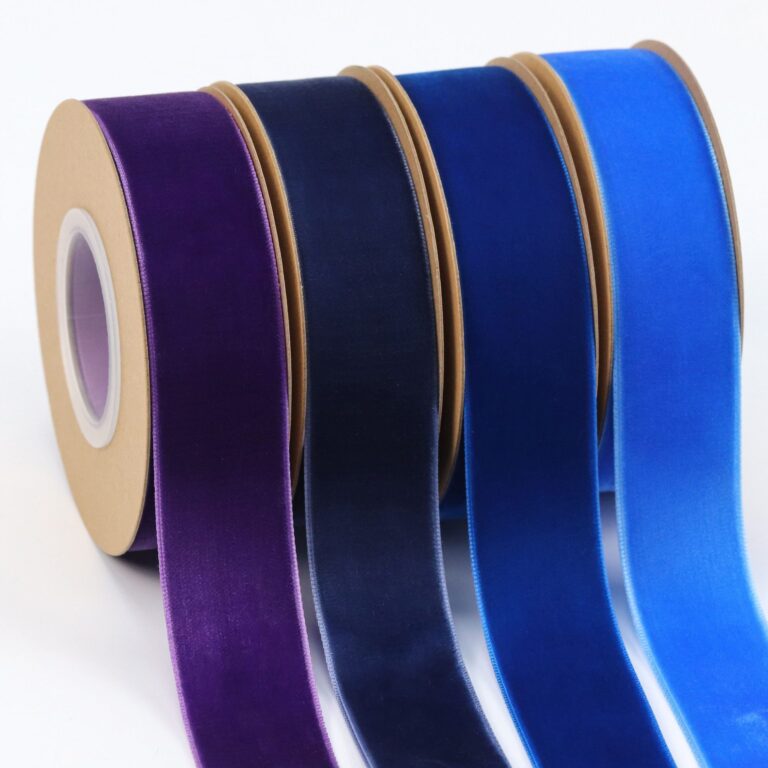 Velvet Ribbon Pile and Finish Comparison for Custom Orders Buyer
: what to confirm on material, MOQ, sample checks,…
Explore guide
Metallic Ribbon Finish Comparison for Custom Orders: Buyer Checklist
Metallic Ribbon Finish Comparison for Custom Orders: what to confirm on material, dimensions, finish, and handling before you…
Explore guide
Velvet Ribbon Pile and Finish Comparison for Custom Orders Buyer
Velvet Ribbon Pile and Finish Comparison for Custom Orders Buyer: what to confirm on material, MOQ, sample checks,…
Explore guide
Metallic Ribbon Finish Comparison for Custom Orders: Buyer Checklist
Metallic Ribbon Finish Comparison for Custom Orders: what to confirm on material, dimensions, finish, and handling before you…
Explore guide
Leave a comment
Share a sourcing question or feedback on this guide. The Lude team reviews submissions before following up.