


Pantone Velvet Ribbon Spec: Avoid Costly Color Errors
Evidence and specification note: Color targets, tolerances, test methods, documentation, acceptance criteria, and remedies must be confirmed for the quoted material and written into the approved sample, specification, and sales agreement. General scenarios in this article are not guaranteed production results. Pricing and example note: Current pricing is quoted to specification. Material, width, color, decoration,…
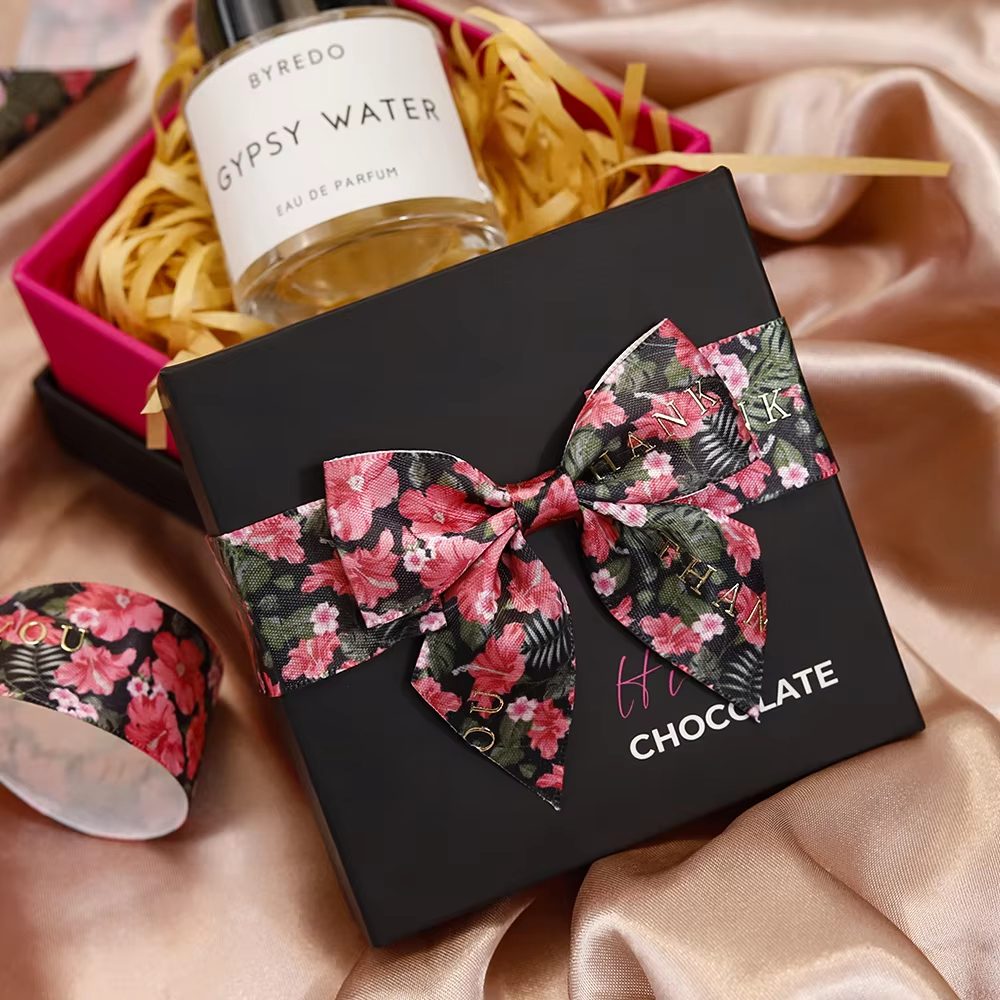
Specifying pantone velvet ribbon for cosmetics starts with a hard truth: velvet absorbs light differently than satin, so matching a color code on a screen means nothing. You need a factory that measures D65 illuminant against a physical swatch and commits to a buyer-approved ΔE tolerance across every batch.
Physical sample approval can reduce mismatch and rework risk; use the signed sample, written specification, and dated production records as the control evidence.
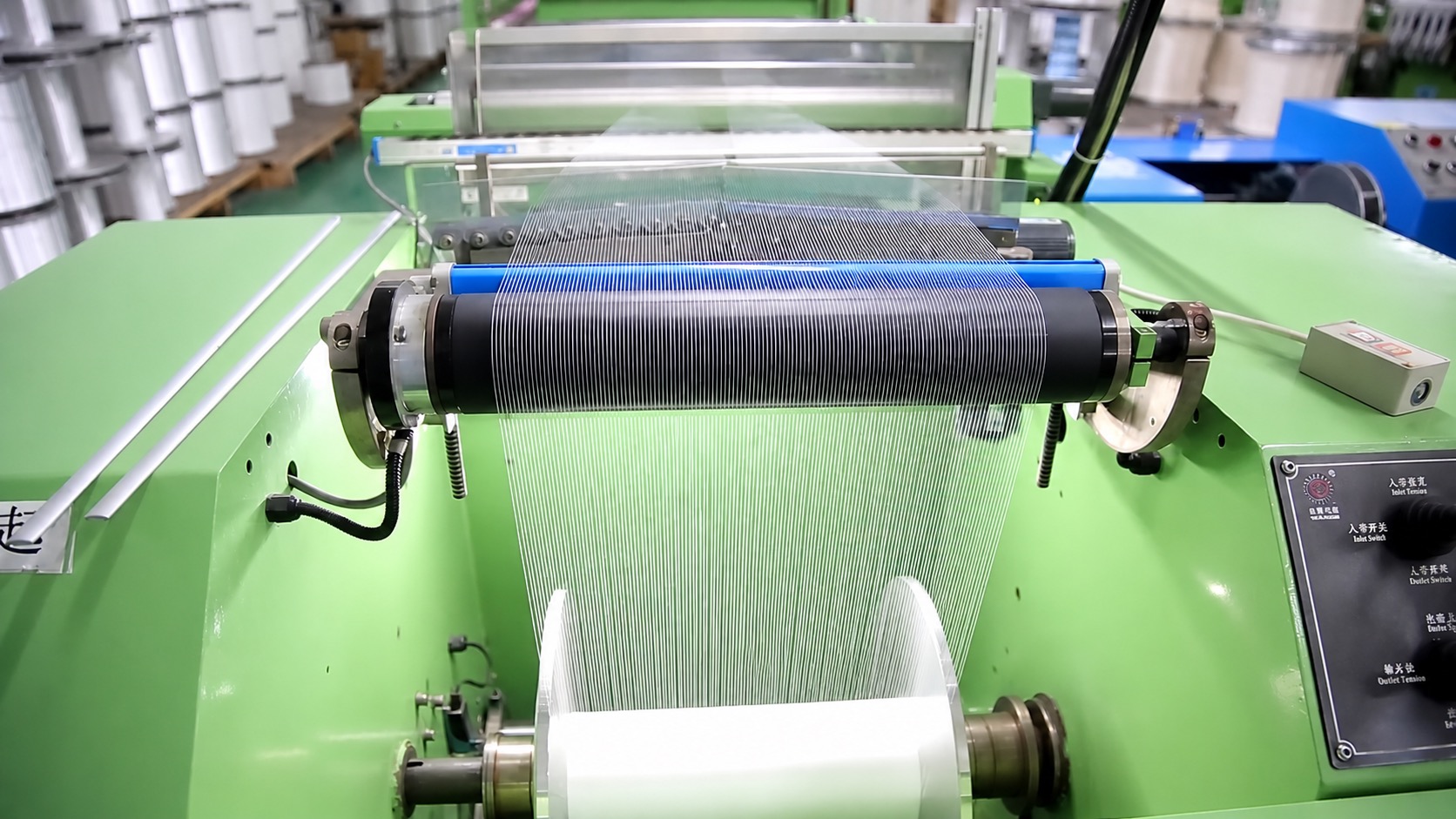
For a veteran buyer juggling MOQ commitments, seasonal launch deadlines, and foil-stamp durability, the real question isn’t “can you do velvet?” It’s “can you prove the process?” The factory-direct model—6,000 square meters in Xiamen, 80+ machines, direct control of dyeing and printing—matters less than the specific engineering for pile fibers and the spectrophotometer calibration they use on every run.
Pricing differences among materials, widths, print methods, quantities, and packing must be calculated from dated quotations for the same approved specification.

Why Velvet Ribbon Color Matching Fails for Cosmetics Brands
Velvet’s pile structure makes spectrophotometer readings unreliable — physical swatches are non-negotiable.
When you specify a Pantone color for velvet ribbon, the pile depth and fiber orientation create a surface that absorbs and scatters light differently than the flat coated stock used to print the Pantone guide. A standard spectrophotometer calibrated for satin or paper will give you a ΔE reading that looks acceptable on a machine but a tolerance that passes on flat material can look like a clear mismatch on velvet. The only way to confirm the match is to dye a physical sample and evaluate it under D65 daylight — no digital simulation can account for the light absorption of the pile.
Physical sample approval can reduce mismatch and rework risk; use the signed sample, written specification, and dated production records as the control evidence.
- Root cause: Pile light absorption: velvet fibers stand up, creating micro-shadows that alter perceived color. Spectrophotometers measure reflected light, but the pile traps light, giving a false reading.
- Common factory gap: No calibration for textured substrates. Many factories use a single spectrophotometer setting for all ribbon types. Velvet requires a lower aperture and multiple angle readings to get a meaningful ΔE.
- Batch risk for cosmetics: A difference of buyer-approved ΔE tolerance on velvet is visually obvious. If the approved sample was measured wrongly, bulk production will drift. Limited-edition holiday launches get rejected because the ribbon color does not match the Pantone reference card or the printed box.
- Mandatory solution: Always request a dyed-to-match physical sample under D65 illumination. Approve it with a signed COA. Confirm the factory uses a velvet-specific measurement protocol and commits to buyer-approved ΔE tolerance across all subsequent batches.
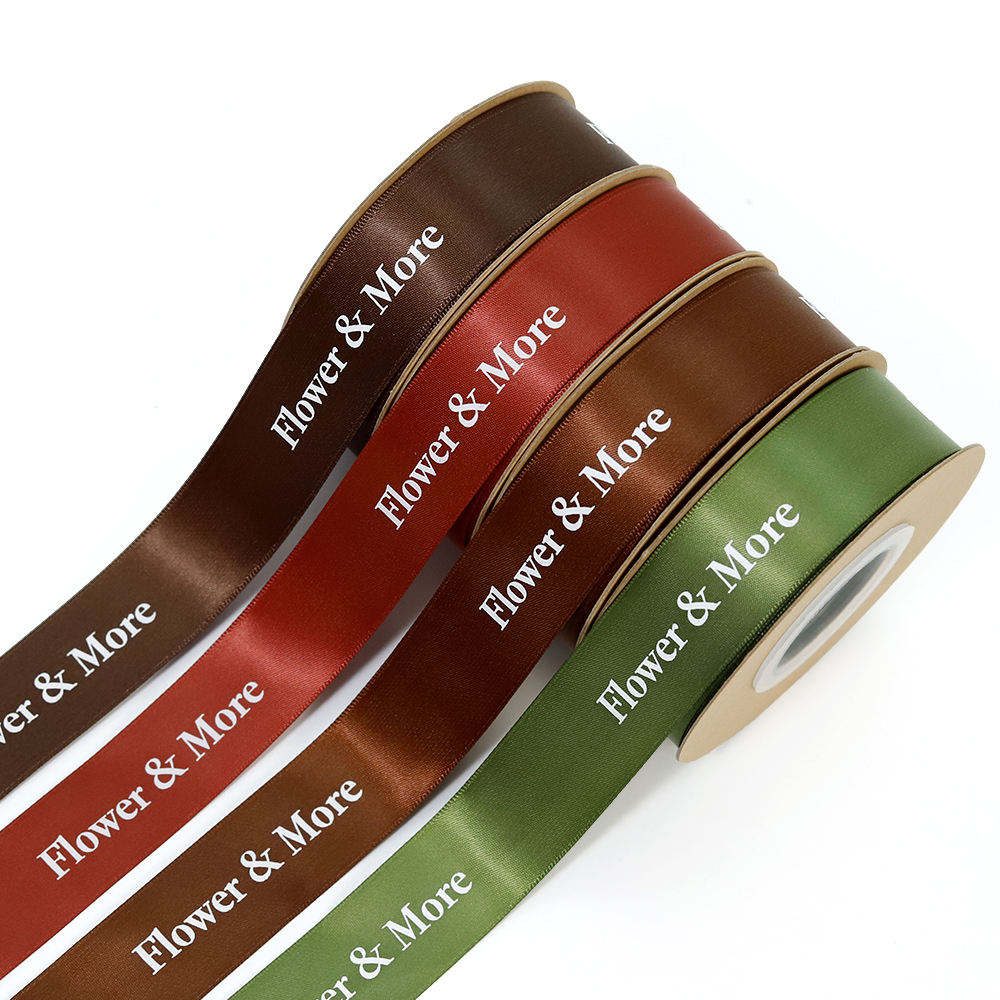
Real Cost of Custom Velvet Ribbon: MOQ, Setup, and Volume Breaks
Pricing differences among materials, widths, print methods, quantities, and packing must be calculated from dated quotations for the same approved specification.
Pricing differences among materials, widths, print methods, quantities, and packing must be calculated from dated quotations for the same approved specification.
- Combine widths: Ask whether different widths (e.g., 10mm and 25mm) in the same color program can count toward the MOQ, which is confirmed by RFQ for velvet.
Pricing differences among materials, widths, print methods, quantities, and packing must be calculated from dated quotations for the same approved specification.

Velvet vs. Satin vs. Grosgrain: Which Material Delivers Your Color Vision?
Your color vision depends on surface texture — velvet absorbs, satin reflects, grosgrain distorts.
Each material interacts with light and ink differently. Velvet’s pile fibers absorb dye deep into the surface, creating a rich, matte finish that is ideal for foil stamping but notoriously difficult to color-match. Satin’s glossy weave reflects light, making Pantone matching easier and more predictable — but the sheen can clash with a matte box or label. Grosgrain’s ribbed texture breaks up fine lines and small text, which is a dealbreaker for logo-heavy designs.
- The color target, measurement method, lighting conditions, and acceptance tolerance are confirmed against the buyer-approved sample and written specification.
- Satin — easiest match, but visual tier: Satin’s smooth surface gives the most consistent spectrophotometer readings, so buyer-approved ΔE tolerance is achievable on the first sample. However, the glossy finish can look cheap when paired with premium matte packaging. For cosmetics brands using soft-touch boxes, satin ribbon creates a visual disconnect that end users notice.
- Grosgrain — texture distorts fine detail: The ribbed weft breaks up continuous lines. Logos with small text (under 6pt) become illegible. Foil stamping also suffers because the foil bridges the ribs unevenly. Suitable only for solid-color bands or very simple geometric marks. Not recommended for brand names or intricate foil art.
- Pricing differences among materials, widths, print methods, quantities, and packing must be calculated from dated quotations for the same approved specification.
- Pricing differences among materials, widths, print methods, quantities, and packing must be calculated from dated quotations for the same approved specification.
Physical sample approval can reduce mismatch and rework risk; use the signed sample, written specification, and dated production records as the control evidence.
Final call: for cosmetics branding where color consistency is non-negotiable, velvet with a proven Pantone conversion workflow beats satin and grosgrain. Require a physical sample under D65 lighting, demand buyer-approved ΔE tolerance on the COA, and verify foil adhesion with a rub test before approving bulk production.
| Attribute | Velvet | Satin | Grosgrain |
|---|---|---|---|
| Surface Finish | Deep plush, matte | Glossy, smooth | Ribbed, textured |
| Color Match Precision (buyer-approved ΔE tolerance) | Requires specialized spectrophotometer calibration due to pile absorption | Easier, high accuracy with standard methods | Moderate; ribbing can cause visual distortion |
| Foil Stamping Suitability | Excellent with adjusted heat/pressure; engineered to prevent fading | Good, standard process | Fair; ribbed surface may cause uneven transfer |
| Cost Premium vs. Satin | Quoted per RFQ | Baseline | Similar to baseline |
| Best for Cosmetics Packaging | Premium lipstick, perfume, serum boxes | Gift sets, promotional packaging | Less common for luxury; used in hair accessories |
How to Source Pantone‑Matched Velvet Ribbon Without Disputes
Skipping the mandatory physical sample causes many color disputes.
Start by sending both your Pantone C/U code and a physical swatch. Spectrophotometer readings on velvet are unreliable due to pile light absorption; a physical swatch eliminates that variable.
- Pantone code + swatch: Provide the exact code (e.g., 18-1935 TSX) plus a fabric swatch or chip. The factory uses both to calibrate the dye formula.
- Dyed sample turnaround: The factory produces a dyed-to-match physical sample within 7–14 business days of receiving confirmed specs and the Pantone reference. No digital proof — only a physical ribbon sample is approved.
- Approve under D65 daylight: Evaluate the sample under a D65 daylight lamp. Metamerism is common; agree the buyer-approved ΔE tolerance for all batches in writing.
- COA per shipment: Insist on a COA. It shifts the burden of proof to the factory and eliminates disputes over acceptable tolerance at the receiving dock.
Once the sample is signed off, the factory must maintain buyer-approved ΔE tolerance for every production run. Require a Certificate of Analysis (COA) per shipment — it documents the spectrophotometer reading under D65 and confirms batch consistency.

FOIL Stamp on Velvet: Why Most Factories Get It Wrong
Many factories fail on velvet foil stamping because they ignore pile fiber physics.
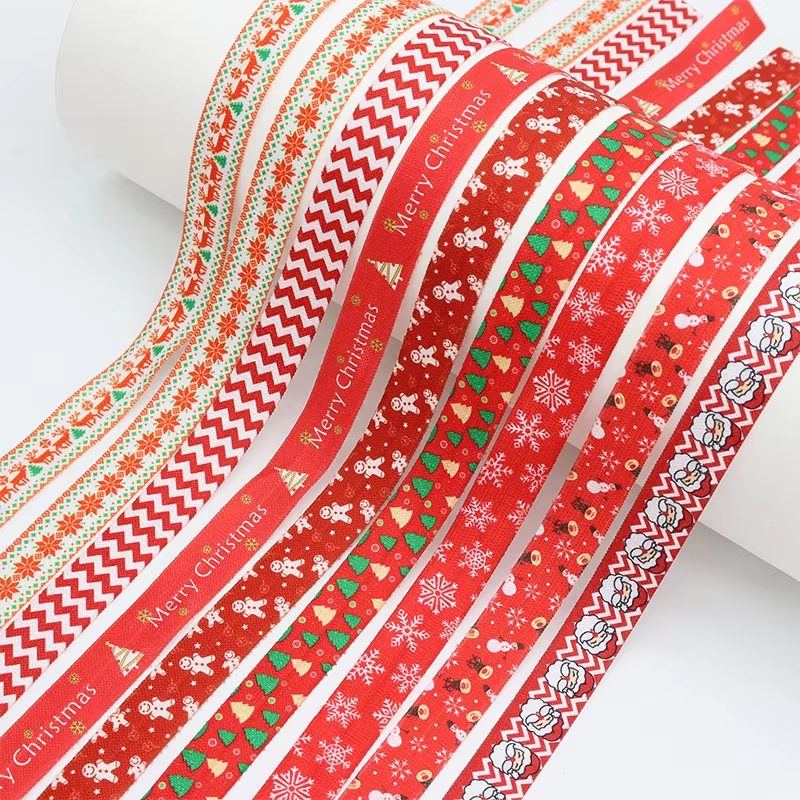
Foil stamping on velvet fails because the high-pile fibers act as a thermal insulator, preventing even heat transfer from the stamping die to the ribbon surface. Many factories apply standard satin or grosgrain parameters, which results in partial transfer — the foil adheres only to the top of the pile, leaving exposed fiber underneath. The finished product looks worn after minimal handling, and within weeks the foil lifts entirely. This is not a material defect; it is a process failure.
Conclusion
The color target, measurement method, lighting conditions, and acceptance tolerance are confirmed against the buyer-approved sample and written specification.
The color target, measurement method, lighting conditions, and acceptance tolerance are confirmed against the buyer-approved sample and written specification.
Frequently Asked Questions
How to write Pantone color code?
Provide the Pantone code with a suffix, e.g., ‘Pantone 185 C’ for coated or ‘U’ for uncoated. This ensures accurate color matching for your ribbon production. Use the correct suffix for your print substrate.
What is the Pantone code for red velvet?
There is no universal Pantone code for red velvet because the pile texture affects color perception. You must submit a physical swatch for spectrophotometer matching. Rely on physical sample matching, not a standard code.
How do you describe Pantone colors?
Describe Pantone colors by their alphanumeric code (e.g., ‘185 C’) and optionally include the color name. Always specify C for coated or U for uncoated paper. Provide both code and suffix for clarity.
What is the MOQ for custom velvet ribbon?
The MOQ for custom dyed velvet ribbon is confirmed by RFQ for each Pantone color. Dye-lot consistency and cost efficiency depend on run size, so confirm the minimum per color before planning.
Can velvet ribbon be foil stamped and how durable is it?
Yes, foil stamping on velvet is possible, but durability depends on the factory’s anti-fade engineering. Only manufacturers with dedicated solutions can prevent stamp wear for luxury packaging. Insist on sample testing for foil adhesion before bulk production.
Keep exploring
Recommended buyer guides
 Grosgrain vs Velvet Ribbon Printing: Texture Performance Guide
Evidence and specification note: Color targets, tolerances, test methods, documentation, acceptance criteria, and remedies must be confirmed for…
Explore guide
Grosgrain vs Velvet Ribbon Printing: Texture Performance Guide
Evidence and specification note: Color targets, tolerances, test methods, documentation, acceptance criteria, and remedies must be confirmed for…
Explore guide
 Custom Award Ribbon Manufacturing Process: Avoid Disputes
Evidence and specification note: Color targets, tolerances, test methods, documentation, acceptance criteria, and remedies must be confirmed for…
Explore guide
Custom Award Ribbon Manufacturing Process: Avoid Disputes
Evidence and specification note: Color targets, tolerances, test methods, documentation, acceptance criteria, and remedies must be confirmed for…
Explore guide
 Double Face Satin Ribbon: Avoid Fraying & Foil Lifting in Bows
Evidence and specification note: Color targets, tolerances, test methods, documentation, acceptance criteria, and remedies must be confirmed for…
Explore guide
Double Face Satin Ribbon: Avoid Fraying & Foil Lifting in Bows
Evidence and specification note: Color targets, tolerances, test methods, documentation, acceptance criteria, and remedies must be confirmed for…
Explore guide
 Satin Ribbon Roll Lengths: Bulk Importers’ Quality Guide
Evidence and specification note: Color targets, tolerances, test methods, documentation, acceptance criteria, and remedies must be confirmed for…
Explore guide
Satin Ribbon Roll Lengths: Bulk Importers’ Quality Guide
Evidence and specification note: Color targets, tolerances, test methods, documentation, acceptance criteria, and remedies must be confirmed for…
Explore guide
Leave a comment
Share a sourcing question or feedback on this guide. The Lude team reviews submissions before following up.