


Double Face Satin Ribbon: Avoid Fraying & Foil Lifting in Bows
Evidence and specification note: Color targets, tolerances, test methods, documentation, acceptance criteria, and remedies must be confirmed for the quoted material and written into the approved sample, specification, and sales agreement. General scenarios in this article are not guaranteed production results. When a luxury brand procurement manager evaluates a double face satin ribbon, the first…

When a luxury brand procurement manager evaluates a double face satin ribbon, the first question is rarely about cost. It is about whether that ribbon will hold its glossy sheen and crisp edge through the entire packaging run. Single face satin looks identical on the spool. The difference only shows when the ribbon is tied into a bow or wrapped around a box — and that is exactly where most purchasing decisions go wrong.
Skipping the construction detail between these two ribbon types is a common blind spot. Most guides for B2B buyers talk about color options or width ranges. But they rarely mention that single face satin uses a heat-sealed cut edge, which can fray after repeated handling. Or that its matte reverse side causes foil stamping to lift more easily than on a double face satin’s uniform surface. For a cosmetics launch or a limited-edition holiday set, that edge failure can turn an elegant unboxing into a defect report.
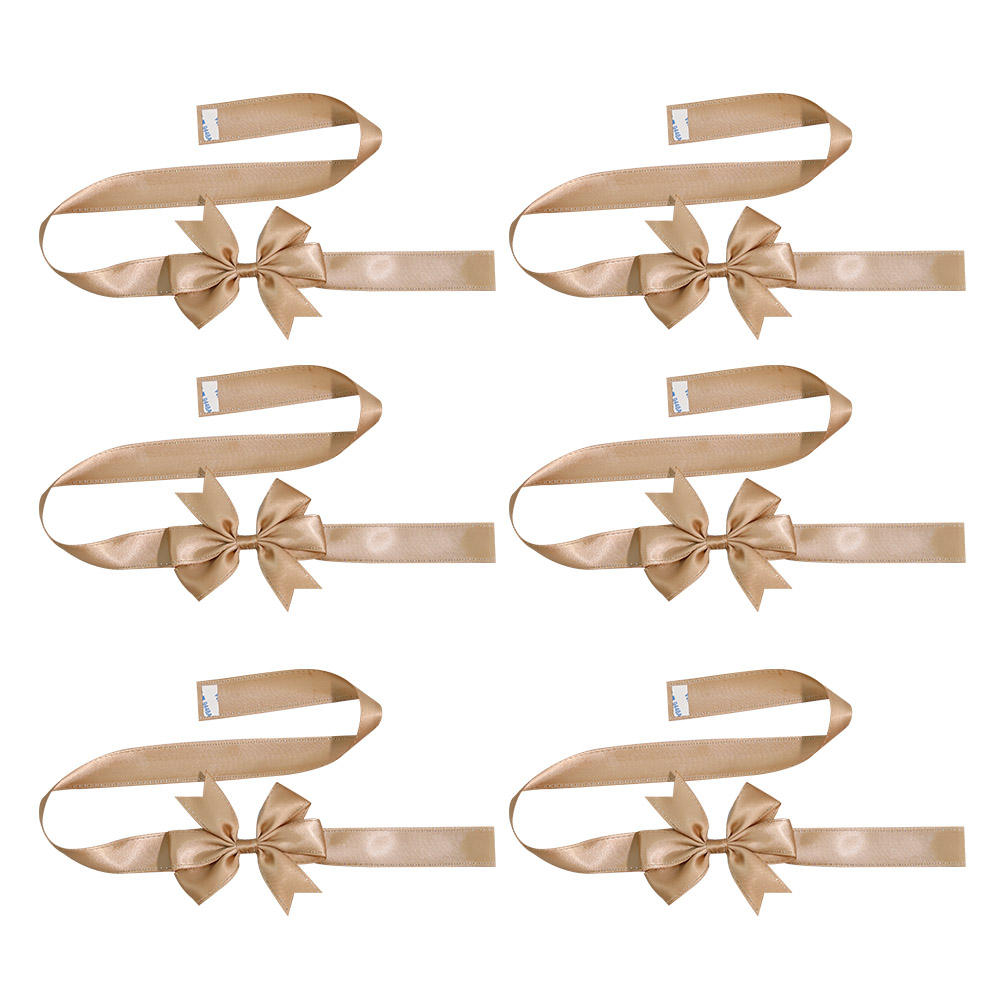
Why Most Satin Ribbon Choices Fail – The Hidden Risks in Packaging
Single-face satin in visible bows exposes matte reverse, fraying edges, and foil lifting – all avoidable with double-face.
Luxury packaging demands consistency from every angle. A single-face ribbon used in a visible bow exposes its matte reverse side, creating an uneven finish that undermines the unboxing experience. This is not a minor aesthetic issue – procurement managers who overlook this nuance often face rejected batches and rushed reorders. The problem compounds when heat-sealed edges fray over time, and the rougher back side causes foil stamping to lift or fade after minimal handling.
- Matte Reverse Side: Single-face satin has one glossy side and one matte side. In applications where the ribbon is visible from both sides (e.g., bows, sashes), the matte back cheapens the look. Double-face satin eliminates this with a consistent gloss on both sides.
- Foil Stamping Adhesion: Foil stamping on the matte, rougher side of single-face satin lifts more easily than on the uniform surface of double-face satin. This adhesion gap leads to premature fading, a frequent cause of rejection in luxury cosmetics and perfume packaging.
- Procurement Oversight: Skipping physical samples before bulk production causes many post-production disputes in the ribbon industry. A proper pre-production sample on the exact material – matching Pantone color with buyer-approved ΔE tolerance and verifying foil adhesion – prevents these costly surprises.
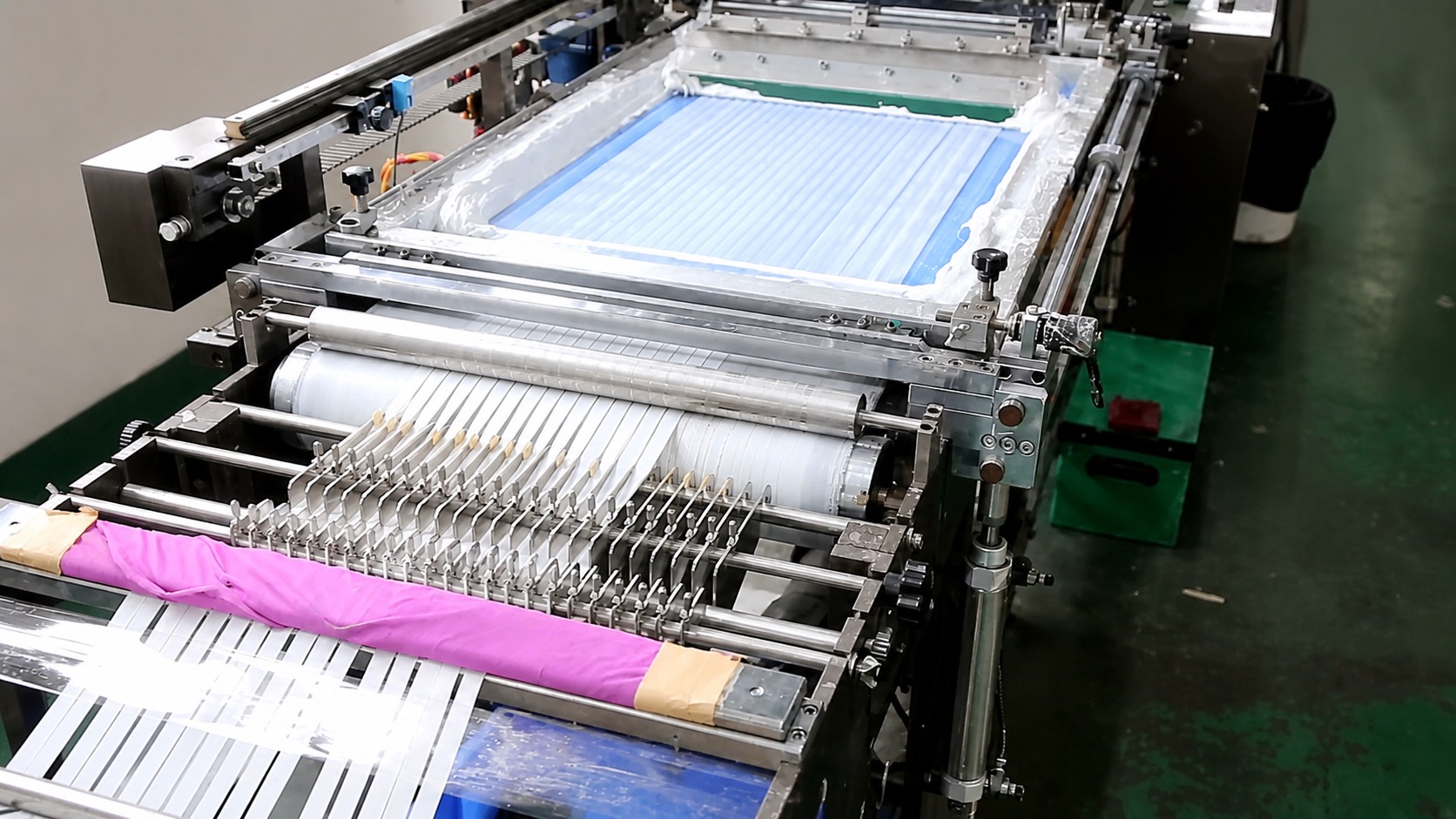
Single Face vs Double Face: Cost Breakdown and Material Specs
- Construction: Double face uses an extra weave pass; single face is heat-sealed on cut edges.
- Foil adhesion: On single face’s matte side, foil lifts more easily; double face uniform surface provides consistent adhesion.
- Width range: Available from 3mm to 102mm. Narrow widths (<10mm) benefit most from woven edge stability to prevent unraveling.
- The color target, measurement method, lighting conditions, and acceptance tolerance are confirmed against the buyer-approved sample and written specification.
| Attribute | Single Face Satin | Double Face Satin | Cost Impact | Application Insight |
|---|---|---|---|---|
| Surface Finish | One side glossy, one matte | Both sides glossy, uniform luster | Baseline (lower cost) | Use for glued packaging where reverse is hidden |
| Edge Construction | Confirm in the dated quotation and approved sample | Woven edge, no fraying; stable down to 3mm width | Confirm in the dated quotation and approved sample | Critical for narrow ribbons under 10mm in automated tying |
| Color Matching Tolerance | Standard ΔE tolerance; higher risk of visual mismatch | buyer-approved ΔE tolerance using spectrophotometer (Pantone C/U) | Buyer-approved color tolerance | Essential for luxury brands requiring accurate color across batches |
| Foil Stamping Adhesion | Foil lifts more easily on matte side | Even adhesion on both sides, fade-resistant | Confirm in the dated quotation and approved sample | Double face recommended for high-clarity foil on visible ribbons |
| Typical MOQ & Lead Time | Stock 1,500 yards per color; printed 3,000 yards per design; 15–20 business days after sample approval | Stock 1,500 yards per color; printed 3,000 yards per design; 15–20 business days after sample approval | Confirm in the dated quotation and approved sample | Confirm expedited feasibility, timing, and sample approval during RFQ review. |
When to Choose Double Face Satin for Luxury Packaging
Double face satin is non-negotiable for any ribbon visible from both sides.
Award ribbons, ceremony sashes, and pre-tied bows all expose both sides of the ribbon. Single-face satin with its matte reverse will cheapen the presentation. Double-face satin’s woven edge also prevents the fraying that heat-sealed single-face edges suffer, especially below 10mm width.
Automated bow-tying machines run faster and more consistently with double-face satin. The uniform finish on both sides eliminates twisting during the tying cycle — a common failure point when using single-face material. You lose production time and get inconsistent bow shapes.
For limited-edition holiday runs where foil stamping is applied, double-face satin ensures the foil adheres evenly. On single face, the matte side has a rougher texture that causes higher foil lift rates. That means more rejects and potential delays for tight seasonal deadlines.
- Right application for single face: Single-face satin is still the correct choice when the ribbon is glued onto boxes or inserts and only the outer glossy side is visible. The cost savings matter there. But if there is any chance the ribbon will be handled and turned over, upgrade to double face.
The approved workflow here at the factory includes mandatory physical sampling before bulk production. Skipping this step causes many post-production disputes. With double-face satin, your sample confirms the color match (buyer-approved ΔE tolerance) and the foil adhesion on the actual material, not just a generic off-the-shelf roll.

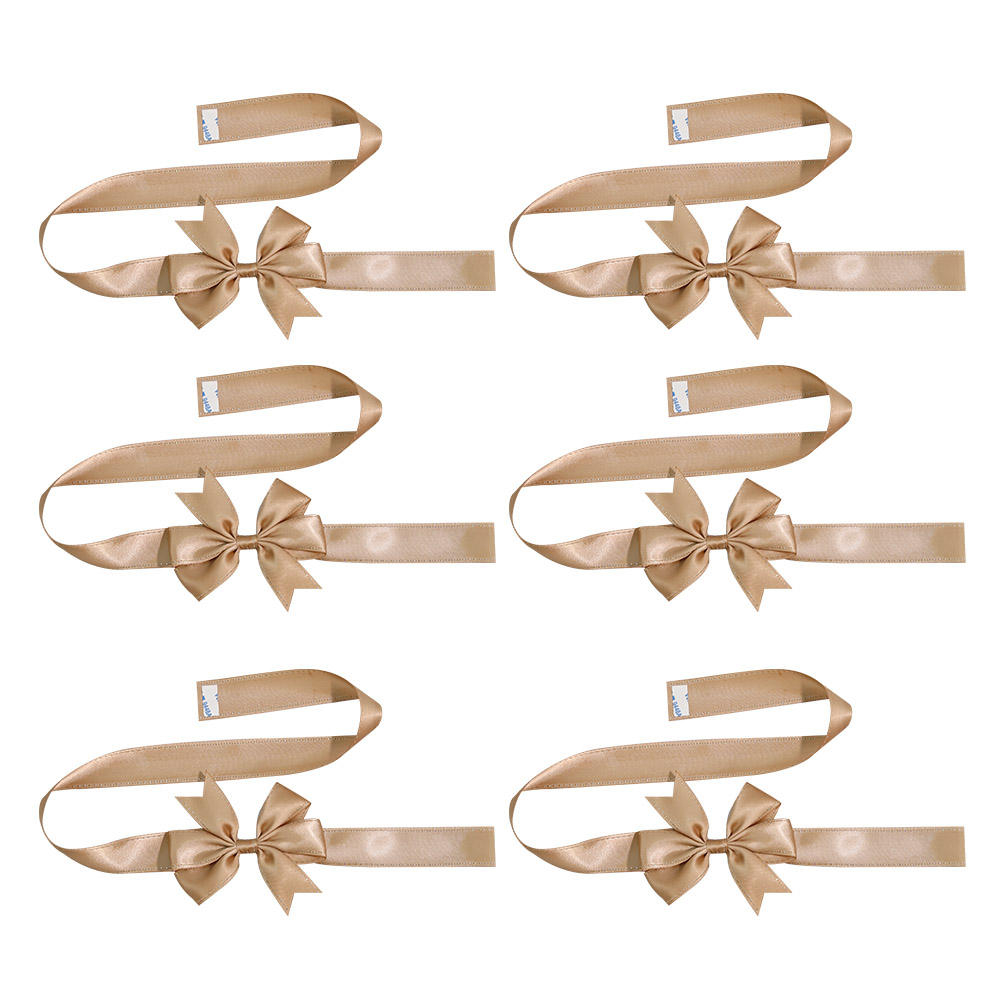
How to Source Double Face Satin Ribbon Without the Risk
Skipping physical sampling causes many post-production disputes in our industry.
The most frequent cause of failed ribbon orders isn’t bad material — it’s a buyer approving a digital mockup and expecting the physical product to match perfectly. Double face satin introduces two specific failure points that a PDF cannot catch: color deviation on the woven edge (because the edge dye absorption differs from the body) and foil stamp adhesion on the glossy surface (which behaves differently than on single face matte). A factory that allows you to skip physical sampling is a factory that accepts a high post-production dispute risk as normal. For luxury brand procurement, that risk is unacceptable.
When you engage a supplier for custom double face satin, you need to demand three verifications before committing to bulk production.
- Sample on exact material: Request a physical sample on the identical double face satin weave, not a generic satin swatch. The sample must carry your specific Pantone C/U color and your foil stamp if applicable. Foil adhesion on double face’s uniform surface is more reliable than on single face’s matte side. Confirm the sample’s color tolerance using a spectrophotometer: the factory should guarantee buyer-approved ΔE tolerance against your Pantone reference. If they can’t quote a ΔE value, they are not equipped for luxury-grade work.
- Mandatory sample approval: A factory that requires you to sign off on a physical sample before bulk production is one that values consistency over speed. Lude Ribbon explicitly forbids skipping this step. Once the sample is approved, the production lead time is 15–20 business days. Expedited schedules must be confirmed during RFQ review and still require sample approval. This system eliminates the two biggest surprises: color deviation (your sample matches bulk) and edge fraying (the woven edge is verified before volume allocation).
Conclusion
Review the Custom Printed Ribbon product page to compare single and double face options side by side. You can request a Pantone-matched sample at your target width and see the lead time for your next limited-edition run.
Frequently Asked Questions
What does double face satin ribbon mean?
Double face satin ribbon has a glossy, smooth finish on both sides with a woven edge that resists fraying. This construction prevents twisting and ensures a consistent premium look from every angle. Required for any ribbon seen from both sides.
What is single face satin ribbon?
Single face satin ribbon has a glossy surface on one side and a matte reverse, typically with a heat-sealed cut edge. It is ideal for applications where only one side is visible, such as glued packaging. Best for hidden or one-sided display.
What width of satin ribbon is most popular?
For luxury packaging and retail applications, 40mm is a widely used standard width that balances visual presence and material cost. Widths range from 3mm to 102mm, but 40mm is common for bows. Confirm width based on your packaging design and bow type.
Keep exploring
Recommended buyer guides
 Grosgrain vs Velvet Ribbon Printing: Texture Performance Guide
Evidence and specification note: Color targets, tolerances, test methods, documentation, acceptance criteria, and remedies must be confirmed for…
Explore guide
Grosgrain vs Velvet Ribbon Printing: Texture Performance Guide
Evidence and specification note: Color targets, tolerances, test methods, documentation, acceptance criteria, and remedies must be confirmed for…
Explore guide
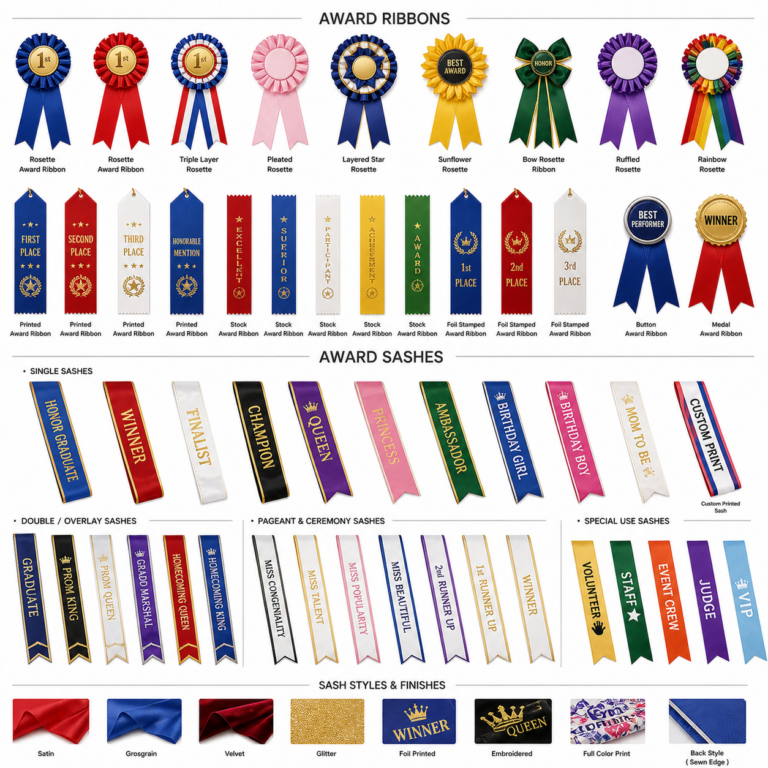 Custom Award Ribbon Manufacturing Process: Avoid Disputes
Evidence and specification note: Color targets, tolerances, test methods, documentation, acceptance criteria, and remedies must be confirmed for…
Explore guide
Custom Award Ribbon Manufacturing Process: Avoid Disputes
Evidence and specification note: Color targets, tolerances, test methods, documentation, acceptance criteria, and remedies must be confirmed for…
Explore guide
 Satin Ribbon Roll Lengths: Bulk Importers’ Quality Guide
Evidence and specification note: Color targets, tolerances, test methods, documentation, acceptance criteria, and remedies must be confirmed for…
Explore guide
Satin Ribbon Roll Lengths: Bulk Importers’ Quality Guide
Evidence and specification note: Color targets, tolerances, test methods, documentation, acceptance criteria, and remedies must be confirmed for…
Explore guide
 Grosgrain vs Velvet Ribbon: B2B Material Selection Guide
Evidence and specification note: Color targets, tolerances, test methods, documentation, acceptance criteria, and remedies must be confirmed for…
Explore guide
Grosgrain vs Velvet Ribbon: B2B Material Selection Guide
Evidence and specification note: Color targets, tolerances, test methods, documentation, acceptance criteria, and remedies must be confirmed for…
Explore guide
Leave a comment
Share a sourcing question or feedback on this guide. The Lude team reviews submissions before following up.