


Grosgrain vs Velvet Ribbon: B2B Material Selection Guide
Evidence and specification note: Color targets, tolerances, test methods, documentation, acceptance criteria, and remedies must be confirmed for the quoted material and written into the approved sample, specification, and sales agreement. General scenarios in this article are not guaranteed production results. Pricing and example note: Current pricing is quoted to specification. Material, width, color, decoration,…
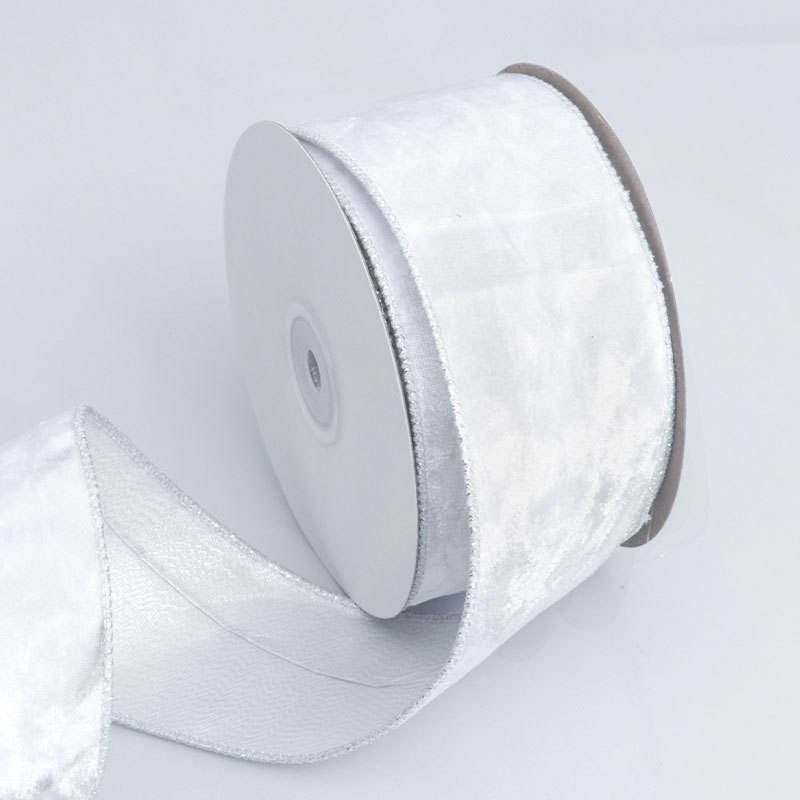
Most suppliers will show you swatches and promise quality, but they rarely quote a measurable color tolerance or enforce a mandatory sampling step before bulk runs. That skipped step is exactly where post-production disputes start. For a procurement manager who has to sign off on a 10,000-yard order, that risk changes how you evaluate material risk versus aesthetic appeal.
Why Texture Matters for Luxury Packaging
Texture is a brand asset — and a manufacturing liability if specified wrong.
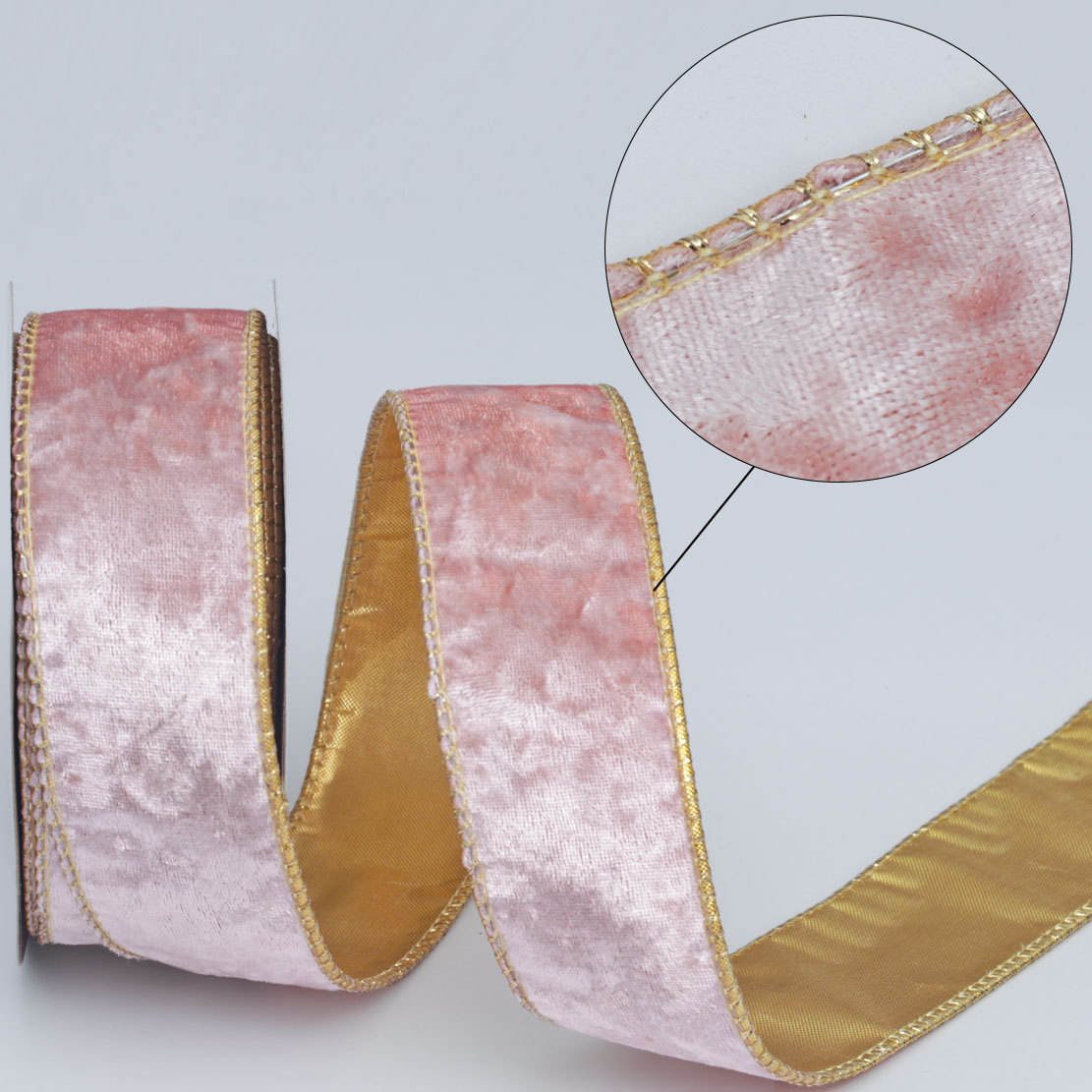
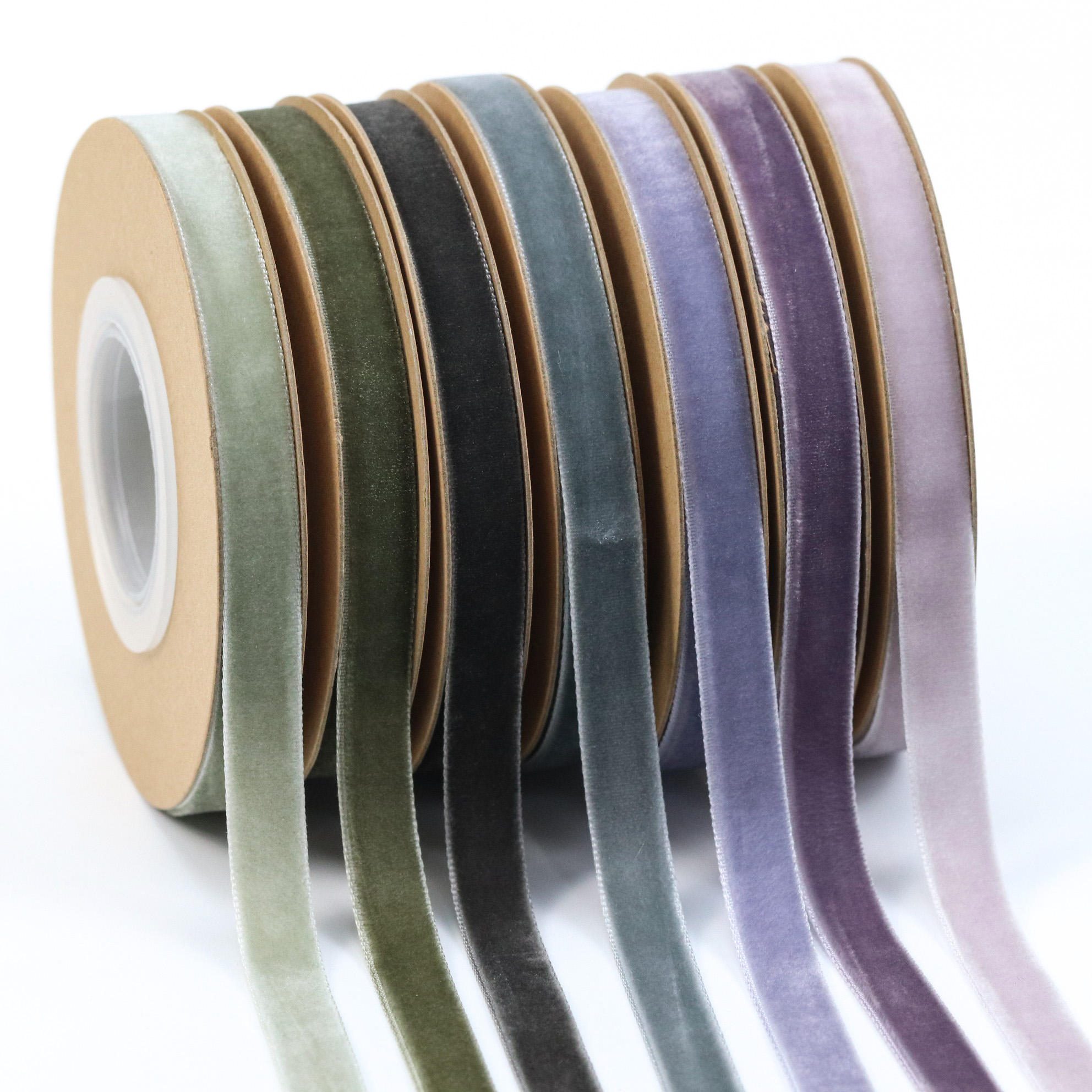
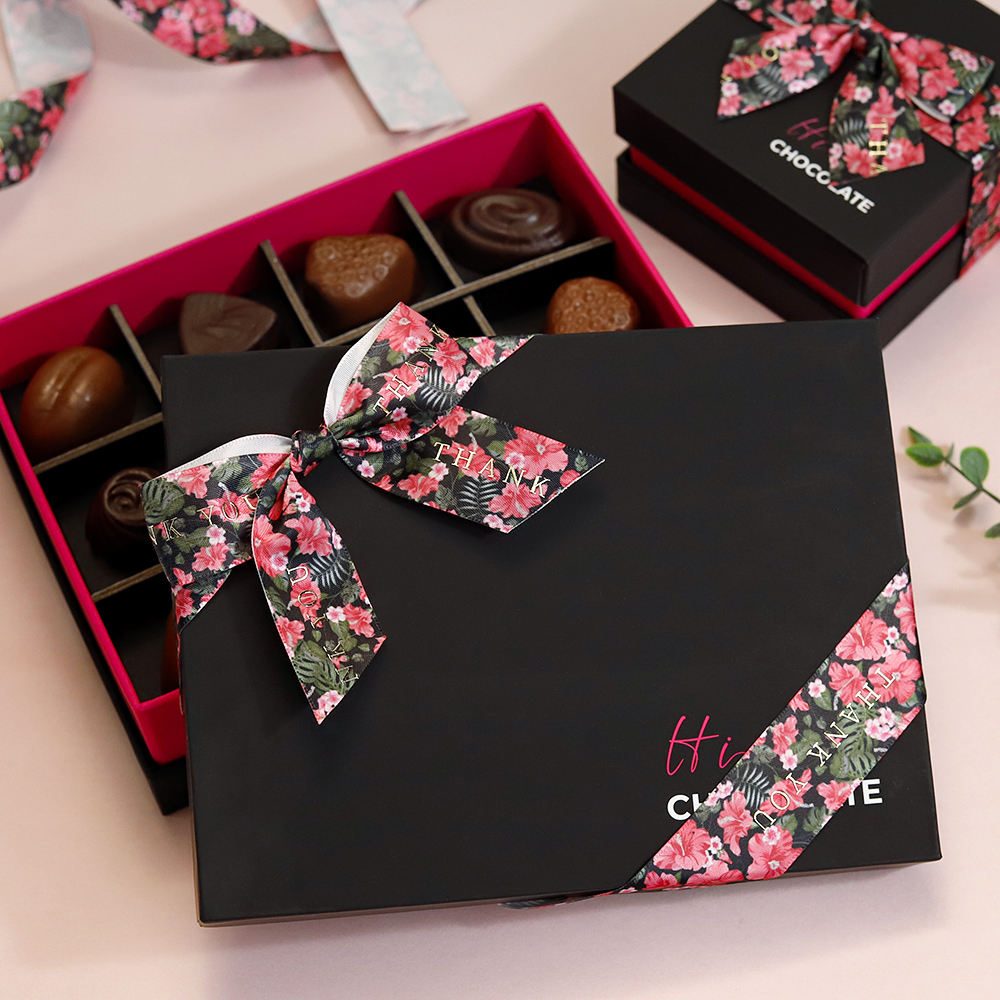
The tactile difference between grosgrain’s ribbed surface and velvet’s plush pile directly controls how a customer perceives your packaging. Grosgrain’s raised crosswise ribs (produced by a weft-faced weave) create a matte, structured handfeel that signals durability and precision. Velvet’s cut-pile construction reflects light unevenly, producing depth and a softness that feels expensive. Luxury procurement managers who ignore this material distinction often end up with bows that won’t hold shape (grosgrain used where structure wasn’t needed) or boxes that feel cheap (velvet chosen for economy runs where the pile density is too low).
- The color target, measurement method, lighting conditions, and acceptance tolerance are confirmed against the buyer-approved sample and written specification.
- Document requirements depend on the exact components, intended use, buyer specification and market. OEKO-TEX is not a universal requirement for every cosmetics package, and REACH is not a certificate. Request applicable chemical information or tests and verify the selected construction before approving a sample.
Real Cost Breakdown: Grosgrain vs Velvet in 2026
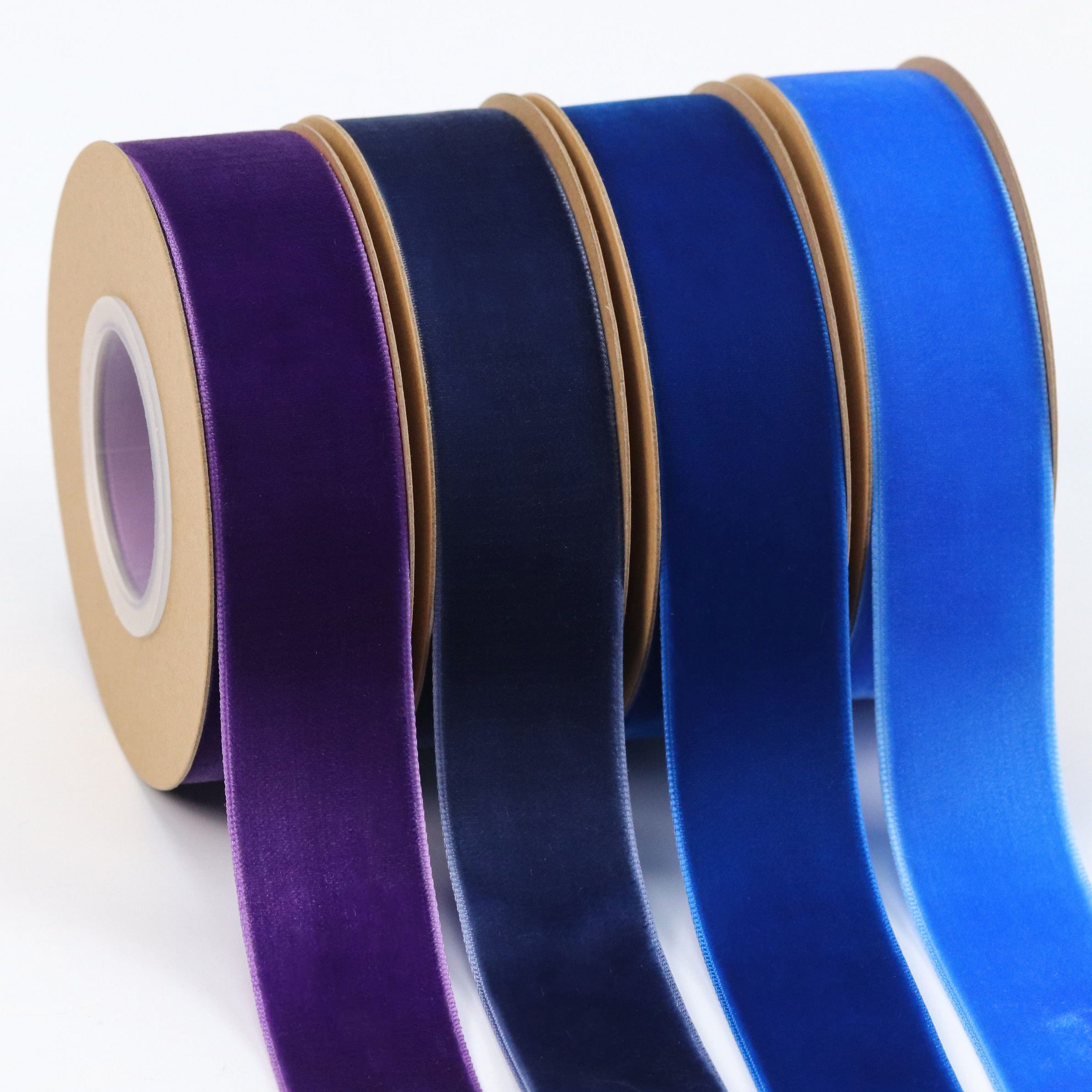
Current pricing is quoted after the material, width, decoration, quantity, packing, delivery terms, and destination are confirmed.
- Sample & Lead Time: Sample lead time is 7–14 business days after artwork approval; production lead time is 15–20 business days after sample sign-off. Expedited schedules must be confirmed during RFQ review and still require sample approval.
Durability & Color Matching: Which Performs Better?
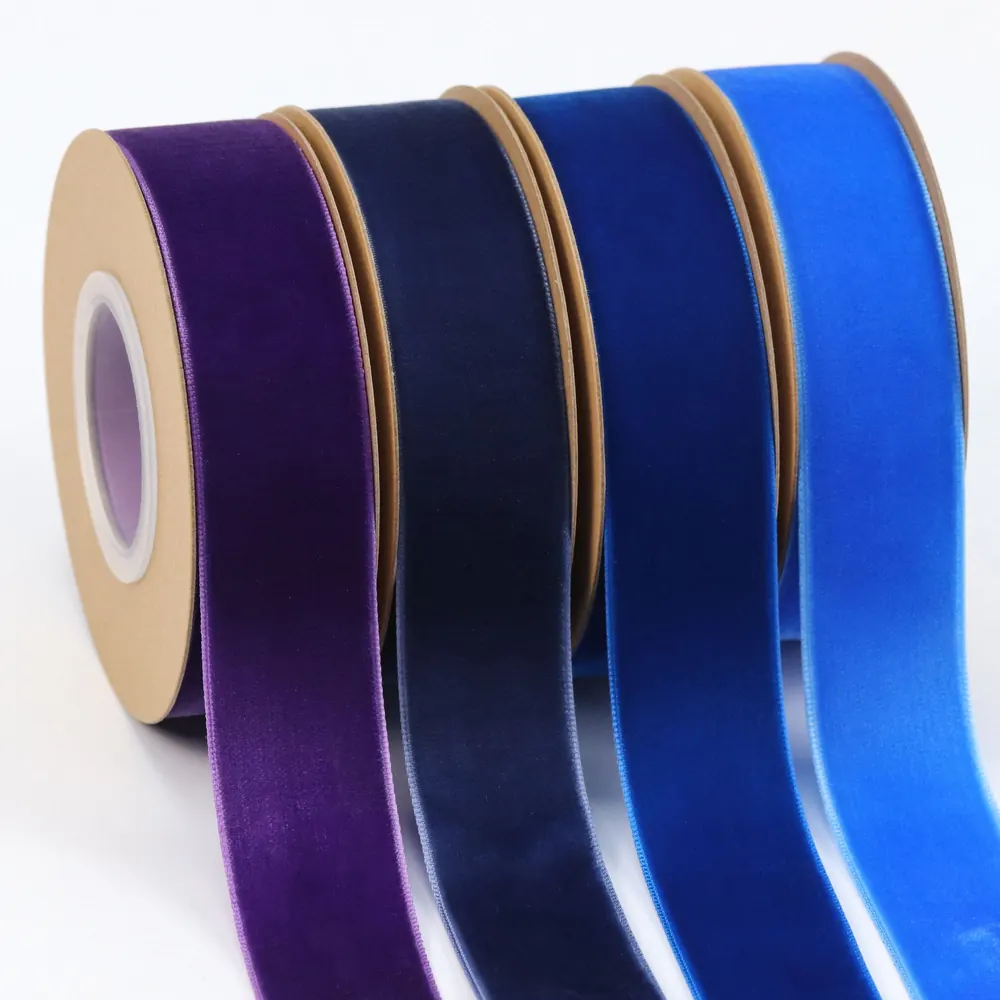
buyer-approved ΔE tolerance and mandatory sampling prevent many color disputes.
- Any quality guarantee, acceptance threshold, and remedy must be stated in the approved specification and sales agreement.
- Production Risk: Skipping a physical sample causes many post-production disputes. A pre‑production ribbon swatch with your exact Pantone color and foil stamp eliminates angle‑dependent color variance common in velvet.
How to Source the Right Texture Without Risk
Skipping the physical sample causes many post-production disputes.
Luxury packaging depends on exact color and texture reproduction. A physical sample with your Pantone and foil stamp is the only way to confirm that the factory’s spectrophotometer can hold a buyer-approved ΔE tolerance—especially on velvet, where pile direction alters perceived color. Without it, you risk rejecting an entire 3,000-yard bulk run.
- Any quality guarantee, acceptance threshold, and remedy must be stated in the approved specification and sales agreement.
- Specify any textile testing or chemical-regulation requirements for the actual material, intended contact and target market. Request applicable documents and confirm their scope; cosmetics packaging does not automatically make every decorative ribbon subject to the same certification route.
- Sampling workflow: A mandatory 7–14 business day sample phase (artwork to shipped sample) plus mid-production QC inspection. Lude Ribbon forbids skipping this step—doing so causes many disputes. Insist on mid-run and pre-shipment inspections.
Direct Factory vs Trading Company: Supplier Checklist
Trading companies resell; factories own the production floor and QC.
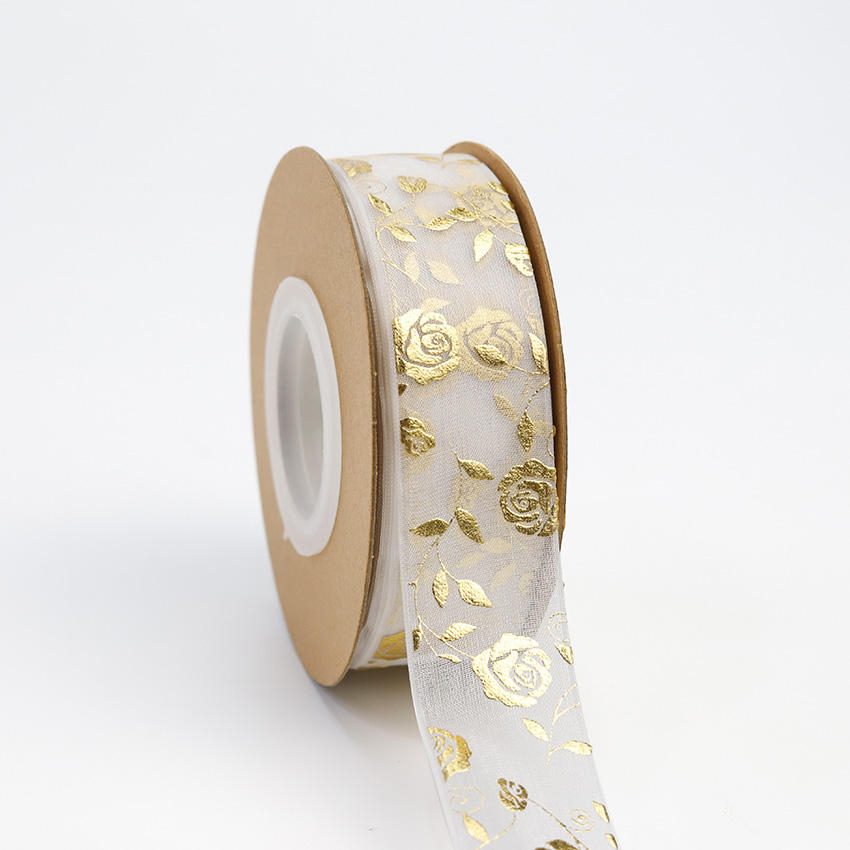
The first filter in your supplier checklist is simple: is this a direct manufacturer or a trading company? A trading company sources from multiple factories, adds a margin, and cannot control production variables. A direct factory owns the looms, the dye house, and the quality lab. When you need a buyer-approved ΔE tolerance color match on a velvet ribbon for a limited-edition perfume box, a trading company cannot give you that guarantee—they don’t control the spectrophotometer calibration.
- Factory footprint: Verify production area (e.g., 6,000 sqm) and machine count (e.g., 75 weaving + 5 screen-printing + 6 foil-printing). A factory with 80+ machines and 300+ workers has the internal capacity to handle mid-run corrections.
- Proof owned: Request certificates and the amfori BSCI audit report under the factory’s own name, not a trading company’s.
- Color matching standard: Ask for their written ΔE tolerance. A direct manufacturer with automatic Pantone matching systems can state a buyer-approved ΔE tolerance.
- Sampling workflow: A direct factory enforces a mandatory physical sampling step (7–14 days). Skipping this step causes many post-production disputes. Trading companies often skip sampling to speed up orders — that’s a red flag.
One insider warning: if a supplier claims to be a factory but asks you to communicate with a sales office that cannot connect you to the production manager, treat it as a trading company. Insist on a virtual tour or a third-party audit report that shows the actual 6,000 sqm floor and 80+ machines operating. Only then can you trust their buyer-approved ΔE tolerance promise.
Conclusion
The choice between grosgrain and velvet ribbon isn’t just aesthetic. It affects packaging durability, color consistency, and unit cost — all factors that determine whether a luxury unboxing feels premium or falls short. A factory that enforces a spectrophotometer measurement against the buyer-approved ΔE tolerance and mandates physical sampling before bulk production eliminates the two biggest risks: color mismatch and quality variance across batches.
Review the textured ribbon collection to compare widths, print methods, and MOQ requirements. Request a physical sample matched to your Pantone color — this single step prevents many post-production disputes and secures the consistency your brand demands.
Frequently Asked Questions
What are the different types of velvet ribbon?
Lude Ribbon primarily manufactures 100% polyester velvet ribbon, with types varying by pile height, density, and finish for different applications. Common variations include cut velvet, crushed velvet, and printed velvet. Confirm the exact velvet type and pile specification with the factory before sampling.
What are the different types of grosgrain?
Grosgrain ribbon is defined by its ribbed weave; common types include standard polyester grosgrain, cotton grosgrain for a matte finish, and wide-rib grosgrain for structural reinforcement. Choose the rib spacing and material based on the intended use and print method.
What are the three types of ribbons?
The three most common ribbon types for packaging and branding are satin (glossy, double-face), grosgrain (ribbed, durable), and velvet (plush, premium). Lude Ribbon also offers organza, metallic, and cotton. Select the type based on your budget and desired unboxing feel.
Is Petersham grosgrain ribbon better than regular grosgrain ribbon?
Petersham grosgrain has a scalloped edge that holds shape in curves, making it better for hat bands or curved trims, while regular grosgrain has a straight edge for clean lines. Request both options during sample to test shape retention for your application.
Keep exploring
Recommended buyer guides
 Grosgrain vs Velvet Ribbon Printing: Texture Performance Guide
Evidence and specification note: Color targets, tolerances, test methods, documentation, acceptance criteria, and remedies must be confirmed for…
Explore guide
Grosgrain vs Velvet Ribbon Printing: Texture Performance Guide
Evidence and specification note: Color targets, tolerances, test methods, documentation, acceptance criteria, and remedies must be confirmed for…
Explore guide
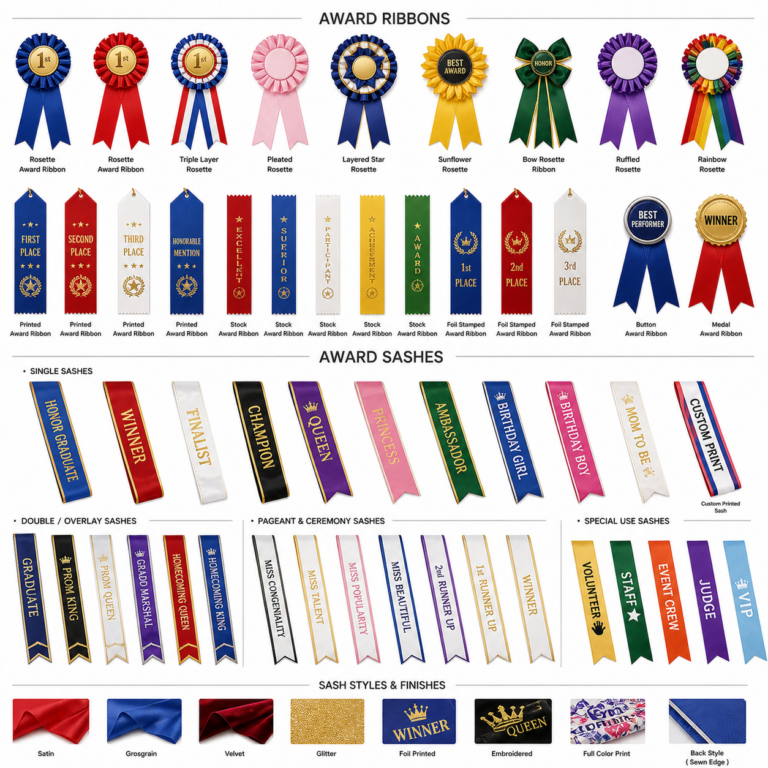 Custom Award Ribbon Manufacturing Process: Avoid Disputes
Evidence and specification note: Color targets, tolerances, test methods, documentation, acceptance criteria, and remedies must be confirmed for…
Explore guide
Custom Award Ribbon Manufacturing Process: Avoid Disputes
Evidence and specification note: Color targets, tolerances, test methods, documentation, acceptance criteria, and remedies must be confirmed for…
Explore guide
 Double Face Satin Ribbon: Avoid Fraying & Foil Lifting in Bows
Evidence and specification note: Color targets, tolerances, test methods, documentation, acceptance criteria, and remedies must be confirmed for…
Explore guide
Double Face Satin Ribbon: Avoid Fraying & Foil Lifting in Bows
Evidence and specification note: Color targets, tolerances, test methods, documentation, acceptance criteria, and remedies must be confirmed for…
Explore guide
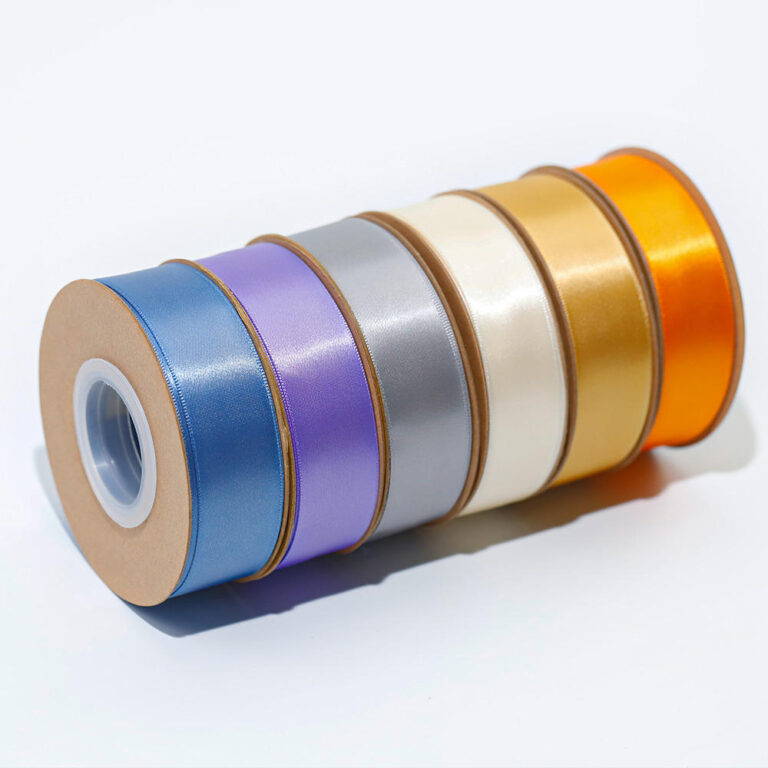 Satin Ribbon Roll Lengths: Bulk Importers’ Quality Guide
Evidence and specification note: Color targets, tolerances, test methods, documentation, acceptance criteria, and remedies must be confirmed for…
Explore guide
Satin Ribbon Roll Lengths: Bulk Importers’ Quality Guide
Evidence and specification note: Color targets, tolerances, test methods, documentation, acceptance criteria, and remedies must be confirmed for…
Explore guide
Leave a comment
Share a sourcing question or feedback on this guide. The Lude team reviews submissions before following up.