


Custom Award Ribbon Manufacturing Process: Avoid Disputes
Evidence and specification note: Color targets, tolerances, test methods, documentation, acceptance criteria, and remedies must be confirmed for the quoted material and written into the approved sample, specification, and sales agreement. General scenarios in this article are not guaranteed production results. When your brand needs custom award ribbon manufacturing for a high-stakes awards ceremony, the…
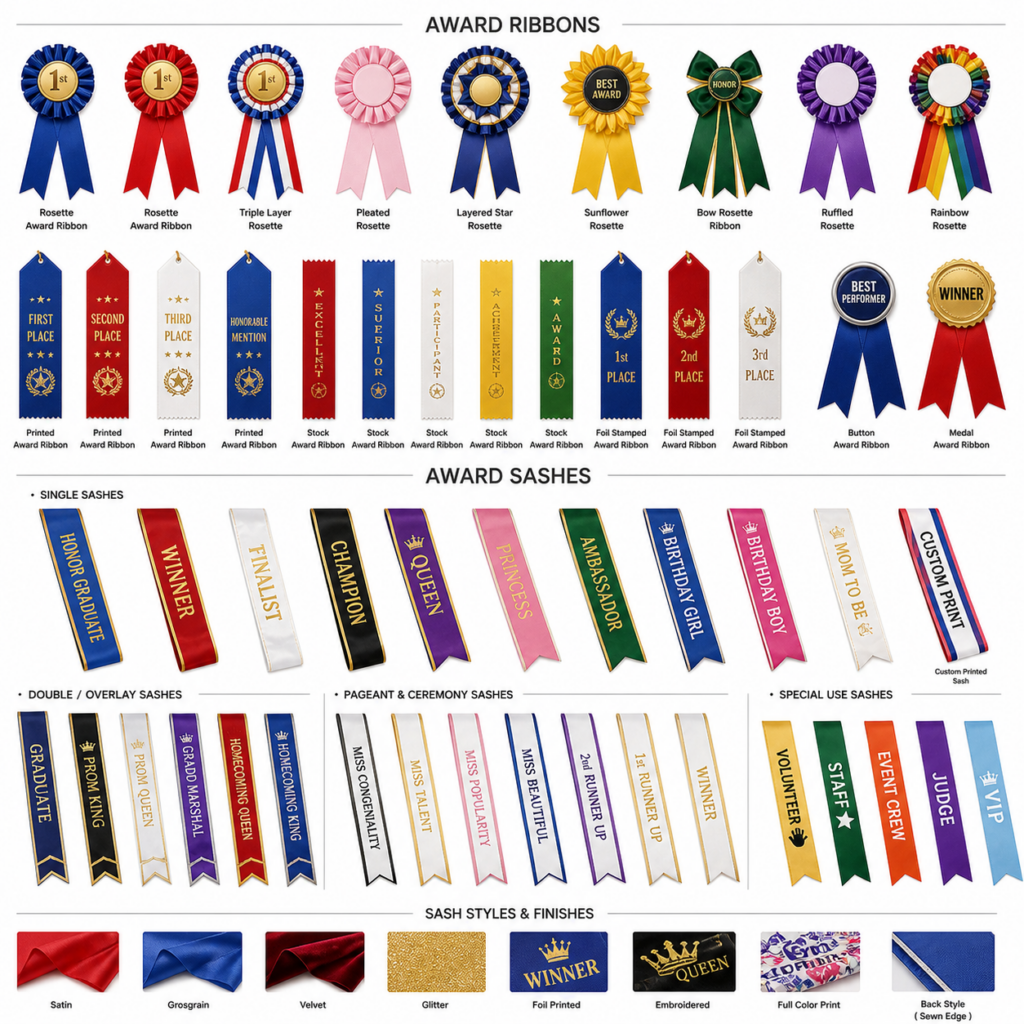
When your brand needs custom award ribbon manufacturing for a high-stakes awards ceremony, the process behind that ribbon determines whether your logo shines or fades. You have to trust that the color matches your Pantone standard exactly, that the foil stamp won’t rub off before the ceremony, and that every piece from the batch looks identical. That trust comes from knowing how your supplier actually produces the ribbon, not from a catalog photo.
Any quality guarantee, acceptance threshold, and remedy must be stated in the approved specification and sales agreement.
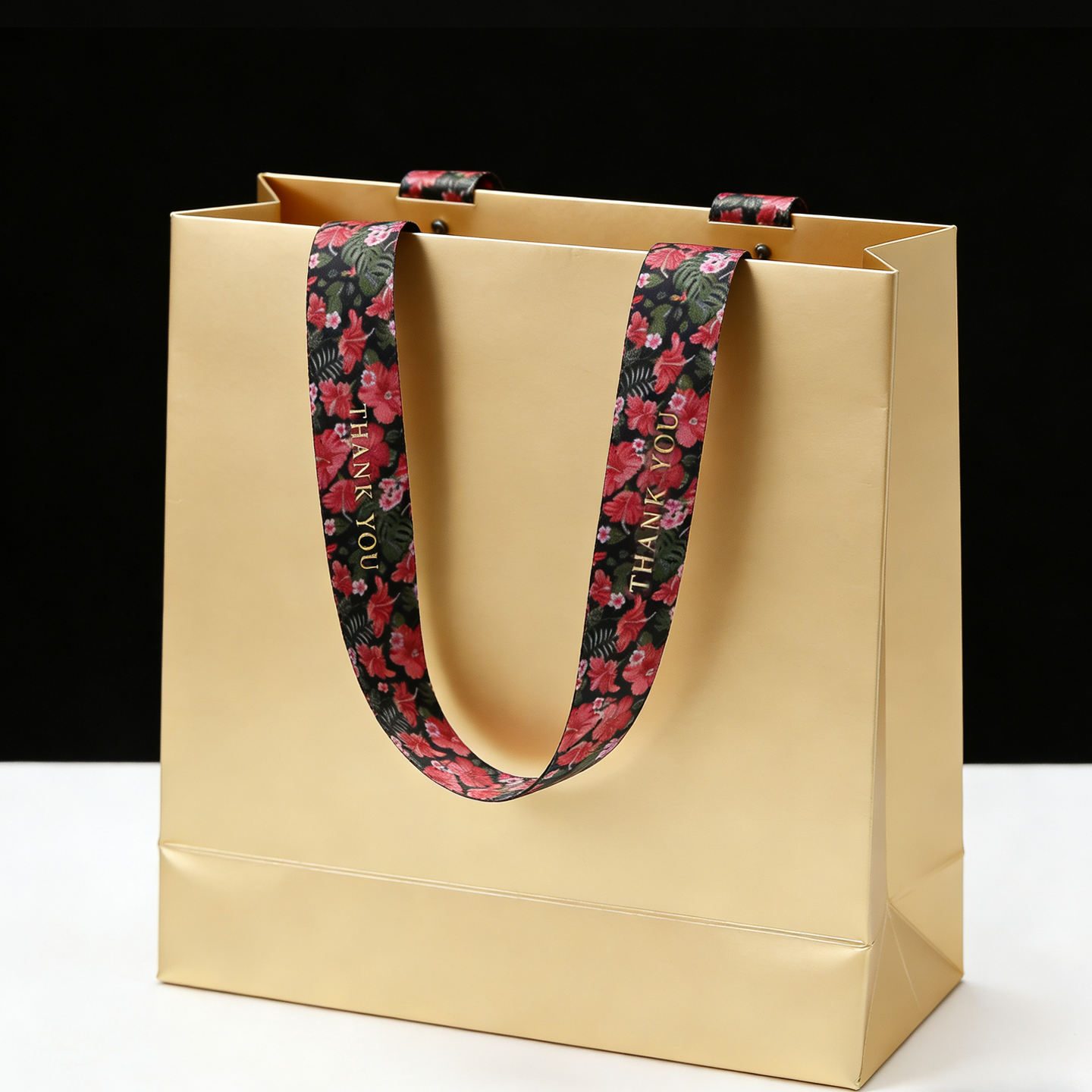
Why Award Ribbon Orders Fail: Hidden Production Pitfalls
many award ribbon disputes trace back to one skipped step: physical sampling.
- Foil-stamp durability failure: Standard foil stamping rubs off under friction or moisture. Luxury brands cannot accept ribbons that lose their metallic finish during unboxing.
- Material substitution: A ribbon labeled ‘satin’ can vary in weave density, luster, and hand feel between suppliers. The sample is the only guarantee you are getting the exact construction you specified.
The only way to eliminate these pitfalls is to source from a manufacturer that owns its production floor, enforces mandatory physical sampling before bulk, and maintains in-house QC with instrumentation. Without those three conditions, you are relying on a hope-and-check approach — and hope is not a procurement strategy.

Real Cost Breakdown of Award Ribbons in 2026
Pricing differences among materials, widths, print methods, quantities, and packing must be calculated from dated quotations for the same approved specification.
Three variables define your per-yard cost before volume is factored in. Each interacts with the next, so a 60mm velvet ribbon with foil stamping can cost more than the base satin screen-printed version.
- Pricing differences among materials, widths, print methods, quantities, and packing must be calculated from dated quotations for the same approved specification.
Pricing differences among materials, widths, print methods, quantities, and packing must be calculated from dated quotations for the same approved specification.
Award Ribbon Printing Methods: Foil vs. Screen vs. Digital
Screen printing beats foil on cost, but foil wins on luxury shelf appeal.
Screen printing is the workhorse for high-volume runs exceeding 10,000 yards. It delivers bold, opaque colors at the lowest cost per yard. Setup is economical, and the ink bonds well with polyester satin, making it the default choice for event and promotional award ribbons.
Pricing differences among materials, widths, print methods, quantities, and packing must be calculated from dated quotations for the same approved specification.
Pricing differences among materials, widths, print methods, quantities, certifications, and packing must be calculated from dated quotations for the same approved specification.
- Screen printing: Best cost-per-yard for volumes above 10,000 yards. Opaque colors, fast throughput.
- Pricing differences among materials, widths, print methods, quantities, and packing must be calculated from dated quotations for the same approved specification.
- Pricing differences among materials, widths, print methods, quantities, and packing must be calculated from dated quotations for the same approved specification.
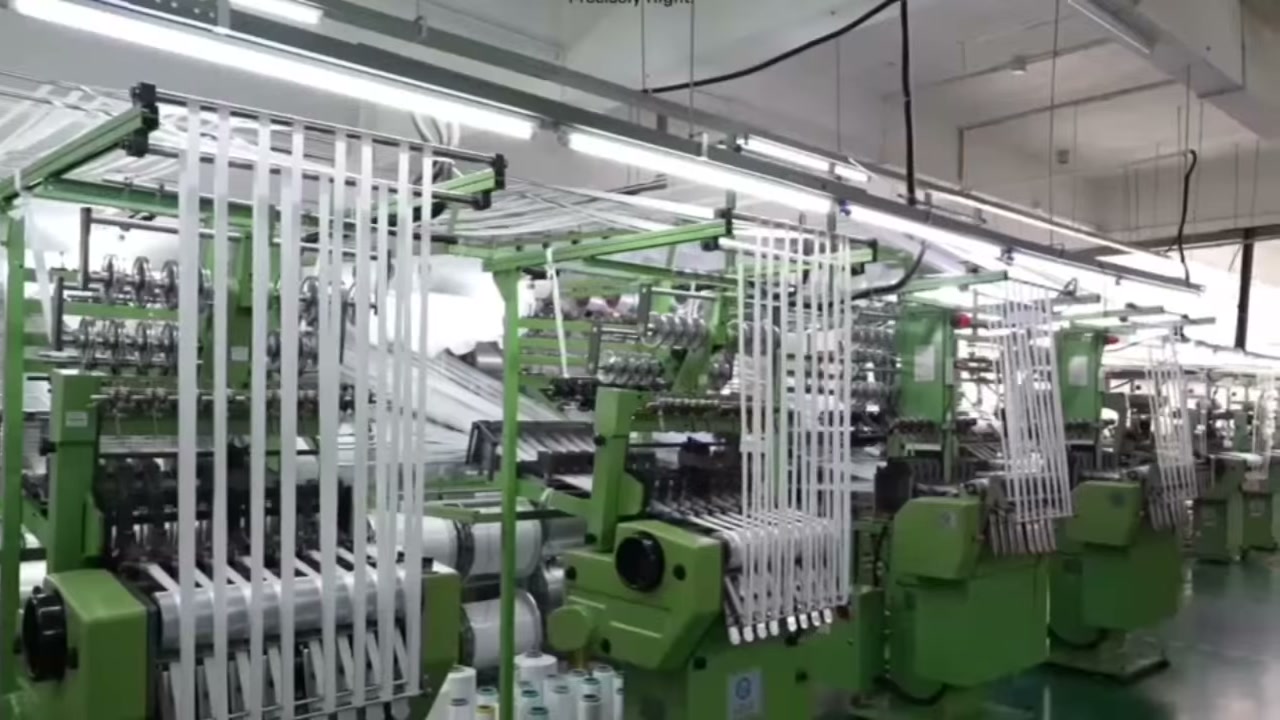
How to Source Custom Award Ribbons Without Sampling Scams
Skipping the physical sample causes many industry disputes — don’t learn that lesson on your order.
Color accuracy to buyer-approved ΔE tolerance is impossible without a physical sample measured by a spectrophotometer against your Pantone C/U standard. Visual comparison under office lighting or a monitor will never match production dye lots — that’s how many custom award ribbon disputes start. The only way to eliminate that risk is a mandatory pre-production sample that verifies material, print method, and color before any bulk weaving begins.
- Physical sample approval can reduce mismatch and rework risk; use the signed sample, written specification, and dated production records as the control evidence.
- Spectrophotometer verification: Color is measured using a spectrophotometer against the Pantone C/U standard, not by human eye. Tolerance is tight: buyer-approved ΔE tolerance, the same standard luxury cosmetics brands demand for foil‑stamped packaging.
- Sample lead time: Approved artwork triggers a 7–14 business day turnaround for a physical sample that confirms material, print method (screen, foil, or digital), and exact Pantone match. You approve the sample, then bulk production begins.
- Dispute elimination: Once the sample is signed off, the color, print, and material are locked. This closed loop reduces the dispute risk that affects orders where sampling is optional or skipped.
Conclusion
Review the current pricing and spec sheets on the custom printed ribbon page. Compare material options and print methods side by side. Request a sample set tied to your Pantone reference — it’s the fastest way to validate batch-to-batch consistency before committing to a full run.
Frequently Asked Questions
What are custom award ribbons with logo made of?
Custom award ribbons are typically made of 100% polyester satin, which gives a glossy finish and vibrant print surface. Grosgrain, velvet, organza, or metallic materials are available for different textures and effects. Confirm your material priority and budget with your supplier.
What is the minimum order quantity for custom award ribbons?
For award ribbon and sash programs, MOQ starts from 1,000 pieces; for printed ribbon rolls, it is 3,000 yards per design. Exact MOQ is confirmed during the feasibility phase. Verify MOQ with your specific design details before quoting.
How long does it take to produce custom award ribbons?
Sample lead time is 7–14 business days after artwork approval, then bulk production takes 15–20 business days after sample sign-off. Expedited schedules must be confirmed during RFQ review and still require sample approval.
Can I get a sample before placing a bulk order?
Yes, physical sampling is mandatory—the factory will not proceed to bulk without your signed-off sample. Skipping this step causes many post-production disputes in the industry. Always request a physical sample and approve it in writing.
How do I ensure the color matches my brand exactly?
Use automatic Pantone C/U matching with a spectrophotometer at a buyer-approved ΔE tolerance—this is the standard for luxury brands. Submit your Pantone numbers or physical swatch. Validate color accuracy on the physical sample before approving bulk production.
Keep exploring
Recommended buyer guides
 Grosgrain vs Velvet Ribbon Printing: Texture Performance Guide
Evidence and specification note: Color targets, tolerances, test methods, documentation, acceptance criteria, and remedies must be confirmed for…
Explore guide
Grosgrain vs Velvet Ribbon Printing: Texture Performance Guide
Evidence and specification note: Color targets, tolerances, test methods, documentation, acceptance criteria, and remedies must be confirmed for…
Explore guide
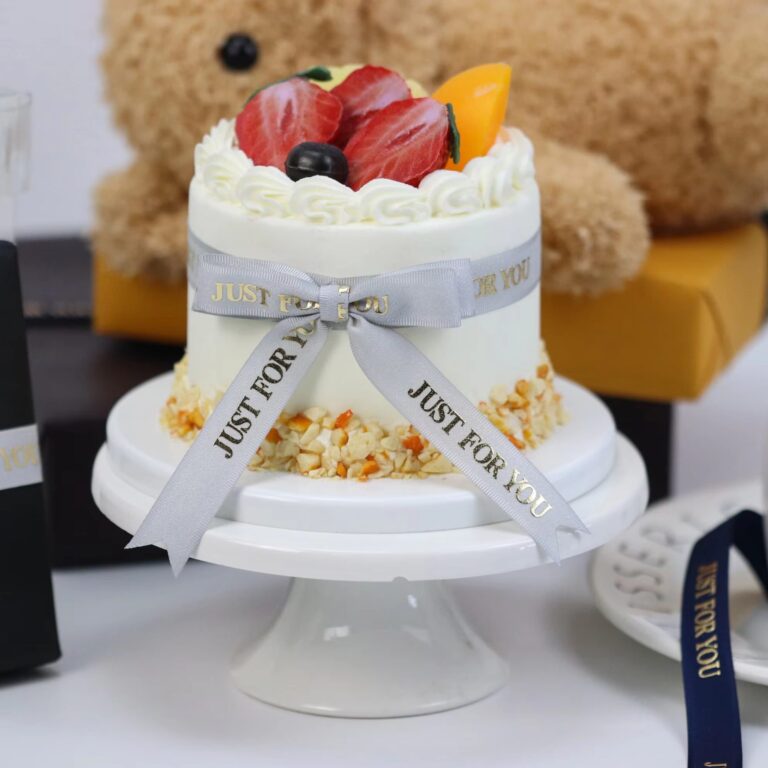 Double Face Satin Ribbon: Avoid Fraying & Foil Lifting in Bows
Evidence and specification note: Color targets, tolerances, test methods, documentation, acceptance criteria, and remedies must be confirmed for…
Explore guide
Double Face Satin Ribbon: Avoid Fraying & Foil Lifting in Bows
Evidence and specification note: Color targets, tolerances, test methods, documentation, acceptance criteria, and remedies must be confirmed for…
Explore guide
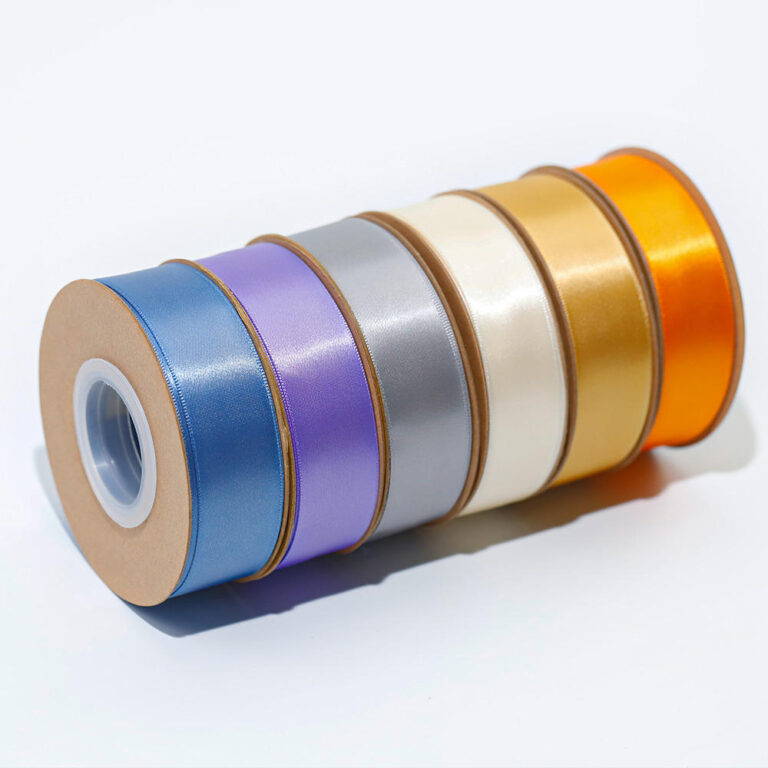 Satin Ribbon Roll Lengths: Bulk Importers’ Quality Guide
Evidence and specification note: Color targets, tolerances, test methods, documentation, acceptance criteria, and remedies must be confirmed for…
Explore guide
Satin Ribbon Roll Lengths: Bulk Importers’ Quality Guide
Evidence and specification note: Color targets, tolerances, test methods, documentation, acceptance criteria, and remedies must be confirmed for…
Explore guide
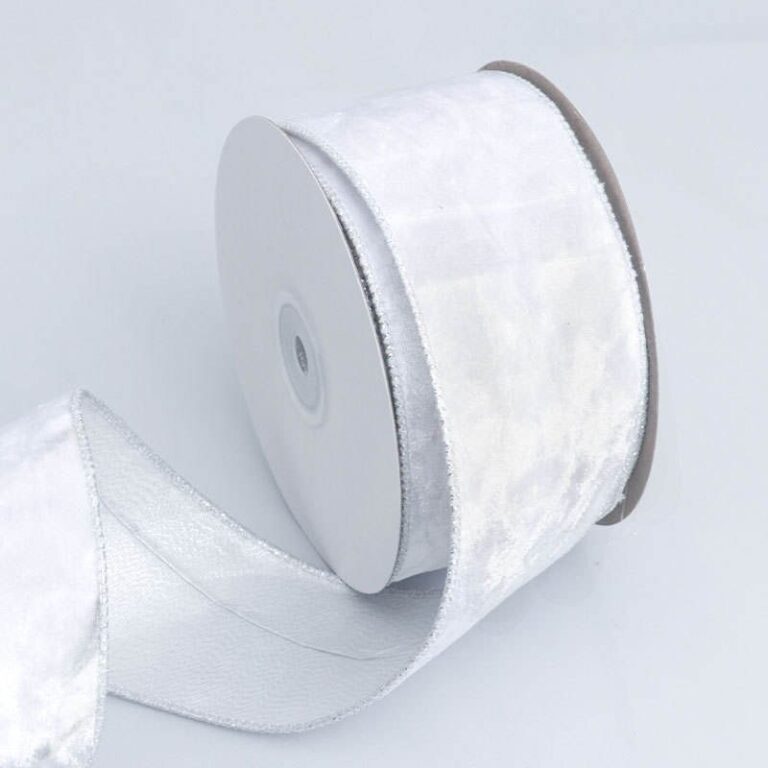 Grosgrain vs Velvet Ribbon: B2B Material Selection Guide
Evidence and specification note: Color targets, tolerances, test methods, documentation, acceptance criteria, and remedies must be confirmed for…
Explore guide
Grosgrain vs Velvet Ribbon: B2B Material Selection Guide
Evidence and specification note: Color targets, tolerances, test methods, documentation, acceptance criteria, and remedies must be confirmed for…
Explore guide
Leave a comment
Share a sourcing question or feedback on this guide. The Lude team reviews submissions before following up.