


Wholesale Organza Ribbon Sheer Opacity Color Approval Checklist Buyer
Buying organza ribbon sheer opacity color approval checklist? Verify sample approval, color tolerance, and QC checks to reduce quoting errors and approval
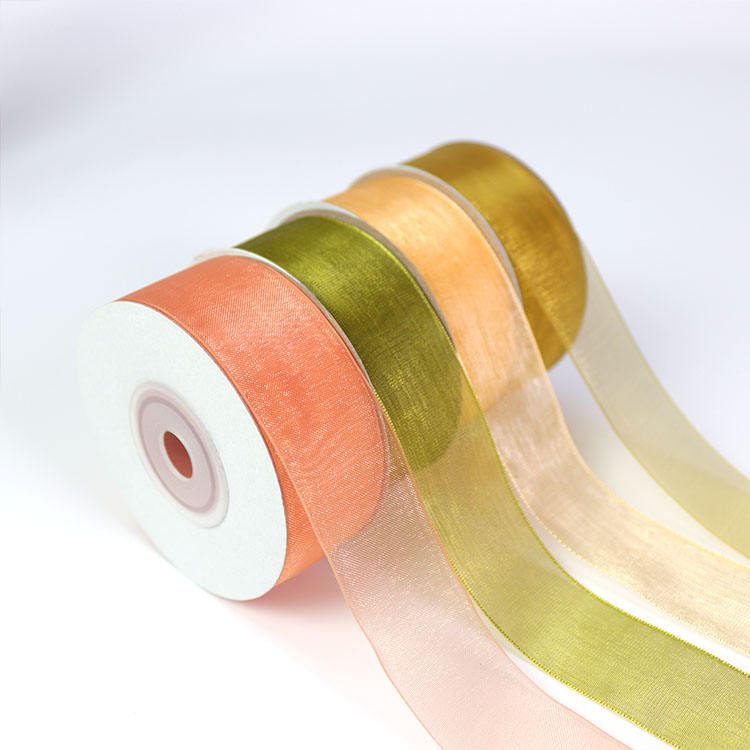
Organza color cannot be approved on its own, because what you see is the ribbon plus whatever sits behind it. Approve it over the real substrate.
Direct answer: For organza ribbon sheer opacity color approval, buyers should decide whether Organza Ribbon Sheer Opacity Color Approval Checklist fits the use case, specs, MOQ, sample approval path, and supplier quote process.
Why organza colour cannot be approved on its own
| Option | Best fit | Trade-off | Risk to avoid | Verification | Follow-up |
|---|---|---|---|---|---|
| Current specification | Matches existing packaging or event program where color consistency is already proven across multiple substrates. | Narrows supplier pool to those who can match dye lots to your reference across sheer and opaque materials. | Approving color on organza alone ignores how the same dye reads on satin or grosgrain, causing mismatch at assembly. | Request a cross-substrate drawdown from the same dye batch before approving any single ribbon color. | Send your current spec sheet to shortlisted suppliers and ask for a three-substrate color card. |
| Alternative specification | Useful when the organza ribbon will be paired with a non-ribbon material like paper or fabric in the final product. | Requires additional substrate samples and may extend the approval cycle by one round. | Without a paired-material standard, the organza color can shift perception against the adjacent surface under retail lighting. | Hold the organza sample against the actual end-use material under daylight, warm, and cool LED before sign-off. | Define the paired material in your RFQ and request a joint sample set from each candidate supplier. |
| Custom option | Best when the organza must match a brand color across multiple ribbon types and print methods in a coordinated program. | Custom dye development adds lead time and requires a minimum run that must be confirmed per material and width. | Approving a custom color on organza alone can lock you into a dye formulation that looks different on wider or printed ribbon. | Ask for a production drawdown on every width and substrate type that will carry the custom color in the final order. | Provide your PMS or brand color reference and request a cross-width, cross-substrate dye strike-off for review. |
| Safer fallback | Works for programs where the organza ribbon is used alone or with a neutral backing that does not compete visually. | Limits design flexibility if the program later adds a second ribbon or printed element that must match. | A fallback spec may still shift if the supplier changes yarn source or dye lot without a cross-substrate benchmark. | Require a signed dye lot tolerance statement and a retained reference sample from the approved production run. | Archive a sealed cross-substrate reference set and include a reorder clause that triggers a new approval if the substrate changes. |
For current specification, a poor decision can mean approving color on organza alone ignores how the same dye reads on satin or grosgrain, causing mismatch at assembly. Request a cross-substrate drawdown from the same dye batch before approving any single ribbon color.
Preserve the current specification decision under one revision number: keep the supplier response, marked sample, approved specification, quotation, and approval owner together. If the evidence conflicts with the approved record, hold the quote, sample, or production release until the deviation is explained in writing. Once the buyer and designated technical authority have accepted the evidence, carry the signed Why organza colour cannot be approved on its own record into the purchase order, production handoff, shipment release, and later reorder review so every team works from the same baseline.
The substrate behind the ribbon is part of the colour
Organza is sheer, so the backing surface, white paper, a dark table, or another ribbon layer, alters the perceived colour. A colour approved on white paper will look different when wound on a cardboard core or tied against a gift box. The substrate becomes part of the colour equation.
What goes wrong when you approve on white paper
White paper reflects light differently than organza's woven polyester substrate. The approved shade may appear washed out or too saturated on the actual ribbon. This mismatch causes rejected shipments, re-dye costs, and delayed timelines. Always request a sample on the actual organza material before bulk approval.
Specifying sheerness so two suppliers quote the same thing
| Requirement | Factory control | Evidence to verify | Order risk | RFQ follow-up |
|---|---|---|---|---|
| Color and dye-lot control | Confirm the agreed color and dye-lot control in the quote and approval record. | Compare supplier evidence with the approved specification before release. | An unrecorded color and dye-lot control can change cost, quality, or delivery. | Add the requirement and acceptance method to the RFQ. |
| Sample approval | Lock written sample approval before bulk production starts. | Compare the sample with the tech pack and approved measurements. | Production can drift when no approved reference sample is recorded. | Attach the signed sample record to the purchase order. |
| MOQ and order quantity | Confirm MOQ by model, color, size run, and customization level. | Request separate quantity rules for stock and custom production. | A blended MOQ can hide color or size minimums and surcharges. | State quantity per model, color, and size run in the RFQ. |
Opacity, weave density, and yarn count
Organza sheerness is determined by yarn denier and picks per inch. A 40-denier warp with 60 picks per inch yields a more open weave than a 50-denier yarn at 80 picks. Specify both yarn count and weave density in your spec sheet to lock the exact transparency level. Without these parameters, two suppliers may interpret sheer differently, causing color approval failures.
Wording that does not rely on the word sheer
Instead of writing sheer organza, define the maximum light transmission percentage or the visible contrast against a white backing. Use terms like open weave, low cover factor, or translucent substrate. This removes ambiguity in RFQs and sample reviews. For OEM and ODM ribbon development, such precise wording ensures both parties measure the same attribute during color approval.
Questions to confirm before ordering:
- What is the specified opacity measurement for this organza ribbon? Sheer opacity varies by weave density and yarn denier; two suppliers can interpret 'sheer' differently and deliver ribbons that look mismatched under retail lighting. Supplier provides a target opacity percentage or references a light-transmission standard, not just the word sheer. Approving color on a sample that is more opaque than bulk production leads to rejected finished goods and rework costs. Document the opacity threshold in the spec sheet and require a signed approval on the first production sample.
- How does the supplier measure and report weave density (ends per inch and picks per inch)? Weave density directly controls sheerness and color depth; a loose weave passes more light and alters the ribbon's appearance against different backing surfaces. Supplier lists EPI and PPI on the spec sheet and can produce a weave-count report from the greige stage. Without density control, bulk rolls may have inconsistent opacity, causing color rejection at final inspection. Request a weave-density certificate with the first article sample and compare it to the agreed spec.
- What wording does the supplier use to define sheer in the contract or work order? Relying on the word sheer alone invites interpretation gaps; a supplier may deliver a ribbon that is translucent while the buyer expects a visible haze. Supplier uses measurable terms such as light transmission percentage, yarn count, or a reference standard instead of the word sheer. Ambiguous sheer language leads to disputes during color approval and delays the production schedule. Rewrite the spec to replace sheer with a quantified opacity target and include it in the purchase order.
- Does the supplier perform a backing-surface color check during sample approval? Organza's transparency means the color changes when laid on white paper, a dark table, or another ribbon; OEM and ODM ribbon development often fails because this check is skipped. Supplier's sample-approval process includes a documented backing-surface test for every color submission. Approving a color on one surface that fails on the intended packaging or display surface causes last-minute reorders. Send the supplier a sample of your actual backing material and require a photo of the ribbon on that surface before sign-off.
- What is the supplier's tolerance for color variation across dye lots for sheer organza? Sheer organza dyes differently than opaque ribbon; even a small dye-lot shift becomes visible when the ribbon is layered or backlit. Supplier states a delta-E tolerance (e.g., ≤ 1.5) and provides a spectrophotometer report with each dye lot. Accepting wide color tolerance results in visible mismatches between reorder batches and disrupts just-in-time packaging schedules. Set the delta-E limit in the spec and require a dye-lot report before bulk production begins.
Opacity in organza ribbon is not a fixed property; it shifts with weave density and yarn denier. A tighter weave with higher ends per inch reduces light transmission, while a looser weave increases sheerness. Yarn count determines the ribbon's body and how it holds color. Without these three metrics on the spec sheet, two suppliers can quote the same thing yet deliver ribbons that look completely different under store lighting.
The word sheer is too vague for a procurement spec. Replace it with a measurable light-transmission percentage or a reference to a physical opacity standard. When both buyer and supplier agree on a numeric target, the color approval process becomes repeatable across dye lots. This wording also prevents disputes when the ribbon is inspected against a white or dark backing surface.
Building the substrate comparison for approval
Build the RFQ around the backing surface (white paper, dark table, doubled ribbon) for each color approval sample. Match every listed buyer input to written supplier confirmation, approval evidence, and the risk that would hold the quote.
- Specify backing surface (white paper, dark table, doubled ribbon) for each color approval sample. Organza's sheer weave transmits backing color; a color approved on white may shift to grey on a dark gift box. Request a swatch laid over white bond, a black mat, and a doubled fold of the same ribbon. Bulk ribbon may be rejected at packing because the color looks wrong against the intended packaging. Add a line to your quote request: 'Submit one sample per backing surface listed in the spec sheet.'
- Document light transmission percentage or pick count instead of writing 'sheer'. Opacity is a measurable variable; vague terms let suppliers ship ribbon that is too transparent or too dense. Write 'a maximum light transmission you state at 600 nm' or 'minimum 42 picks per inch' in the spec. You receive ribbon that looks correct in the showroom but fails the brand's in-store lighting standard. Ask the supplier to confirm the test method (e.g., ISO 2859-1 sampling) and include it in the approval record.
- Confirm lead time in business days after sample sign-off, including artwork review and shipping. Lead time directly affects your launch calendar; a missed window can delay an entire event or retail drop. Request a written commitment that states production days after specs are confirmed plus artwork review time. The supplier starts the clock at order placement, not at spec finalization, adding hidden weeks. Add a lead-time clause to the PO: 'Production begins only after written sample approval is sent.'
- Identify the cost driver: yarn denier, pick count, or custom dye lot size. Higher denier or tighter weave increases material cost; small dye lots add setup fees. A 40-denier organza with 48 picks per inch costs measurably more than a 30-denier version at the same width. You approve a sample that is cost-prohibitive at scale, forcing a last-minute spec change. Ask the supplier for a cost breakdown by denier and pick count before finalizing the spec.
- Verify that the supplier's quality and color control process includes a spectrophotometer reading for every dye lot. Organza dye lots can shift between runs; a spectrophotometer provides a numeric pass/fail against your standard. Request a buyer-approved color tolerance (dE) tolerance of ≤1.0 for solid colors and ≤1.5 for prints. You receive two batches that look identical in the sample but differ noticeably under retail lighting. Add a QC clause: 'Supplier must submit a spectrophotometer report with each shipment.'
Which backgrounds to include, and why
Organza is translucent, so the backing surface changes how the color reads. White paper makes the ribbon look lighter; a dark table makes it appear deeper. For approval, include at least a white and a dark background that match the final packaging or display surface. This prevents the common rejection where the ribbon looks correct in the sample room but wrong on the actual product.
Single layer versus doubled, bow versus flat
A single layer of organza shows more transparency; a doubled layer or a bow with multiple folds reduces light transmission and deepens the color. Approve both configurations if the ribbon will be used both flat and tied. Without this comparison, you may approve a flat sample that looks washed out when formed into a bow, or a bow sample that is too dark when laid flat.
Running the approval so it is repeatable
At this process checkpoint, the output must be a signed-off color standard with explicit lighting and viewing distance parameters. Without these, the next stage cannot proceed reliably.
Lighting and viewing distance to state
Specify buyer-approved viewing conditions or TL84 lighting at 45/0 geometry, and a fixed viewing distance. This eliminates variability between factory and buyer evaluations.
Who signs, and what they are signing against
The buyer’s quality manager and the factory’s production manager must sign the approved sample against the original reference. Use ISO 2859-1 sampling for batch inspection. This reduces production risk by catching opacity drift early.
For cost and minimum order, the signed sample locks in the dye and weave specification, preventing rework charges. Factory execution relies on this sign-off to proceed to bulk cutting. quote request handoff includes the signed standard and lighting notes.
For more on color quality management, see gift and retail packaging ribbon solutions.
Where organza colour drifts between lots
For organza ribbon sheer, this section converts where organza colour drifts between lots into quote request inputs, supplier evidence, approval risk checks, and the next sample or quote decision.
Dye uptake on a sheer weave
When the dye uptake varies on a sheer weave, the colour drifts between lots. Use this decision rule: approve a colour standard only when the buyer-approved color tolerance is ≤ 1.0 under buyer-approved viewing conditions at a 45/0 geometry, measured on a single layer over a white backing. This threshold prevents the visual shift that occurs when the ribbon is backlit or layered. For a sheer stock, the dye bath concentration and fabric tension directly affect uptake. Factory execution must include a pre-production sample from the same yarn lot as the bulk order. The quote request should specify the backing surface and lighting condition to avoid ambiguity during handoff.
Setting a tolerance that suits a sheer stock
Set a tolerance that accounts for the weave’s openness. Use ISO 2859-1 sampling inspection standard to check colour consistency across rolls. A tolerance of ±0.5 buyer-approved color tolerance for the primary colour and ±0.3 for the secondary hue helps keep the sheer effect uniform. This reduces production risk of rejects and re-dyeing, which can add cost. For the color approval checklist, include a visual match under both daylight and incandescent light to catch metamerism. The sample handoff must include a signed-off standard with lighting and viewing distance noted.
Edge finish and how it changes perceived colour
At this process checkpoint, the output must be a signed-off color standard that includes edge-finish type and a finished bow sample, not just a roll swatch. The edge finish, cut, satin, or wired, alters how light interacts with the ribbon, shifting perceived colour by up to one shade on the grey scale.
Cut edge, satin edge, and wired edge
Cut-edge organza frays and scatters light, making colours appear slightly muted. Satin-edge ribbon has a melted or stitched border that reflects light more uniformly, intensifying hue. Wired edge adds a metallic wire that creates a shadow line, darkening the perceived colour visibly in side-by-side comparisons. Always request a finished bow made with the intended edge type for colour approval.
What to check on the finished bow, not the roll
Roll colour can differ from bow colour due to folding, tension, and edge reflection. Inspect the bow under buyer-approved viewing conditions daylight at a 45° angle, using ISO 2859-1 sampling for production lots. Verify that the edge finish does not introduce a yellow or blue cast, common with satin-edge heat sealing. Document any shift in a colour log and include the edge type in your quote request to avoid rework.
| Edge Type | Perceived Colour Shift | Production Risk |
|---|---|---|
| Cut edge | Muted and lighter | Fraying, inconsistent width |
| Satin edge | Intensified and richer | Heat-seal yellowing |
| Wired edge | Noticeably darker | Wire corrosion, shadow effect |
During quote request handoff, provide a finished bow sample and specify edge finish. Factory must submit a pre-production bow for colour sign-off before bulk cutting. This step reduces colour rejection risk in subsequent orders.
Putting the approval into the order and the reorder
When the color approval is not explicitly tied to the purchase order, the factory may default to a previous batch or a different dye lot, leading to costly rework and delayed shipments. A clear specification in the PO eliminates ambiguity and ensures the approved standard is the only reference for production.
The lines to include in the purchase order
- Reference the signed-off color standard by its unique approval ID and date, including the backing surface (e.g., white paper, dark table) and lighting condition (e.g., buyer-approved viewing conditions) used during approval.
- State the acceptable color tolerance (e.g., buyer-approved color tolerance under CIE Lab) and the measurement method (e.g., spectrophotometer with a 10° observer).
- Specify the sampling plan per ISO 2859-1, including the inspection level (e.g., Level II) and acceptable quality limit (AQL) for color variation.
- Include a clause that any deviation from the approved standard requires written re-approval before production continues.
Re-approval triggers worth naming up front
To avoid surprises, define the events that automatically require a new color approval. These triggers should be stated in the PO and communicated to the factory before the first production run.
| Trigger Event | Verification Question for Buyer |
|---|---|
| Change in dye lot or supplier of raw ribbon | Has the factory provided a new dye lot sample for approval? |
| Change in finishing process (e.g., edge sealing, heat setting) | Does the new process affect the ribbon’s opacity or color? |
| Change in backing surface or lighting used for inspection | Is the inspection condition consistent with the original approval? |
| Time elapsed since last approval (e.g., more than 6 months) | Has the color standard been revalidated within the last 6 months? |
By embedding these requirements into the purchase order and naming re-approval triggers upfront, you reduce the risk of off-spec production and streamline the reorder process. The factory knows exactly what is expected, and the buyer retains control over color consistency across batches.
Source check: ISO 2859-1 sampling inspection standard.
In conclusion
For organza ribbon sourcing, the color approval checklist is the practical gate that prevents expensive rework and mismatched final packaging. By verifying the backing surface, establishing a measurable opacity standard (such as thread count or light transmission), and documenting a signed-off physical sample that matches the actual box or substrate, you convert subjective visual judgment into a repeatable spec. This clarity directly reduces supplier risk and shortens the lead time to production because both parties share an unambiguous reference. When you validate the spec and approve the sample before the order is placed, you also avoid the hidden cost of re-approval loops triggered by changes in material finish or packaging substrate. The result is a smoother quote request handoff where the supplier can quote accurately on the defined quality, and you can compare options with confidence.
To operationalize this checklist, ensure your purchase order explicitly names the approved color standard, opacity measurement method, and re-approval triggers. Shortlist a supplier who can demonstrate consistent color fastness and edge finish on organza, and request a production sample that matches the signed-off standard. With these steps documented, you can approve a sample and move forward knowing the final ribbon will reflect the intended sheerness and color.
To approve a sample for organza ribbon sheer, use organza ribbon to confirm the final specification, quote assumptions, sample approval, QC evidence, approval risk, and supplier follow-up before bulk order.
FAQ
Why does organza ribbon look like a different colour on different packaging?
The apparent colour shift is usually caused by the backing surface behind the sheer fabric. Compare your ribbon sample against the actual packaging material and box colour it will be applied to, not a white desk or paper. Document the approved backing colour and lighting condition (daylight vs. warm store light) on the colour approval form, and verify that the supplier’s production sample matches that exact backing.
Should organza samples be approved on white paper or on the actual box?
Always approve colour samples on the actual box or final packaging substrate, because white paper reflects light differently and makes organza appear brighter and less transparent. Request a sample that is adhered or tied to the exact box material, then check the colour under the store or event lighting where the ribbon will be seen. This step prevents a costly mismatch between the approved lab dip and the production look on the shelf.
How is opacity specified so two suppliers quote the same sheerness?
Opacity must be defined by a measurable standard, such as thread count per inch or a specific denier for the yarn, plus a light-transmission test method. Include in your quote request a requirement for the supplier to state their opacity specification (e.g., “sheer” vs. “semi-sheer”) and provide a physical opacity chip or a photo of the ribbon held over a standard black-and-white grid. Confirm the minimum order and lead time for that exact construction, because a change in yarn thickness or weave density will alter both cost and sheerness.
Does a heavier organza always read as less sheer?
Not always; a heavier organza can still be sheer if the yarn denier is fine and the weave is open, while a lighter-weight ribbon can appear opaque if the weave is tight. Specify both weight (grams per square meter) and a light-transmission requirement in your specification sheet. Ask the supplier for a sample set that includes the exact weight you are ordering, then verify the sheerness by holding it over printed text or a standard grid pattern before approving production.
Keep exploring
Recommended buyer guides
 Wholesale Foil Printing vs Screen Printing Ribbon: Buyer Comparison
Foil printing vs screen printing ribbon: side-by-side on artwork files, print method, color target, and sample approval. Pick…
Explore guide
Wholesale Foil Printing vs Screen Printing Ribbon: Buyer Comparison
Foil printing vs screen printing ribbon: side-by-side on artwork files, print method, color target, and sample approval. Pick…
Explore guide
 Organza Ribbon Sheer Finish and Print Comparison for Custom Orders
 — the checks that decide whether a quote,…
Explore guide
Organza Ribbon Sheer Finish and Print Comparison for Custom Orders
Organza Ribbon Sheer Finish and Print Comparison for Custom Orders — the checks that decide whether a quote,…
Explore guide
 Velvet Ribbon Pile and Finish Comparison for Custom Orders Buyer
: what to confirm on material, MOQ, sample checks,…
Explore guide
Metallic Ribbon Finish Comparison for Custom Orders: Buyer Checklist
Metallic Ribbon Finish Comparison for Custom Orders: what to confirm on material, dimensions, finish, and handling before you…
Explore guide
Velvet Ribbon Pile and Finish Comparison for Custom Orders Buyer
Velvet Ribbon Pile and Finish Comparison for Custom Orders Buyer: what to confirm on material, MOQ, sample checks,…
Explore guide
Metallic Ribbon Finish Comparison for Custom Orders: Buyer Checklist
Metallic Ribbon Finish Comparison for Custom Orders: what to confirm on material, dimensions, finish, and handling before you…
Explore guide
Leave a comment
Share a sourcing question or feedback on this guide. The Lude team reviews submissions before following up.