


Organza Ribbon For Gift Packaging: Gift packaging fit
Which Organza Ribbon For Gift Packaging options deserve an RFQ? Compare sample approval, color tolerance, QC checks, and material to find the right supplier.
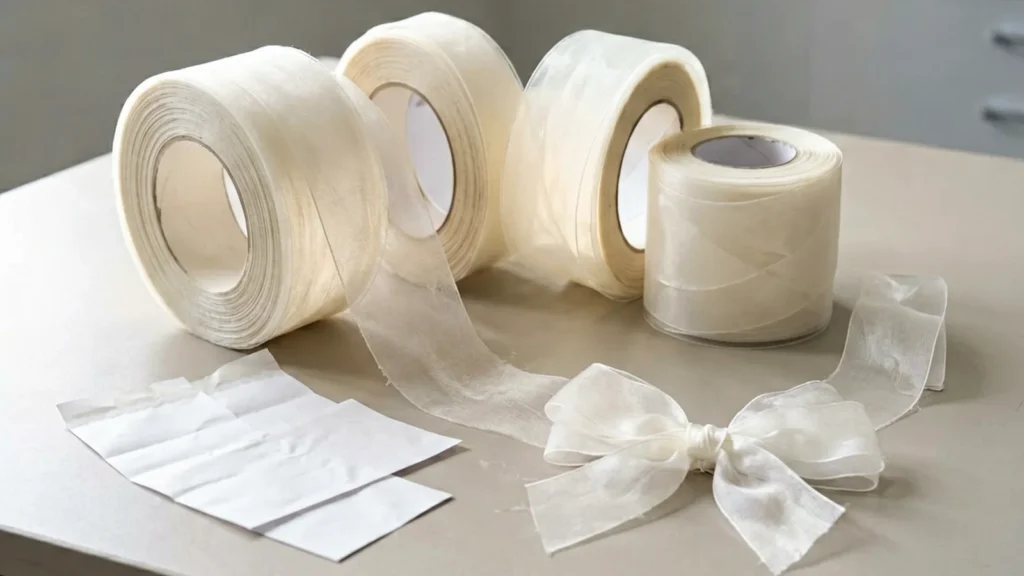
Before you can map product choices to real applications, usage scenarios, buyer constraints, and project outcomes, the specification has to say enough for a supplier to price the same job you have in mind.
Organza reads differently over dark and light packaging, which makes the pack color part of the ribbon decision.
Direct answer: For organza ribbon for gift packaging, buyers should map product choices to real applications, usage scenarios, buyer constraints, and project outcomes.
Where organza ribbon gift packaging fits event projects
Organza is the only common ribbon that takes its colour partly from what sits underneath it. The same roll reads pale on a white box, warm on kraft, and muddy on a dark one. Choosing it means choosing the pack it goes onto at the same time, and approving it on anything else is a decision made against the wrong background.
| Application | Fits when | Risk to watch | Verification check before ordering |
|---|---|---|---|
| Layered over a satin band | The pack needs depth rather than a single colour | The under-ribbon changes the visible shade | Approve the pair together, not separately |
| Single tie on a light box | The pack is pale and the effect is meant to be soft | Looks washed out on kraft or dark board | Lay the sample on the real board before approving |
| Sheer overlay on printed board | Artwork should show through the ribbon | Print reads differently under the weave | Check the overlay against the printed pack |
| Wedding and event favours | Small pieces, high volume, short handling | Cut ends fray in packing | Handle a cut length and inspect the end |
The trade-off is straightforward: organza costs less than a heavy satin at the same width but demands more from the approval process, because two of the four applications cannot be judged from the ribbon alone. Ask the factory to send the sample already laid on your board rather than loose, since that is the only form in which the sample answers the question.
Material, finish, and format decisions
Four signals mean an organza gift program will not hold, and each is checkable before anything is made.
| Warning sign | Why it matters | Verification check | Risk if ignored |
|---|---|---|---|
| Shade approved on a white bench | Organza takes colour from the surface under it | Send your board and ask for the sample laid on it | A shade that disappears on the production pack |
| Cut ends shown fresh | Fine weaves fray after handling, not at the cutting table | Ask for a handled length and inspect the end | Fraying that shows on packed goods |
| No edge finish named | Woven, sealed, and cut edges behave differently on a sheer weave | Ask which edge is quoted and see it | A cheaper edge supplied than the one imagined |
| Supplier capability described in general terms | Dye uptake on an open weave is a finishing skill | Ask which steps run in-house and see the dye floor | Quality answers that stop at their own supplier |
The first row causes most organza disappointments and costs nothing to prevent. Send a piece of the actual packaging with the specification and ask for the shade approved over it. For gift and retail programs that sequence is documented in gift and retail packaging ribbon solutions.
Application and display requirements
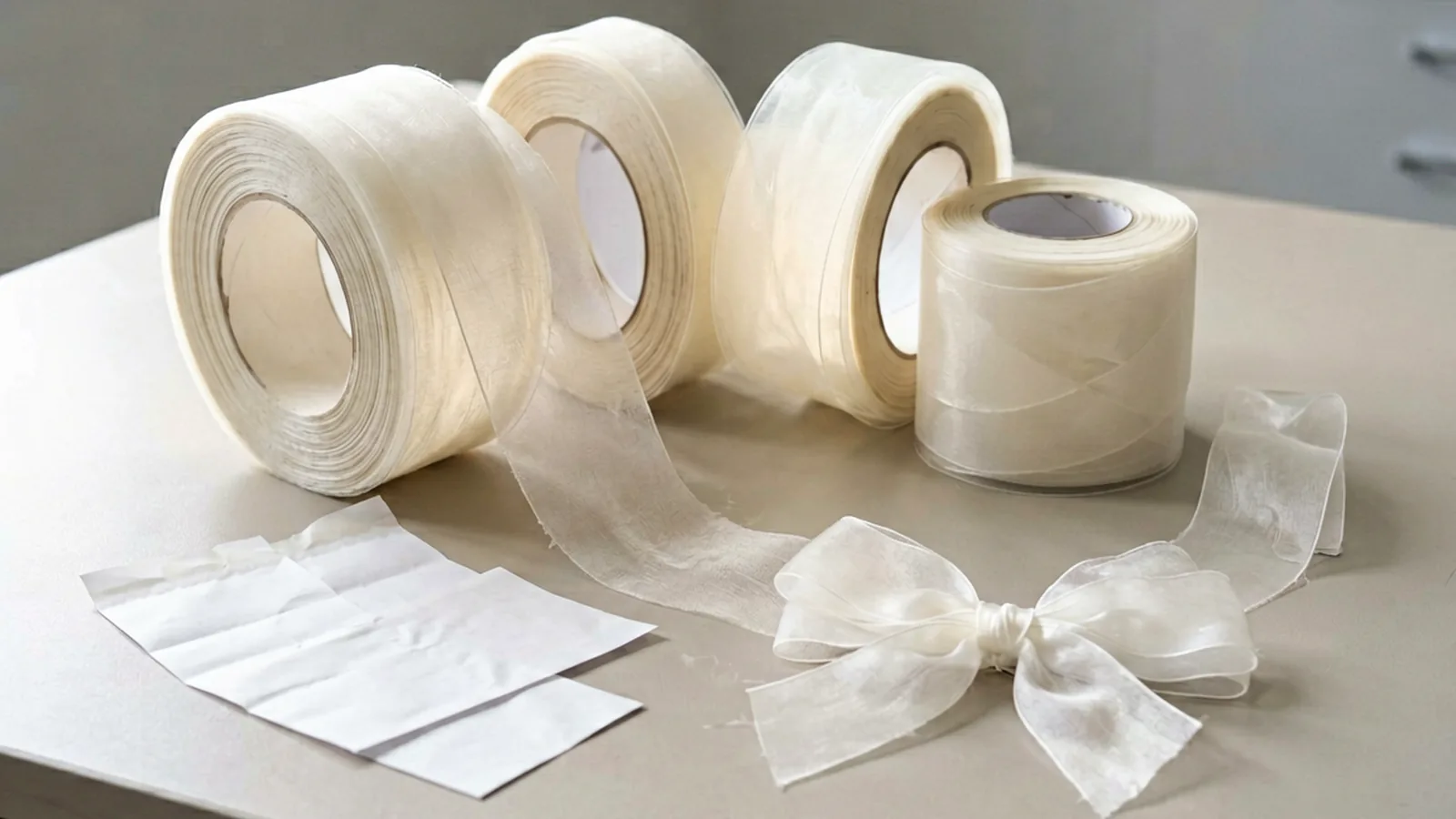
Three ways of using organza on a gift pack, compared on what each one asks of the ribbon rather than on appearance.
| Option | Best fit | Trade-off | Risk to verify |
|---|---|---|---|
| Organza alone | Light packs where softness is the point | A thin bow that collapses at width | Tie a sample on the pack and look at it a day later |
| Organza over satin | Depth and a colour that holds | Two materials to approve and two minimums | Approve the pair together on the real board |
| Printed organza | Artwork that should float rather than sit | Ink reads against whatever is behind it | Proof the artwork on the production pack |
The cost driver is the second row rather than the material: a layered bow doubles the components and the approvals, and the labour of tying two ribbons is where the budget actually goes. Where artwork is involved, custom printed ribbon adds its own per-design threshold and an approval step ahead of production.
MOQ, lead time, and sample planning
Five inputs make an organza quote comparable, and the first one is specific to sheer material.
- The packaging substrate. Send a piece of the board or box. Ask the supplier to approve the shade over it; the risk of skipping this is a re-approval after the first sample, which costs a round rather than money.
- Width and edge finish. Name both. On a sheer weave the edge is a cost driver as well as a quality question, so ask which one the price covers.
- Colour route. Plain stock ribbon starts at 1,500 yards from existing colors and widths; a custom shade is confirmed by quote request and adds a dye lot approval step.
- Format. Say whether you need ribbon or finished bows. Ready-made bows and award ribbons start at 1,000 pieces, counted per style.
- Dates. Standard production runs 15 to 20 business days once specifications are approved, with sampling and dye lot approval outside that window. Ask the supplier which of those is already booked.
Where a pack needs a construction not held in stock, that development runs through OEM and ODM ribbon development, and quality inspection on a fine weave is worth agreeing at the same time as the specification.
Buyer checklist before RFQ
Five checks belong in the approval record for a sheer program. Each returns a physical result, and each should be run on the pack rather than on the bench.
- Shade over the production board. Lay the sample on the actual packaging and judge it there. The defect is a shade approved against white and used against kraft; the approval standard is the board named in the record.
- Bow body at the intended width. Tie the bow on the pack and look at it the next day. Organza has little body, so a width that works in satin can collapse here. The approval standard is the tied sample after settling.
- Cut end after handling. Work a cut length between your fingers and inspect the end. Verification is the handled piece, not a fresh cut.
- Layer behaviour, if layered. Approve the organza and the under-ribbon together. Two shades that each pass alone can read wrong stacked, and the check is the assembled bow.
- Lot marking present. Keep the approved piece with its batch reference so the reorder has something to match. Without it a shade question has no settling point.
Ask for one pre-production sample against the approved specification, with its lot marking intact, and approve it in writing over your own packaging material. On sheer that signed piece settles the two disputes that actually happen: shade over the pack and edge condition after handling.
Source check: Organza – Wikipedia.
In conclusion
The decision behind organza ribbon for gift packaging is whether the pack underneath is part of the effect or working against it. Answer that before comparing suppliers, because it changes the specification rather than the price.
Where the softness is the point and the pack is pale, the route is organza ribbon approved over the production board. Where the bow has to hold its shape at width, layering over a satin band is usually the honest answer, and the cost driver there is the labour of tying two ribbons rather than the second material. Choosing organza alone at width carries the risk of a bow that looks right in the sample room and flat on the shelf.
Send a piece of your packaging with the specification to two or three suppliers, and ask each for a tied sample on that board with its lot marking intact. Verify the shade over the pack, check the bow the next day, approve in writing, and keep the piece.
Organza ribbon gift packaging FAQ
What should buyers confirm before ordering Organza Ribbon For Gift Packaging?
Confirm the width, the edge finish, the shade over your actual packaging board, and whether the bow is organza alone or layered over another ribbon. Organza takes part of its colour from what sits under it, so the substrate belongs in the specification.
How should buyers compare MOQ, lead time, and quote terms?
Compare by production route rather than as one number. Plain stock ribbon starts at 1,500 yards from existing colors and widths, and award ribbons and ready-made bows start at 1,000 pieces. Production then runs 15 to 20 business days after approval, with sampling and dye lot approval outside that window.
What sample, quality, or supplier checks reduce risk?
Lay the sample on the production board before judging the shade, tie a bow and look at it the next day to see whether it holds body, and handle a cut length to check the end. Keep the approved piece with its lot marking for the reorder.
RFQ handoff: Send Specs for Review.
Keep exploring
Recommended buyer guides
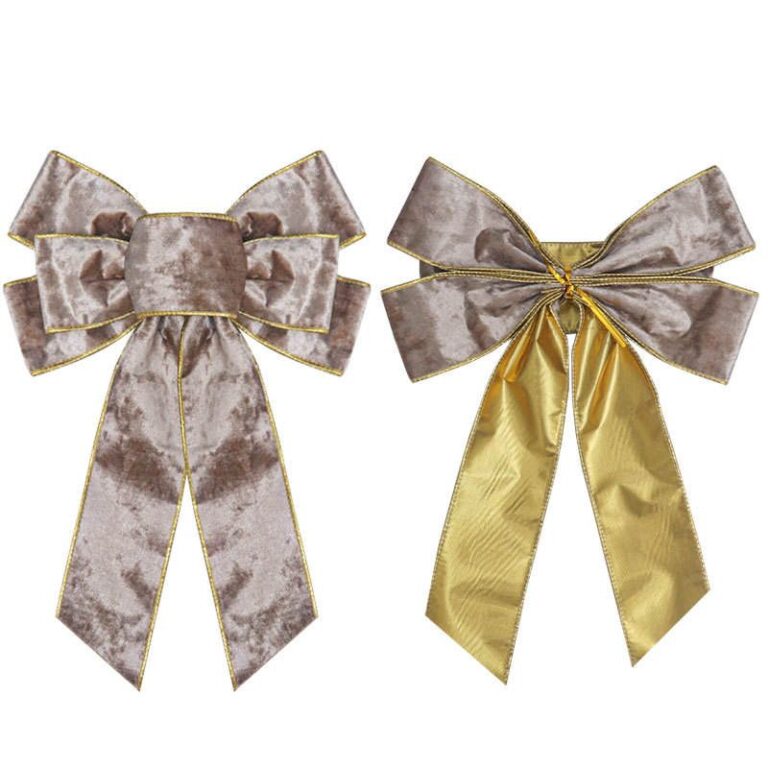 Pre-Tied Bows for Retail Packaging: When They Reduce Labor and Rework
See when pre-tied bows reduce retail packaging labor, improve consistency, and simplify bulk packing, SKU planning, and reorders
Explore guide
Pre-Tied Bows for Retail Packaging: When They Reduce Labor and Rework
See when pre-tied bows reduce retail packaging labor, improve consistency, and simplify bulk packing, SKU planning, and reorders
Explore guide
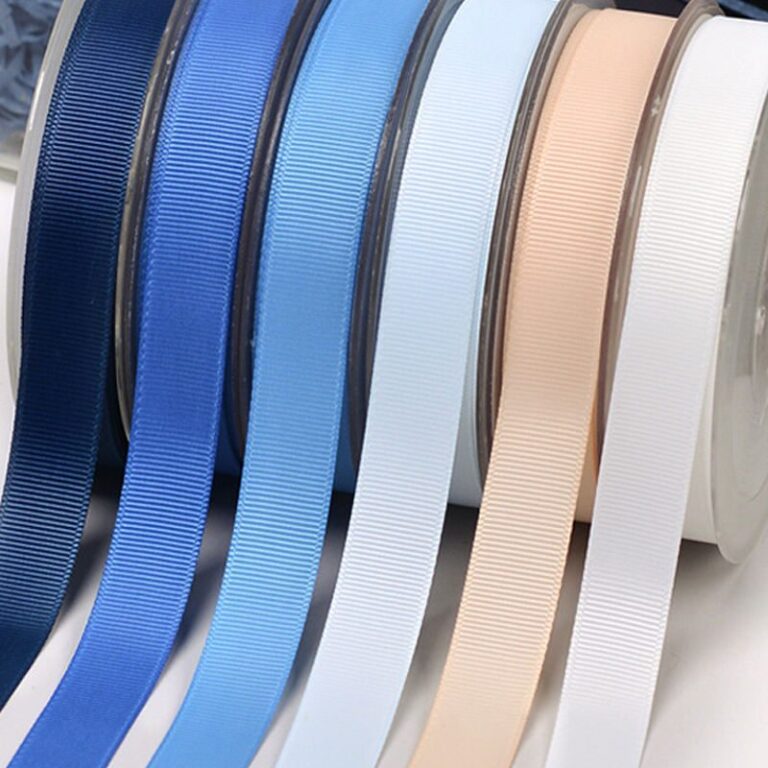 Wholesale Grosgrain Ribbon Rolls: Specs, Roll Length, and RFQ Checks
Buying Grosgrain Ribbon Rolls? Verify sample approval, color tolerance, QC checks, and material to reduce quoting errors and…
Explore guide
Wholesale Grosgrain Ribbon Rolls: Specs, Roll Length, and RFQ Checks
Buying Grosgrain Ribbon Rolls? Verify sample approval, color tolerance, QC checks, and material to reduce quoting errors and…
Explore guide
 Wholesale Foil Printed Ribbon: Use-Case Fit and RFQ Checklist
Buying foil printed ribbon: buyer use-case fit checklist? Verify artwork files, print method, and color target to reduce…
Explore guide
Wholesale Foil Printed Ribbon: Use-Case Fit and RFQ Checklist
Buying foil printed ribbon: buyer use-case fit checklist? Verify artwork files, print method, and color target to reduce…
Explore guide
 Grosgrain Ribbon Width Guide: Width choice for packaging and bows
Grosgrain Ribbon Width Guide: what to check on artwork files, print method, color target, and material before placing…
Explore guide
Grosgrain Ribbon Width Guide: Width choice for packaging and bows
Grosgrain Ribbon Width Guide: what to check on artwork files, print method, color target, and material before placing…
Explore guide
Leave a comment
Share a sourcing question or feedback on this guide. The Lude team reviews submissions before following up.