


Moq Lead Time: Product Selection Checklist
A buyer's checklist for Moq Lead Time — covering MOQ, setup fees, unit cost, and packing from first sample to repeat orders
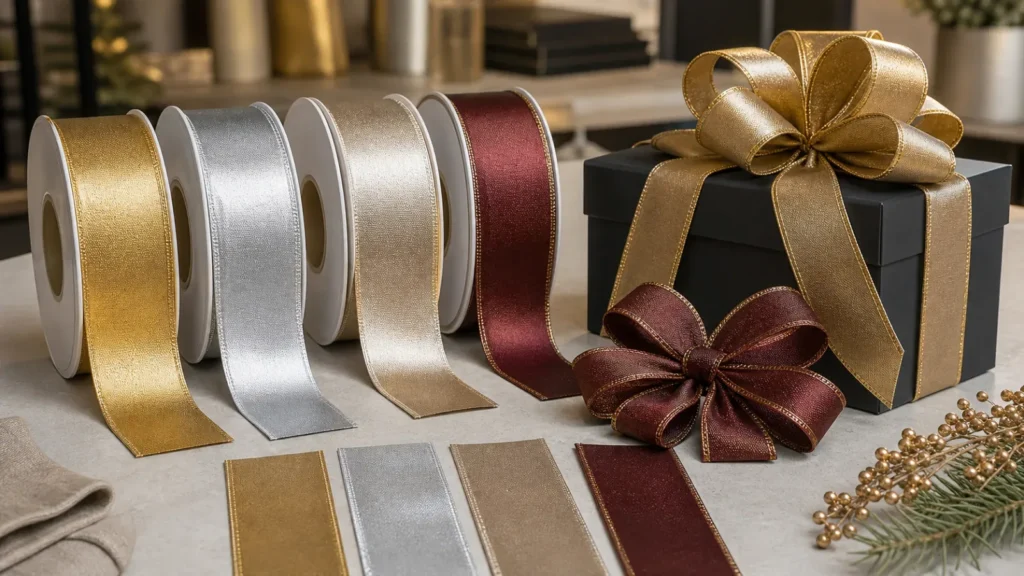
Different products set their minimums differently — by dye lot, loom setup, or coating run. Knowing which applies is what makes an MOQ negotiable.
Direct answer: For MOQ lead time: product selection, buyers should choose the right product type, structure, material, or specification.
Define the Buyer Requirement
Compare Define the Buyer Requirement for MOQ lead time against one RFQ revision. Each row should identify the requirement, approval evidence, and buyer action before production.
| Requirement | Factory control | Evidence to verify | Order risk | RFQ follow-up |
|---|---|---|---|---|
| Sample approval | Factory holds signed approval record with pass/fail criteria for color, print registration, and dimensions. | Request a sealed production sample against the approved master; measure with calibrated tools and compare to the signed record. | Missing or unsigned approval record can cause shipment rejection and reorder delays. | Request a signed sample approval record that documents the exact specification, tolerances, and sign-off date. |
| MOQ and order quantity | Factory confirms MOQ per material, print method, width, packing, and order schedule before production. | Check the RFQ response for itemized MOQ by product variant; verify that the total order meets the minimum for each line. | Under-ordering a variant triggers a new MOQ negotiation or price increase. | Shortlist product types by matching your specification—material, print method, width, and packing—to the supplier's MOQ schedule. |
| Lead time after approval | Factory commits to a production window only after all specifications, artwork, and sample are confirmed. | Request a written lead time quote that separates production days from artwork review, sample approval, and shipping. | Unconfirmed specifications extend lead time beyond the quoted window, risking launch dates. | Lock the product specification, sample sign-off, and order schedule before approving the lead time quote. |
For minimum order lead time, use Define the Buyer Requirement as the decision scope. Read the rows as one approval sequence. Start with sample approval; use the risk and buyer-action columns to decide whether its evidence is sufficient. Verify it with the inspection method and approval evidence recorded in the table.
For this minimum order lead time sourcing record, keep the supplier response, marked sample, and approval owner under the same revision number. If any proof conflicts with the approved record, hold the quote, sample, or production release until the supplier explains the deviation in writing. Before closing the checkpoint, reconcile the latest drawing, sample, quotation, and approval comments, identify which record controls if they disagree, and document the resolution. Carry the signed Define the Buyer Requirement table into the purchase order and production handoff so the same checks support quote comparison, sample approval, shipment release, and later reorders.
Compare the Available Routes
| Option | Best fit | Trade-off | Risk to avoid | Verification | Follow-up |
|---|---|---|---|---|---|
| Current specification | Matches your existing artwork, material, and construction with no revision needed. | May carry a higher MOQ if the supplier already runs this spec in bulk. | Assuming the spec is still current without checking for material or tooling changes. | Compare the last approved sample against the current RFQ spec sheet. | Request a fresh sample approval record before committing to the order. |
| Alternative specification | Uses a different material or print method that still meets your end-use requirements. | May require new artwork setup and sample approval, adding days to lead time. | Selecting an untested alternative without verifying color fastness or strength. | Run a sample-room check on the alternative material under your expected conditions. | Document the alternative spec and submit it with the RFQ for a quoted MOQ and lead time. |
| Custom option | Built to your exact width, color, print, and packing requirements for a unique look. | MOQ is negotiable but must be confirmed by material, print method, and order schedule. | Approving a custom spec without a signed sample approval record for every variable. | Verify that the supplier holds the tooling or screens needed for your custom design. | Lock the product specification and sample sign-off before approving the production schedule. |
| Safer fallback | Uses a standard material and print method the supplier runs regularly to reduce risk. | May not match your exact brand color or packaging design without a custom run. | Assuming a standard ribbon products option will meet your quality without a bulk-match check. | Request a pre-production sample from the standard run and compare it to your spec. | Shortlist this fallback route and confirm the supplier can hold the same quality for repeat orders. |
For current specification, a poor decision can mean assuming the spec is still current without checking for material or tooling changes. Ask the supplier to compare the last approved sample against the current rfq spec sheet, then request a fresh sample approval record before committing to the order.
For minimum order lead time, preserve the current specification decision under one revision number: keep the supplier response, marked sample, approved specification, quotation, and approval owner together. If the evidence conflicts with the approved record, hold the quote, sample, or production release until the deviation is explained in writing. Carry that signed Compare the Available Routes record into the purchase order, production handoff, shipment release, and later reorder review so every team works from the same baseline.
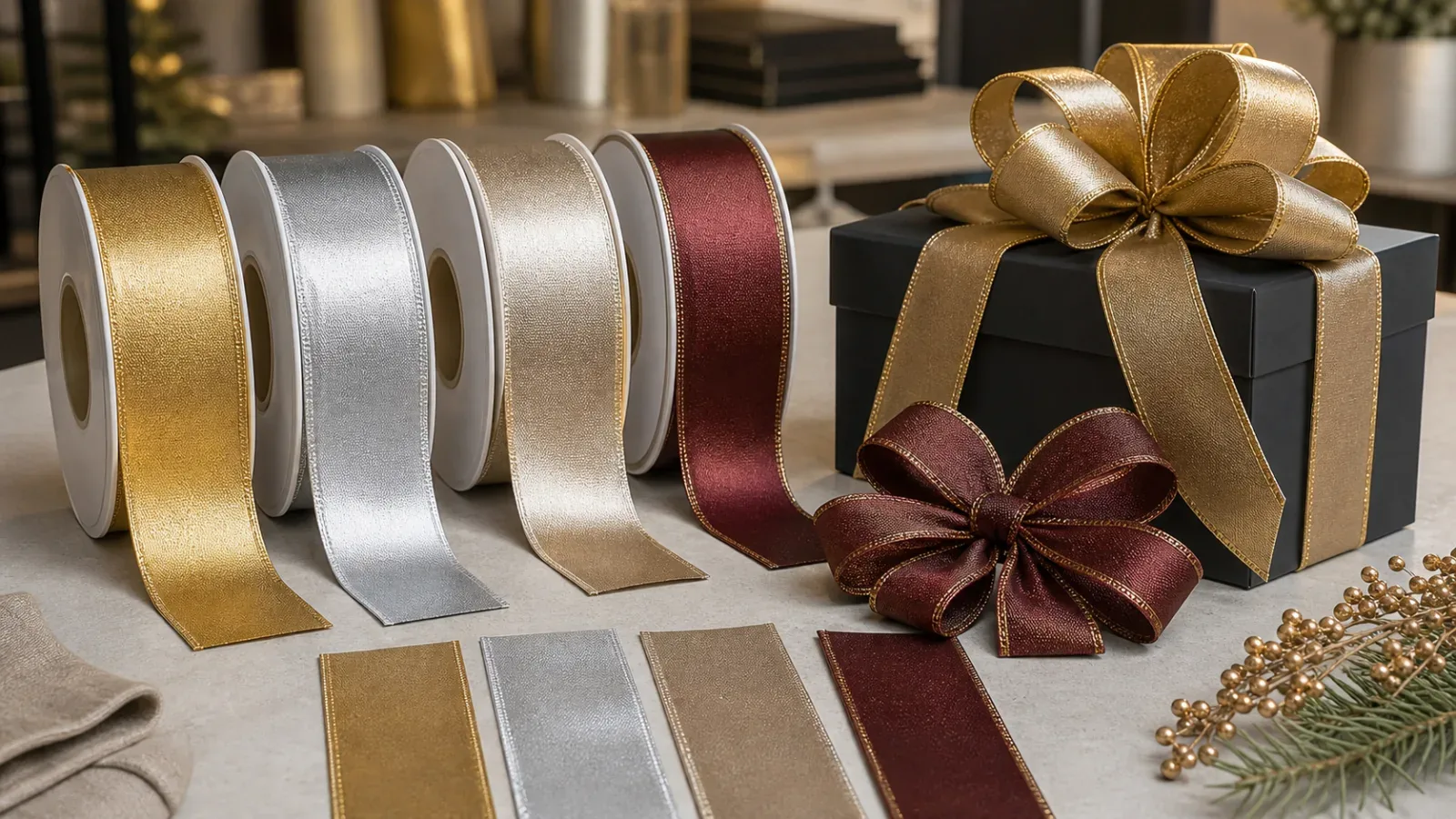
Review the Required Proof
Start with the proof that makes the decision verifiable: a signed sample approval record or a measurement report from the first article inspection. This evidence confirms that the product meets your specs before production scales.
- Specs: Compare the approved sample against your technical drawing—check dimensions, color, and material density. Any deviation here increases rework risk.
- Cost or minimum order: Confirm that the sample cost aligns with the quoted minimum order price. A mismatch may signal hidden setup fees or material surcharges.
- Production risk: Review the sample’s defect rate and lead time variance. A high defect rate in the proof stage often scales into full production.
- Factory execution: Verify that the factory followed your artwork review and minimum order planning guidelines. A missed step here delays the quote request/sample handoff.
- quote request/sample handoff: Ensure the sample includes a clear pass/fail criteria sheet and a signed approval form. This closes the feedback loop and prevents rework.
Use this checklist to validate each proof requirement. For custom printed ribbon, see our custom printed ribbon page.
Build the Decision Asset
Every unclear specification or missing approval record adds weeks to your procurement cycle and risks a costly reorder. Without a verified decision asset, you are negotiating from guesswork, not data.
Supplier Proof Check
Before issuing a purchase order, confirm that the supplier can deliver the exact spec you require. Ask: Can you provide a signed sample approval record or a measurement report from the last production run? This replaces vague promises with verifiable proof, reducing the risk of off-spec goods.
Sample Approval Check
Never skip physical sample sign-off. Require a written approval from your quality team that matches the quote request spec. A simple question: Does the sample match the color, material, and dimensions in our quote request? This step locks in the baseline for both cost and quality.
Reorder Control Check
For repeat orders, verify that the supplier still holds the same tooling and raw material source. Ask: Has your production process changed since the last approved sample? A change in tooling or material can shift minimum order and lead time without notice.
| Verification Step | Buyer Question | Risk Addressed |
|---|---|---|
| Supplier proof | Can you show a signed approval record? | Unverified spec compliance |
| Sample approval | Does the sample match RFQ? | Off-spec production |
| Reorder control | Has tooling or material changed? | Unplanned MOQ/lead time shift |
Use this checklist during quote request review to turn supplier claims into decision-ready facts. Each verified step reduces commercial risk and shortens your path to a firm order.
Prepare Comparable RFQ Inputs
- Does the supplier's machinery handle your material width and print method? Material and print method directly affect minimum order feasibility and lead time. Supplier lists compatible widths and print methods on a spec sheet. Incompatible capability causes re-quote, delayed sample, or production failure. Request a capability matrix for your product type before quote request.
- How will the supplier verify that your specifications match the bulk run? Without a verification method, sample approval may not transfer to production. Supplier uses a first-article inspection report with dimensions and color. Mismatch between approved sample and bulk leads to rework and order delay. Require a written verification method in the quote request response.
- What is the approval gate before production starts? Unclear approval gates can cause production without final sign-off. Supplier requires a signed approval form with date and stamp. Production starts before approval, risking non-conforming goods. Define a two-stage approval: sample check then bulk go-ahead.
- What follow-up does the supplier expect after you submit an quote request? Missing follow-up can slow down minimum order confirmation and lead time quote. Supplier provides a document checklist needed within agreed response time. Delayed response pushes your order behind other buyers. Set a 24-hour follow-up window after quote request submission.
- Is the minimum order negotiable based on your order schedule and material? minimum order flexibility reduces upfront inventory risk for trial orders. Supplier confirms minimum order by material, method, width, and packing. Fixed minimum order may force over-purchase before product validation. Ask for a tiered minimum order table for your target volume.
In conclusion
The final approval of your minimum order and lead time hinges on verifying that every specification, sample sign-off, and order schedule is documented and matched against supplier claims. Check that the product type you shortlisted aligns with the material, print method, width, and packing details confirmed during quote request review. Compare the supplier’s quoted lead time against your required delivery window, and validate that the minimum order is feasible for your order volume without inflating per-unit costs. Approve only after you have a signed sample approval record that locks the exact specification, and document any reorder conditions to avoid future delays. This checklist turns supplier promises into decision-ready evidence, ensuring your procurement handoff is grounded in verified facts rather than assumptions.
To request a quote for minimum order lead time, use MOQ and lead time to confirm the final specification, quote assumptions, sample approval, QC evidence, approval risk, and supplier follow-up before bulk order.
Frequently Asked Questions
How should a b2b buyer choose product type?
Shortlist product types by matching your specification—material, print method, width, and packing—against the supplier’s capability, because each variable shifts minimum order and lead time. For custom ribbon and bow programs, confirm the minimum order per material and print method in your quote request, then compare cost breaks across your target order volume. Ask how QC will check the sample, color, finish, packing, and bulk order.
Which supplier proof should buyers request for MOQ lead time?
Request a signed sample approval record that documents the exact specification, tooling status, and QC pass for your product. This proof verifies the supplier can deliver the agreed minimum order within the quoted lead time—typically 15–20 business days after specs are confirmed—and reduces reorder risk. Verify the supplier still holds the same tooling and raw material source before placing repeat orders.
What should buyers lock before approving product selection checklist?
Lock the product specification, sample sign-off, and order schedule before approving the checklist. Document the material, print method, width, packing, and delivery timeline in your quote request, then require a written approval from your quality team on the physical sample. This prevents specification gaps that add weeks to procurement and ensures the supplier’s minimum order and lead time are aligned with your program.
Keep exploring
Recommended buyer guides
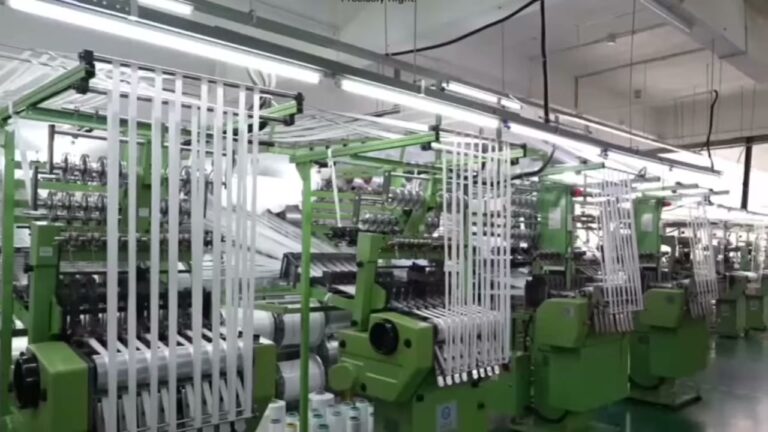 Wholesale Foil Printing vs Screen Printing Ribbon: Buyer Comparison
Foil printing vs screen printing ribbon: side-by-side on artwork files, print method, color target, and sample approval. Pick…
Explore guide
Wholesale Foil Printing vs Screen Printing Ribbon: Buyer Comparison
Foil printing vs screen printing ribbon: side-by-side on artwork files, print method, color target, and sample approval. Pick…
Explore guide
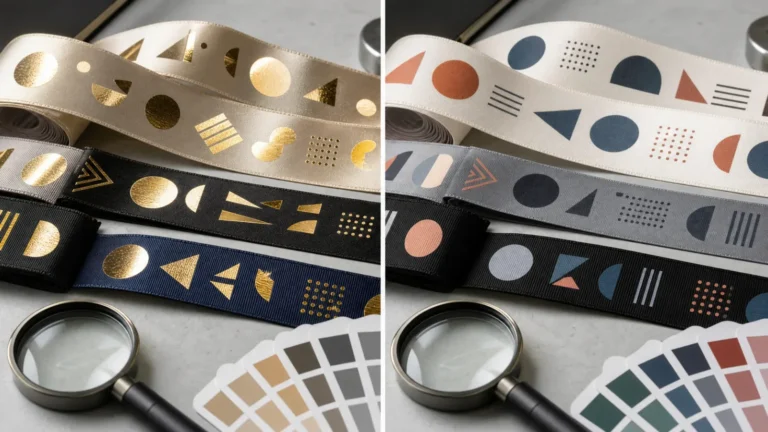 Organza Ribbon Sheer Finish and Print Comparison for Custom Orders
 — the checks that decide whether a quote,…
Explore guide
Organza Ribbon Sheer Finish and Print Comparison for Custom Orders
Organza Ribbon Sheer Finish and Print Comparison for Custom Orders — the checks that decide whether a quote,…
Explore guide
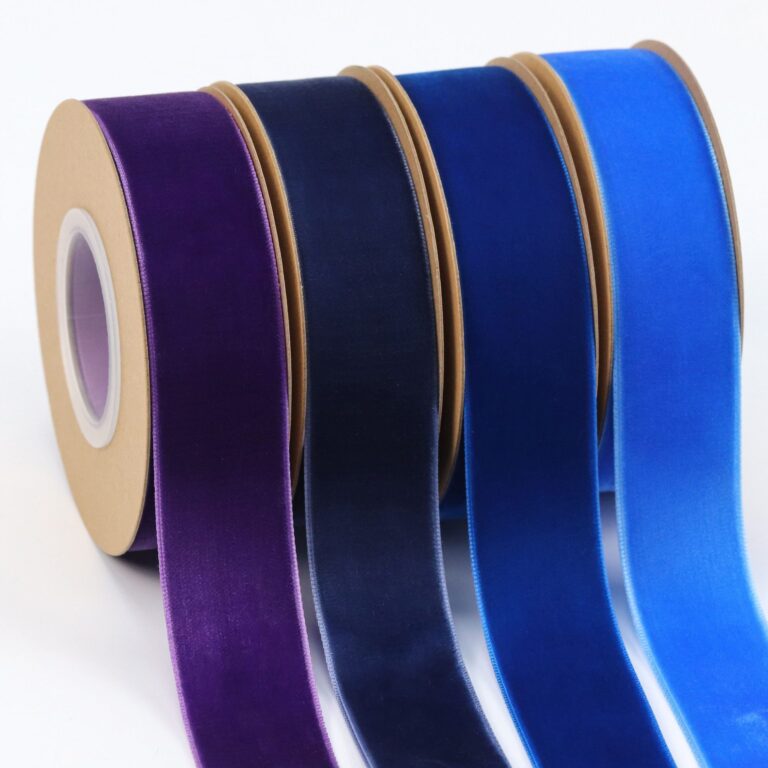 Velvet Ribbon Pile and Finish Comparison for Custom Orders Buyer
: what to confirm on material, MOQ, sample checks,…
Explore guide
Metallic Ribbon Finish Comparison for Custom Orders: Buyer Checklist
Metallic Ribbon Finish Comparison for Custom Orders: what to confirm on material, dimensions, finish, and handling before you…
Explore guide
Velvet Ribbon Pile and Finish Comparison for Custom Orders Buyer
Velvet Ribbon Pile and Finish Comparison for Custom Orders Buyer: what to confirm on material, MOQ, sample checks,…
Explore guide
Metallic Ribbon Finish Comparison for Custom Orders: Buyer Checklist
Metallic Ribbon Finish Comparison for Custom Orders: what to confirm on material, dimensions, finish, and handling before you…
Explore guide
Leave a comment
Share a sourcing question or feedback on this guide. The Lude team reviews submissions before following up.