


Mini Pre-Tied Bows for Retail Packaging: Size, Shape, and Packing Checks
Mini Pre-Tied Bows for Retail Packaging: what to check on sample approval, color tolerance, QC checks, and bow shape before placing a ribbon order
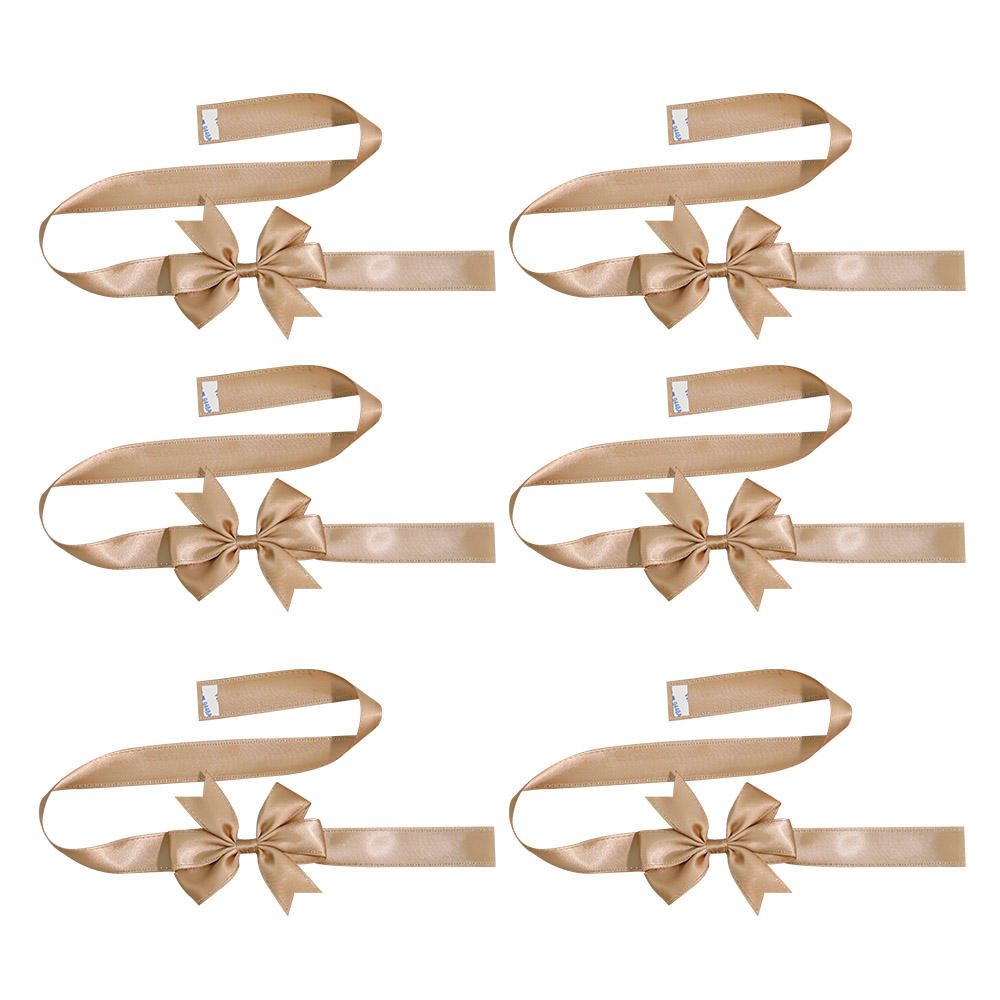
Mini pre-tied bows become hard to compare when specs, quote assumptions, samples, and approval responsibility sit in different messages.
For mini bows, the supplier answer should turn the buyer's use case into written specs, sample checks, and quote assumptions.
The article below turns that sourcing question into buyer checks, supplier proof requests, and RFQ handoff details.
Direct answer: For mini bows, the real decision is whether the locked specification, factory proof, and signed sample result, quotation assumptions, and approval owner describe the same order.
Copy this mini bows approval record into the RFQ file. Keep every checked item on the same revision before releasing the order.
- ☐ Final specification and intended use
- ☐ Supplier feasibility and documented exceptions
- ☐ Sample or inspection evidence
- ☐ Commercial assumptions, owner, decision, and date
Move the mini bows order forward only when each gate leaves written evidence for the next. Return an unresolved specification, sample, or quote exception to its owner before bulk production.
When mini bows fit brand packaging or event projects
| Option | Best fit | Trade-off | Risk to avoid | Verification | Follow-up |
|---|---|---|---|---|---|
| Current specification | Best when current specification changes application fit, operating conditions, verification evidence, or buyer approval. | Evaluate Current specification for the Trade-off decision before approval. | If Current specification is not documented, quote, sample, or production approval can drift. | Check sample photos, QC notes, written limits, or factory proof for current specification. | Record the approved Current specification requirement in the RFQ and sample file. |
| Alternative specification | Best when alternative specification changes application fit, operating conditions, verification evidence, or buyer approval. | Evaluate Alternative specification for the Trade-off decision before approval. | If Alternative specification is not documented, quote, sample, or production approval can drift. | Check sample photos, QC notes, written limits, or factory proof for alternative specification. | Record the approved Alternative specification requirement in the RFQ and sample file. |
| Custom option | Best when custom option changes application fit, operating conditions, verification evidence, or buyer approval. | Evaluate Custom option for the Trade-off decision before approval. | If Custom option is not documented, quote, sample, or production approval can drift. | Check sample photos, QC notes, written limits, or factory proof for custom option. | Record the approved Custom option requirement in the RFQ and sample file. |
| Safer fallback | Best when safer fallback changes application fit, operating conditions, verification evidence, or buyer approval. | Evaluate Safer fallback for the Trade-off decision before approval. | If Safer fallback is not documented, quote, sample, or production approval can drift. | Check sample photos, QC notes, written limits, or factory proof for safer fallback. | Record the approved Safer fallback requirement in the RFQ and sample file. |
For current specification, a poor decision can mean risk includes quote mismatch, unexpected cost, sample rejection, quality dispute, packing error, reorder drift. Ask the supplier to check sample photos, qc notes, written limits, or factory proof for current specification, then ask for rfq confirmation, attach proof, and approve only after sample review. For alternative specification, a poor decision can mean risk includes quote mismatch, unexpected cost, sample rejection, quality dispute, packing error, reorder drift. Ask the supplier to check sample photos, qc notes, written limits, or factory proof for alternative specification, then ask for rfq confirmation, attach proof, and approve only after sample review. For custom option, a poor decision can mean risk includes quote mismatch, unexpected cost, sample rejection, quality dispute, packing error, reorder drift. Ask the supplier to check sample photos, qc notes, written limits, or factory proof for custom option, then ask for rfq confirmation, attach proof, and approve only after sample review.
For the current specification checkpoint in mini bows, keep the supplier response, marked sample, approved specification, quotation, and approval owner under the same revision number. If the evidence conflicts with the approved record, hold the quote, sample, or production release until the deviation is explained in writing. Carry the signed decision record into the purchase order, production handoff, shipment release, and later reorder review so every team works from the same baseline.
Best-fit buyer scenarios
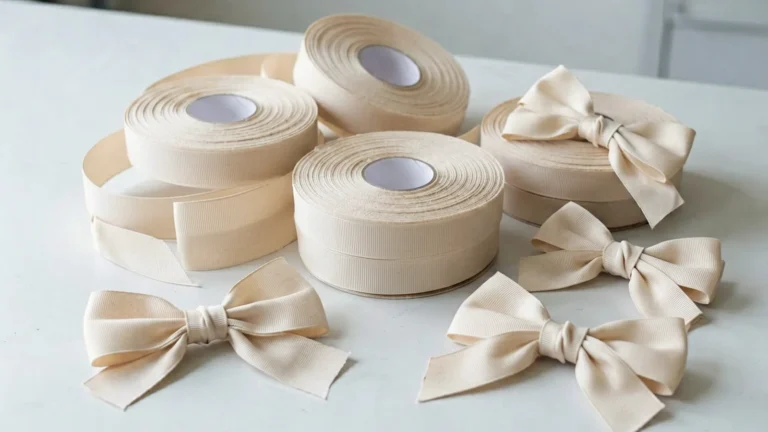
Mini bows suit retail gift boxes, cosmetic sets, wine bottles, and event programs where a consistent, factory-made bow replaces hand-tying. The decision turns on material, width, loop style, and attachment method. Polyester satin works for crisp sheen, grosgrain for matte durability, and organza for sheer elegance. Wired options hold shape for display but increase packing volume.
Cases where another ribbon option is safer
If the packaging requires a bow that can be flattened for shipping and re-fluffed by the end user, consider a pre-tied bow with a removable wire or a clip-on bow. For high-volume programs where color matching is critical, a custom printed ribbon with a pre-tied bow may reduce color risk. Confirm the application and display requirements before finalizing the bow format.
Material, finish, and format decisions
For mini bows, compare Material, finish, and format decisions against one RFQ revision. Each row should identify the requirement, approval evidence, and buyer action before production.
| Specification | Quality control | Verification method | Risk to avoid | Buyer action |
|---|---|---|---|---|
| Material / substrate | Verify substrate type, weave, weight, and color fastness against approved spec. | Compare physical sample to tech pack using calibrated scale and weave count; request dated material certificate. | Substrate substitute alters bow hand feel, shape retention, and print adhesion, causing rework or rejection. | Request RFQ with material spec; approve only after certificate and sample match. |
| Finish or surface effect | Confirm finish adhesion, gloss level, and uniformity across sample and bulk run. | Perform adhesion tape test on sample; compare gloss to approved standard under consistent lighting. | Peeling finish or inconsistent gloss leads to visual rejection and costly rework. | Ask for finish test report and pre-production sample; approve before bulk. |
| Sample approval | Ensure sample matches spec for material, finish, dimensions, and color; document approval. | Sign and date sample approval record; attach to purchase order; request production sample from first run. | Approving a drifted sample can cause bulk shipment rejection at receiving dock. | Shortlist supplier only after signed sample approval and production sample match. |
For mini bows, use Material, finish, and format decisions as the decision scope. Read the rows as one approval sequence. Start with material / substrate because substrate substitute alters bow hand feel, shape retention, and print adhesion, causing rework or rejection. Verify it by asking the supplier to compare physical sample to tech pack using calibrated scale and weave count; request dated material certificate. Then resolve finish or surface effect; peeling finish or inconsistent gloss leads to visual rejection and costly rework., so ask for finish test report and pre-production sample; approve before bulk. Finish with sample approval, confirm that the supplier can sign and date sample approval record; attach to purchase order; request production sample from first run., and shortlist supplier only after signed sample approval and production sample match.
Keep the mini bows supplier response, marked sample, and approval owner under the same revision number. If any proof conflicts with the approved record, hold the quote, sample, or production release until the supplier explains the deviation in writing. Before closing the checkpoint, reconcile the latest drawing, sample, quotation, and approval comments, identify which record controls if they disagree, and document the resolution. Carry the signed Material, finish, and format decisions table into the purchase order and production handoff so the same checks support quote comparison, sample approval, shipment release, and later reorders.
How material choice affects appearance and handling
Polyester satin yields a crisp sheen and holds shape well, while grosgrain offers a matte, textured finish with more stiffness. Organza provides a sheer, lightweight look suitable for delicate packaging. The substrate weight directly influences bow structure: heavier materials produce fuller loops, whereas lighter fabrics may require additional stiffening. Verify the chosen material against your packaging environment to avoid sagging or color shift under display lighting.
Width, roll length, bow format, and packing fit
Bow width must match the box or product dimension to avoid overhang or undersized presentation. Confirm the roll length per bow to calculate yield and waste. The bow format—single-loop, multi-loop, or wired—affects packing density and shipping protection. Request a packing diagram showing how bows are layered or tray-packed to prevent crushing. Verify that the carton dimensions fit your pallet or shelf layout before approving the RFQ.
See gift and retail packaging ribbon solutions for material, finish, and format decisions.
RFQ checkpoint
Check the product route for sizes, structures, materials, finishes, and RFQ details before sampling mini bows.
Application and display requirements
For mini bows, treat the Application and display requirements items as RFQ inputs. Match each buyer input to written supplier confirmation, approval evidence, and the risk that would hold the quote.
- Verify mini bow material, width, and color target against the approved specification sheet. Material and finish determine visual consistency for retail or event display; a mismatch causes rejection at packing or client review. Compare a physical sample to the spec using a caliper for width and a light box for color tolerance. Bow shape or color drift leads to packaging rework, sample rejection, or a full order return. Request a measurement report and color check from the supplier before sample approval.
- Document lead time assumptions: standard production is 15–20 business days after specification confirmation. Lead time drives delivery scheduling and internal project milestones; a missed date can delay a product launch or event. If the event date is fixed, add buffer days for sample approval and shipping to the lead time calculation. A verbal lead time without written confirmation leads to expedite fees or missed deadlines. Request a production schedule with milestone dates and include a late-delivery clause in the purchase order.
- Identify the primary cost driver: material type, ribbon width, printing method, or order quantity. Cost drivers determine the quote baseline and negotiation leverage; a hidden driver inflates the final price. A custom dyed satin bow costs more than a stock color bow due to dye lot setup and minimum yardage. Unidentified cost drivers cause budget overruns or force a last-minute spec change. Ask the supplier to itemize the quote by material, printing, and quantity tiers.
- Check that the mini bow design fits the intended display surface, attachment method, and presentation angle. Application requirements affect bow size, wire stiffness, and tail length; a poor fit undermines the visual impact. For a gift box lid, the bow must lie flat and not overhang; for a wine bottle, the tail must wrap without slipping. Bows that do not fit the display cause customer complaints, returns, or in-store rework. Send the supplier a photo or diagram of the display surface and request a fit sample.
Retail, gift, cosmetic, wine, holiday, award, or event details
Mini bows for retail packaging or event programs require precise application details. Confirm whether the bow will be attached to a gift box, inserted into a cosmetic set, tied around a wine bottle, or used as an award accent. Each use case affects size, attachment method, and packaging requirements. Document the display fixture or box dimensions so the supplier can match bow dimensions and avoid fit issues.
Handling, storage, and presentation risks
Mini bows can crush, tangle, or lose shape during shipping if not packed correctly. Ask the supplier how bows will be packed—layered in trays, polybagged, or boxed—and whether they require a rigid insert to maintain loop shape. For retail display, confirm that bows arrive ready to place without re-fluffing. Include a packing specification in the RFQ to avoid presentation failures at unboxing.
MOQ, lead time, and sample planning
The main failure mode in MOQ, lead time, and sample planning is approving mini bows before the supplier has resolved the listed evidence gaps.
- Confirm MOQ per style and color in writing before RFQ: Unconfirmed MOQ can lock you into a quantity that exceeds your budget or program volume, causing cost overruns or order cancellation.
- Verify production lead time is fixed after sample approval: Lead time that starts before sample approval can shift, causing missed delivery dates and production line stoppages.
- Request a pre-production sample from the actual batch material: A sample made from different stock may not match the bulk run in color, hand feel, or shape retention, leading to rejection.
- Check that the quoted cost includes material, setup, and packing per unit: Hidden costs for tooling, color matching, or special packing can inflate the final price and erode your margin.
Confirm order quantity by color, width, artwork, and packing route: Mixed SKUs under one MOQ can cause short shipments or incorrect packing, delaying your program launch.
What to confirm before ordering
Before issuing a purchase order for mini bows, confirm the MOQ per style and color in writing, and verify that the production lead time starts only after sample approval. Request a pre-production sample cut from the actual batch material, and ask for a cost breakdown that separates material, setup, and packing. Document these terms in the RFQ to avoid quote drift and last-minute delays.
How to avoid last-minute project delays
To avoid last-minute project delays, lock the lead time after sample sign-off and confirm the order quantity by color, width, and packing route. Require the supplier to provide a production schedule upon sample approval, and reconcile the cost breakdown with the approved specification before signing. A written approval record tied to the purchase order ensures every team works from the same baseline.
Buyer checklist before RFQ
Start with evidence for mini bows:
- Does the supplier have documented experience producing mini bows with consistent loop size and tail length across multiple production runs? A supplier without proven repeatability may deliver bows that vary in shape, causing packaging fit failures and rework.
- Can the supplier provide a written confirmation of the material, width, loop size, and attachment method before sample production? Without written confirmation, the sample may deviate from your specification, causing quote mismatch and sample rejection.
- What is the supplier’s standard MOQ per style and color for mini bows, and can they confirm it in writing? MOQ affects your order quantity and cost; unconfirmed MOQ can lead to quote drift or last-minute order adjustments.
- Does the supplier have a documented sample approval process that includes a pre-production sample from the actual batch material? A pre-production sample from the actual batch ensures color, finish, and dimensions match the approved spec before bulk production.
Resolve these questions before approval: can the supplier provide a packing specification that prevents bow crushing or tangling during shipping, and confirm it in the RFQ? Mini bows are prone to deformation during transit; without a packing spec, bows may arrive crushed or tangled, requiring rework.
Project details to send the supplier
Before requesting a quote for mini bows, compile the bow material, width, loop size, tail length, attachment method, and target packaging dimensions. Include the expected order quantity per color and style, and note whether the bows will be used for retail display, gift boxes, or event programs. A complete project brief helps the supplier provide an accurate quote and reduces the risk of sample rejection.
Sample approval and repeat-order controls
After receiving the pre-production sample, compare it against your approved spec sheet and document the approval with a dated record. For repeat orders, request a new pre-production sample from the current batch material to verify color and shape consistency. Store the signed approval record with the purchase order to ensure reorders match the original specification and avoid drift over time.
For mini bows, use OEM and ODM ribbon development to align the applicable specification, proof record, supplier responsibility, and RFQ handoff before comparing quotes.
In conclusion
The final approval for mini bows rests on documented evidence that the supplier’s quote, sample, and production match your written specification. Before releasing the order, verify that the material, width, loop size, tail length, and attachment method are confirmed in a dated spec sheet, and compare the pre-production sample against that record. Check that the quoted cost and MOQ align with your program volume, and confirm the production lead time is fixed after sample approval. A supplier that routinely provides this evidence set—spec sheet, marked sample, and signed approval record—is one you can shortlist with confidence.
To request a quote, visit pre-tied bows and confirm the final specification, quote assumptions, sample approval, QC evidence, approval risk, and supplier follow-up before bulk order.
Mini bows FAQ
What should buyers confirm before ordering mini bows in bulk?
Confirm that the bow material, width, loop size, tail length, and attachment method are documented in a written specification. A vague description can cause a quote mismatch or a sample that fails your packaging fit. Compare the supplier’s response against your approved spec sheet, and request a physical sample to verify color and shape before approving the RFQ. Confirm MOQ and order quantity by color, width, artwork, and packing route. Confirm production lead time after specifications and sample approval are fixed.
How should buyers compare MOQ, lead time, and quote terms?
Shortlist suppliers whose MOQ and lead time match your program volume and deadline. For mini bows, confirm the MOQ per style and color, and ask the supplier to state the standard production lead time in business days. Verify that the quoted cost includes the specified material, finish, and packing method, and request a written quotation that ties these terms to the approved specification. Ask how QC will check the sample, color, finish, packing, and bulk order.
What sample, quality, or supplier checks reduce risk?
Request a pre-production sample from the actual batch to check loop consistency, color accuracy, and finish adhesion. Document the approval with a dated confirmation and compare the sample against the approved spec sheet. Ask the supplier for a written adhesion test result if printing is involved, and verify that the packing method prevents crushing or tangling during shipping. Confirm MOQ and order quantity by color, width, artwork, and packing route. Confirm production lead time after specifications and sample approval are fixed. Separate material, setup, packing, freight, and reorder cost drivers in the RFQ.
Keep exploring
Recommended buyer guides
 Pre-Tied Bows for Retail Packaging: When They Reduce Labor and Rework
See when pre-tied bows reduce retail packaging labor, improve consistency, and simplify bulk packing, SKU planning, and reorders
Explore guide
Pre-Tied Bows for Retail Packaging: When They Reduce Labor and Rework
See when pre-tied bows reduce retail packaging labor, improve consistency, and simplify bulk packing, SKU planning, and reorders
Explore guide
 Wholesale Grosgrain Ribbon Rolls: Specs, Roll Length, and RFQ Checks
Buying Grosgrain Ribbon Rolls? Verify sample approval, color tolerance, QC checks, and material to reduce quoting errors and…
Explore guide
Wholesale Grosgrain Ribbon Rolls: Specs, Roll Length, and RFQ Checks
Buying Grosgrain Ribbon Rolls? Verify sample approval, color tolerance, QC checks, and material to reduce quoting errors and…
Explore guide
 Wholesale Foil Printed Ribbon: Use-Case Fit and RFQ Checklist
Buying foil printed ribbon: buyer use-case fit checklist? Verify artwork files, print method, and color target to reduce…
Explore guide
Wholesale Foil Printed Ribbon: Use-Case Fit and RFQ Checklist
Buying foil printed ribbon: buyer use-case fit checklist? Verify artwork files, print method, and color target to reduce…
Explore guide
 Grosgrain Ribbon Width Guide: Width choice for packaging and bows
Grosgrain Ribbon Width Guide: what to check on artwork files, print method, color target, and material before placing…
Explore guide
Grosgrain Ribbon Width Guide: Width choice for packaging and bows
Grosgrain Ribbon Width Guide: what to check on artwork files, print method, color target, and material before placing…
Explore guide
Leave a comment
Share a sourcing question or feedback on this guide. The Lude team reviews submissions before following up.