


Wholesale Mesh Metallic Ribbon: Specs, Roll Length, and RFQ Checks
Mesh Metallic Ribbon: what to check on material, width, finish, and handling before placing a ribbon order
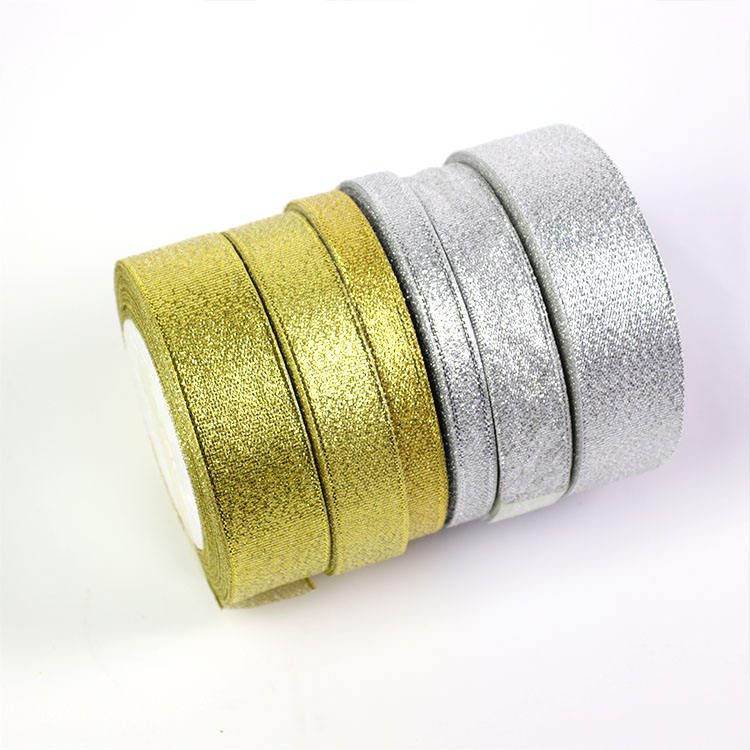
Mesh metallic ribbon should be approved as a formed and packed component. Open structure, edge or wire construction, metallic surface, cutting, forming, snag exposure, winding, and compression can change the result after a loose swatch looks acceptable.
Use MESH-LOCK: Material/open structure, Edge or wire, Surface reference, Handling and formation, Pack/reopen, Lot/reorder, Owner, Change triggers, and Key release.
This checklist covers use-case fit, handling, sample, packout, and change control. It does not set a universal width tolerance, strength requirement, metallic-shed limit, MOQ, price, or lead time.
When does mesh metallic ribbon fit the application?
Mesh metallic ribbon fits decorative wraps, displays, seasonal packs, wreath or bow work, and formed accents where open structure and reflective surface are intentional. It is a weaker route when the product can snag exposed filaments, the package needs a smooth printable face, the edge can contact skin or delicate finishes, or the packed form cannot be protected.
Key takeaways
- Approve the construction and usable width, not only the color name and nominal width.
- Cut, form, attach, handle, and reopen the actual application before bulk release.
- Keep edge/wire state, metallic reference, packout, owner, and change triggers in one MESH-LOCK record.
| Application route | Fit condition | Failure risk | Proof to request |
|---|---|---|---|
| Wrap or band | Open structure and edge stay controlled around the package | Snag, slip, exposed edge or surface abrasion | Applied sample plus handling and removal trial |
| Bow or formed accent | Construction holds the approved volume and orientation | Wire memory, collapse, sharp end or uneven reflection | Formed sample plus reopened protective pack |
| Display or decorative roll | Winding and handling preserve usable width and surface | Telescoping, creasing, shedding or edge damage | Finished roll, cut trial and reopened carton |
The buyer should confirm the contact surface, forming method, and protection route before shortlisting the application.
How mesh approval has evolved
A loose swatch remains useful for color and construction reference, but it cannot represent cutting, edge contact, formation, or compression. MESH-LOCK extends approval to the formed and reopened component, then links any changed result back to the responsible process step.
Which construction and edge checks control handling?
Define the base material, open pattern, metallic or glitter treatment, edge construction, wire presence and location, usable width, roll length, core, winding direction, and cut method. The sample should show what the buyer can touch and what can contact the package.
The official textile-width measurement source distinguishes fabric width from usable width and covers full rolls and short specimens. Use that distinction to define the mesh-ribbon method; it does not supply the buyer’s tolerance. Record whether edge or wire is included and where measurements are taken.
Surface and shade reference
Reflective and open surfaces change with orientation and background. AATCC EP9-2025 standardizes visual comparison of textile specimens with a standard, but it does not set a mesh-metallic acceptance limit. Align orientation, background, light/viewing condition, and physical reference before disposition.
Check the formed component through gift and retail packaging ribbon solutions so edge contact and visible orientation stay tied to the real pack.
The approval risk is approving a loose appearance reference that fails during cutting or handling. Ask for the stated measurement and viewing method before release.
Buyer Questions List
- Specification confirmed.
- Cost, MOQ, and schedule impact checked.
- Sample, inspection, and reorder controls documented.
MESH-LOCK review
Send the construction, usable width, edge or wire state, metallic reference, formed application, packout sample, and change triggers for one release review.
How should the formed sample be approved?
Move the identified roll through the actual conversion: cut, fold, tie, form, wrap, attach, remove where relevant, and place it beside the final package. Record edge exposure, wire ends, snagging, surface transfer, recovery, visible shape, and the accepted orientation.
| MESH-LOCK gate | Record | Hold condition | Release evidence |
|---|---|---|---|
| Construction | Material, mesh, edge/wire, usable width, roll and lot IDs | Physical sample cannot be matched to the specification | Signed roll and cut reference |
| Formation | Cut method, formed dimensions, attachment, orientation and handling trial | Loose swatch passes but the application fails | Applied sample and disposition |
| Pack/reopen | Inner protection, quantity, carton orientation, handling assumption and reopen result | Shape, edge or surface changes after packing | Accepted reopened sample and photo |
When an applicable test method requires conditioning, the official textile-conditioning practice supplies a controlled preparation reference. It does not prescribe the buyer’s handling or packout limit. State the conditioning and test boundary only when relevant to the agreed method.
The approval risk is a signed swatch that does not represent the formed and reopened result; hold supplier production release when either record is missing.
- Confirm the buyer-facing requirement and approval owner.
- Check material, width, artwork, color target, quantity, packing, and deadline assumptions.
- Approve the sample or proof before bulk production and keep the record for reorders.
Use OEM and ODM ribbon development to align the sample and production handoff.
Which packout risks must be reopened?
Packout should prevent edge entanglement, wire deformation, surface abrasion, pressure flattening, roll telescoping, and item mix-up without creating excessive compression. Test the actual inner quantity, divider or sleeve, core, winding, carton orientation, and unpacking motion.
- Material or open pattern: reopen construction, usable-width, formation and pack checks.
- Edge, wire or cut method: reopen touch/contact risk, formation, end treatment and protection.
- Metallic finish or lot: reopen visual reference, transfer/shedding observation where applicable, and package-contact check.
- Core, winding, inner quantity, carton or converter: reopen the packed sample and ownership record.
Keep the superseded result and link the correction. A change can repeat only the affected checks, but an undeclared change cannot inherit the old release.
Request a repeated handling and packout check for the affected trigger, then link the result to the release owner. The supplier should identify the inspection sample, inner protection, carton orientation, result, correction, and approval date so production cannot inherit an obsolete packout.
Diagnose a changed result in sequence: isolate whether it began at the roll, cutting station, forming step, inner pack, or reopened carton; retain both conditions; correct the responsible step; and repeat only the evidence needed to close that cause.
What belongs in the mesh metallic ribbon RFQ?
Send the final application image or drawing, contact surfaces, formed dimensions, material/open pattern, edge/wire state, usable-width method, color/metallic reference, roll and conversion scope, packout, quantity by variant, target milestones, and change triggers.
First-party method and limitation
Record applicable MESH-LOCK checks, first-pass accepted checks, reopened checks, affected pieces in the packed sample, usable roll output, sample rounds, request/approval/release dates, change reason, and owner. Calculate first-pass closure as checks accepted on first review divided by applicable checks; calculate packed-sample issue share as affected pieces divided by inspected pieces; calculate usable-output share as accepted usable length divided by inspected length when the buyer has defined that method.
Shortlist questions
- Which physical roll and specification control construction, width, edge/wire, surface and lot?
- Which formed application and reopened pack release production, and who can stop it?
- How do variant count, custom finish, conversion, inspection, protection and schedule change the quote?
Use the metallic ribbon product range for the commercial route and test the result through gift and retail packaging ribbon solutions before release.
Lude Ribbon’s standard production lead time is 15–20 business days after confirmed specifications, with sample approval and shipping separate; request order-specific milestones for a new metallic finish or converted form.
For mesh metallic ribbon, use MOQ and lead time to align the applicable specification, proof record, supplier responsibility, and RFQ handoff before comparing quotes.
- Decision matrix: choose the mesh metallic ribbon route only after product fit, customization scope, quote assumptions, sample approval, and reorder control are comparable.
- Best-for check: match the mesh metallic ribbon route to the use case and approved specification before comparing price.
- Trade-off check: compare buyer control, development scope, cost drivers, lead-time assumptions, quality risk, and repeat-order consistency.
In conclusion
Mesh metallic ribbon is ready only when the nine MESH-LOCK records agree. The physical roll, usable width, edge or wire, metallic reference, formed application, reopened pack, accountable owner, change declaration, and release must identify the same program.
Use OEM and ODM ribbon development for a new construction or conversion trial, and send the signed MESH-LOCK record with the RFQ rather than approving from a loose swatch.
Inspect the supplier’s accepted formed sample and verify the reopened-pack disposition before approving production and the order.
Mesh metallic ribbon FAQ
Which applications suit mesh metallic ribbon?
It suits decorative wraps, formed bows, displays, seasonal work and accents when open texture and reflection are intentional and the edge can be controlled. Choose another route when snag, surface contact, fine printing, touch safety or compression cannot be managed.
How should buyers approve width, edge, and metallic appearance?
Define usable width and edge inclusion, align the specimen and physical appearance reference, inspect the actual cut and formed application, and record the condition, result, revision and approver. A nominal width and color name are not a complete release.
Which changes require a new formed sample or packout check?
Reopen after changes to material/open pattern, edge or wire, usable width, metallic treatment, lot, cut method, formed dimensions, attachment, core, winding, inner protection, carton, converter or destination. Repeat the affected MESH-LOCK evidence before production.
RFQ handoff: Send the construction, usable width, edge or wire state, metallic reference, formed application, packout sample, and change triggers for one release review. Send Specs for Review.
Keep exploring
Recommended buyer guides
 Wholesale Foil Printing vs Screen Printing Ribbon: Buyer Comparison
Foil printing vs screen printing ribbon: side-by-side on artwork files, print method, color target, and sample approval. Pick…
Explore guide
Wholesale Foil Printing vs Screen Printing Ribbon: Buyer Comparison
Foil printing vs screen printing ribbon: side-by-side on artwork files, print method, color target, and sample approval. Pick…
Explore guide
 Organza Ribbon Sheer Finish and Print Comparison for Custom Orders
 — the checks that decide whether a quote,…
Explore guide
Organza Ribbon Sheer Finish and Print Comparison for Custom Orders
Organza Ribbon Sheer Finish and Print Comparison for Custom Orders — the checks that decide whether a quote,…
Explore guide
 Velvet Ribbon Pile and Finish Comparison for Custom Orders Buyer
: what to confirm on material, MOQ, sample checks,…
Explore guide
Metallic Ribbon Finish Comparison for Custom Orders: Buyer Checklist
Metallic Ribbon Finish Comparison for Custom Orders: what to confirm on material, dimensions, finish, and handling before you…
Explore guide
Velvet Ribbon Pile and Finish Comparison for Custom Orders Buyer
Velvet Ribbon Pile and Finish Comparison for Custom Orders Buyer: what to confirm on material, MOQ, sample checks,…
Explore guide
Metallic Ribbon Finish Comparison for Custom Orders: Buyer Checklist
Metallic Ribbon Finish Comparison for Custom Orders: what to confirm on material, dimensions, finish, and handling before you…
Explore guide
Leave a comment
Share a sourcing question or feedback on this guide. The Lude team reviews submissions before following up.