


Luxury Packaging Ribbon: Premium presentation
Which Luxury Packaging Ribbon options deserve an RFQ? Compare sample approval, color tolerance, QC checks, and use case to find the right production

Luxury packaging ribbon needs a written specification before the buyer can map product choices to real applications, usage scenarios, buyer constraints, and project outcomes; otherwise suppliers may quote different product and approval assumptions.
This guide connects luxury packaging ribbon to parameters, cost impact, supplier risk, factory process, and procurement advice.
Direct answer: For luxury packaging ribbon, lock measurable specifications, application constraints, supplier evidence, and the next approval action before comparing options.
Where luxury packaging ribbon fits event projects
| Application | Fit condition | Risk to avoid | Specification or proof | Follow-up |
|---|---|---|---|---|
| Gift box lid wrap or closure tie for seasonal retail packaging | Wired-edge satin or velvet ribbon in the approved width that holds a bow shape after tying | Non-wired ribbon collapses in transit, making the closure look loose or unfinished | Sample of tied bow after 24-hour rest; confirm wire gauge does not kink when folded | Request a physical bow sample on your actual box lid before approving bulk width |
| Branded ribbon wrap around rigid gift boxes for hotel amenity kits | Custom-printed grosgrain or satin ribbon with logo repeated at the approved intervals | Print alignment shifts across the ribbon width, causing logo cutoff on the box face | Artwork proof with repeat distance marked; strike-off sample on the actual ribbon material | Approve the strike-off against your box dimensions and confirm print repeat tolerance |
| Ribbon tie for premium wine or spirits gift bags | Soft-touch organza or matte satin ribbon in the approved width that knots cleanly without fraying | Narrow ribbon frays at cut ends, leaving loose threads visible on the bag handle | Heat-sealed or laser-cut edge sample; confirm fray resistance after 10 tie-and-untie cycles | Send a bag sample for a tie test and approve the edge finish before bulk production |
| Reusable ribbon closure for luxury retail shopping bags | Double-face satin ribbon in the approved width with a consistent sheen on both sides | One-sided satin shows a dull reverse when the knot is turned, reducing the premium look | Physical sample folded and tied; confirm both sides match in color and gloss level | Inspect the reverse side under retail lighting during sample approval and document the acceptable sheen range |
For gift box lid wrap or closure tie for seasonal retail packaging, a poor decision can mean non-wired ribbon collapses in transit, making the closure look loose or unfinished. Request written proof and compare it with the approved sample or specification. Use the result to decide whether this checkpoint can proceed or must stay on hold.
Preserve the gift box lid wrap or closure tie for seasonal retail packaging decision under one revision number: keep the supplier response, marked sample, approved specification, quotation, and approval owner together. If the evidence conflicts with the approved record, hold the quote, sample, or production release until the deviation is explained in writing. Once the buyer and designated technical authority have accepted the evidence, carry the signed approval record into the purchase order, production handoff, shipment release, and later reorder review so every team works from the same baseline.
Best-fit buyer scenarios
Luxury packaging ribbon fits event projects where the ribbon is visible to guests and must hold a consistent appearance from the first unboxing through the event day. Wired satin works for gift table bows, custom-printed grosgrain suits branded hotel amenity kits, and narrow organza ties premium wine bags. Each scenario demands a physical sample on the actual packaging before bulk approval.
Cases where another ribbon option is safer
When the ribbon will be handled repeatedly, such as reusable shopping bag ties, double-face satin prevents the dull reverse side from showing. For high-humidity event venues, avoid velvet ribbon that can crush or water-spot. If the ribbon must survive multiple tie-and-untie cycles, request heat-sealed or laser-cut edges to prevent fraying before committing to a large order.
Compare the supplier record with ISO 2859-1 sampling inspection standard before accepting the requirement.
Material, finish, and format decisions
- Supplier cannot produce the specified material finish: A mismatch in material finish, such as matte versus gloss, will alter the ribbon's hand feel and visual appeal, leading to rejected packaging and rework costs. Request a physical sample of the exact material finish before production. Compare it against your approved standard under retail lighting. A signed material finish specification sheet and a physical sample swatch. Document the approved finish on the spec sheet and include it in the purchase order.
- Roll length or bow count does not match the packing unit: If a roll is short by even a few yards, you may run out mid-project and face a costly reorder delay. For custom printed ribbon, this risk is higher. Require the supplier to state the exact yardage per roll and the number of bows per case on the quote. Verify against your project quantity. A packing list that shows roll length and bow count per carton, plus a weigh-check report from the factory. Confirm the packing unit in the purchase order and schedule a random roll measurement at incoming inspection.
- No documented color or finish approval process: Without a formal approval gate, the factory may ship a batch that does not match your approved standard, and you have no recourse to reject it. Ask the supplier to outline their approval workflow: digital proof, lab dip, physical sample, and bulk strike-off. Insist on a written sign-off step. A copy of the supplier's approval workflow document and a signed approval form for your order. Set a calendar hold for each approval milestone and do not release production until all sign-offs are collected.
How material choice affects appearance and handling
Satin ribbon gives a high-luster finish that reflects light evenly, ideal for premium gift boxes. Velvet offers a soft, matte touch but can show creases if wound too tightly. Grosgrain holds its shape better for bows but has a ribbed texture that may not suit all packaging. Compare a physical sample of each material against your packaging insert before committing to a full run.
Width, roll length, bow format, and packing fit
Width tolerance directly affects how the ribbon sits inside a box lid or around a bottle neck. Roll length determines how many bows or ties you get per spool without a splice. Pre-tied bows require a consistent loop size that matches the box depth. Confirm the ribbon width, roll length, and bow format against your packing insert dimensions before approving the sample.
Compare the supplier record with Luxury Gift Box Specs: 7 Standards That Define Premium | XACTZ before accepting the requirement.
RFQ checkpoint

Application and display requirements
| Option | Best fit | Trade-off | Risk to avoid | Verification | Follow-up |
|---|---|---|---|---|---|
| Current specification | Ribbon width, material, and finish already approved for a live program | Locks you into existing inventory; may not match new display dimensions | Width tolerance drift or dye-lot shift can misalign with box lid grooves | Check width tolerance against the approved sample using a calibrated ruler | Document the approved tolerance range and share it with QC before bulk run |
| Alternative specification | Substitute material or finish when the current ribbon is out of stock or delayed | May alter the hand feel or luster under retail lighting | A velvet ribbon substitute can pick up lint in high-touch displays | Request a physical sample of the alternative and test it under the actual display light | Compare the alternative sample side-by-side with the current approved sample |
| Custom option | Pantone-dyed satin or custom printed ribbon for a brand-specific color or logo | Longer lead time and higher minimums; requires artwork approval gate | Color deviation from the approved Pantone target can delay the program launch | Approve a lab dip or strike-off before bulk production; confirm the cost driver for each color match attempt | Send the Pantone reference and request a lab dip with a supplier-confirmed timing turnaround |
| Safer fallback | Stock ribbon in a neutral color that can be reordered quickly without artwork | Limited to existing inventory colors and widths; no brand-specific logo | Stock ribbon may run out during peak season if not reserved early | Check the supplier's current stock inventory and reserve the required yardage | Place a hold on the stock quantity while the custom option is being sampled |
For current specification, a poor decision can mean width tolerance drift or dye-lot shift can misalign with box lid grooves. Ask the supplier to check width tolerance against the approved sample using a calibrated ruler. Use the result to decide whether this checkpoint can proceed or must stay on hold.
Retail, gift, cosmetic, wine, holiday, award, or event details
The display environment determines whether the ribbon needs to hold a bow shape under warm lights, resist fraying during unboxing, or match a specific Pantone for a holiday gift set. For wine packaging, the ribbon must not bleed onto the bottle label. For award events, the ribbon must lie flat against the medallion without curling.
Handling, storage, and presentation risks
Ribbon stored in a humid warehouse can develop water spots or lose its stiffness, causing it to sag in the display. Presentation risks include crushed edges from tight packing or color transfer from adjacent materials. Verify that the supplier packs each roll in a separate polybag and stores the cartons in a climate-controlled area before shipment.
MOQ, lead time, and sample planning
For luxury packaging ribbon, build the quote request around the inputs below. Match every listed buyer input to written supplier confirmation, approval evidence, and the risk that would hold the quote.
- Confirm ribbon specifications including material, width, and color before quoting. Precise specs prevent misproduction and costly rework in luxury packaging ribbon. Lude Ribbon requires exact material and width details to match OEM and ODM ribbon development. Incorrect ribbon specs cause delays, waste, and mismatched packaging aesthetics. Request detailed specs and sample approvals before finalizing the quote.
- Verify minimum order quantities per ribbon type: stock, custom printed, bows. MOQ impacts production feasibility and price; exceeding MOQ avoids surcharges. Lude Ribbon’s MOQ is 1,500 yards per color for stock ribbon and 3,000 yards per custom printed design. Ordering below minimum order leads to higher costs or supplier refusal to produce. Check minimum order compliance with the supplier’s confirmed figures in the quote request.
- Confirm bulk production lead time after specification and sample approval. Lead time affects project schedules and inventory planning for luxury packaging. Lude Ribbon’s standard production lead time is 15–20 business days after approvals. Ignoring lead time risks late delivery and missed launch dates. Obtain supplier-confirmed lead time in writing for project timeline alignment.
- Identify cost drivers such as custom colors, widths, and complex printing. Cost drivers influence total price and supplier capacity for luxury ribbon orders. Custom Pantone-dyed satin ribbons start at higher minimum order and affect pricing. Unanticipated costs or production delays occur without early cost driver review. Discuss all custom features impacting cost and capacity during quote preparation.
- Plan buyer follow-up on sample approval, artwork confirmation, and final sign-off. Timely approvals prevent production hold-ups and ensure quality standards. Lude Ribbon separates color-match and physical sample approvals before bulk runs. Delays or quality issues arise from missing or late sample approvals. Schedule and document all sample and artwork approvals before production start.
What to confirm before ordering
Before placing an order, verify all ribbon specifications including material type, width, and color accuracy. Confirm minimum order compliance for each product category and request supplier-confirmed lead times. Clarify any custom printing or color requirements as these affect cost and production schedules. This upfront clarity avoids costly errors and delays.
How to avoid last-minute project delays
To prevent last-minute delays, establish a clear approval process for samples and artwork. Obtain written confirmation of lead times tailored to your order complexity. Monitor minimum order adherence and cost drivers early in the quote stage. Coordinating these checkpoints with the factory’s OEM and ODM ribbon development ensures smooth production flow and on-time delivery.
Buyer checklist before RFQ
- Confirm ribbon material type and finish match luxury packaging requirements: Material affects ribbon appearance, durability, and compatibility with packaging style Request certified material data sheets and physical samples for tactile and visual inspection Incorrect material leads to poor aesthetics or damage during handling and display Approve samples only after tactile and visual confirmation of material and finish
- Verify ribbon width tolerance against packaging design specifications: Width precision ensures proper fit in box lids and consistent bow shape Measure ribbon width on samples with calibrated tools and compare to design tolerances Width deviations cause misfit, loose bows, or uneven presentation risking brand image Reject samples outside tolerance and request corrected production batch
- Check minimum order quantities comply with Lude Ribbon's confirmed MOQs: minimum order adherence prevents order delays and pricing issues during production Confirm minimum order figures for plain stock, custom printed, and bows per Lude Ribbon's official data Ordering below minimum order causes production hold-ups or unexpected cost increases Adjust order quantities to meet minimum order or negotiate exceptions during quote request
- Review sample approval process and timeline before bulk order placement: Timely sample approval avoids production delays and ensures quality alignment Establish clear approval steps and confirm sample lead times with supplier Late approvals extend lead times, risking missed delivery dates Set internal deadlines for sample review and communicate approval status promptly
- Document ribbon storage and handling conditions at supplier warehouse: Proper storage prevents ribbon defects like water spots or stiffness loss Request supplier warehouse condition reports and inspect sample packaging Poor storage leads to visible defects affecting ribbon quality and usability Include storage condition requirements in quote request and confirm compliance before order confirmation
Project details to send the supplier
Provide the supplier with complete ribbon specifications including material type, finish, width tolerance, and color references. Include minimum order requirements and expected lead times. Clear project details ensure accurate quoting and reduce the risk of production errors or delays.
In conclusion
When sourcing luxury packaging ribbon, buyers should carefully validate the ribbon specifications, including material type, width, and color accuracy, to ensure alignment with brand standards. It is essential to compare minimum order requirements and lead times across suppliers to balance cost efficiency with delivery schedules, while also verifying quality control processes to mitigate production risks. Supplier proof through sample approval and documented factory capabilities provides critical assurance before committing to bulk orders.
Thoroughly documenting these parameters and maintaining clear communication during the quote request and sample handoff stages will streamline procurement and reduce surprises. By systematically shortlisting suppliers who demonstrate consistent quality, reliable timelines, and transparent quoting practices, buyers can confidently secure luxury ribbons that enhance packaging appeal and brand prestige.
To request a quote for luxury packaging ribbon, use cosmetics and perfume packaging ribbon solutions to confirm the final specification, quote assumptions, sample approval, QC evidence, approval risk, and supplier follow-up before bulk order.
Luxury packaging ribbon FAQ
What should buyers confirm before ordering Luxury Packaging Ribbon?
Buyers should confirm complete ribbon specifications including material type, width, color, and finish before ordering luxury packaging ribbon to ensure product fit. It is essential to verify cost, supplier risk factors, and lead time as confirmed in the supplier’s written quotation to align with project needs.
Additionally, buyers must approve samples and quality control measures to prevent production errors, and maintain clear communication during quote request and sample follow-up stages for smooth order processing.
How should buyers compare MOQ, lead time, and quote terms?
Buyers should compare minimum order, lead time, and quote terms based on supplier-confirmed quantities and timing stated in the official quotation rather than relying on general figures. This ensures alignment with project volume and scheduling requirements.
It is important to assess how minimum order impacts cost per unit and delivery schedules, and to document all agreed terms carefully to avoid misunderstandings during production and reorder phases.
What sample, quality, or supplier checks reduce risk?
Risk reduction involves verifying supplier capabilities through factory audits, reviewing quality control protocols, and approving physical samples that match specification requirements. Buyers should confirm that samples reflect final production quality before committing to bulk orders.
Regular follow-up on RFQs and sample approvals helps identify potential issues early, and comparing multiple suppliers on these factors supports informed decision-making to minimize supply chain risks.
Next step: Send Specs for Review.
Keep exploring
Recommended buyer guides
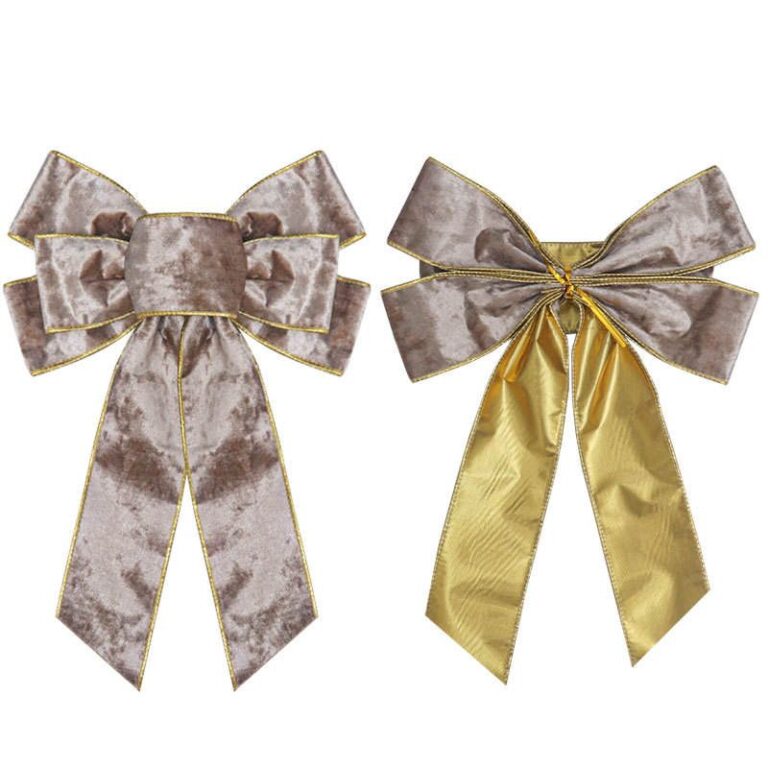 Pre-Tied Bows for Retail Packaging: When They Reduce Labor and Rework
See when pre-tied bows reduce retail packaging labor, improve consistency, and simplify bulk packing, SKU planning, and reorders
Explore guide
Pre-Tied Bows for Retail Packaging: When They Reduce Labor and Rework
See when pre-tied bows reduce retail packaging labor, improve consistency, and simplify bulk packing, SKU planning, and reorders
Explore guide
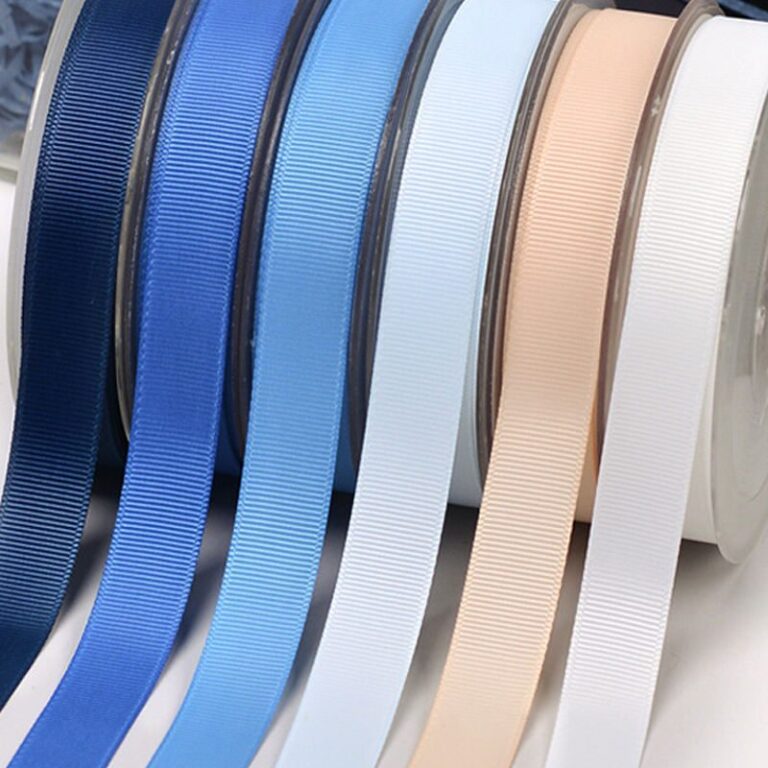 Wholesale Grosgrain Ribbon Rolls: Specs, Roll Length, and RFQ Checks
Buying Grosgrain Ribbon Rolls? Verify sample approval, color tolerance, QC checks, and material to reduce quoting errors and…
Explore guide
Wholesale Grosgrain Ribbon Rolls: Specs, Roll Length, and RFQ Checks
Buying Grosgrain Ribbon Rolls? Verify sample approval, color tolerance, QC checks, and material to reduce quoting errors and…
Explore guide
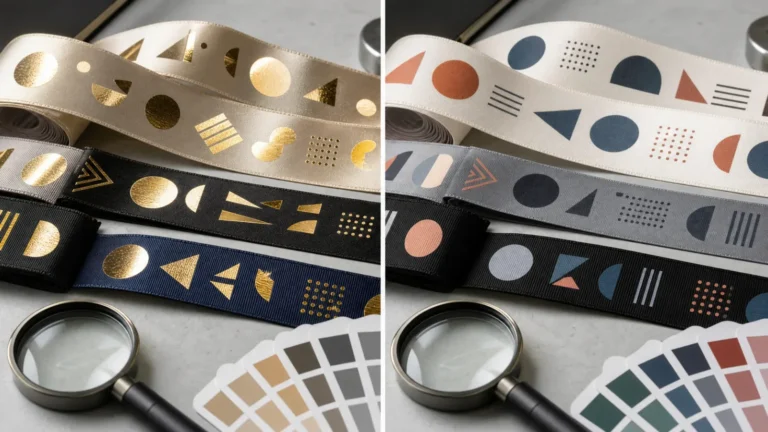 Wholesale Foil Printed Ribbon: Use-Case Fit and RFQ Checklist
Buying foil printed ribbon: buyer use-case fit checklist? Verify artwork files, print method, and color target to reduce…
Explore guide
Wholesale Foil Printed Ribbon: Use-Case Fit and RFQ Checklist
Buying foil printed ribbon: buyer use-case fit checklist? Verify artwork files, print method, and color target to reduce…
Explore guide
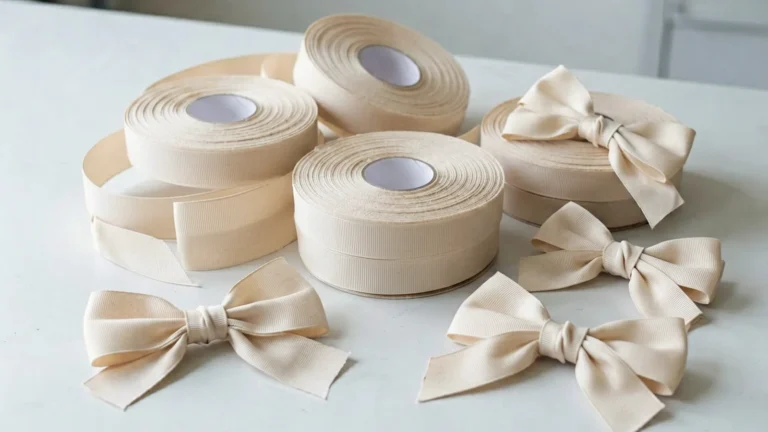 Grosgrain Ribbon Width Guide: Width choice for packaging and bows
Grosgrain Ribbon Width Guide: what to check on artwork files, print method, color target, and material before placing…
Explore guide
Grosgrain Ribbon Width Guide: Width choice for packaging and bows
Grosgrain Ribbon Width Guide: what to check on artwork files, print method, color target, and material before placing…
Explore guide
Leave a comment
Share a sourcing question or feedback on this guide. The Lude team reviews submissions before following up.