


Grosgrain Ribbon Sample Approval Workflow Before Bulk Production
Grosgrain Ribbon Sample Approval Workflow Before Bulk Production — the checks that decide whether a quote, sample, or shipment can be approved
The sourcing record for grosgrain ribbon workflow before bulk production is incomplete until it covers samples, materials, print, tolerances, certifications, and bulk-production risk.
Grosgrain approval should include an edge check after cutting, since fraying shows up at the cut rather than on the roll.
Direct answer: For grosgrain ribbon workflow before bulk production, buyers should verify samples, materials, print, tolerances, certifications, and bulk-production risk.
Define the Buyer Decision for Grosgrain Ribbon Sample Approval Workflow before production
- Compare sample color and width against approved spec sheet: A ribbon width deviation or off-shade dye lot can cause rejection at bulk goods-in, delaying your production line. Use a calibrated ruler and a buyer-approved viewing conditions source to measure width and compare color against the Pantone reference on the spec sheet. Bulk ribbon may be out of tolerance, leading to rework or order cancellation. Document the measurement and photo evidence in the sample approval record before signing off.
- Confirm sample construction matches the RFQ material and weave: Grosgrain's rib structure must be consistent; a loose weave or wrong yarn count affects stiffness and bow tie ability. Unravel a short section and count the ribs per inch; compare to the agreed construction note in the RFQ. The final product may lack the required body or fray excessively during cutting. Request a revised sample if the rib count deviates by more than one per inch.
- Verify sample edge finish and selvedge quality: Rough or curled edges cause uneven folding and poor presentation in retail packaging. Run your finger along both edges; look for loose yarns, curling, or fraying under an appropriate inspection magnification. Edges may unravel during handling, leading to customer complaints and returns. Mark any edge defect on the sample tag and request a corrected sample before bulk approval.
- Check sample yardage and weight against the MOQ confirmation: A sample that is lighter or shorter than the agreed spec indicates a material or process change that will affect your cost per yard. Weigh the sample on a calibrated gram scale and measure the length; compare to the weight and yardage stated in the RFQ confirmation. Bulk rolls may be underweight, causing you to order more rolls than planned. Ask the supplier to explain any discrepancy and provide a corrected sample with a signed weight certificate.
- Review sample packaging and labeling for bulk readiness: Incorrect labeling or flimsy packaging can cause mix-ups in your warehouse and damage during transit. Check that the sample label includes the PO number, color code, width, and lot number; inspect the inner core and outer wrap for adequate protection. Bulk rolls may arrive unlabeled or damaged, delaying your production schedule. Confirm the packaging specification in writing and request a photo of the bulk packaging mock-up before production.
Confirm Product and Order Scope
For grosgrain ribbon workflow, use a release rule: approve only when the supplier evidence matches the written requirement.
- Grosgrain ribbon material, width, and print color match the approved sample. Pre-production sample with color and logo size confirmation. Supplier sample room or QC team. Bulk run may have color shift or print misalignment, causing rework. Compare sample against your approved color card and spec sheet before sign-off.
- Supplier can meet your order volume within the required lead time. Production schedule and capacity confirmation for your ribbon width and print method. Supplier production planner or sales manager. Late delivery or split shipments disrupt your production line. Request a written production timeline and confirm it fits your bulk schedule.
- Quality control checks are in place for grosgrain ribbon edge finish and color consistency. QC checklist or in-line inspection report from the supplier. Supplier quality assurance department. Frayed edges or uneven dye lots lead to returns or customer complaints. Ask for a sample of the QC report from a recent similar order.
- Approval risk is minimized by documented sign-off on the pre-production sample. Signed approval form or email thread with sample photos. Buyer and supplier authorized representatives. Verbal approval leads to disputes if bulk output differs from expectations. Require a written approval with date and reference to the sample ID before bulk production starts.
Material and specification fit
Check that the grosgrain ribbon width, weave density, and print method match your approved sample. A color sample should be approved before bulk production to reduce risk of shade variation. Confirm logo size and print color on the proof. This step prevents costly rework when the bulk run does not match your spec.
MOQ, cost structure, and lead time
MOQ must be confirmed by material, print method, width, packing, and order schedule. Standard production takes 15–20 business days after specifications are confirmed, plus artwork review and sample approval time. Ask the supplier for a written cost breakdown per unit and any volume discounts. This avoids budget surprises later.
Supplier reliability and quality checks
Verify the supplier has in-line QC for edge finish and color consistency on grosgrain ribbon. Request a recent QC report from a similar order. A reliable supplier will share their inspection process and defect rate. Without this check, you risk receiving bulk rolls with frayed edges or uneven dye lots that delay your production.
Build the Verification Checklist
- Supplier cannot demonstrate in-house ribbon weaving or slitting capability: Outsourced production adds lead-time variability and quality gaps that are hard to trace before bulk runs Request a factory tour video or third-party audit showing looms, slitters, and finishing lines Production flow chart or video of the actual weaving floor and slitting area Shortlist only suppliers with verifiable in-house ribbon production
- Sample approval record lacks a signed-off measurement report for width and weave density: Without documented measurements, bulk rolls may drift outside tolerance and fail final inspection Require a signed measurement report with pass/fail criteria before any bulk production release Signed sample measurement report showing width, picks per inch, and edge finish check Hold bulk production until the signed measurement report is on file
- Supplier has no in-line QC check for color consistency across the ribbon roll: Color variation between roll ends or between dye lots causes rework and order rejection Ask for the QC standard operating procedure for color monitoring during production Color consistency log or spectrophotometer readings from the last three production runs Require a color hold point in the production schedule before bulk cutting
- Supplier cannot provide a documented approval gate for OEM and ODM ribbon development: Without a formal gate, design changes or material substitutions can happen without buyer knowledge Insist on a written approval gate that requires buyer sign-off before each development phase Approval gate checklist or workflow document for OEM and ODM ribbon development Add the approval gate as a contract clause before sample work begins
- Sample approval is based on a photo or video only, not a physical production sample: Digital images hide edge finish defects, hand feel, and actual color depth that affect bulk quality Mandate a physical production sample that matches the intended bulk material and print method Physical sample with a signed approval sticker and date stamp from the QC room Do not approve any sample without a physical production sample in hand
Compare Quote and Production Assumptions
The main failure mode for grosgrain ribbon workflow is approval before the supplier has resolved the listed evidence gaps.
- Does the supplier run a full-width weave density check on the sample before bulk production? Grosgrain ribbon weave density directly affects edge finish and color clarity; a loose weave can shift print registration and cause rejection. Supplier provides a signed density report with tolerance range and a pass/fail gate before bulk approval. Approving a sample without weave verification may lead to bulk rolls with inconsistent texture and print misalignment. Request the weave density report and compare it to your approved sample spec before signing off.
- What is the supplier's in-line QC method for edge finish on grosgrain ribbon during the sample run? Edge fray or uneven selvedge is a common defect in grosgrain ribbon that becomes visible only after bulk cutting and packing. Supplier uses a calibrated edge inspection station with documented pass/fail criteria for every sample roll. Without edge QC at the sample stage, bulk rolls may arrive with frayed edges that require rework or discount. Ask for a photo or video of the edge inspection step and confirm it matches the sample you approved.
- Does the supplier lock the approved sample's print method and color formula into a production master card? Print method (e.g., rotary screen vs. digital) and color formula must be fixed at sample approval to prevent drift in bulk runs. Supplier produces a signed master card with Pantone references, print method, and line speed parameters. A missing master card can lead to color variation or print method substitution that changes the ribbon's hand feel. Require a copy of the master card as a condition of sample sign-off.
- How does the supplier handle sample-to-bulk shrinkage or stretch tolerance on grosgrain ribbon? Grosgrain ribbon can shrink or stretch during bulk production due to tension and finishing differences from the sample run. Supplier provides a documented shrinkage/stretch tolerance range and a plan to adjust loom tension for bulk. Unchecked shrinkage can cause length shortages or width variation that affects your packaging fit and yield. Incorporate the tolerance range into your purchase order and request a pilot run check before full production.
- Does the supplier require a signed approval gate before moving from sample to bulk cutting and packing? Without a formal approval gate, production may start on assumptions that differ from your approved sample, causing costly rework. Supplier uses a written release form that you must sign after reviewing the final sample and production master card. Skipping the gate means you lose the chance to catch errors before material is committed to bulk runs. Confirm the approval gate step in your contract and set a 24-hour review window after sample delivery.
Run the Review Before Approval
This checkpoint comes after the supplier submits the grosgrain ribbon sample and before you issue the bulk production go-ahead. The required output at this stage is a documented review decision that either approves, revises, or rejects the sample based on written requirements from the quote request.
Questions to send back to the supplier
- Does the sample match the quote request-confirmed width and color specification? Request a side-by-side photo with the reference.
- What is the actual dye lot number and can you provide a spectrophotometer reading for color consistency?
- Is the ribbon weave density within the tolerance range stated in your quality manual? Ask for a weave count per inch.
- Can you confirm the material composition (e.g., polyester grosgrain) as listed in the quote request?
- What is the exact roll length and weight? Verify against the agreed MOQ.
When to revise, escalate, or reject
Use the table below to classify the sample outcome. Before the table, note: every decision must be backed by evidence from the supplier, not assumptions.
| Outcome | Condition | Action |
|---|---|---|
| Revise | Minor deviation (e.g., color shade within tolerance but off by 1 buyer-approved color tolerance) | Request corrected sample with updated spec sheet within supplier-confirmed timing. |
| Escalate | Weave density or material composition does not match RFQ | Notify your sourcing manager and request a root-cause analysis from the factory. |
| Reject | Sample fails critical requirement (e.g., wrong material or width beyond tolerance) | Reject sample formally, document the failure, and restart the sample process with a new production lot. |
After the table, confirm that the sample handoff includes a signed approval form and a retained reference sample for bulk production comparison. This closes the review checkpoint and allows the workflow to move to bulk production readiness.
Move from Review to RFQ or Sample
When the grosgrain ribbon sample shows a color shift of more than one Pantone tolerance unit or a weave density that deviates from the spec sheet, the buyer faces a decision: approve with conditions or reject and request a rework. The control that prevents a costly bulk run is a mandatory sign-off gate that requires the supplier to submit a corrected sample along with a written statement confirming the exact yarn lot, dye batch, and loom settings used.
Inputs to include in the next message
- Measured color difference (buyer-approved color tolerance) between the approved standard and the submitted sample, recorded by a spectrophotometer.
- Weave density count (ends per inch and picks per inch) verified against the technical specification.
- Width tolerance check: actual ribbon width versus the required width the buyer-approved tolerance.
- Cost impact summary: any change in material cost or production time caused by the sample revision.
- Supplier’s corrective action plan: what they will change to meet the spec and by when.
Ownership and sign-off for the next gate
The quality engineer owns the technical verification; the sourcing manager owns the cost and timeline decision. Both must approve before the supplier can proceed to the next stage. Use the table below to document the handoff.
| Gate | Owner | Sign-off criteria |
|---|---|---|
| Sample revision request | Quality engineer | buyer-approved color tolerance, weave density within spec, width within the buyer-approved tolerance |
| RFQ confirmation | Sourcing manager | Revised sample matches spec, cost variance within the agreed limit, delivery date confirmed |
| Bulk production release | Both | All above met, supplier provides yarn lot and dye batch traceability |
Once the sign-off is complete, the buyer issues a formal quote request or sample order that references the approved spec and includes a clause requiring the supplier to maintain the same production parameters for the entire bulk run. This reduces the risk of a last-minute substitution that could cause a mismatch.
Source check: ISO 9001 quality management standard; How to Move From an Approved Sample to Bulk Clothing Production?; Rug Sample Approval Buyer Route Before Bulk Production.
In conclusion
The sourcing choice for grosgrain ribbon ultimately rests on a disciplined sample approval workflow that verifies every critical specification before bulk production begins. By comparing the physical sample against your original quote request—checking Pantone shade tolerance, width consistency, yarn lot continuity, and the declared MOQ and lead time—you create a documented gate that prevents costly rework and shipment delays. This approach shifts the buyer from reactive quality checks to proactive verification, ensuring that the supplier’s production run matches the approved sample exactly.
To close the loop, retain a signed approval form with a sample photo, Pantone reference, and written confirmation from the supplier that any rework or adjustment has been completed. For reorders, request a fresh sample if more than six months have passed, and stop the order if the grosgrain ribbon shows a shade variation beyond one Pantone step or if the supplier has a history of late deliveries or quality issues. This documented handoff between sample approval and production release protects your program from specification drift and reinforces a reliable, repeatable sourcing process.
Grosgrain Ribbon Sample Approval Workflow before production FAQ
What should buyers confirm first?
Confirm the grosgrain ribbon sample is made from the same yarn lot and production method intended for bulk. Check the width, weave density, and color against your spec sheet, and ask the supplier to document the material batch and machine settings used.
Verify the sample’s cost and minimum order align with your quote request, and request a lead time quote for the bulk run after sample approval. Review supplier risk by asking if they have produced this construction before; if not, request a second pre-production sample. Always keep a sealed reference sample for side-by-side comparison during QC.
Which proof should be retained for approval and reorders?
Retain a signed approval form that includes the sample photo, Pantone reference, width measurement, and the supplier’s written confirmation that bulk production will match the approved sample. Keep one physical sample in a sealed bag with the approval date and batch ID for reorder matching.
For reorders, request a new sample if more than six months have passed since the last bulk run, as yarn lots and dye formulas can shift. Document the sample approval in your system and share it with your QC team so they know exactly what to check during production inspection. Approving the wrong structure or supplier proof can create quality, cost, or delivery problems.
Which warning signs should stop the order?
Stop the order if the grosgrain ribbon sample shows a shade variation beyond one Pantone tolerance, frayed edges, inconsistent width, or a weave that differs from your spec. Also halt if the supplier cannot provide a written commitment that bulk will match the sample, or if they refuse to share the material source and dye lot number.
If the sample passes but the supplier has a history of late deliveries or quality complaints, request a TOP (top of production) sample from the first bulk units before full production continues. Do not approve until you have verified the sample against your spec and received clear cost and lead time confirmation for the bulk order.
quote request handoff: Send Specs for Review.
Keep exploring
Recommended buyer guides
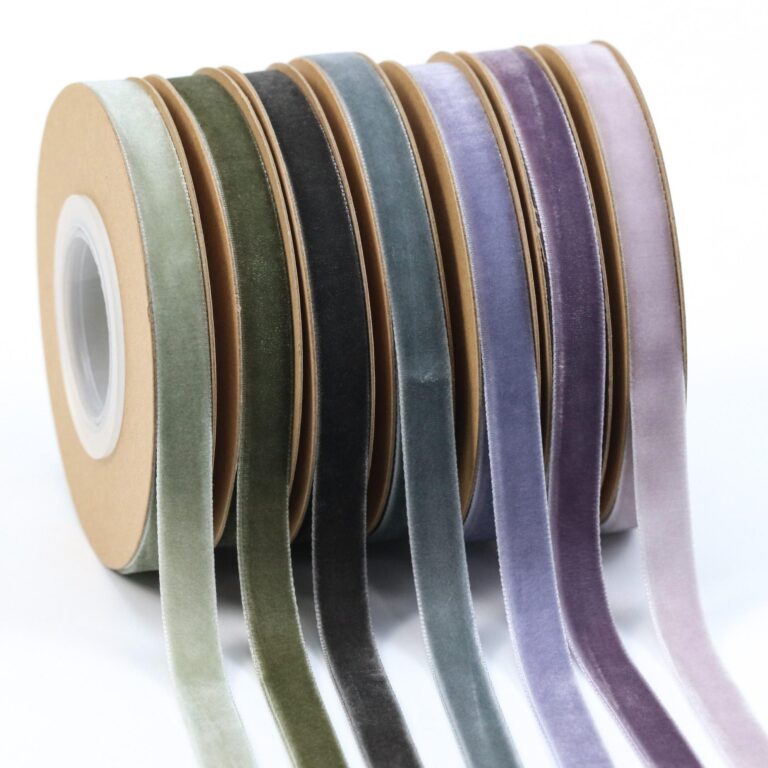 Wholesale Narrow Velvet Ribbon: Specs, Roll Length, and RFQ Checks
Check velvet pile direction, edge finish, cutting, tying, shade, and packout evidence before approving narrow velvet ribbon production.
Explore guide
Wholesale Narrow Velvet Ribbon: Specs, Roll Length, and RFQ Checks
Check velvet pile direction, edge finish, cutting, tying, shade, and packout evidence before approving narrow velvet ribbon production.
Explore guide
 Wholesale Satin Ribbon Sample Approval Workflow: Buyer Checklist
Wholesale Satin Ribbon Sample Approval Workflow — the checks that decide whether a quote, sample, or shipment can…
Explore guide
Wholesale Satin Ribbon Sample Approval Workflow: Buyer Checklist
Wholesale Satin Ribbon Sample Approval Workflow — the checks that decide whether a quote, sample, or shipment can…
Explore guide
 Organza Ribbon Sample Approval Workflow Before Bulk Production Buyer
 — the checks that decide whether a quote, sample,…
Explore guide
Organza Ribbon Sample Approval Workflow Before Bulk Production Buyer
Organza Ribbon Sample Approval Workflow Before Bulk Production Buyer — the checks that decide whether a quote, sample,…
Explore guide
 B2B Foil Ribbon Order Risk: Proof, Registration, Release
Buying foil printed ribbon: order risk control checklist? Verify artwork files, print method, color target, and sample approval…
Explore guide
B2B Foil Ribbon Order Risk: Proof, Registration, Release
Buying foil printed ribbon: order risk control checklist? Verify artwork files, print method, color target, and sample approval…
Explore guide
Leave a comment
Share a sourcing question or feedback on this guide. The Lude team reviews submissions before following up.